







For more specialty coffee knowledge, please follow our WeChat official account: Front Street Coffee (FrontStreet Coffee)
Indonesian Mandheling coffee is rich and full-bodied, making it a representative of full-bodied coffees. However, Mandheling coffee's audience tends to be polarized—those who love it can't get enough of it, while those who don't keep their distance. The unique herbal plant flavor in Mandheling coffee has become a characteristic that fascinates some coffee enthusiasts.
Front Street Coffee (FrontStreet Coffee) has encountered many staunch Mandheling coffee lovers. Even after introducing several equally full-bodied, non-acidic coffee beans such as Brazil Queen Estate Natural Yellow Bourbon and Jamaica Blue Mountain, they ultimately chose Indonesian Sumatra Mandheling coffee beans.
Don't be fooled by the fact that Indonesian Mandheling coffee has been fragrant for over half a century—Indonesia is not the birthplace of coffee. Like many coffee-producing countries, coffee cultivation is inseparable from European colonial activities. In the seventeenth century, coffee swept across Europe, and demand outstripped supply. In order to capture a larger consumer market, some European countries brought coffee seeds or saplings to their colonies for cultivation.
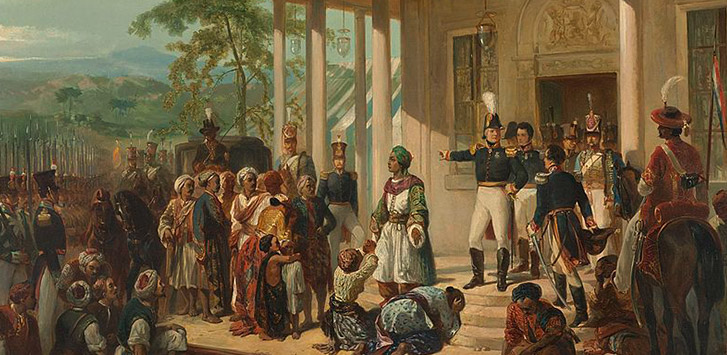
Among them, the Dutch East India Company twice transplanted coffee to Indonesia. Ultimately, the second time, with favorable timing, conditions, and geography all aligned, coffee trees took root and thrived on the island of Java, then spread to Sumatra and Sulawesi.
However, in the early twentieth century, coffee leaf rust swept through, and the coffee trees on Java were devastatingly destroyed. Afterwards, they had to switch to planting Robusta coffee trees, which have stronger disease resistance. Today, Indonesia has become a major coffee-producing country, and its Arabica coffee bean production has consistently ranked first in Asia.
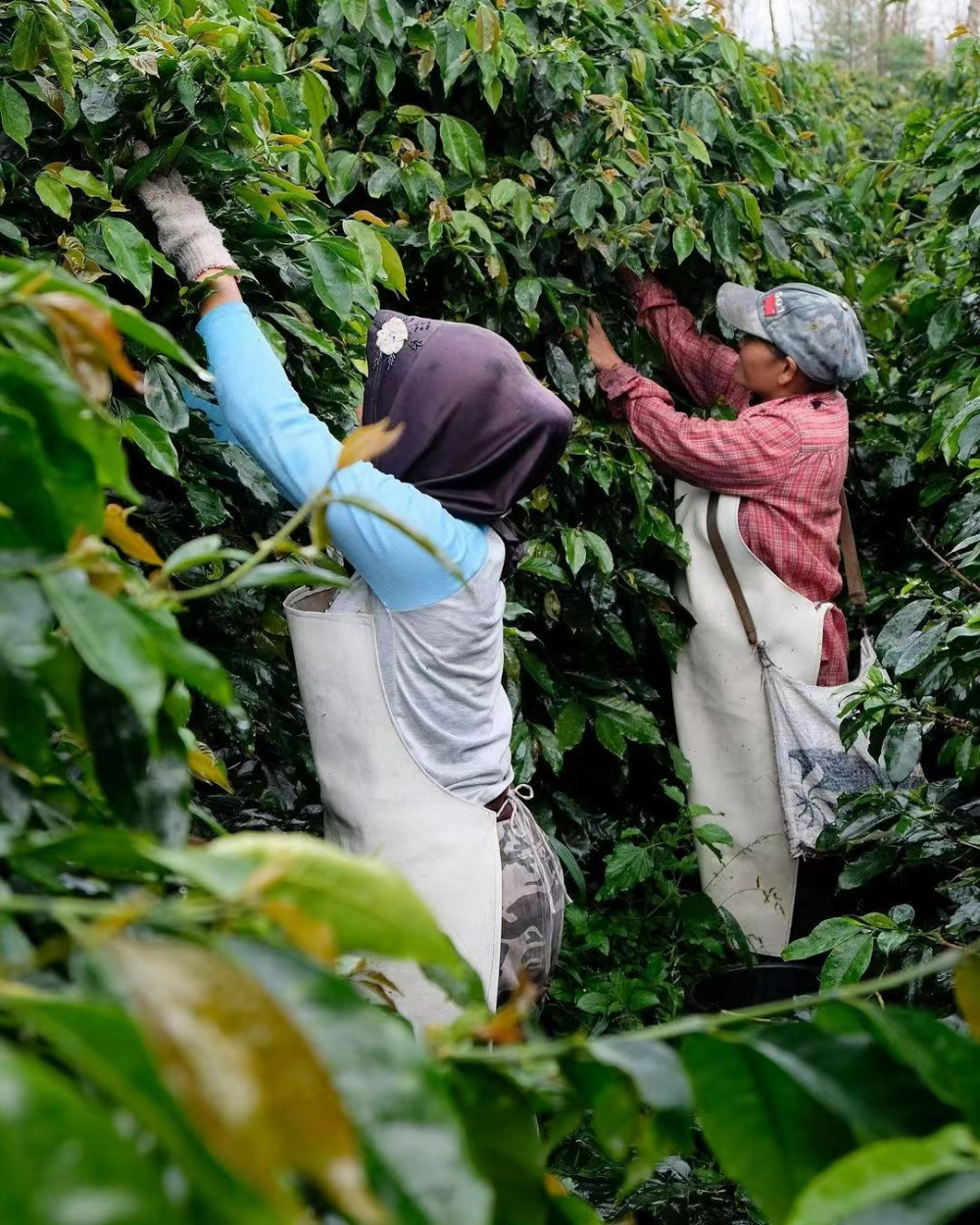
Indonesia's main coffee-producing region is located on the island of Sumatra. Coffee produced in Sumatra is also one of the major coffee types in the specialty coffee industry. Sumatra coffee is renowned for its unique flavor characteristics, low acidity, richness, and distinctive aroma. Mandheling coffee beans are one of the most popular Sumatra coffee beans in the world.
The areas in Sumatra where Arabica coffee beans are grown are mainly concentrated in the northwest part of the island. Depending on the growing environment, they can be divided into the Aceh producing region in North Sumatra and the Lintong producing region around Lake Toba in North Sumatra Province.
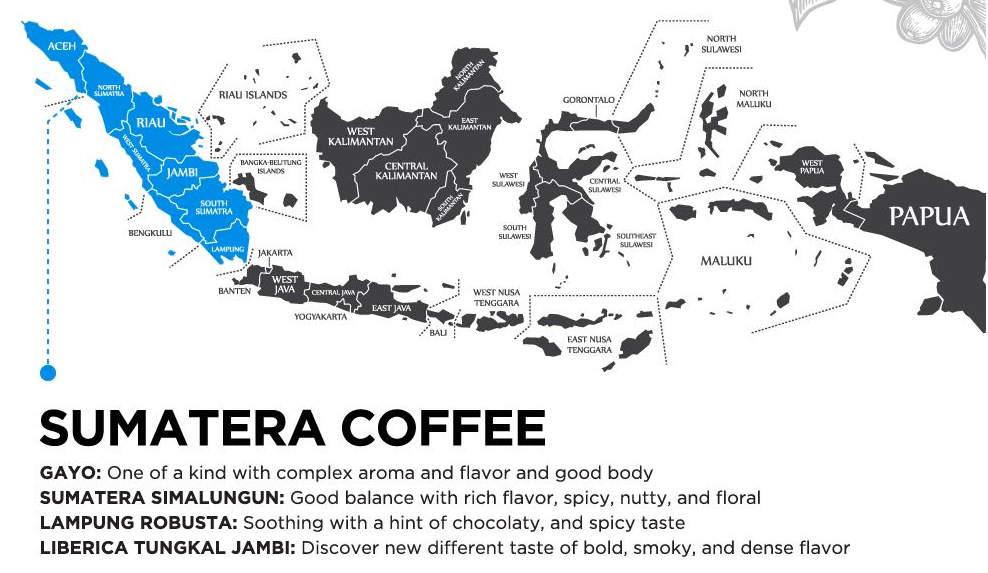
Among them, the traditional producing region for Mandheling coffee beans is located in the Lintong region. Combined with the highly local wet-hulling method, Mandheling coffee from the Lintong region has a heavy body, with a unique herbal plant aroma and a distinct caramel sweetness.
The Aceh producing region, as a relatively newer Mandheling coffee bean producing area, introduced a batch of Arabica coffee trees from North Sumatra Province in 1924. Subsequently, coffee production in the Aceh region increased year by year, even surpassing the traditional Lintong region. However, as the global greenhouse effect intensifies and global warming progresses, scientific research indicates that the area suitable for coffee cultivation in the traditional Lintong region will shrink dramatically over the next thirty years, or even disappear. The Aceh region, meanwhile, survives this global warming disaster and emerges as the winner, replacing Lintong's status.
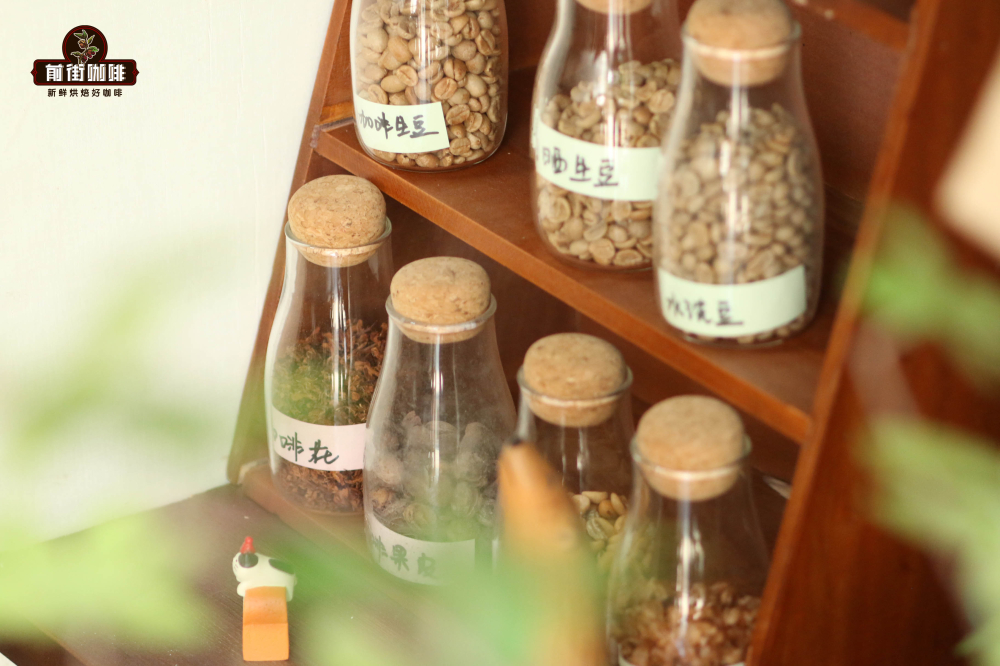
On Front Street Coffee (FrontStreet Coffee)'s bean shelf, Mandheling coffee beans from both the Aceh and Lintong regions are displayed. But since they are both Mandheling coffee, some friends may wonder: what exactly is the difference between the two?
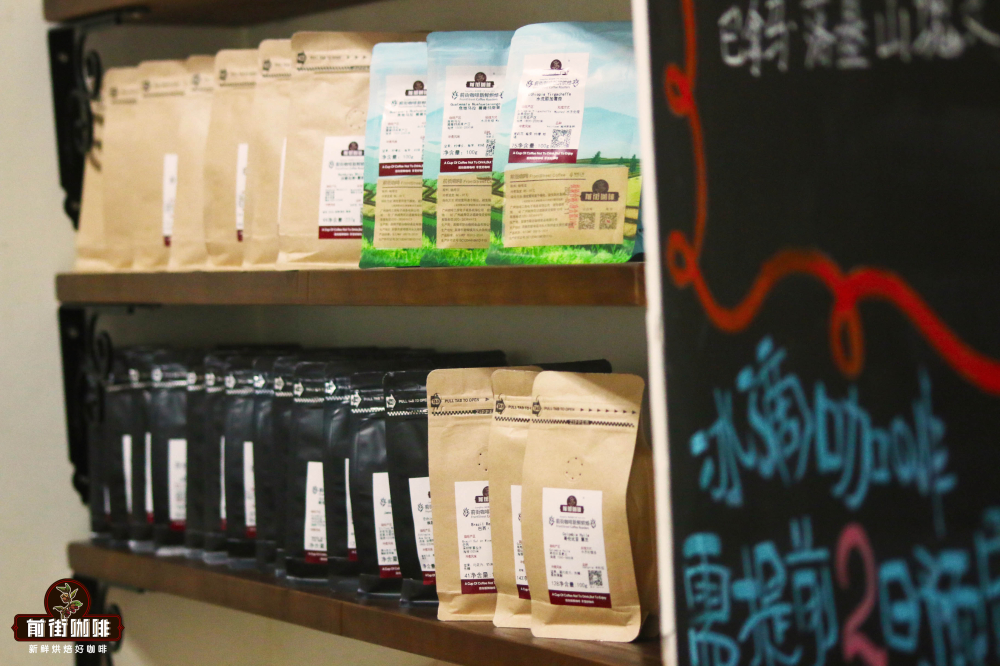
Through cupping comparison of the two Mandheling coffee beans, Front Street believes that the Mandheling coffee from the Aceh region has a brighter flavor and mouthfeel, with a less pronounced herbal plant taste.
Of course, such differences arise not only from differences in the local growing environment, but are also closely related to the coffee's post-processing method and production standards.
Sumatra's local climate features year-round rain and humid heat, making it difficult to meet the sun-drying time required for the natural process. During sun-drying, coffee cherries may be directly ruined by rain or excessive fermentation. In addition, local economic conditions are limited, making it impossible to invest sufficient funds for the washed process. Thus, the wet-hulling method came into being.
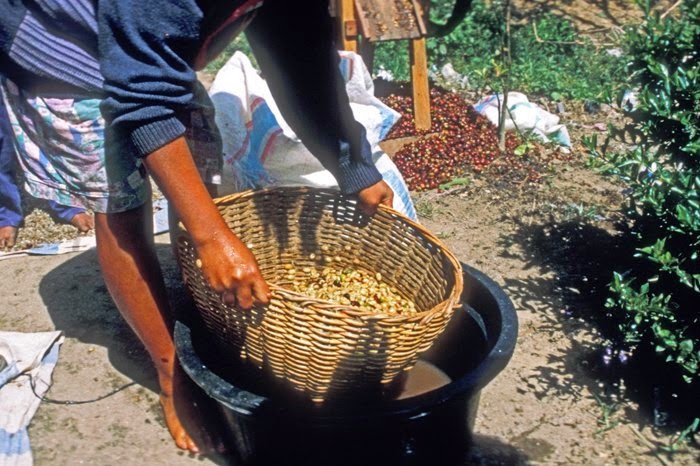
After selected coffee cherries have their skin and pulp removed, the parchment beans with sticky mucilage layer are briefly washed and then placed in a tank for fermentation. The longer the fermentation, the heavier the acidity. Therefore, some processing stations, in order to create Mandheling coffee beans with extremely low acidity, choose to skip the fermentation step entirely and directly spread the sticky parchment beans evenly for drying. In this way, Mandheling's acidity is suppressed, and the mouthfeel's viscosity is enhanced.
While the green coffee beans are still in a semi-dry, semi-wet state, a machine is used to hull them. This step generates excessive heat that accelerates the aging of the green coffee beans, giving the final product special aromas such as woody and earthy notes. At the same time, in this state, the green coffee beans are relatively soft, and under the external force generated by the machine, they are easily cracked open, presenting a "goat hoof" appearance.
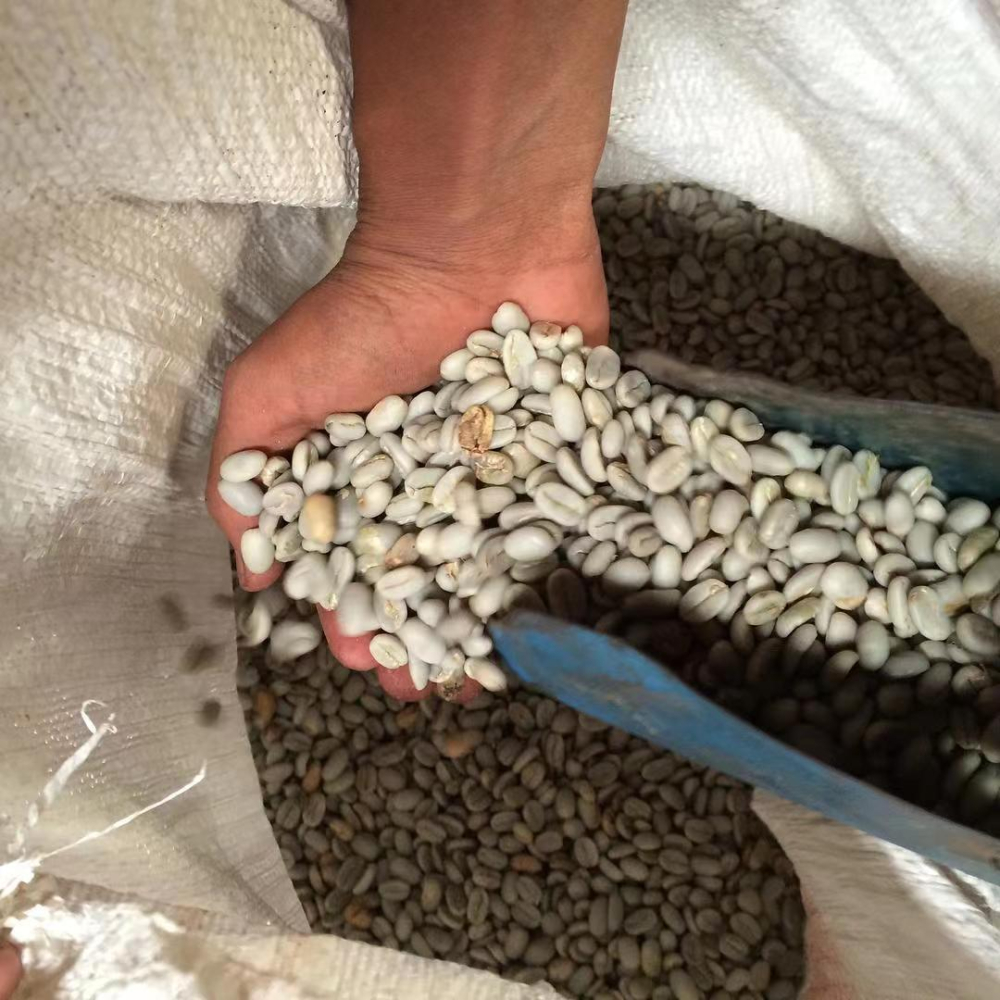
Unlike ordinary Mandheling coffee beans, PWN Gold Mandheling follows a strict set of standards. It selects beans that are plump and intact, sized 18 screen or above, with fewer than three defects per 300-gram green bean sample, reaching the highest grade, G1. Then three rounds of manual hand-sorting are performed to ensure defective beans are completely removed, thereby making Gold Mandheling's flavor brighter, its mouthfeel cleaner, and its sweetness more intense. Under strict production standards, the high quality of Gold Mandheling has made it synonymous with Mandheling. Because of this, its production is relatively scarce, and some merchants try to pass off Mandheling coffee beans of the same grade as PWN Gold Mandheling to sell at high prices.
Front Street has previously blind-tested multiple Gold Mandheling offerings, and Front Street's baristas can precisely identify PWN Gold Mandheling because its mouthfeel cleanliness is unmatched. For ordinary consumers, this is somewhat difficult to do. To identify genuine PWN Gold Mandheling, you can ask the merchant to provide the relevant green bean burlap sacks and certificates. Both types of proof can also be found at Front Street's store.
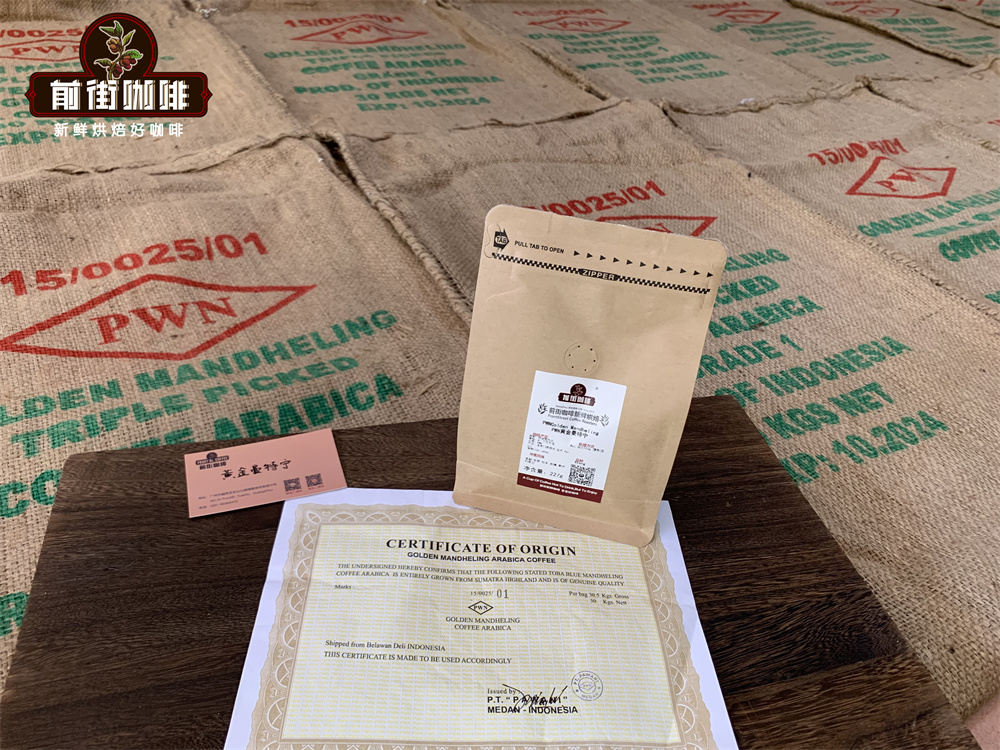
On the label of the PWN Gold Mandheling coffee beans sold by Front Street Coffee (FrontStreet Coffee), the variety column is marked as Ateng. Compared to the familiar Typica and Bourbon, what variety is Ateng? In fact, Ateng is a general term for the Catimor coffee widely planted on the island of Sumatra. This variety has both Robusta and Arabica genes, and in certain cases, they can perform excellently in cupping.
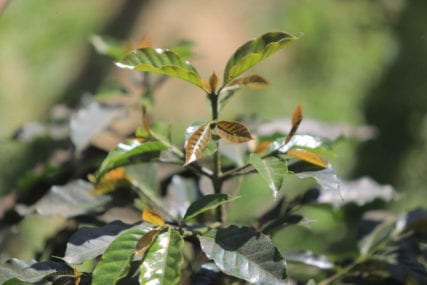
Aged Mandheling. When it comes to wine, everyone thinks the longer it's aged, the better, hence the name aged wine. The same goes for aged coffee. Among aged coffees, Aged Mandheling is undoubtedly the finest. In fact, this unique flavor was not intentionally created. Indonesia was once a Dutch colony. During the colonial period, Indonesia constantly shipped coffee beans to Europe. To ensure an uninterrupted supply, coffee beans would be appropriately stored. But due to factors such as the long transport distance, the shipping time became excessively long, and the beans were also exposed to sea breezes. By the time the coffee beans reached Europe, another flavor had already formed—this was the origin of the aged flavor.
Fortunately, at the time, the European colonists were amazed by this flavor and quickly accepted and promoted this processing method. Now the aging process for Aged Mandheling is quite mature. The coffee beans first undergo the wet-hulling method (wet-hulling is when, during the ordinary washed process, the beans are sun-dried with parchment for 2-3 days to a moisture content of 20-24%, and finally the parchment is removed so the green beans dry to a moisture content of 12-13%), and are then sealed and stored in a warehouse. The warehouse environment must be cool and ventilated, and the beans must be regularly turned to prevent mold and spoilage. They are stored for 2-3 years, during which the coffee beans' acidity slowly diminishes and converts to sugar, and the color also becomes deeper, mostly yellowish-brown or dark brown, making them highly recognizable.
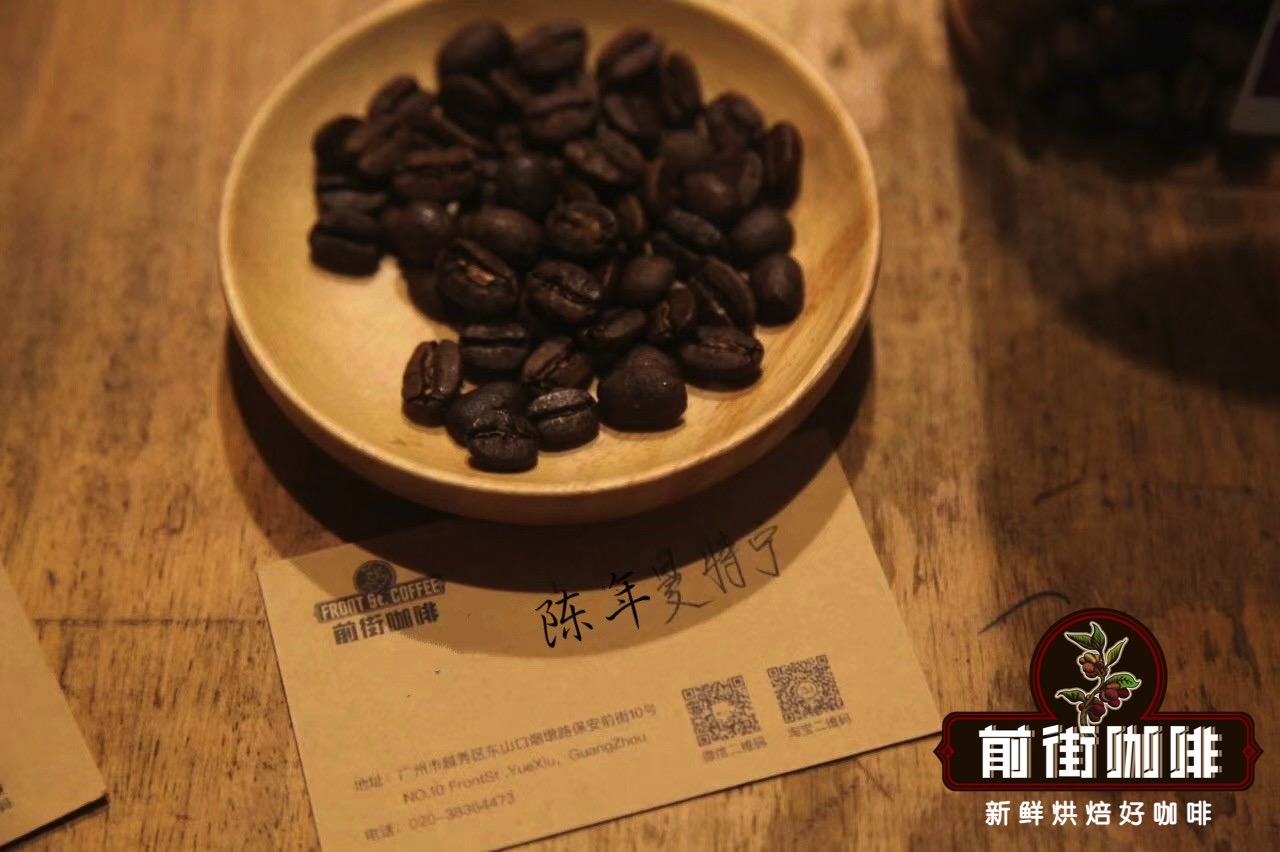
Aged Mandheling Producing region: Sumatra Altitude: 1500 meters Variety: Caturra, Typica Processing method: Wet-hulled Flavor: Ripe pu-erh, caramel, herbs, chocolate, relatively low acidity
Front Street Coffee (FrontStreet Coffee) uses a medium-dark roast level for Mandheling coffee beans. Therefore, Front Street recommends the following parameters when brewing:
Dripper: KONO
Water temperature: 88°C
Dose: 15 grams
Coffee-to-water ratio: 1:15
Grind size: 70% passing rate on China standard No. 20 sieve
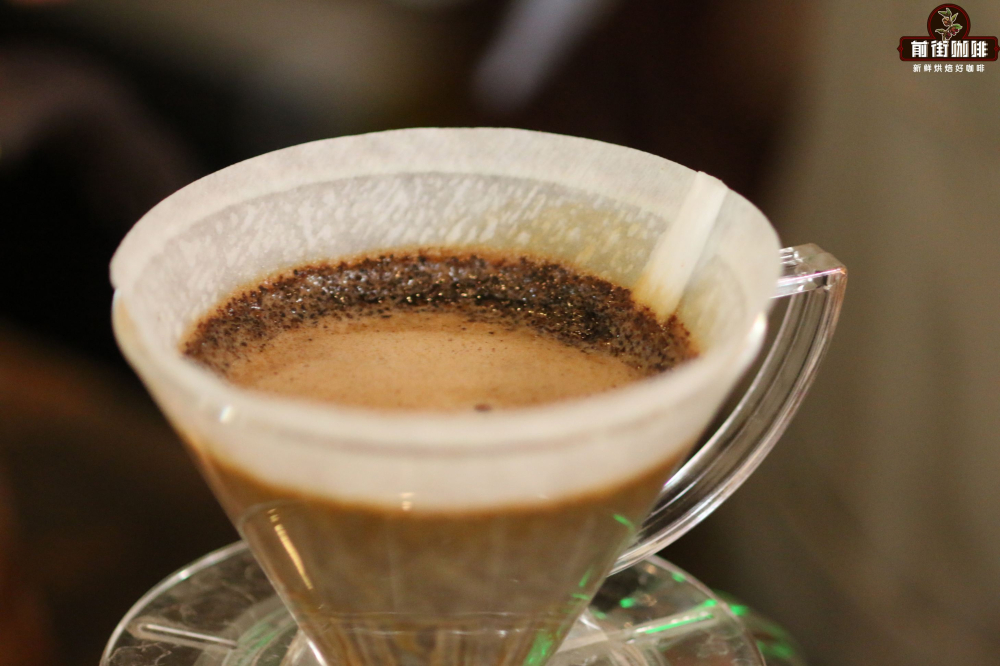
First pour 30 grams of hot water for a 30-second bloom. Then, from the center point, pour in a thin stream of water while slowly circling out to 125 grams. When the water level in the dripper drops to the point where the coffee bed is about to be exposed, continue circling and pouring to 225 grams. Total extraction time is about 2 minutes.
For more specialty coffee knowledge, please follow our WeChat official account: Front Street Coffee (FrontStreet Coffee)
The above content is compiled by CoffeeHunters, a coffee news website.

