







How Do Anaerobic and Barrel Coffee Beans Process Differ?
Anaerobic fermentation, barrel fermentation and red wine processing all build on the three traditional methods: washed, natural and honey. Anaerobic fermentation completes in low-oxygen or oxygen-free conditions, usually in pressure-resistant stainless steel tanks, with temperature, time and pH adjusted to steer the result. Common versions include anaerobic natural, anaerobic enzyme-washed, anaerobic double-washed and anaerobic honey.
Specialty coffee processing was first meant to give beans from a particular estate a more recognizable flavor. As use spread, some methods began masking defects in the beans themselves and then selling them at a high price. The workflow and flavor of each style are judged by cupping, which shows how far a coffee beans process departs from its washed, natural or honey base.
In recent years, more and more specially processed green coffee beans have emerged on the specialty coffee market—is this really something to be glad about? Front Street Coffee believes that special processing methods were originally intended to give coffee beans from a certain region a more distinctive flavor. However, as their use has expanded, some processing methods now seem to be more about masking the defects of the beans themselves and then selling them at a high price. In fact, all special processing methods have evolved around the three traditional methods: washed, natural, and honey. This article will systematically sort out the most common types of special processing methods on the market, including anaerobic fermentation, barrel fermentation, and red wine processing, and analyze their workflows and flavor characteristics based on Front Street Coffee's cupping experience and specific products.
In today's specialty coffee market, there are more and more green coffee beans processed with special methods—does this mean the industry is progressing? Front Street Coffee does not think so. When special processing methods were first created, they were meant to give coffee beans produced by a particular estate a more recognizable flavor. But as more and more people use them, today's special processing methods seem to be more about covering up the undesirable flavors of the beans themselves and then selling them at a high price. Ultimately, all special processing methods are derived from traditional coffee processing methods: washed processing, natural processing, and honey processing. In this article, Front Street Coffee will review the most common special processing methods on the market, in no particular order. |Anaerobic Fermentation Processing So-called anaerobic fermentation is a method of completing fermentation in a low-oxygen or oxygen-free environment. Pressure-resistant stainless steel tanks are usually used, and the fermentation process is controlled by adjusting parameters such as temperature, time, and pH. Common anaerobic fermentation processing methods on the market include anaerobic natural, anaerobic enzyme-washed, anaerobic double-washed, and anaerobic honey.
|Anaerobic Natural Processing: This method loads freshly harvested coffee cherries into sealed fermentation tanks for low-temperature fermentation, with the temperature required to remain below 10–15°C. In an anaerobic environment, the breakdown of pectin sugars slows down, and the pH value decreases more slowly as well, thereby extending the fermentation time and developing better sweetness and a more balanced flavor. After more than three days of anaerobic fermentation, the coffee cherries in the tank are sent for natural drying. After drying is completed, the skin, pulp, and other parts are removed mechanically. Through cupping, Front Street Coffee found that the biggest characteristic of this processing method is a jam-like fermented quality, with a hint of sweetness in the fermentation aroma.
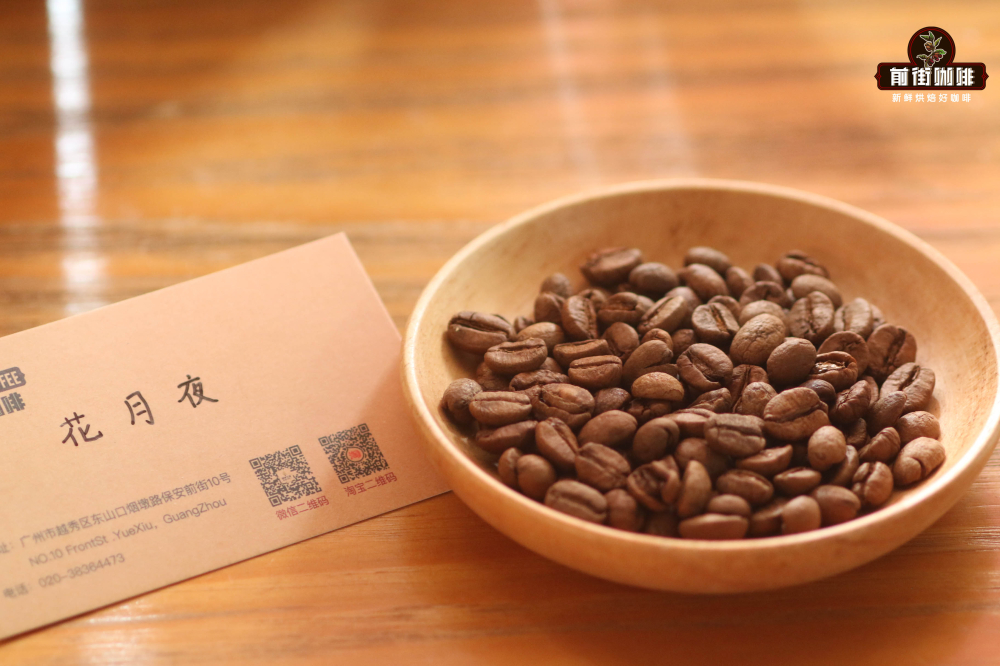
FrontStreet Coffee: Colombia Flower Moon Coffee Beans Region: Huila, Colombia Altitude: 1800m Variety: Caturra Processing Method: Anaerobic Natural Processing Brewing Flavor: First comes the sweet aroma of strawberry jam and the fermented quality of ripe berries. After entering the mouth, the acidity of cranberries and the juicy berry sensation spread to every corner of the mouth, followed by a finish like wine-filled chocolate in the nasal cavity. |Anaerobic Washed Processing: The coffee beans complete fermentation in an oxygen-free container. After ripe coffee cherries are picked, they first undergo 12 hours of dry fermentation directly in polypropylene woven bags. Then the pulp and skin are removed, preparing for the second round of fermentation. In the second round, the coffee beans must ferment for 24 hours in an anaerobic environment, transferred into plastic tanks and sealed to block oxygen circulation. After these two steps, the coffee beans are slowly dried on drying beds for 20 to 25 days until the moisture content drops to between 10% and 12%. Through cupping, Front Street Coffee believes that anaerobic washed coffee presents acidity that is fruity, sweet, and sour.
|Anaerobic Double Enzyme-Washed Processing: Only fully ripe coffee cherries with a bright red appearance are selected for picking, and defective floating beans are removed through washing. Then two rounds of anaerobic fermentation are carried out, with a special enzyme group added for fermentation. At the same time, this processing method also places great importance on the drying process of the coffee beans, avoiding excessively high temperatures and adopting a slow drying method. Front Street Coffee believes that coffee beans processed this way have a full juicy sensation and bright acidity.
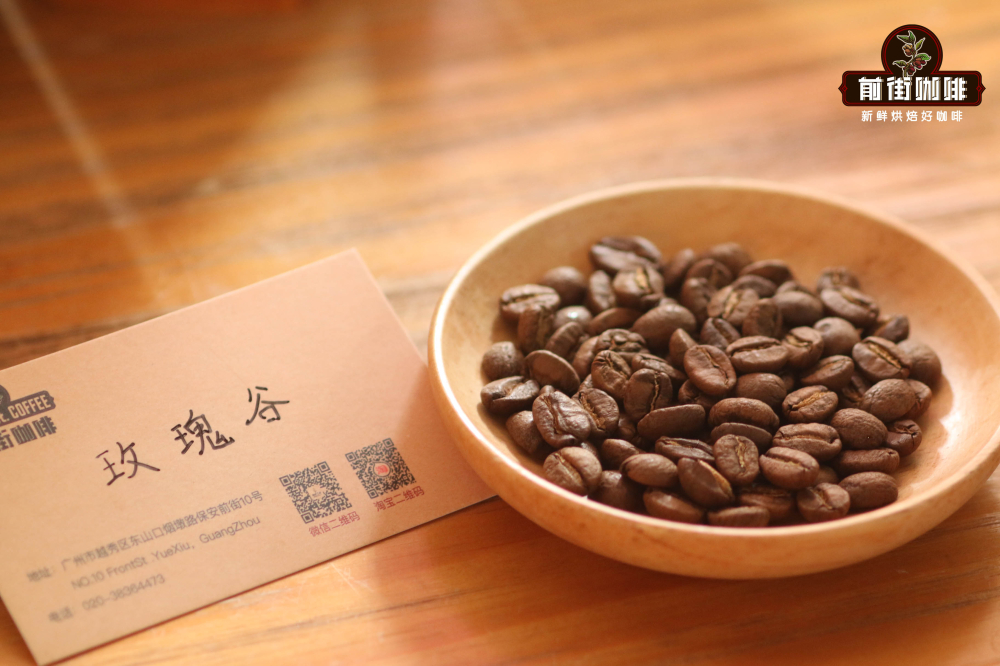
FrontStreet Coffee: Colombia Rose Valley Coffee Beans Estate: Colombia Finca El Arbol Region: Santander Region Processing Method: Anaerobic Double Enzyme-Washed Altitude: 1700m Variety: Caturra Brewing Flavor: The sweetness of white peach, accompanied by the aroma of roses, with both the high-quality sweet-sour sensation of black grapes and the silky mouthfeel of creamy toffee, followed by a finish like the aroma of wine-filled chocolate. |Anaerobic Honey Processing: After the coffee cherries have their outer skin and pulp removed, a sticky gelatinous layer remains. Anaerobic honey processing directly places coffee beans with pectin into sealed fermentation tanks for low-temperature fermentation, and the temperature must be below 10–15°C. In an anaerobic environment, the breakdown of pectin sugars slows down, and the pH value decreases more slowly as well, extending the fermentation time and thereby developing better aroma and a more balanced mouthfeel.
After more than three days of anaerobic fermentation, the coffee beans in the tank undergo natural drying. After drying is completed, the pectin and parchment are removed mechanically. Through cupping, Front Street Coffee found that while this processing method retains the high sweetness characteristic of honey processing, it also brings out a fermented quality and a pleasant, soft acidity.
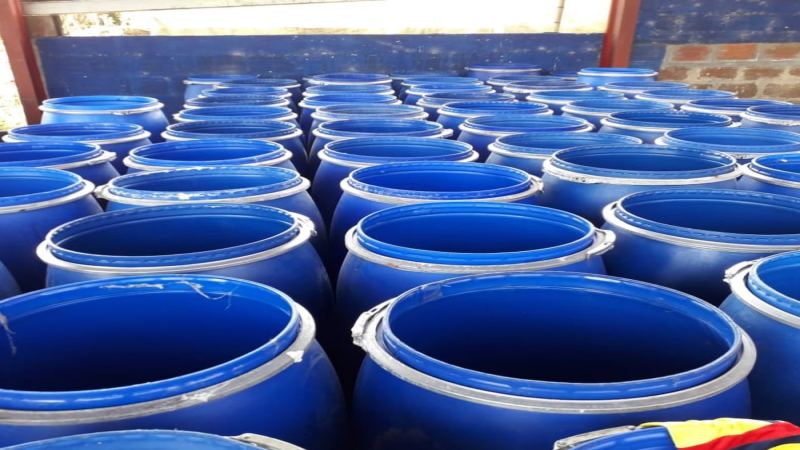
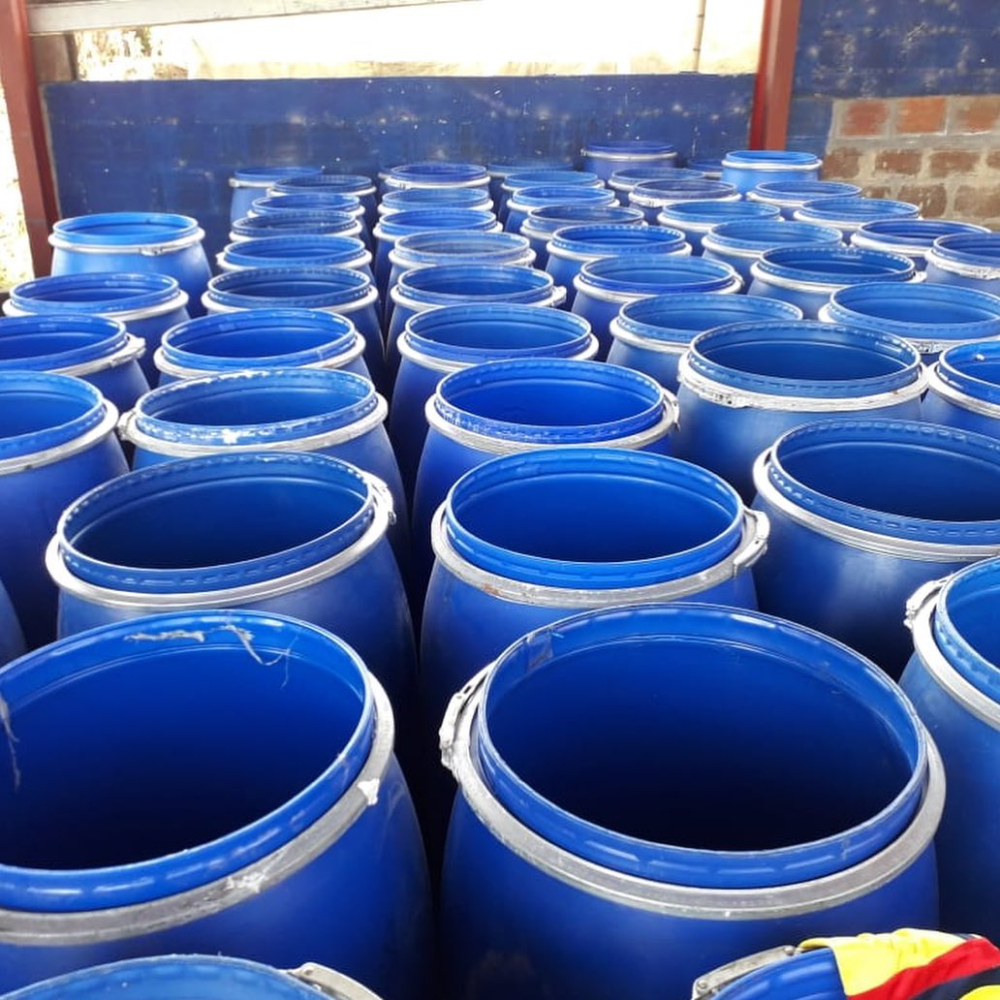
FrontStreet Coffee: Costa Rica · Musician Series Mozart Coffee Beans Region: Tarrazu, Costa Rica Estate: Canet Estate Processing Method: Anaerobic Honey Processing Variety: Catuai Altitude: 1800m Brewing Flavor: At high temperature, there are the aroma of raisins and a fermented quality, along with the floral fragrance of roses. As it gradually cools, the fresh aroma of oranges, the sweet-sourness of berries, the raisin fermented quality becomes more and more obvious, and the finish is like pineapple. |Barrel Processing Barrel processing first takes coffee beans through the washed processing steps: removing the skin, pulp, and pectin, and then putting the "bare" coffee beans into various old oak barrels for low-temperature fermentation for one month, absorbing the residual wine aroma in the oak barrels. At present, the most common barrel processing methods on the market include whiskey barrel fermentation, brandy barrel fermentation, and rum barrel fermentation.
|Rum Barrel Fermentation: Fully ripe coffee cherries are manually selected, washed, and then fermented for 20 hours. Next, they are placed into rum oak barrels aged for more than 8 years, and the beans are left to sit in the barrels for three months, turned once a day so that they evenly absorb the wine aroma. During barrel fermentation, the coffee beans in the barrel are sampled once every 30 days to ensure the degree of fermentation and whether the wine aroma has been fully absorbed, reducing insufficient or excessive absorption, so that when the coffee beans are finally completed, they can have a more distinctive flavor and be intact green coffee beans. After fermentation is completed, the coffee beans with a rum flavor are taken for greenhouse drying. The greenhouse temperature is even, which can prevent the high temperatures brought by African raised-bed natural drying from causing secondary fermentation of the coffee beans.
FrontStreet Coffee: Colombia · Rum Barrel Fermented Coffee Beans Region: Caldas Region, Colombia Estate: San Jose Estate Altitude: 1750m Variety: Castillo Processing Method: Rum Barrel Fermentation Processing Brewing Flavor: It smells of rich fermented wine aroma, and tastes of rum, nuts, tropical fruits, cream, and oolong tea. The sweetness is obvious, and the overall cup is balanced. |Whiskey/Brandy Barrel Fermentation: First, freshly picked coffee cherries are carefully washed, then placed into barrels previously used to age sherry rum / brandy barrels for low-temperature fermentation for 30–40 days (temperature around 15–20°C), and then shade-dried.
FrontStreet Coffee: Honduras · Sherry Coffee Beans Region: Marcala (Moca Estate) Altitude: 1500–1700m Variety: Caturra, Catuai, Pacas Processing Method: Fine Washed + Whiskey Barrel Fermentation Brewing Flavor: It smells of vanilla and cream, and on the palate there are whiskey, berries, almonds, and dark chocolate flavors, with a maple syrup sweet aftertaste in the finish. |Red Wine Processing / Red Wine Maceration Does red wine processing mean soaking coffee beans in red wine? Then does this coffee contain alcohol? No. Red wine processed coffee beans are simply fermented using methods similar to those used to make red wine, rather than soaking coffee beans in red wine. When coffee beans are fermented together with the pulp, some alcohol will inevitably be produced during the process, but after high-temperature roasting, the alcohol will completely evaporate, so there is no need to worry about alcohol remaining in the coffee beans.
Coffee fermented through methods similar to red wine processing greatly enhances the sweetness, cleanliness, and multi-layered, complex, and elegant acidity in the coffee. This fermentation method greatly improves the quality and uniqueness of the coffee produced. Red wine processing is also called controlled fermentation, or lactic/acetic acid fermentation.
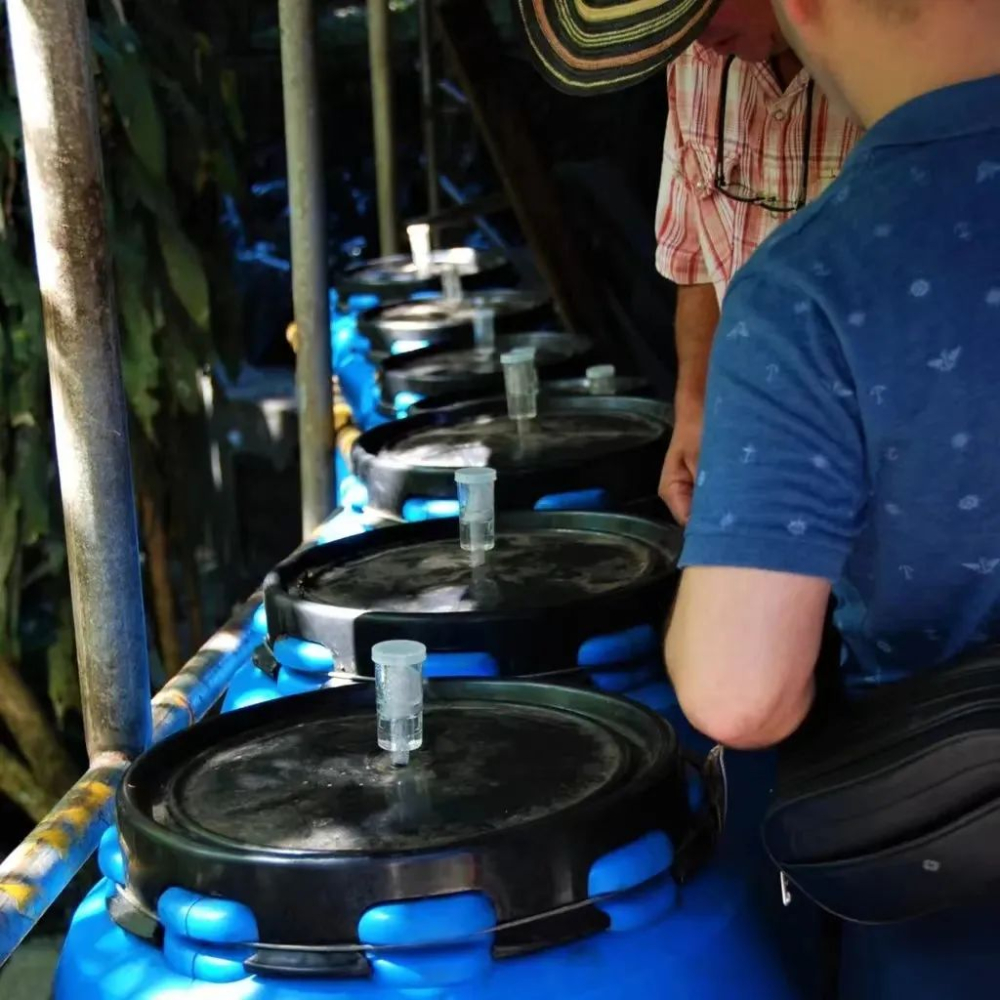
FrontStreet Coffee: Hartmann Estate · Red Wine Processing Coffee Beans Region: Volcan, Panama Estate: Hartmann Estate Altitude: 1250–1700m Processing Method: Red Wine Processing Variety: Catuai Brewing Flavor: Smooth on the palate, with lively and bright acidity, soft acidity, rich layers, obvious red wine finish, honey, and sucrose notes, and a brown sugar flavor after fully cooling. After collecting the fruit, coffee red cherries are carefully selected to ensure that among the coffee cherries selected for processing, the proportion of unripe fruit is less than 2%, the proportion of defective beans is less than 3%, and the proportion of floating beans is less than 5%. The selected coffee cherries are placed in a specific container, which should be equipped with a device similar to a red wine fermentation stopper or a one-way exhaust valve. In this way, carbon dioxide can escape through this device, thereby controlling the concentration of air in the container. At this time, the coffee cherries in the container undergo acetic acid fermentation, and the beans from this reaction have a relatively bright, clean flavor with citric acidity. Front Street Coffee believes that coffee beans undergoing red wine processing will have a fermented wine aroma similar to red wine, a mellow mouthfeel, and clean acidity.
The above content is compiled by CoffeeHunters, a coffee news website.


