







Search Results for: even pouring
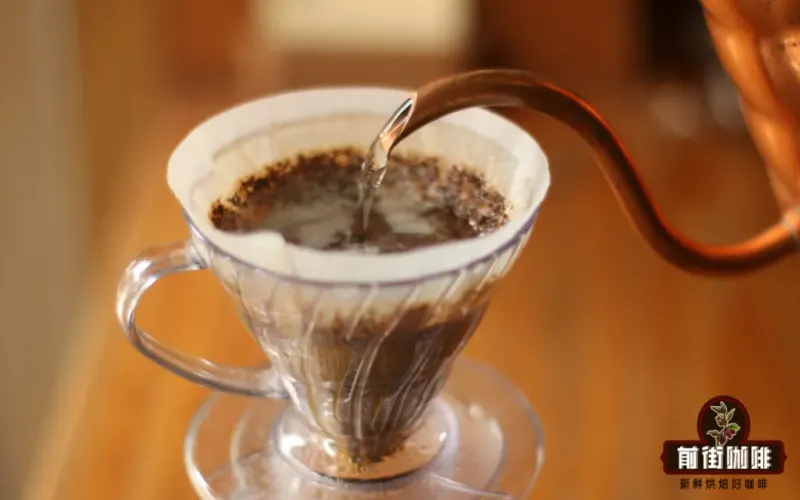
A Complete Guide to Pour-Over Coffee Water Pouring Techniques: The Key to Even Extraction and the Real Impact of Flow Rate on Flavor
Many people believe that as long as they buy good-quality coffee beans, it will not taste bad no matter how they brew it, but this is not the case. Pouring water itself is an extremely critical extraction variable; it determines whether the coffee grounds can be extracted evenly and also directly affects the flavor performance in the final cup. Just as a chef constantly tosses food in the wok to heat it evenly when cooking, the pouring motion in pour-over brewing also requires different flow rates and strength at different stages to regulate the process. Starting from the fundamental purpose of pouring water, this article will explain why pour-over coffee requires attention to the pouring method, and specifically analyze the difference between a strong flow and a gentle flow, helping you understand how to achieve even extraction through flow control while avoiding the extraction of unpleasant substances. [more…]
A Complete Guide to the Coffee Bloom in Pour-Over Brewing: How Time, Water Volume, and Technique Affect Extraction Evenness
Blooming is a key step in pour-over coffee brewing that cannot be overlooked, as it directly affects whether the subsequent hot water can evenly pass through the coffee bed. This article provides a detailed analysis of the difference between blooming and pre-infusion, explains the dual purpose of blooming—releasing carbon dioxide and forming an even filter layer—and offers specific recommendations for the amount of blooming water, typically 1 to 2 times the weight of the coffee grounds, along with the reason for keeping the water temperature between 85 and 92 degrees Celsius. At the same time, the article also explains the blooming pouring technique from three dimensions—small amount, even, and gentle—and points out the differences in water absorption among beans of different roast levels. Front Street Coffee reminds us that only sufficient and proper blooming can lay the foundation for subsequent even extraction, making the flavor of a cup of pour-over coffee more pleasant. [more…]

Pour-Over Coffee for Beginners: The Art of Water Pouring — Tips for Even Circular Pouring from the Center and Bean Recommendations for Practice
Those just beginning to explore pour-over coffee are often baffled, amidst a plethora of brewing books and techniques, about which step is truly crucial. In reality, the core lies in three aspects: understanding the current state of the coffee beans, having clear criteria for flavor evaluation, and maintaining a stable and consistent brewing method to fully extract the bean's intrinsic flavors. This time, Front Street Coffee focuses on the seemingly simple yet highly nuanced pouring stage, dissecting from blooming to circling, from water stream control to the characteristics of the dripper, step by step, the details that beginners are most likely to stumble upon, and recommends several everyday practice beans that balance flavor and cost-effectiveness, helping you take your first step in pour-over coffee in a more solid way. [more…]
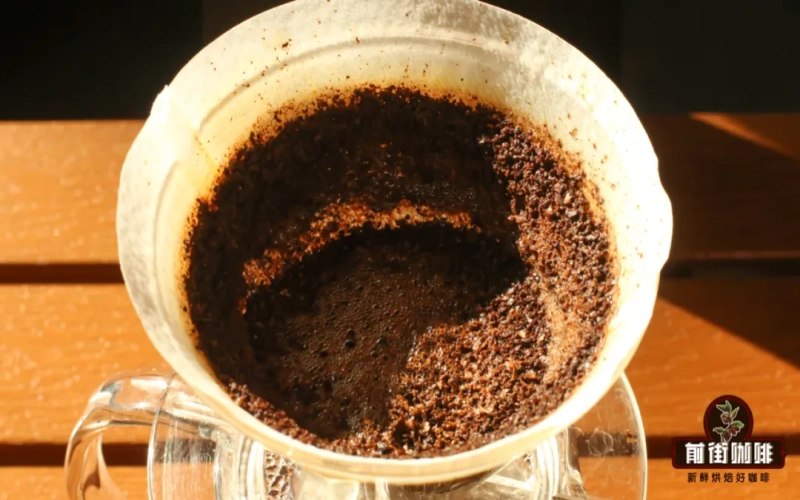
Why Does the Coffee Bed Form a Crater in Pour-Over? A Detailed Analysis of Causes and Pouring Adjustment Methods
After a pour-over coffee is finished, the state of the coffee bed often reveals whether the water pouring during the brewing process was standardized. An ideal coffee bed should be bowl-shaped, with an intact coffee wall of even thickness, but many coffee enthusiasts find that the coffee bed is "cut in the middle," split into upper and lower sections. How exactly does this faulting phenomenon occur? And what impact does it have on the flavor of the coffee? Starting from Front Street's practical experience, this article will analyze in detail the two causes of coffee bed faulting and provide two adjustment plans—narrowing the pouring range and reducing water flow intensity—to help everyone optimize their pouring technique and make extraction more even and complete. [more…]
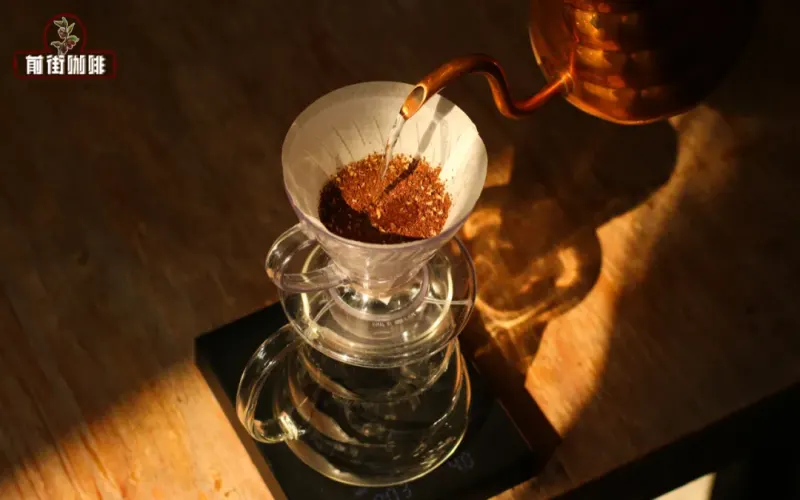
The Clever Cup's Water Control Valve Trick: Locking in Hot Water for Even Blooming — Pour-Over Operation and Parameters Shared
That small water-control valve on the Clever Cup can actually help us do quite a lot. By opening and closing the valve or adjusting how far it's closed, we can flexibly control the coffee's extraction method and the flow rate, and it can even help beginners pull off operations that are normally difficult—like a "perfect bloom." This article revolves around the principles of blooming and the choice of water volume, analyzing the uneven saturation problems that tend to occur with traditional blooming, and explaining how the Clever Cup uses its valve to lock hot water inside the dripper to achieve immersion-style blooming. Then, using Front Street Coffee's Grana Geisha as an example, it shares a complete three-pour brewing process to see whether a 30-second immersion bloom actually leads to over-extraction. [more…]
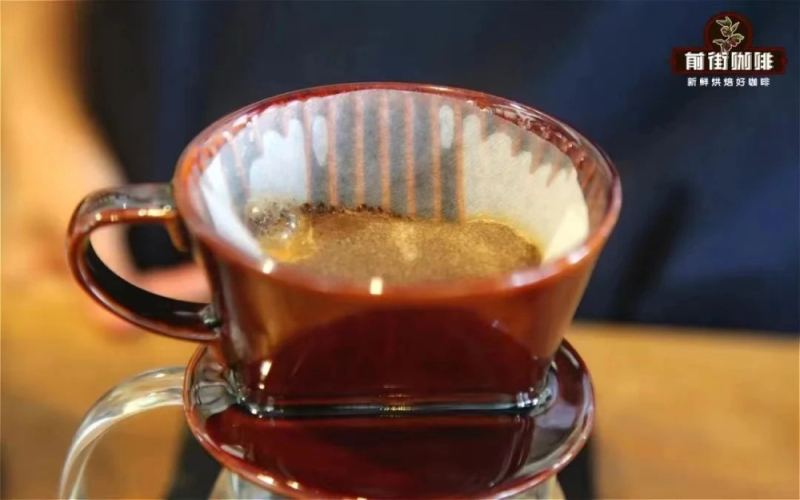
A Detailed Guide to Cake Dripper Brewing Techniques: Extraction Characteristics and Key Points for Using Flat-Bottom Pour-Over Drippers
In the world of pour-over coffee, even extraction has always been the core goal pursued by brewers. Whether choosing equipment or adjusting technique, everything ultimately revolves around giving each coffee particle a relatively consistent extraction. Front Street Coffee has discussed many times why conical drippers have become mainstream, and one key factor is the uniformity of pouring. Today, however, we introduce the cake dripper, a representative of flat-bottom drippers, which has a unique design logic for even extraction. What exactly are its differences from conical drippers? How do the bottom structure and rib design affect water flow? What usage characteristics does the way cake filters fit bring? This article, from Front Street's perspective, systematically analyzes the brewing characteristics of the cake dripper to help coffee enthusiasts gain a deeper understanding of this device's pros, cons, and suitable scenarios. [more…]
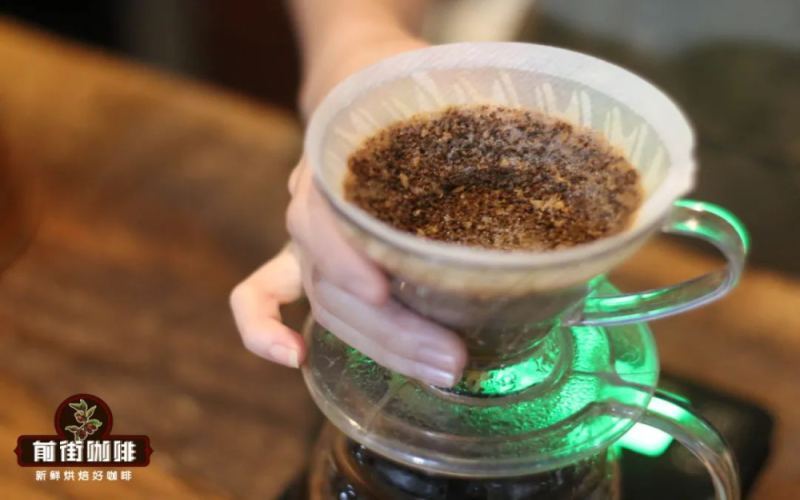
Interpreting the Shape of the Coffee Bed in Pour-Over Brewing: Judging Extraction Evenness and Brewing Issues from the Grounds Pattern
Many pour-over enthusiasts habitually check the shape of the coffee bed in the dripper after brewing, and some even predict the coffee's flavor based solely on the bed's appearance. What can the coffee bed actually tell us? Can it really determine whether a cup of coffee is good or bad? This article starts from the causes of the coffee bed, analyzes the extraction problems corresponding to different bed shapes, and explores the practical reference value of the coffee bed in brewing adjustments. At the same time, Front Street will also share how to view the coffee bed rationally and avoid falling into the misconception of "judging solely by the coffee bed." [more…]
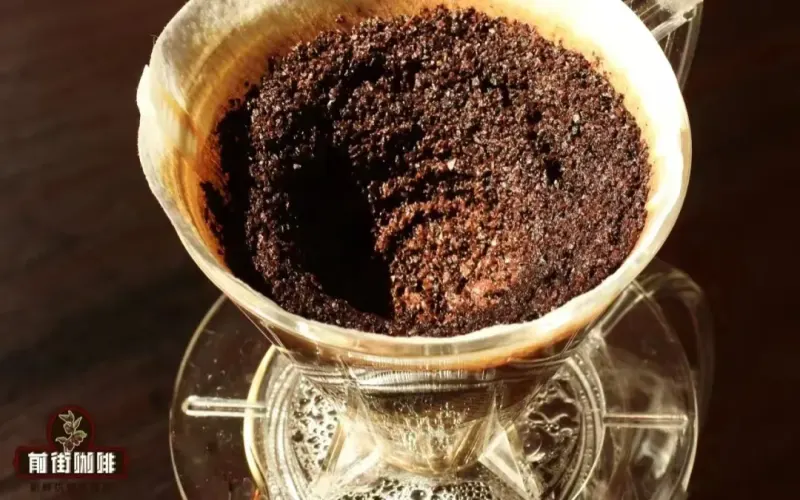
Analyzing the Relationship Between Pourover Coffee Bed Depth and Flavor: Conditions for Forming a Perfect Coffee Bed Beyond Even Pouring
Many pour-over enthusiasts habitually judge coffee quality by the shape of the coffee bed left in the dripper, believing that the deeper the bed, the better the taste. Is this belief correct? What can a deep bed actually tell us? In reality, the state of the coffee bed only reflects the uniformity of pouring and does not directly determine flavor. To produce an ideal coffee bed, uniform pouring alone is not enough—other conditions must also be met. This article will take a deep dive into the true relationship between the coffee bed and coffee taste, and share the complete set of factors that go into forming a perfect coffee bed. [more…]
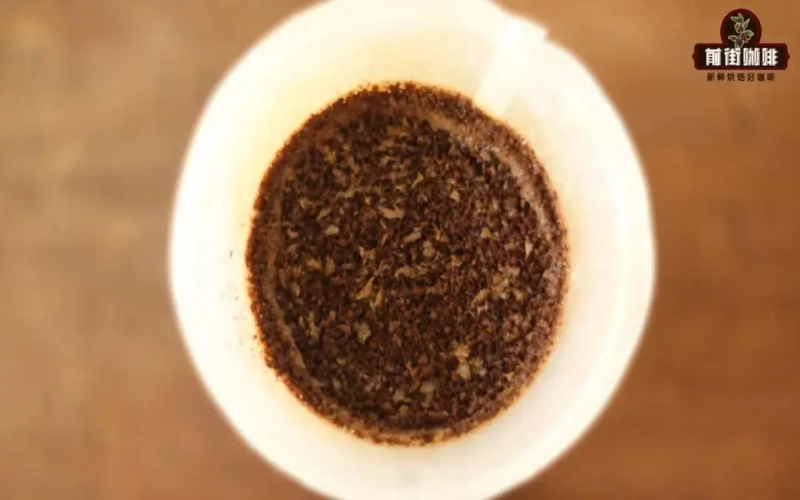
A flat coffee bed in pour-over brewing doesn't mean bad taste—revealing the causes of deep craters and three key points for brewing an even deep crater
Many friends who are just getting into pour-over coffee share a common misconception: they believe that the deeper and more even the coffee bed is, the better the coffee tastes. In reality, the shape of the coffee bed only reflects the pouring method and has no direct connection to coffee flavor. This article starts from a customer inquiry at Front Street's shop to explain why the coffee bed in specialty coffee is sometimes flat, and which factors truly determine coffee taste. It also shares three practical points: appropriately increasing the water flow, concentrating the hot water in the center, and choosing coffee beans that are not too high in density, helping you easily produce a symmetrical, deep coffee bed at home. The article also uses Front Street Yirgacheffe Gudingding, PWN Golden Mandheling, and others as examples to illustrate the differences in how various beans perform. [more…]
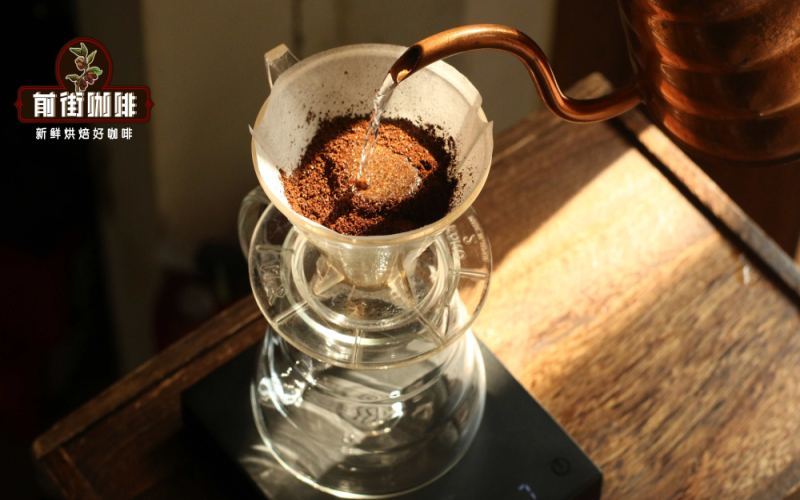
Center Pour vs. Spiral Pour in Pour-Over: Analysis of Extraction Efficiency, Flavor Differences, and a Combined Three-Pour Approach
The pouring method in pour-over coffee has a significant impact on the extraction result. Through comparative experiments, Front Street Coffee found that under low-flow conditions, center-pour single-pour extraction actually achieved a higher extraction yield than spiral pouring, due to two factors: heat retention and the contact area of the coffee bed; however, in terms of flavor performance, center pouring showed a concentrated, imbalanced character with bitterness. When switching to a three-stage pour, spiral pouring then surpassed center pouring. Based on these findings, a three-pour approach combining spiral and center pouring became a practical choice that balances even extraction with flavor cleanliness. This article presents the complete experimental data and principle analysis to help coffee enthusiasts understand the suitable scenarios for different pouring strategies. [more…]
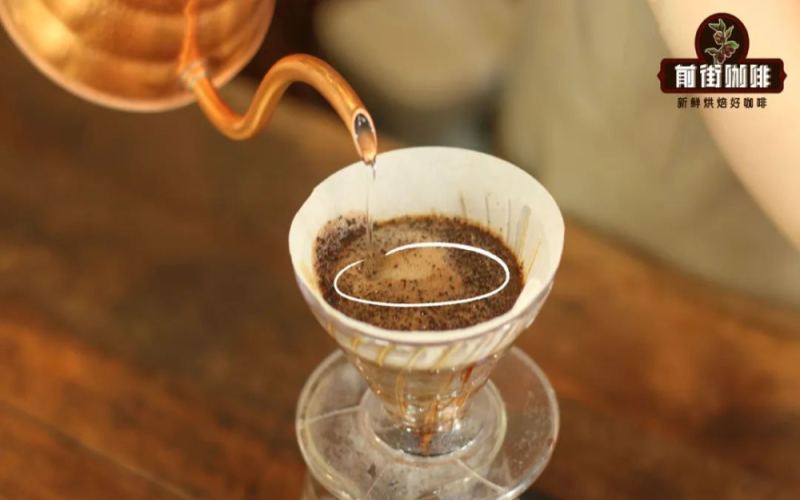
Why does pour-over brewing favor circular pouring? Analyzing the necessity of circular pouring from the perspectives of extraction evenness and over-extraction risk
When brewing pour-over coffee, the vast majority of brewers choose to pour in a circular motion rather than a single-point pour or stirring. Behind this lies a key consideration regarding extraction uniformity and the risk of over-extraction. Starting from actual tests by Front Street Coffee, this article uses an analogy of instant powder particles to explain why the coffee bed needs agitation, analyzes why a single-point pour leads to uneven extraction, and further explains how circular pouring, compared with other agitation methods, can better reduce turbulence and avoid bitterness, thereby becoming the most fault-tolerant and practical pouring technique. [more…]

A Complete Analysis of Latte Art Techniques: Key Steps and Considerations from Pouring Technique to Milk Foam Handling
Many coffee enthusiasts encounter the same confusion when practicing latte art: the milk foam seems finely textured and smooth, and the espresso's crema looks normal, yet once it comes to the actual latte art pour, they fail repeatedly. The problem often lies in an easily overlooked step—the integration of milk and coffee. Whether the integration is even not only directly determines whether the latte art pattern can form smoothly, but also affects the balance of taste in the entire latte. This article will focus on the criteria for judging even integration, the appropriate thickness of espresso crema, milk frothing and anti-separation handling, as well as practical details such as circling direction, pouring height, flow rate control, and integration volume, breaking down one by one the key techniques to master in the latte art process, helping you make latte coffee with clear patterns and harmonious taste at home. [more…]
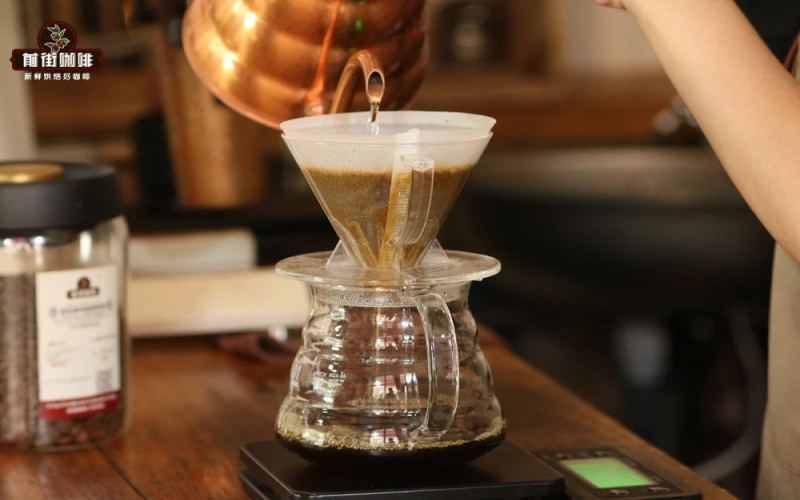
A Detailed Guide to Pour-Over Coffee Pouring Methods: The Differences Between Circular and Center-Point Pouring and Practical Key Points
Pour-over coffee pouring techniques have always been one of the topics newbies care about most. Many friends who have just discovered Front Street Coffee often ask: why doesn't the coffee I brew taste good enough? In fact, understanding and applying the right brewing parameters is more important than obsessing over pouring techniques. This article compares two methods—circular pouring and single-point pouring—analyzes how the coffee bed changes, why turbulence occurs, and how stirring intensity affects extraction, while also answering common questions about pouring height and the direction of circular pouring. This set of pouring key points that Front Street Coffee has put together for beginners starts with slow, steady, and straight, helping you avoid channeling and brew an even, delicious pour-over coffee. [more…]
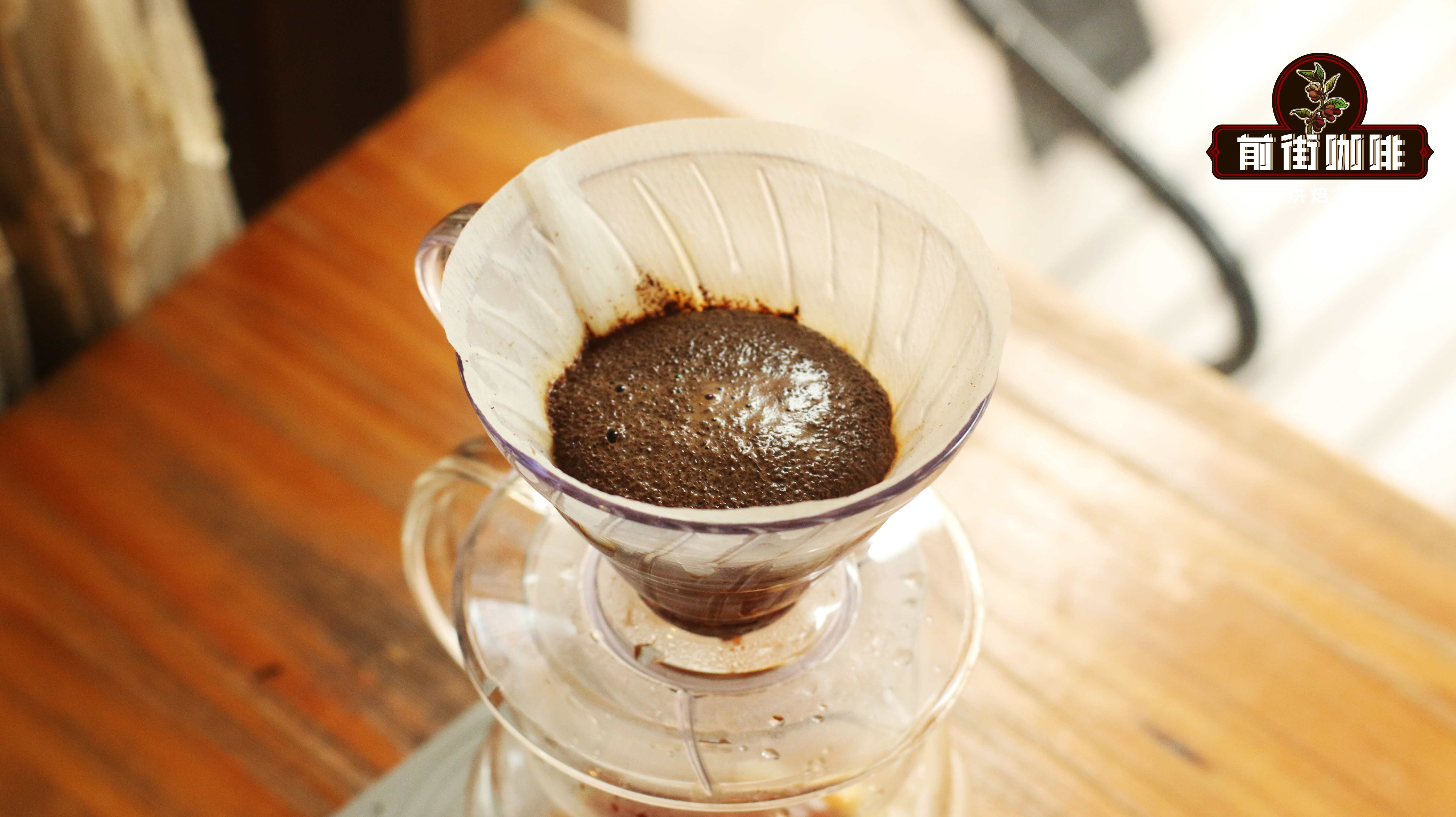
Why exactly is the bloom in pour-over coffee unskippable? A complete analysis from the principles of degassing to the number of pouring stages
The blooming phase in pour-over coffee may look like simply wetting the coffee grounds with hot water, but it actually determines whether the entire cup can be extracted evenly. Drawing on the hands-on experience of Front Street Coffee, this article systematically sorts out the core purposes of blooming—releasing gases inside the coffee beans, ensuring even extraction, and judging bean freshness—and analyzes one by one how factors such as coffee bean storage time and roast level, water temperature, amount of water poured, blooming duration, and grind size affect the blooming effect. Through comparative experiments, the article also verifies the actual impact of the number of pouring stages on extraction time and flavor performance, helping enthusiasts understand the logic and applicable boundaries of three-stage pouring. [more…]
A Detailed Guide to Pour-Over Coffee Extraction Techniques: A Complete Guide to Grind Size, Coffee-to-Water Ratio, and Water Temperature Parameters
Pour-over coffee seems simple, but in reality it involves countless variables—from the roast level of the beans to the coarseness of the grind, from water temperature to pouring technique, every step affects the final flavor. This article systematically breaks down the core technical points of pour-over coffee: grinding coarseness and water temperature strategies for different roast levels, the key techniques for stable circling and gentle pouring, when to use the water-interruption technique, and how to judge whether extraction is even by observing the state of the coffee bed. Whether you're a beginner just starting out or an enthusiast looking to refine your technique, you'll find practical guidance here. [more…]

A Complete Analysis of Pour-Over Coffee Bed Shapes: What Deep Crater, Flat Bed, Channeling, and Mud Pit Each Tell You
After pour-over brewing is finished, the coffee bed in the dripper often takes on different shapes—some people can produce a beautiful, even deep pit, while others end up with a flat bed or even a muddy crater. What exactly are these coffee bed shapes telling us? In fact, the appearance of the coffee bed mainly reflects information about the pouring method and the coffee grounds themselves, and has no direct correlation with whether the coffee tastes good. Front Street will start with six common coffee bed states, interpreting one by one the causes and meanings of the deep pit, the offset pit, the flat bed with a grounds wall, the flat bed without a grounds wall, the fractured bed, and the muddy pit, to help you better judge whether your pouring is appropriate in daily brewing and make timely adjustments. [more…]

Beginner Pour-Over Coffee Bean Recommendations and Analysis of Four Major Japanese Techniques: From Yirgacheffe to Mandheling
To brew pour-over coffee at home that rivals a café, choosing the right beans is only half the battle—brewing technique matters just as much. In this guide, compiled by Front Street Coffee, we'll first introduce you to Japan's four most iconic pour-over methods—the Matsuya style, the Kono style, the volcano pour, and the zigzag pouring method—breaking down the key steps and flavor outcomes of each. Then, organized by the three major growing regions of Africa, Asia, and the Americas, we'll recommend high-value single-origin coffee beans for pour-over beginners, including Front Street washed Yirgacheffe, Front Street Lintong Mandheling, Front Street PWN Golden Mandheling, and Front Street Guatemala Huehuetenango, along with specific brewing parameters and technique tips to help you find the cup that best suits your taste. [more…]
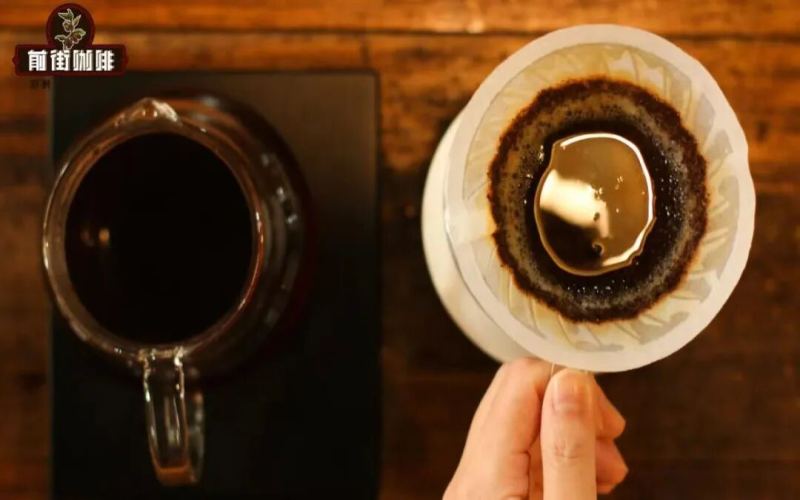
Pour-over coffee tutorial | What common pitfalls do coffee beginners easily fall into when self-learning pour-over coffee? How can coffee novices avoid mistakes in pour-over coffee brewing?
With its extremely high fault tolerance and outstanding flavor performance, pour-over coffee has become one of the top extraction methods after the rise of specialty coffee. At the same time, because it is simple to operate and has a low barrier to entry, many friends have bought their own pour-over equipment and started teaching themselves how to make pour-over coffee at home. Logically speaking, self-learning pour-over coffee [more…]
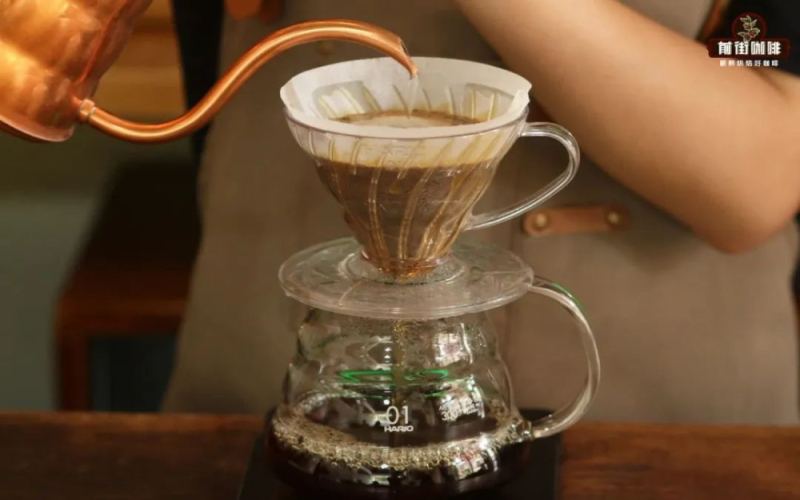
Pouring Differences Between Conical, Fan-Shaped, and Flat-Bottom Drippers: A Full Breakdown of V60, Kalita, and Wave Pouring Patterns
One of the joys of pour-over coffee lies in the extraction differences that different drippers bring. Front Street Coffee often receives questions from beginners: Do you also need to draw circles with a fan-shaped dripper? What should you pay attention to when pouring water with a flat-bottom dripper? This article takes three representative drippers—V60, Kalita, and Wave—as examples, starting from the coffee bed structure, explaining one by one the specific routes for circular pouring, and includes solutions for when the water flow is unstable. Whether you are just getting into pour-over or want to advance your understanding of how drippers and pouring techniques pair together, you will find practical reference here. [more…]
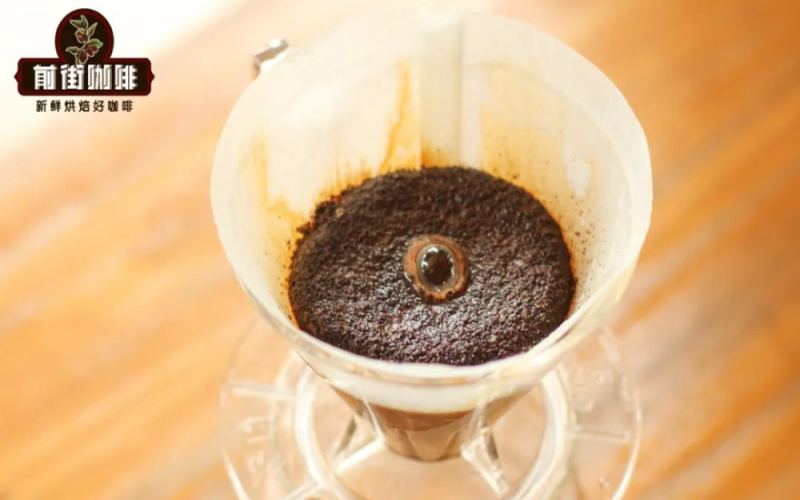
The Relationship Between Blooming Bubbles and Channeling in Pour-Over Coffee: Causes of Uneven Extraction and Practical Ways to Improve It
Blooming is a key step in pour-over coffee that allows the coffee grounds to degas and expand, but sometimes we see bubbles continuously rising from the surface of the coffee bed, or even deep craters left behind. This phenomenon is often related to clumping of fines and uneven pouring, and may trigger channeling, leading to uneven extraction. This article will analyze in detail the causes of bubbling during blooming, the specific impact of channeling on extraction, and the differences between pour-over and espresso in this regard. At the same time, we will also share two practical tips—spraying water before grinding to remove static, and using a distribution needle to break up the coffee bed before brewing—to help everyone reduce the occurrence of channeling and improve brewing consistency. If you also pursue more even extraction, read on. [more…]