







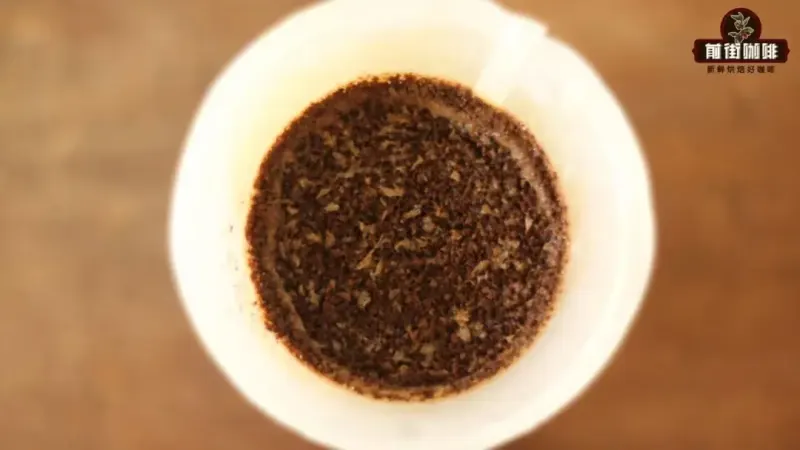
Coffee Bed Shape in Pour-Over Brewing
Many pour-over beginners believe a deep, even coffee bed crater means better taste. In reality, the shape of the coffee bed only reflects the pouring method and has no direct link to flavor. Factors like water stream size, pouring path, and height change the bed's final shape. As long as your technique is consistent, any bed shape can be brewed symmetrically.
What truly determines whether a cup tastes good is how well you dissolve flavor from the grounds into water, and whether the final concentration matches your preference. The beans you choose and your brewing parameters matter most. Even a flat coffee bed can produce excellent coffee if the beans and parameters are right. Coffees like Yirgacheffe or Golden Mandheling can perform differently, but proper brewing is key.
Many friends who are just getting into pour-over coffee often have a misconception: they believe that the deeper and more even the coffee bed crater, the better the coffee tastes. In reality, the shape of the coffee bed only reflects the pouring method and has no direct connection to coffee flavor. This article starts from a customer inquiry at a Front Street store to explain why the coffee bed in specialty coffee is sometimes flat, and which factors truly determine coffee taste. It also shares three practical points: increase the water flow slightly, concentrate the hot water in the center, and choose coffee beans that are not too high in density, helping you easily create a symmetrical, deep coffee bed crater at home. The article also uses examples such as Front Street Yirgacheffe Gutingding and PWN Golden Mandheling to illustrate the differences in performance among different beans.
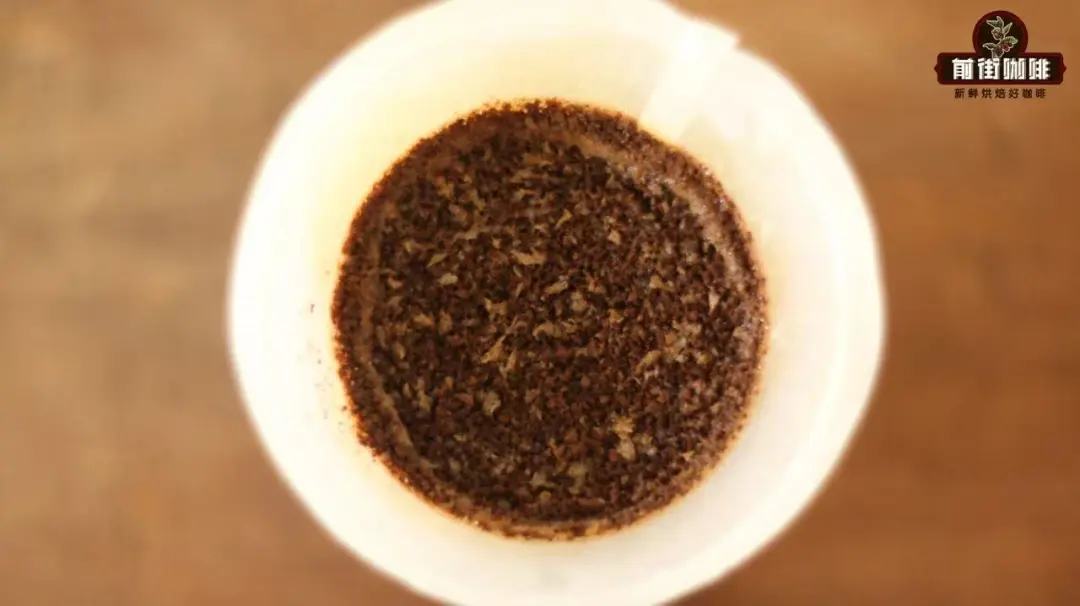
The situation above is exactly a cognitive bias that many beginners just getting into pour-over coffee often make—equating the shape of the coffee bed crater directly with coffee flavor. For example, today a customer at a Front Street store asked Front Street while selecting coffee beans about how their coffee bed was always very flat after brewing, and wanted to know how to adjust in order to create a deep and attractive crater so the coffee would taste better.
First, it must be made clear that, as Front Street said earlier, this is a misconception. What the coffee bed crater looks like cannot indicate whether the coffee tastes good or bad; it merely reflects how we poured the water. During brewing, the size of the water stream, the path the water takes, and the pouring height will all change the final shape of the coffee bed. As long as the method is correct, no matter what shape the coffee bed is, it can be brewed symmetrically and beautifully.

Whether a cup of coffee tastes good depends on whether we have properly dissolved the flavor substances in the coffee grounds into the water, and whether the final concentration and taste match our preferences. What truly determines these is the coffee beans we choose and the brewing parameters. In other words, as long as the beans are chosen correctly and the parameters are used correctly, even if the coffee bed is very flat, the coffee will not taste bad. Friends who often read Front Street articles should have seen a multi-pour brewing method shared by Front Street, which is often used when brewing Front Street Yirgacheffe Gutingding.
This brewing method divides the target water amount into several pours, with the aim of reducing the amount of hot water in each pour so that the hot water can fully contact the coffee grounds and achieve complete extraction. For detailed steps, everyone can move on to the Portal article to check, and Front Street will not repeat them here. The Front Street Yirgacheffe Gutingding brewed this way is delicious! The acidity and sweetness are balanced, the mouthfeel is clean and full-bodied, and the flavor expression is also very prominent, with clearly noticeable notes of jasmine, lemon, berries, and green tea.
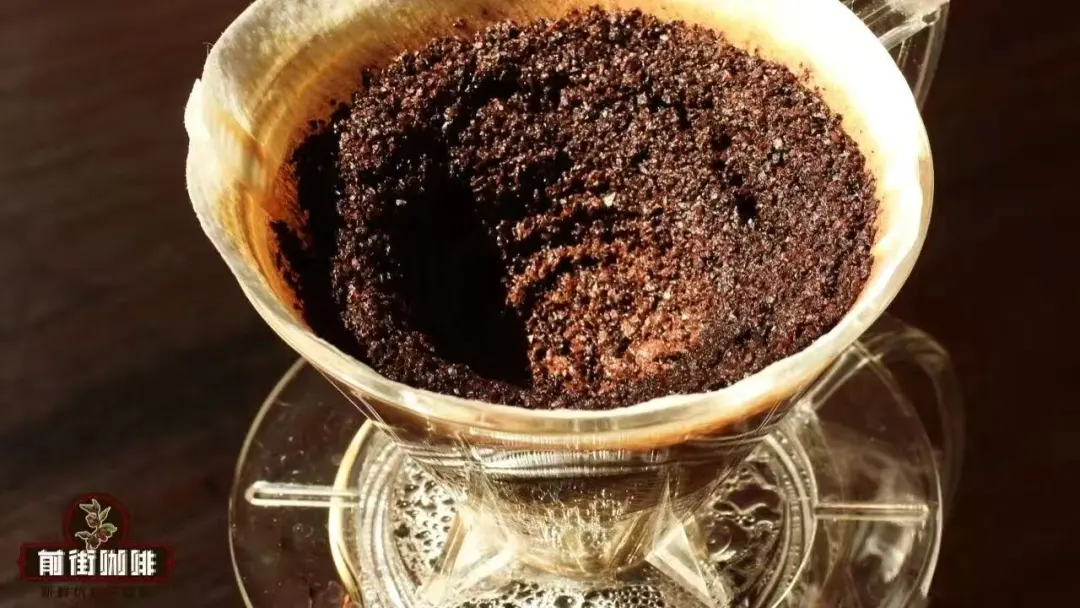
Why did Front Street suddenly mention this brewing method? Because it is very easy to produce a flat coffee bed with this method. The reason is simple: each pour uses only a small amount of water and the flow is not strong, so the coffee grounds are not moved too much by the water stream, and naturally it is difficult to form a deep crater. Of course, the coffee grounds themselves are relatively high in density and not easily moved by water, so this method is used for brewing to avoid bypass water affecting the extraction effect.
From this we can understand why the shape of the coffee bed cannot represent coffee taste. If everyone wants to brew an attractive and deep coffee bed crater, it is actually very simple. As long as the method is right, a beautiful crater can be easily achieved! Brewing sharing: there are three key points in total. As long as the coffee grounds and pouring method during brewing satisfy these three points, we can easily brew a deep crater. First, the water flow during brewing should be slightly stronger, because only when the pouring speed exceeds the drainage speed will the hot water accumulate in the dripper. This can drive the coffee grounds to float upward, causing them to attach to the higher walls of the dripper as the water level falls, thereby forming a deep crater.
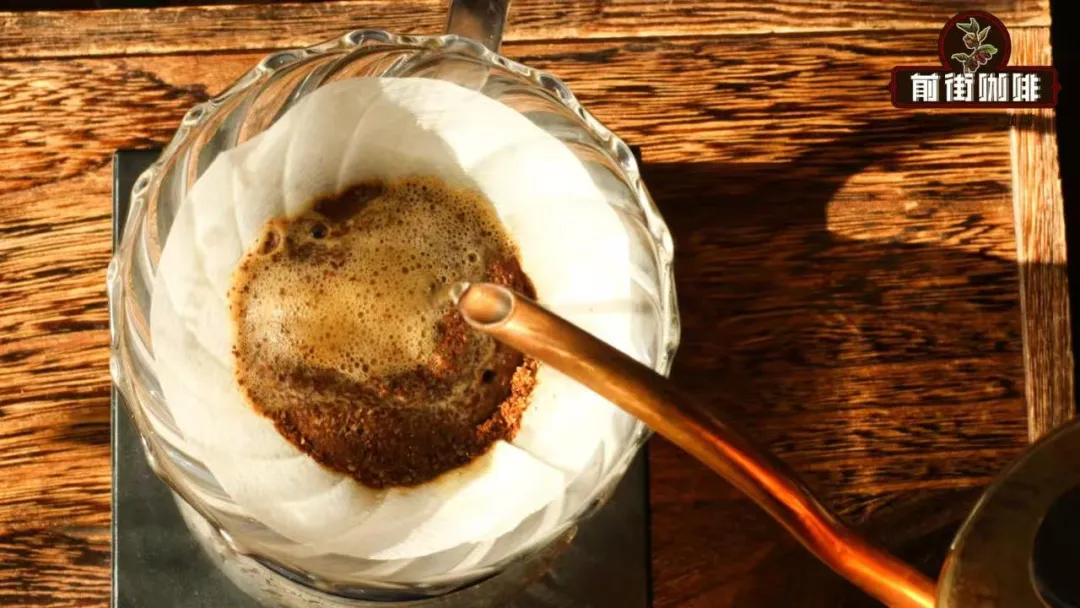
Second, try to concentrate the hot water in the central area and do not pour onto the dripper walls. Many friends have some “obsessive-compulsive habits,” pouring water during brewing to wash down the coffee grounds attached to the dripper wall. The purpose may be to increase the extraction rate of this portion of coffee grounds, or it may be for appearance. But it is precisely this action that prevents a deep crater from forming, and ultimately makes the coffee bed flat, because the coffee grounds at the edge of the “crater” are all washed down by the hot water, so naturally an attractive crater cannot form. Therefore, during brewing, try not to let the hot water hit the edge of the dripper. This also helps reduce bypass water and ensures that coffee taste is not affected.
The last point to note is the coffee beans! It is best that the chosen coffee beans are not too light in roast level and not too high in density. This is because high-density coffee grounds are relatively difficult to float. When brewing this type of bean, even if we use a strong water flow to raise the water level, the coffee bed may not rise with it, because due to its high density it quickly sinks to the bottom, and it may even worsen the production of bypass water. On the contrary, if the coffee grounds are not so high in density, they will easily rise as the water level rises, and ultimately form a deep and symmetrical coffee bed crater when the water level falls! In particular, for dark-roasted coffees such as Front Street PWN Golden Mandheling and Front Street Blue Mountain No.1 Coffee, it is very easy to get an attractive coffee bed crater during brewing!
That is all for this Front Street sharing! In summary, if you want to brew a deep and attractive coffee bed crater, prioritize coffee beans that are not so high in density, then pair them with a strong water flow for brewing, and during the process try to avoid washing the dripper walls. In this way, you can brew an attractive and deep coffee bed crater.
- END -
The above content is compiled by CoffeeHunters, a coffee news website.


