







Search Results for: espresso brewing parameters
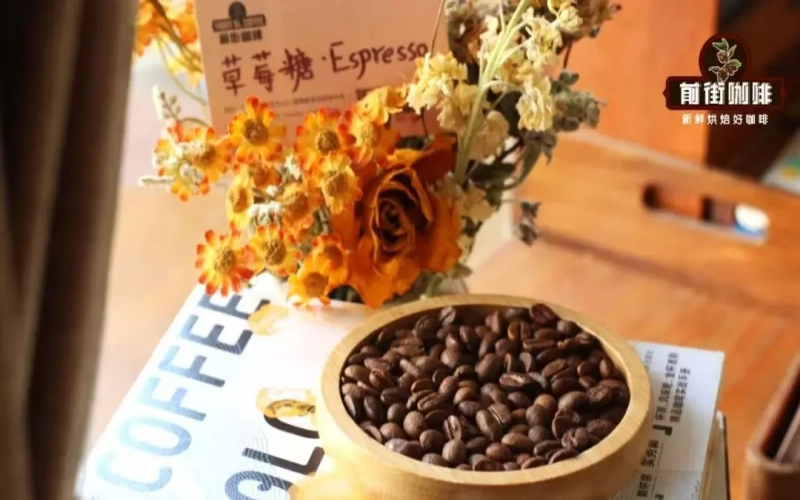
Can Espresso Beans Be Brewed as Pour-Over? A Full Analysis of Blend, Single-Origin, and SOE Characteristics and Brewing Parameters
Many coffee enthusiasts are curious: can espresso beans be used for pour-over? The answer is of course yes, but between "can brew" and "tastes good" lies a gulf of parameters. Espresso beans are usually roasted darker, with the aim of balancing the acidity and bitterness for both milk coffee and espresso. If you directly apply the parameters for light-roast pour-over beans, it is very easy to over-extract. This article starts with the differences in roasting, explains the respective characteristics of espresso blend beans, single-origin pour-over beans, and SOE, and, using Front Street Coffee's Huakui and Strawberry Candy Espresso as examples, provides pour-over adjustment plans for medium-roast espresso beans—lowering the water temperature and coarsening the grind—so as to brew a balanced, full-bodied coffee with a long, lingering finish. [more…]
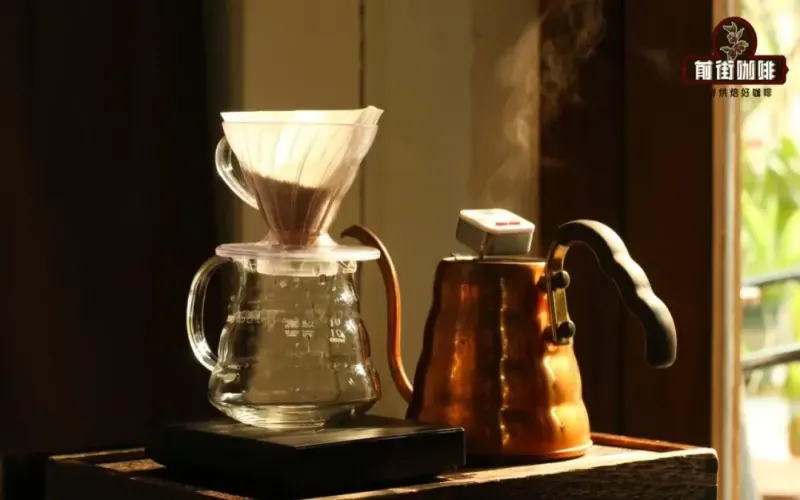
Can espresso blend beans be used for pour-over and cold brew? An analysis of grind size and water temperature parameters for dark roast coffee
Pour-over and espresso differ significantly in the texture of the final cup due to their different extraction methods and filtering devices—pour-over is cleaner, while espresso is richer and more full-bodied. This leads many people to try using espresso beans for pour-over, or pour-over beans for espresso. In reality, the two are simply different extraction methods, and there is no absolute boundary between the beans themselves. However, espresso beans are usually roasted darker, so when used for pour-over, the parameters need to be adjusted to reduce extraction efficiency and avoid over-extraction. This article will specifically explain how to set key parameters such as grind size, water temperature, and coffee-to-water ratio when using espresso blend beans to make pour-over and cold brew coffee, and will recommend several Front Street Coffee beans that work well for espresso, pour-over, and cold brew alike. [more…]
Interpreting Standard Espresso Extraction Parameters: A Detailed Guide to the Espresso-to-Milk Ratio in Latte
Although latte coffee is everywhere, actually making a delicious latte is not simple. Variables such as coffee bean flavor, milk quality, and extraction parameters all directly affect the final taste. This article will systematically sort out the extraction standards for espresso, analyzing the meaning and adjustment logic of extraction parameters one by one from six dimensions: dose, ratio, time, flow rate, pressure, and water temperature, while also exploring in depth the specific effects of factors such as coffee beans, grind size, and brew ratio on espresso flavor. On this basis, Front Street Coffee (FrontStreet Coffee) will also share the recommended matching ratio of espresso to milk in latte coffee, helping coffee lovers find a serving solution suitable for their own beans and milk. [more…]
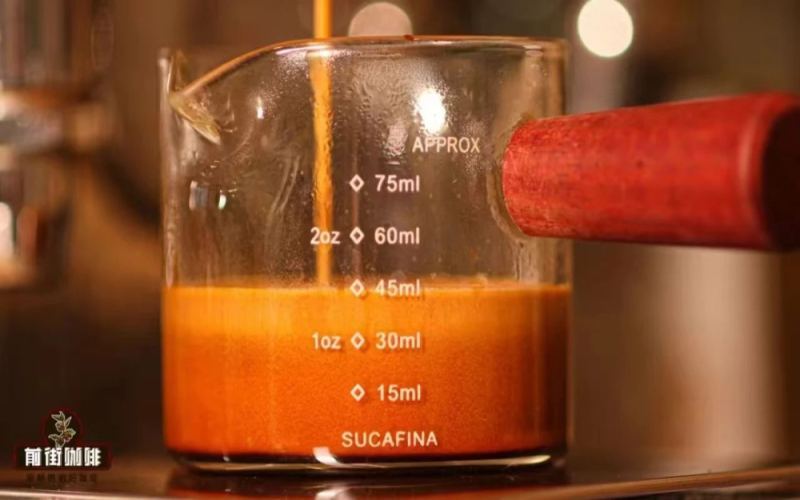
A Complete Analysis of Espresso Extraction: Parameter Control and Flavor Performance from Brew Ratio to Grind Size
Espresso, with its golden crema and rich, full-bodied flavor, has become a favorite among many coffee lovers. Unlike pour-over, it uses steam pressure to force hot water quickly through a puck of coffee grounds, extracting a concentrated liquid in a short time. Behind this seemingly simple operation, parameters such as dose, yield, time, and grind size all influence one another, and even a slight change can affect what ends up in the cup. This article will systematically outline the extraction principles of espresso, analyze the relationship between brew ratio, extraction time, and grind coarseness, and, using the examples of Front Street Coffee's Sunflower Warm Sun Blend and Classic Italian Blend, explain how to adjust parameters based on flavor feedback, helping you consistently make a delicious espresso at home. [more…]

Espresso Extraction Principles | How to Extract Espresso with a Semi-Automatic Coffee Machine? What Factors Affect Espresso Extraction Parameters?
For more specialty coffee knowledge, please follow our WeChat official account: FrontStreet Coffee. Front Street has noticed that many friends have fallen in love with espresso topped with golden crema and hope to make it at home as well. Compared with pour-over, espresso is made using steam pressure. [more…]
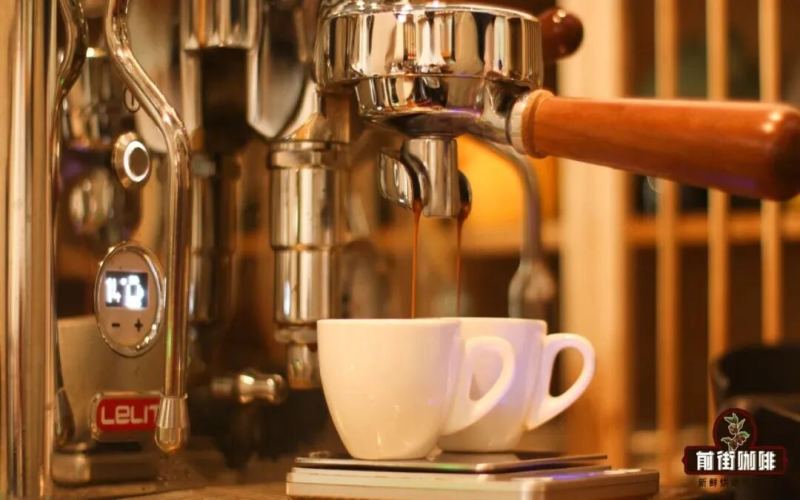
Espresso Preparation | Do Americano and Latte Require Different Parameters for Extracting Espresso? How Can Coffee Beginners Determine Espresso Extraction Parameters?
For friends who enjoy espresso, the purpose of adjusting parameters after startup is often not for the espresso itself, but to see whether the fancy coffee drinks made with it as a base actually taste good—for example, whether the Americano with added water is fragrant enough and whether it will be bitter, whether the latte paired with milk is strong enough, whether it is mellow, and so on. Therefore, espresso [more…]
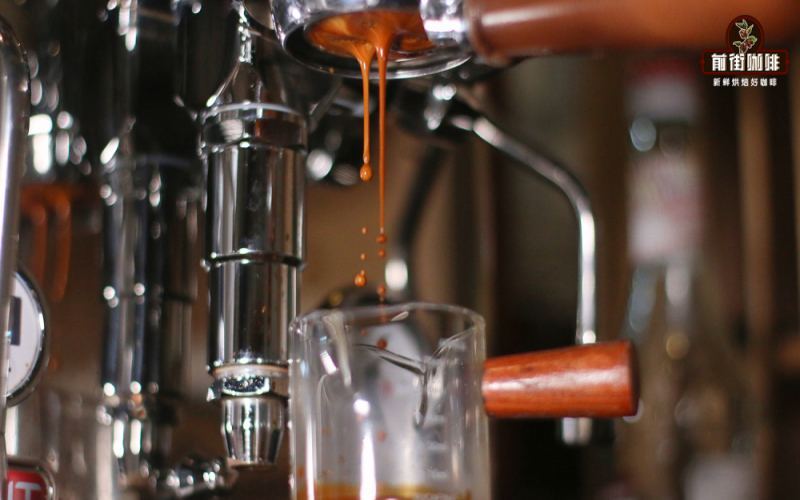
Espresso Blend Bean Selection and Espresso Extraction Parameter Adjustment: A Practical Analysis from Roast Level to Grind Dose
Espresso is a precious beverage that Italy has gifted to the world. It may seem to require only a few dozen seconds of extraction, yet behind it lies a precise coordination of a series of parameters including grind size, water temperature, dose, and liquid yield. Starting from the freshness and roast level of coffee beans, this article explains how different roast levels affect extraction stability, and introduces the flavor characteristics and suitable scenarios of several Front Street espresso blends. It then provides an in-depth analysis of how brew ratio, dose adjustment, grind coarseness, and humidity changes affect flow rate and flavor. Combined with real parameter-tuning cases from Front Street Coffee shops, it demonstrates how to achieve an ideal balance among aroma, acidity, and body through fine-tuning of dose and grind size. [more…]
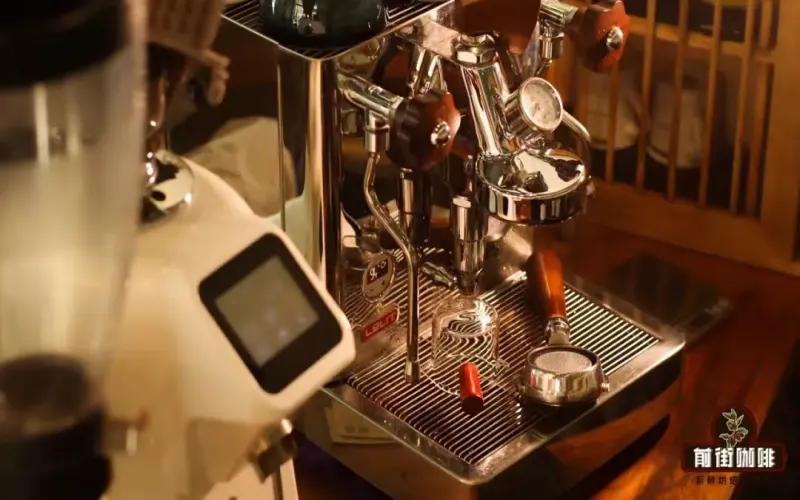
A Complete Guide to Espresso Extraction: Adjusting the Four Key Parameters of Dose, Grind, Brew Ratio, and Time
To make a well-balanced espresso at home, the key is to master a few core variables that affect extraction. Drawing on the practical experience of Front Street Coffee, this article systematically sorts out the relationships among the four main adjustable parameters—dose, grind size, brew ratio, and extraction time—to help readers understand how to decide which direction to adjust based on the taste the espresso presents. It also introduces the basic concept of the Golden Cup standard, explains why choosing a more stable espresso blend can improve the margin for error in home extraction, and lists four distinctive blends from the Front Street bean lineup for reference. [more…]
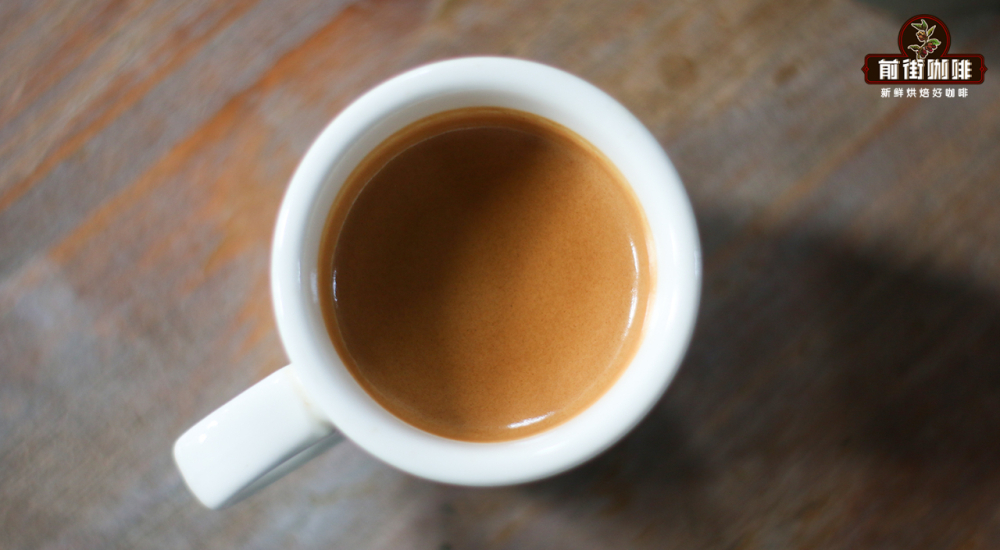
Espresso Making Steps | How Can Coffee Beginners Make Espresso at Home? What Factors Affect Espresso Flavor? Espresso Extraction Parameters Sharing
Although we rarely drink espresso on its own in daily life, making popular beverages like Americano, latte, or cappuccino would be impossible without a proper shot of espresso as the base. So in this article, Front Street Coffee will explain how to extract espresso well and what special features an espresso machine for making espresso has. [more…]
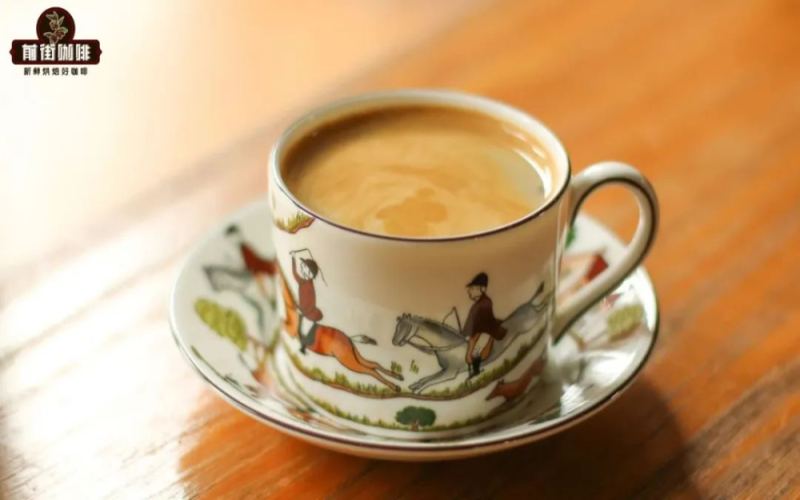
How to Set Espresso Extraction Parameters? Differences in Making Americano and Latte and Adjustment Approaches
Many coffee enthusiasts, when adjusting espresso parameters, don't really care about the espresso itself, but whether the americano or latte made from it tastes good. So, is it really necessary to use different extraction recipes for americano and latte? Starting from Front Street's hands-on experience, this article first goes over the basic logic and conservative formula of espresso extraction, then addresses the characteristics of americano and milk coffee separately, explaining how to adjust the coffee-to-water ratio to highlight each one's flavor strengths, so that every cup of fancy coffee can achieve the ideal taste performance. [more…]

The Complete Guide to Espresso Extraction: Time, Dose-to-Yield Ratio, and Daily Parameter Adjustment Techniques
Many coffee enthusiasts focus their attention on milk foam and latte art, but what truly determines whether a milk coffee tastes good is actually the extraction quality of the espresso. Drawing on the hands-on experience of Front Street Coffee, this article explains in detail why an espresso blend is chosen, why extraction parameters must be adjusted every day, and the complete steps from locking in the portafilter, flushing, drying, grinding, distributing, tamping, to extraction. The article also provides the specific parameters of the Lelit espresso machine used in Front Street's own stores, and shares how to judge whether extraction is up to standard by observing flow rate and tasting, making it suitable reading for baristas and seasoned enthusiasts who want to improve their espresso skills. [more…]
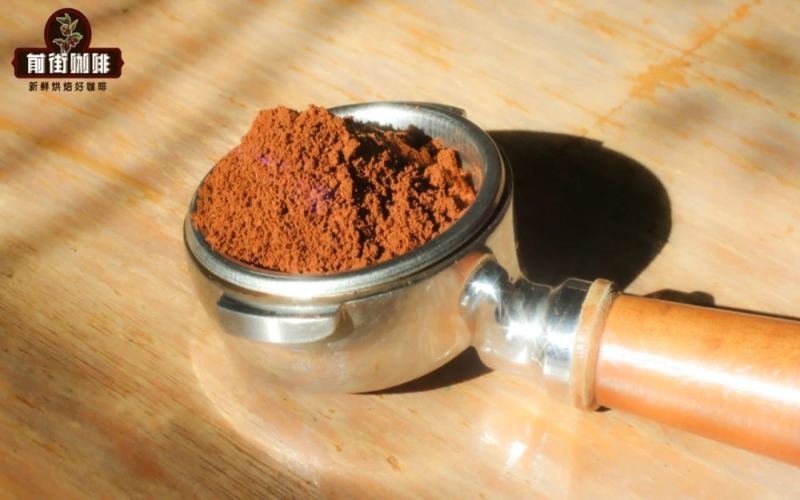
From Bean Selection to Extraction: A Practical Guide to Espresso Making Essentials and Parameter Adjustment
Espresso may seem like it only takes a few short seconds to make, but in reality it involves the precise coordination of multiple variables such as the coffee-to-water ratio, grind size, and extraction time. Drawing on Front Street Coffee's hands-on experience, this article systematically sorts out how the brew ratio affects flavor in espresso extraction, the logic behind adjusting flow rate and grind size, and the specific methods for daily parameter tuning. At the same time, for home brewing scenarios, it analyzes the differences in espresso extraction performance between light-roast single-origin beans and blend beans, and recommends Front Street Coffee's classic espresso blend. At the end, it also includes the steps for tasting espresso, helping enthusiasts fully experience the flavor layers of a cup of Espresso from the first sip to the finish. [more…]
Espresso Extraction Ratios and Grind Size Explained: Dose-to-Yield Ratio, Flow Rate Adjustment, and Front Street Practical Parameters
Espresso is a taste treasure Italy has gifted to the world—briefly extracted, yet it concentrates the very essence of coffee. To obtain a qualified Espresso, parameters such as grind size, water temperature, extraction time, and dose-to-yield ratio are all indispensable, among which the extraction ratio and grind coarseness are especially critical. This article will systematically explain the dose-to-yield ratio range for espresso, the influence of grind coarseness on flow rate and flavor, and how to respond to extraction changes by adjusting dose, grind setting, and yield weight. The article also includes the practical parameters from Front Street Coffee's store and the flavor performance of the "Front Street Sunflower Warm Sun Blend Coffee Beans" for coffee enthusiasts' reference. [more…]
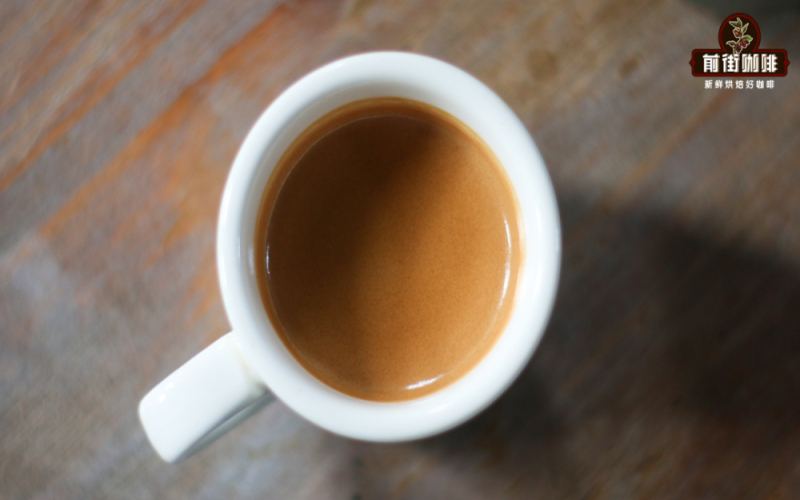
A Detailed Guide to the Espresso Extraction Workflow and Parameter Adjustment Methods
Espresso is the foundation for making popular coffee drinks such as Americano, latte, and cappuccino. This article provides a systematic explanation of the extraction principles of espresso, equipment characteristics, coffee bean selection, and practical operating steps, helping coffee enthusiasts master the key points for extracting a good shot of espresso. The article covers adjustment approaches for core parameters such as grind size, dose, extraction time, and liquid yield, while also introducing the standard daily production process at Front Street stores and the recommended "Sunflower Warm Sun Blend Coffee Beans," offering practical reference for home brewing and daily production. [more…]
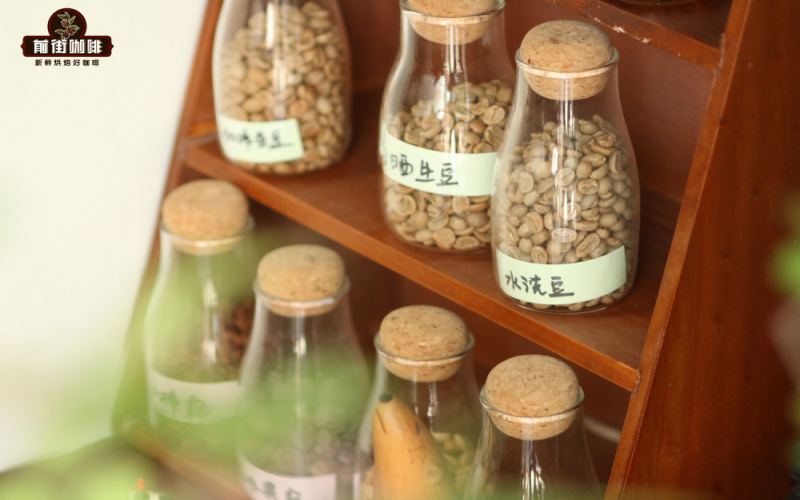
Can Espresso Blend Beans Be Used for Pour-Over? Key Tips and Parameters for Making Lattes with Single-Origin SOE
Coffee has long become part of daily life, an invigorating drink many people can't do without. From espresso to the seemingly refined pour-over, there are all sorts of ways to make it. Front Street often uses the Sunflower Warm Sun blend beans when producing espresso, and is often asked: can espresso blend beans be used for pour-over? How should you drink a latte made with a single-origin SOE? This article will start with the difference between single-origin beans and blend beans, explain why SOE can amplify the flavors of a growing region to the extreme, and also explain why espresso favors blends, along with the specific parameters and brewing steps for Front Street's Warm Sun blend pour-over, helping you both understand the principles and get hands-on. [more…]
SOE Single-Origin Espresso vs. Blended Espresso: Brewing Parameters, Flavor Profile, and Preparation Explained
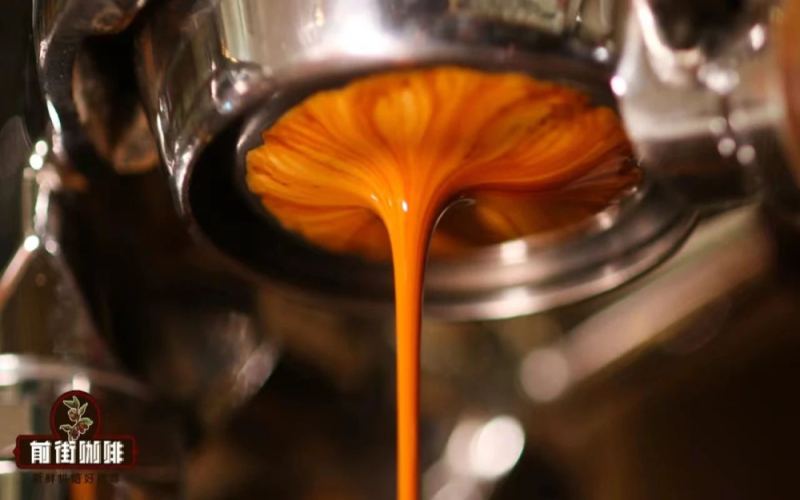
In specialty coffee drinks, espresso is the foundation that determines flavor. In recent years, SOE (Single Origin Espresso) made from single-origin coffee beans has gradually become popular. It differs noticeably from traditional blended espresso in bean selection, roast level, extraction parameters, and flavor expression. This article will start from the definition of SOE, compare the characteristics of blended coffee beans, analyze why SOE has become popular, and use the washed Front Street Gedingding beans from Ethiopia's Yirgacheffe region as an example to fully demonstrate the production process and extraction parameters of a cup of SOE espresso, while also providing a flavor description to help coffee enthusiasts fully understand this brewing method. [more…]
A Detailed Guide to Espresso Dose and Yield Ratios and Extraction Parameters: A Practical Guide from Brew Ratios to Flavor Adjustment
Behind the golden crema of an espresso lies a precise balance among dose, yield, time, and grind size. Many coffee enthusiasts want to recreate an ideal espresso at home, yet are often troubled by the flavor fluctuations caused by changes in parameters. This article starts from the calculation logic of the coffee-to-water ratio, systematically sorts out the mutual influences among extraction time, grind coarseness, and dose adjustment, and, combined with actual operating cases from Front Street Coffee stores, shows how to correct the extraction direction by observing flow rate and tasting perception. Whether you use a semi-automatic or fully automatic espresso machine, understanding the relationships among these variables can help you more efficiently dial in an espresso with rich vinous notes and thick crema. [more…]
A Detailed Guide to Espresso Coffee Powder-to-Water Ratio: From the Standard 1:2 to Flexible Adjustment Techniques for Extraction Parameters
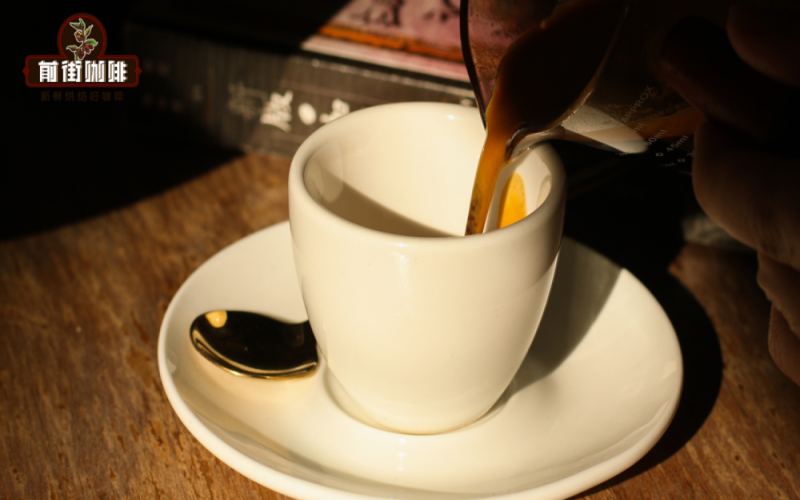
The brew ratio of espresso is one of the key factors determining its flavor expression. The standard ratio is usually 1:2, meaning a single shot uses 9 grams of coffee to extract 18 grams of liquid, while a double shot uses 18 grams of coffee to extract 36 grams of liquid. However, in actual production, fine-tuning based on taste is still necessary. Starting from the definition of espresso, this article will provide a detailed analysis of its taste characteristics, the correct way to drink it, and the adjustment logic of core extraction parameters such as dose, liquid weight, and grind size. At the same time, drawing on the hands-on experience of Front Street Coffee stores, it will share how to quickly dial in a balanced and delicious espresso through flexible variable control. [more…]
What Italian-style coffee beans should you choose for opening a coffee shop? A detailed explanation of the four major parameters in espresso extraction: dose, grind, ratio, and time
To make a delicious espresso at home or in a café, the key lies in understanding how the extraction parameters work together. Drawing on the practical experience of Front Street Coffee, this article systematically breaks down the four main adjustable variables that affect espresso flavor—dose, grind size, extraction time, and brew ratio—and explains how to determine the direction of adjustment based on flavor performance. It also introduces four blend beans suitable for opening a coffee shop or for home espresso machines, including Commercial Blend, Dark Cocoa Blend, Specialty Blend, and Sunflower Warm Sun Blend, helping you find the right output solution for different positioning. [more…]
The Key to Extracting the Ideal Espresso: A Complete Operational Analysis from Blend Bean Selection to Parameter Adjustment
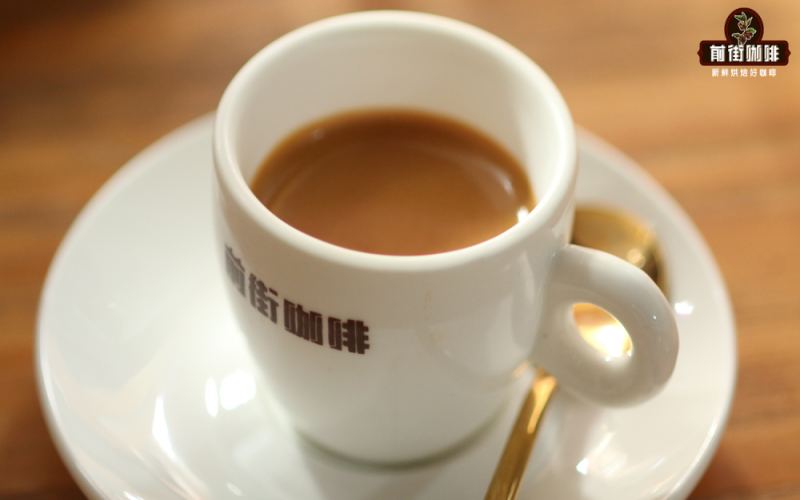
Many people think that the hardest part of making espresso is steaming milk and doing latte art, but what really determines whether a milk coffee tastes good is actually the extraction quality of the espresso. In this article, Front Street Coffee systematically sorts out the entire process of making an ideal espresso: from why to choose a blend rather than a single-origin bean, to the necessity of daily parameter adjustments, and then to the operational details and common pitfalls of each step such as distribution, tamping, and extraction. The article also shares the flavor performance of Front Street’s own Warm Sun Blend, as well as reference extraction parameters for the Lelit coffee machine, helping coffee enthusiasts find their own stable output solution through practice. [more…]