







How Do Ratios Shape Cafe Americano Coffee and Espresso?
Espresso takes only a few dozen seconds, yet the flavor hinges on coordinating the coffee-to-water ratio, grind size and extraction time. Changing the brew ratio shifts taste direction, viscosity and body, so a timer scale stays on the bar during preparation. Home brewers working with light-roasted single-origin beans and blends see different extraction behavior, which is why daily parameter tuning matters more than one fixed recipe.
Historically, Italian cafes relied on dark-roasted beans with a share of oily Robusta and judged the end of the shot by eye as the crema shifted from dark brown to golden to pale yellow. Modern practice weighs the dose and yield instead. Tasting from the first sip to the aftertaste shows whether the ratio, grind and flow rate are balanced, and the same logic guides a cafe americano ratio.
Espresso may seem like it only takes a few dozen seconds to make, but in reality it involves the precise coordination of multiple variables such as the coffee-to-water ratio, grind size, and extraction time. Drawing on the hands-on experience of Front Street Coffee, this article systematically examines how the brew ratio affects flavor in espresso extraction, the logic behind adjusting flow rate and grind size, and the specific methods for daily parameter tuning. It also analyzes, for home brewing scenarios, the differences in espresso extraction performance between light-roasted single-origin beans and blend beans, and recommends Front Street's classic espresso blend. At the end, it includes the steps for tasting espresso, helping enthusiasts experience the full flavor layers of a cup of Espresso from the first sip to the lingering aftertaste.
For more specialty coffee knowledge, please follow: Front Street Coffee (Frontsteet Coffee)
Watching a barista pull an espresso, the whole process looks clean and efficient, as if a rich coffee base could be served in under two minutes. But in reality, a qualified espresso depends on the precise ratio and coordination among various parameters to present an ideal flavor performance, and mastering these ratios often requires repeated practice and accumulation.
How does the coffee-to-water ratio affect extraction?
The extraction principle of espresso is to use steam pressure to quickly push hot water through the coffee bed, thereby obtaining a highly concentrated coffee liquid in a short time. The final taste of the coffee is closely related to the various parameters during brewing. The setting of the brew ratio directly affects the coffee's taste direction, viscosity, and body, so a timer scale is essential in the preparation process.
In the early days, most cafes in Italy used dark-roasted beans and mixed in a certain proportion of Robusta varieties with higher oil content; the finished product usually carried intense caramel and dark chocolate notes. Baristas at the time did not weigh anything, but relied on visually observing the color change of the espresso crema to judge when to stop the flow. When it first flowed out, the liquid was dark brown and thick, then gradually turned golden yellow, and then transitioned to light yellow. Usually, when the crema began to whiten, it meant the extraction should end.
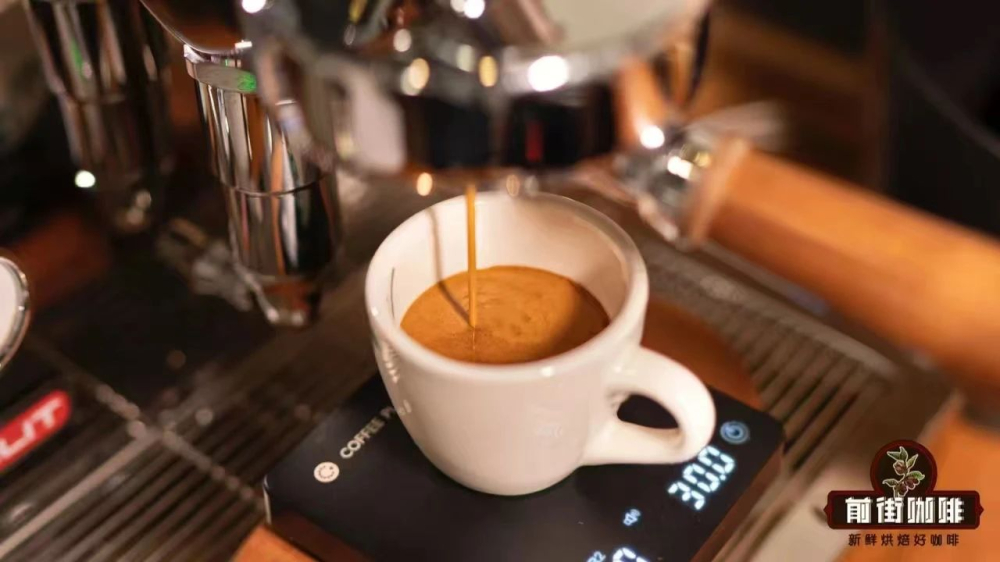
After the rise of the specialty coffee wave, more and more practitioners turned to higher-quality light-roasted beans to showcase the unique flavors of their origins. The industry's standards for espresso extraction also became more refined, summarizing a concentration range acceptable to most people and more stable extraction data, and the brew ratio gradually converged into a relatively fixed reference range. Generally, the extraction time is controlled at 25 to 30 seconds, and the brew ratio is between 1:1.5 and 1:2.5, with 1:2 being the most common, but in actual operation it still needs to be flexibly adjusted according to the serving needs. For example, to make Americanos and lattes thicker in mouthfeel and fuller in flavor, Front Street uses 20 grams of coffee grounds to extract 36 grams of coffee liquid in its daily store operations.
Through repeated testing, Front Street found that, with the dose unchanged, the more liquid extracted, the lower the concentration of the espresso, while the extraction yield rises accordingly, more flavor substances from the later stage are dissolved out, the body decreases, and it is more prone to bitterness due to over-extraction. Conversely, if the brew ratio is too small, although the coffee's body is stronger, the flavor presentation is incomplete and it will have a noticeably sharp acidity due to under-extraction.
So Front Street's suggestion is to start with a 1:2 ratio when dialing in, and then make slight upward or downward adjustments based on the actual taste of the espresso.
What other factors affect the taste of espresso?
Although the brew ratio is certainly the core variable, the final quality of a cup of espresso is also constrained by many other conditions, such as the variety of coffee beans chosen, freshness, water quality, grind size, extraction temperature, and extraction time, all of which are interrelated.
Take the house-roasted "Sunflower Warm Sun Blend" used in Front Street's stores as an example. The ideal espresso should show whiskey aroma, vanilla, cream, and berry-like acidity, with rich flavor layers and a round, soft mouthfeel. When adjusting espresso output, the baristas at Front Street Coffee (FrontStreet Coffee) usually start with four dimensions: dose, liquid weight, time, and grind size.
In daily operation, Front Street extracts according to the parameters from the previous day and judges the current state by observing the flow rate of the espresso. Flow rate refers to the amount of coffee liquid extracted per unit of time. If it takes less than 25 seconds to extract 40 grams of coffee liquid, the flow rate is too fast, and the dose can be increased to extend the extraction time. If the time exceeds 30 seconds, the flow rate is too slow, possibly because the dose is too large, and appropriately reducing the dose can increase the flow rate.
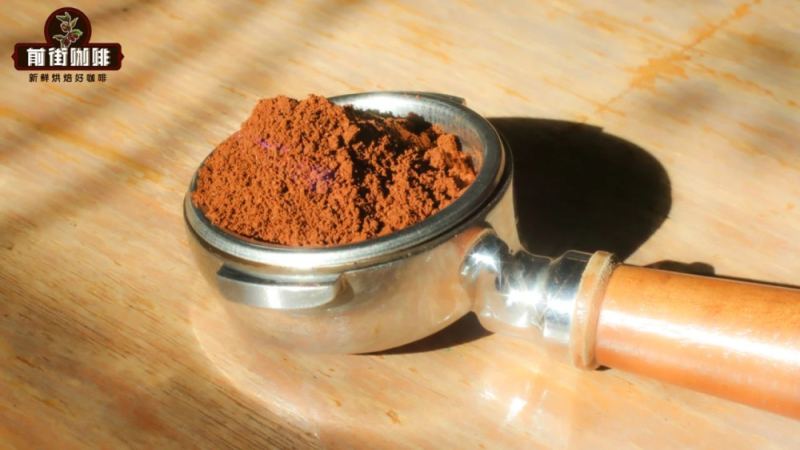
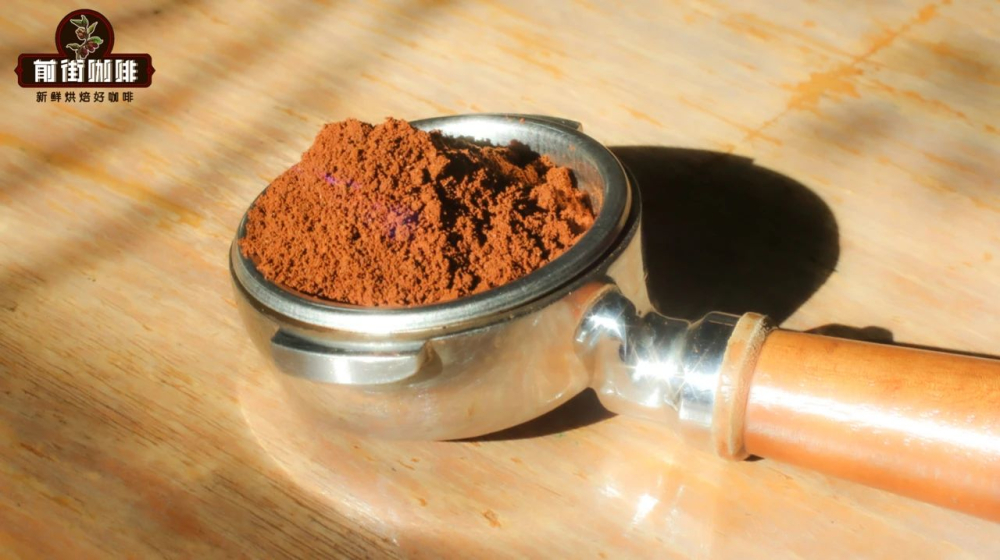
The coarseness of the grind is usually directly reflected in the extraction flow rate. A fast flow rate and short time mean the grind is too coarse, and the coffee grounds need to be ground finer; a slow flow rate, coffee liquid that drips out slowly, and prolonged extraction time indicate the grind is too fine, and the coffee grounds should be made coarser. The grind size needs to be controlled within a suitable range: particles that are too coarse easily lead to under-extraction, with thin, acidic coffee flavor; particles that are too fine easily lead to over-extraction, with a bitter taste. When the espresso flow rate is within a reasonable range, Front Street directly judges whether the coffee meets the standard by tasting; if the flavor is normal, the dial-in is complete.
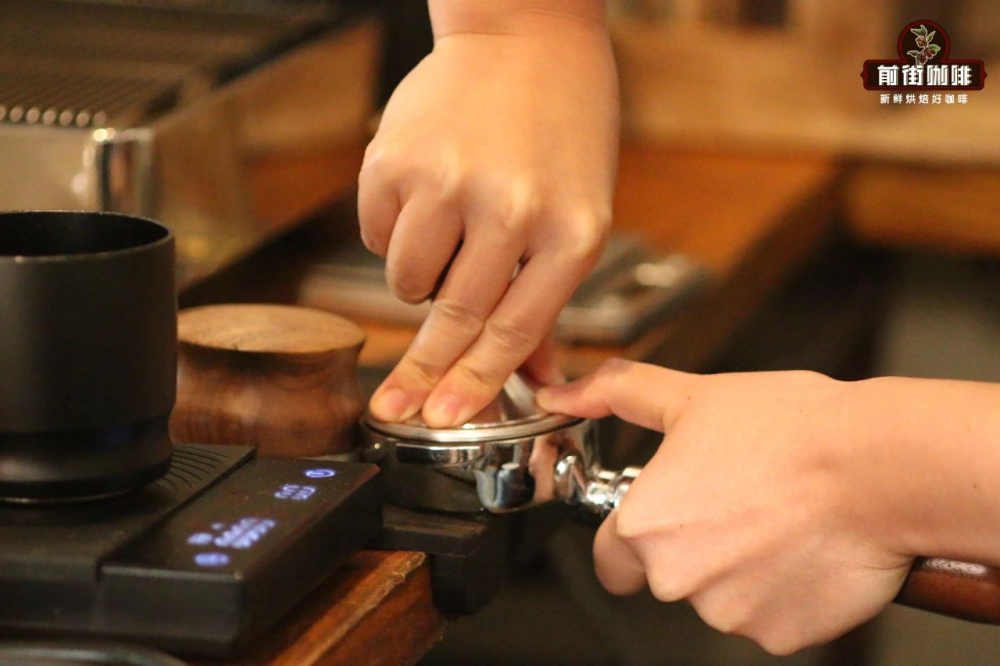
Because the fineness of espresso grinding is far higher than that of brewing methods such as pour-over, adjustments should not be too large at one time, otherwise excessive changes will make extraction more unstable. Front Street's adjustments are for daily store output and are based on accumulated experience over time. If you brew at home less frequently and find it harder to judge, Front Street suggests keeping records and summarizing the correspondence between extraction parameters and flavor performance, so you can make adjustments faster and reduce unnecessary waste.
Espresso coffee bean recommendation
Many friends choose light-roasted single-origin beans when making espresso at home, hoping to extract rich layers like in pour-over.
However, espresso extraction is carried out under extremely fine grinding, high water temperature, and high pressure. Espresso brings together multiple tastes, and various flavor compounds are amplified exponentially to hit the taste buds. Therefore, if light-roasted beans are used for espresso, the elegant and sweet fruity notes expressed in pour-over may very likely become sharp, intense acidity in Espresso; the mellow mouthfeel in pour-over may turn into burnt bitterness in espresso. Coffee is ultimately an agricultural product and will vary due to changes in climate, soil, and other factors. Even from the same origin, different batches will have different flavors. Blended beans, by complementing each other's strengths, can make every batch of coffee beans present a balanced and stable aroma and mouthfeel.
Here at Front Street, we recommend the house-roasted Front Street Classic Espresso Blend. The recipe is composed of three origins: Brazil, Indonesia, and Vietnam. It uses a deep roast, which can maximize the release of the coffee's mellow aroma and also makes it easy to extract rich, dense crema. Whether making an Americano diluted with water or a latte paired with milk, it is very suitable. It can be purchased and ordered at the Front Street Taobao store or the Front Street Tmall flagship store.
A freshly made espresso will be covered with a thick, dense golden foam on the surface. This is crema. It is the result of carbon dioxide produced by freshly roasted coffee beans foaming under the high-pressure environment of the espresso machine. In order for customers to taste full coffee aroma and enjoy it within the best flavor period, Front Street only ships coffee beans within 5 days after roasting.
How do you elegantly drink a cup of espresso?
If you often drink espresso, you may have noticed that when a staff member serves Espresso, they always bring a glass of ice water along with it. What is the reason for this?
1. Espresso is usually served together with ice water, because espresso is small in volume and strong in taste, and the ice water is meant to clean the palate and awaken the taste buds before drinking. Before drinking, take a sip of ice water to rinse your mouth, making the mouth cleaner, so you can better feel the flavor of the espresso.
2. Then use the spoon provided to stir the espresso. The liquid at the bottom of the espresso is more viscous, while the surface layer is relatively thinner. Stirring evenly allows for a more complete tasting. Of course, you can also choose not to stir, to experience different mouthfeels and layer changes.
3. Then drink the espresso in three to four sips, rubbing your tongue against the roof of your mouth to feel the texture, using the sides of your tongue to capture acidity, and integrating various senses to evaluate the overall state.
4. After drinking, close your mouth and exhale to feel the aroma of the espresso and the lingering aftertaste remaining in your mouth.
5. Finally, take a sip of clear water to rinse your mouth and experience the coffee's sweetness.
However, espresso is ultimately just a beverage. There is no need to be bound by a fixed way of drinking it; enjoying it however you like is perfectly fine.
The above content is compiled by CoffeeHunters, a coffee news website.


