







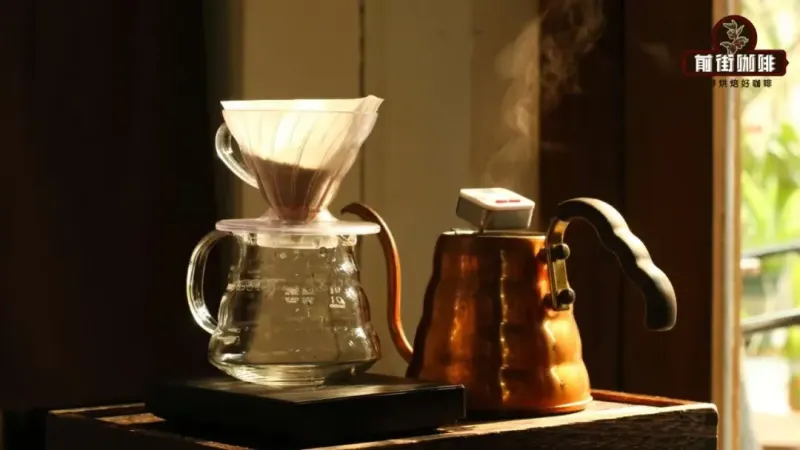
Can dark roast espresso blends work for pour-over coffee?
Yes, espresso blend beans can be used for pour-over and cold brew. Pour-over and espresso are simply two different extraction methods, and there is no absolute boundary between the beans themselves. The catch is roast level: espresso blends are usually roasted darker to lower acidity and reduce conflict with milk flavors, so when they are brewed as pour-over, parameters must be adjusted to lower extraction efficiency and avoid over-extraction.
Front Street Coffee details how to set the key parameters: grind size, water temperature, and coffee-to-water ratio all need adjustment when darker-roasted beans go into a pour-over or cold brew. The aim is to lower extraction efficiency and keep the coffee from over-extracting. Several Front Street Coffee beans are also recommended as versatile choices that work for espresso, pour-over, and cold brew alike.
Pour-over and espresso differ in extraction method and filtration equipment, resulting in noticeably different textures in the final cup—pour-over is cleaner, while espresso is richer and more full-bodied. Many people therefore want to try using espresso beans for pour-over, or pour-over beans for espresso. In reality, the two are just different extraction methods, and there is no absolute boundary between the beans themselves. However, espresso beans are usually roasted darker, so when used for pour-over, parameters need to be adjusted to lower extraction efficiency and avoid over-extraction. This article will explain in detail how to set key parameters such as grind size, water temperature, and coffee-to-water ratio when making pour-over and cold brew coffee with espresso blend beans, and recommend several Front Street Coffee beans that work well for espresso, pour-over, and cold brew alike.
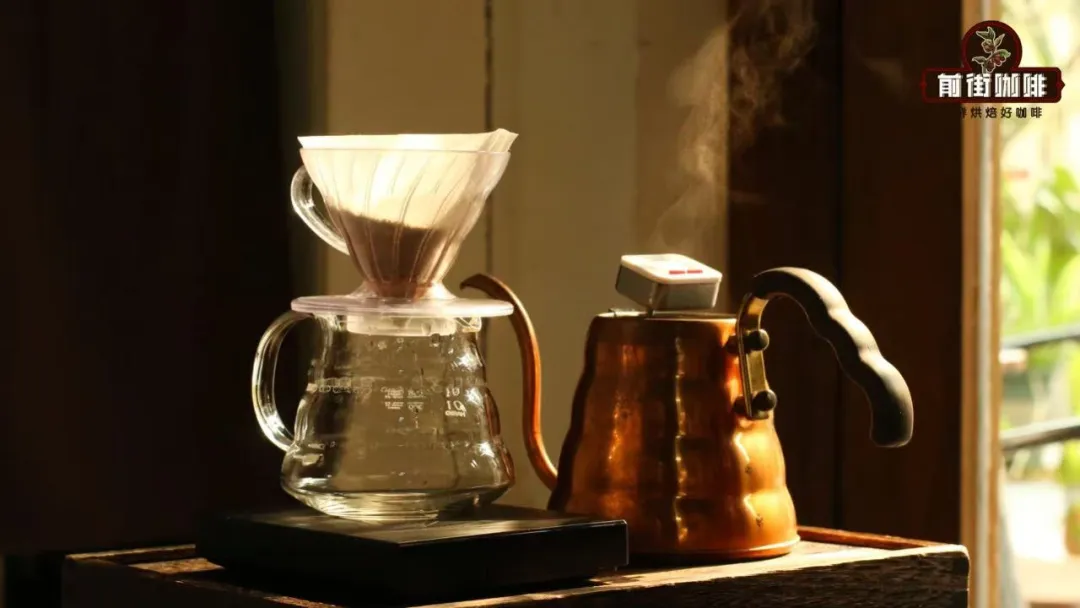
It is widely understood that pour-over coffee and espresso differ in extraction technique and filtration equipment, resulting in different mouthfeel and texture in the final cup. For example, pour-over tends to be cleaner, while espresso tends toward richness. Because of this, many friends have the idea of using pour-over beans to make espresso, or conversely, using espresso beans for pour-over.
This attempt is of course feasible. After all, pour-over and espresso are simply two different extraction paths, and the so-called pour-over beans or espresso beans merely perform better under a certain brewing method. So we can absolutely use single-origin pour-over beans to make espresso, and we can also use espresso blend beans for pour-over.
However, as Front Street Coffee mentioned in the article "How to Use Pour-Over Geisha Beans to Make Espresso," since espresso beans and pour-over beans often differ in roast level, once the two differ significantly in roast degree, extraction parameters need to be adjusted accordingly during preparation to avoid negative extraction results.
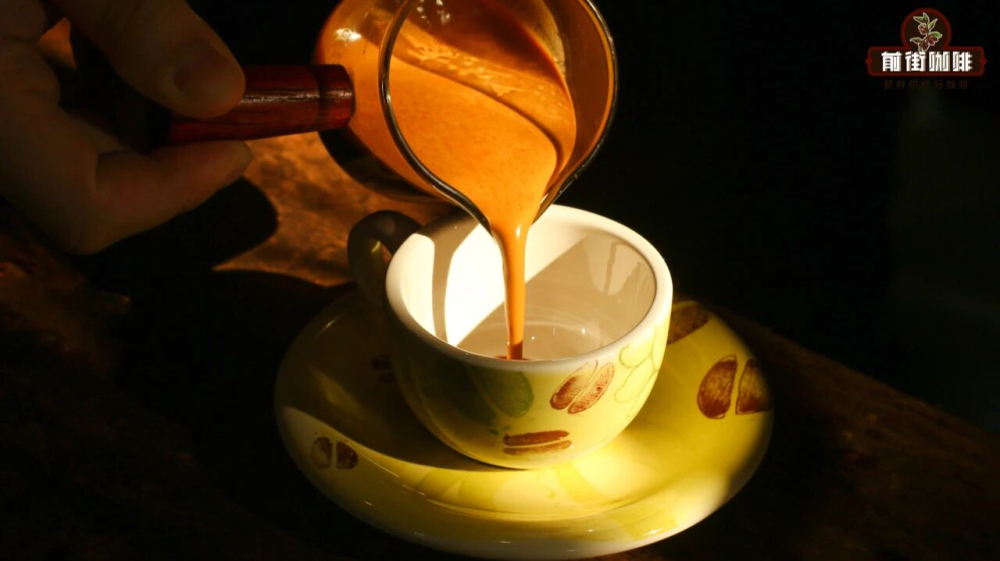
In previous posts, Front Street Coffee has already shared the key points for using single-origin pour-over beans for espresso. So today we will discuss—what should we pay attention to when using espresso beans to make pour-over coffee?
What do we need to pay attention to when using espresso beans to make pour-over coffee?
Generally speaking, because espresso is often involved in making milk coffee, the beans used tend to be roasted darker, with the aim of lowering acidity and reducing conflict with milk flavors; whereas pour-over coffee is more about tasting the coffee's own flavors, so except for a few exceptions, most pour-over beans are roasted lighter.
If your situation is similar to Front Street Coffee's—that is, espresso beans are roasted darker and pour-over beans are roasted lighter—then when using dark-roasted espresso beans for pour-over, you should try to reduce extraction efficiency and lower the risk of over-extraction. How exactly should this be done?
The method is actually not complicated: coarsening the grind, lowering the water temperature, and shortening the extraction time are all viable strategies. But based on Front Street Coffee's experience, it is more recommended to prioritize grind size and water temperature, because these two variables have a particularly noticeable impact on the extraction result.
Front Street Coffee's Tmall and Taobao flagship store has several coffee beans that can handle multiple uses. If you prefer high sweetness, you can try Front Street Coffee Strawberry Candy espresso blend, which is blended from coffee beans from three regions: Costa Rica, Colombia, and Ethiopia. The roast level is medium-dark, but in addition to traditional medium-dark flavors like nuts and cream, it also has abundant floral and fruity aromas, making it a blend bean suitable for espresso as well as pour-over and cold brew.
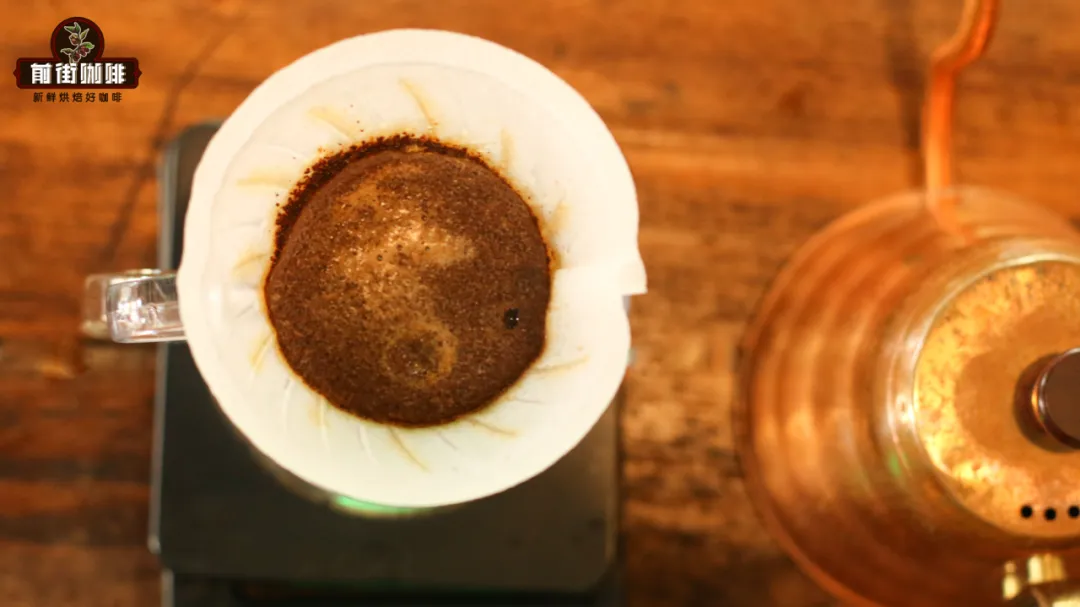
If you prefer a refreshing floral profile, you can choose Front Street Coffee Huakui SOE, Front Street Coffee Blackberry, or Front Street Coffee Mozart, all of which can satisfy multiple preparation methods including espresso machines, moka pots, cold brew, and pour-over.
When Front Street Coffee uses this bean to make pour-over, it uses a coarser grind and lower water temperature, with the aim of reducing the risk of over-extraction. The specific parameters are as follows:
Dose 15g, coffee-to-water ratio 1:15, grind size controlled at 70%~75% passing through a No. 20 sieve, brewing water temperature 88°C, paired with a Kono dripper, pouring method as three-stage pouring, extraction time about 2 minutes.
The pouring process is the same as usual, so Front Street Coffee will skip it here. The Front Street Coffee Strawberry Candy brewed with the above parameters has prominent sweetness and distinct flavors; you can clearly perceive strawberry gummy, white floral notes, as well as layers of butter cookie, chocolate, and a slight berry note. The mouthfeel is rich, and the sweet aftertaste is also excellent.
If using it to make cold brew coffee, the grind size can remain the same, and the coffee-to-water ratio can be adjusted to 1:12; if you plan to drink it over ice afterward, Front Street Coffee recommends increasing the coffee-to-water ratio to 1:10. Control the steeping time at 8~12 hours, then after filtering, pour it into a sealed bottle and refrigerate to ferment for more than 4 hours.
The cold brew coffee made this way tastes rich and full-bodied, yet the mouthfeel is very soft, with both flavor and sweetness standing out—quite delicious.
The above content is compiled by CoffeeHunters, a coffee news website.


