







Search Results for: environmental controversy

Starbucks Tumbler Production Process Raises Environmental Concerns, Greenwashing Controversy and Lid Plastic Issues Draw Attention Again
Starbucks has long presented itself as environmentally friendly, from coffee-ground straws to the global expansion of its "Greener Stores," earning recognition from many environmentalists. However, a recent TikTok video showed a barista first making a drink in a disposable plastic cup before pouring it into a customer's own glass cup and then throwing the plastic cup away, sparking accusations of "greenwashing." In fact, this is not the first time Starbucks has been questioned over its environmental measures: the strawless lids introduced in 2018 were criticized for using more plastic, and the deposit and recycling issues surrounding reusable cups have also been highly controversial. This article will outline the course of the incident and the responses from various parties, and review the many controversies in Starbucks' environmental marketing, to help you understand the true situation of this coffee giant on the road to sustainable development. [more…]
The oat milk coffee craze fades: cafes turn away, Oatly's cumulative losses exceed 4.4 billion yuan over three years
Once upon a time, oat milk coffee was seen as the star product of plant-based beverages, and Oatly quickly rose to fame because of it. However, as the market environment changes and consumer enthusiasm wanes, the status of oat milk in coffee shops is quietly declining. This article sorts out the reasons behind Oatly's cumulative losses of more than US$641 million (about RMB 4.41 billion) from 2019 to 2022: over-reliance on the B2B market, the impact of the pandemic, weak expansion into the consumer market, and a series of controversial marketing moves. At the same time, the article also explores the health controversy surrounding plant milk and future strategies for the Asian market. To follow developments in the coffee industry, you are welcome to add Front Street Coffee's private WeChat (WeChat ID: qjcoffeex) for more specialty coffee bean information. [more…]
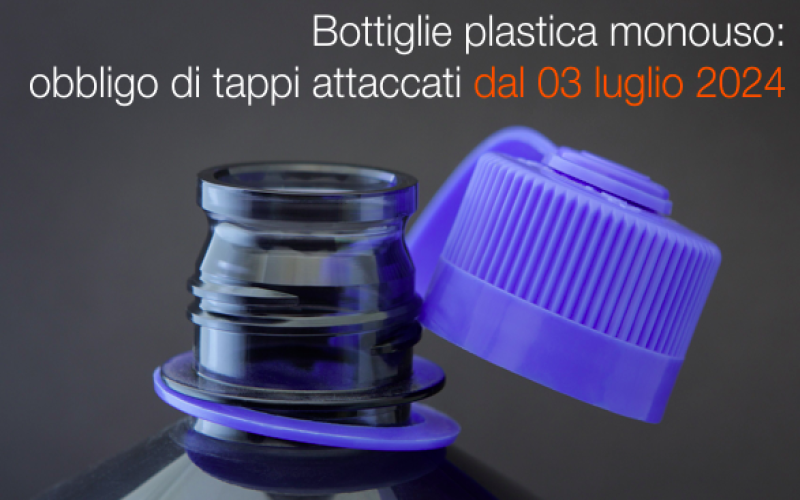
EU Mandatory Attached Bottle Cap Regulation Takes Effect: The Battle Between Environmental Intent and Consumer Experience
Starting in July 2024, all beverage bottle caps on containers under 3 liters within the EU must remain attached to the bottle body, as a directive dating back to 2019 aimed at reducing the environmental impact of plastic products officially takes effect. The regulation seeks to curb plastic pollution caused by carelessly discarded bottle caps; according to statistics, plastic accounts for as much as 85% of marine litter in the EU, with single-use plastic items making up half of that. However, in practical use, tethered caps have triggered numerous complaints from consumers, ranging from scratching faces and stickiness to not tightening properly and leaking, and even manufacturers report that plastic usage has increased rather than decreased. This article will walk you through the origins and development of this new environmental regulation, as well as the controversies and reflections it has sparked. [more…]

%Arabica stores switch cold drinks to paper cup packaging: the battle between environmental intentions and consumer experience
Recently, many consumers have noticed that cold drinks at %Arabica stores are now served in kraft paper cups instead of the plastic takeaway cups used previously. According to reports, this change has been gradually implemented since last year, with stores switching to paper cups uniformly after depleting their plastic cup inventory. What was originally thought to be a temporary measure taken only in response to Hong Kong's plastic ban now appears to have expanded to more regions. However, the use of paper cups for cold drinks has raised widespread concerns among customers, including condensation on the cup walls, the cup becoming soft, the papery taste affecting the flavor, and the impact on the visual appeal for photos. At the same time, store staff are also facing challenges with efficiency in serving drinks. How to balance environmental principles with the consumer experience has become the core controversy of this packaging overhaul. [more…]

Manner's Bring-Your-Own-Cup Policy Sparks Controversy: Whether Plastic Bubble Tea Cups Qualify for Discount Becomes the Focus
Manner Coffee's bring-your-own-cup discount has always been a highlight attracting consumers, and many customers, in order to save 5 yuan, are used to bringing their own cups to buy coffee every day. However, recently a customer was refused by a barista when using a Nai Xue limited-edition milk tea cup, while on social media someone succeeded in buying with the same type of cup, raising questions about inconsistent enforcement standards across Manner stores. At the same time, whether plastic takeaway cups can be used as bring-your-own cups has also become a hot topic of discussion. This article will sort through the course of events, the differences in plastic materials, and the views of various parties, and bring related recommendations from the Front Street brand. [more…]

Ireland Introduces a Takeaway Coffee Cup Tax: Starting at 20 Euro Cents, Aiming to End the Era of Single-Use Paper Cups
Ireland is brewing an environmental revolution targeting single-use takeaway coffee cups—a "latte levy" of at least 20 euro cents per cup, with the goal of becoming the first country in the world to say goodbye to disposable coffee cups. The president has signed the relevant bill, which is expected to take effect before the end of the year. Drawing on the success of the plastic bag levy introduced in 2002, the Irish government hopes to use economic measures to encourage consumers to bring their own cups. However, the reality of 200 million coffee cups discarded each year and opposition from nearly two-thirds of the public make this policy highly controversial. This article will sort out the details of the bill, the logic behind the levy, and public feedback, and will also include channels for coffee industry news. [more…]
Starbucks Ends Fair Trade Certification Partnership, Marking a Major Shift in Coffee Ethical Sourcing Standards
Starbucks has announced it will not renew its contract with Fairtrade, meaning coffee sold in its global stores will no longer carry the Fairtrade certification label. This decision has raised questions about its commitment to ethical sourcing. Starbucks says it will instead rely on the C.A.F.E. Practices standard, developed jointly with Conservation International and independently audited by the third-party organization SCS Global Services. However, many groups worry that without Fairtrade's independent oversight, the C.A.F.E. standard may not truly safeguard coffee farmers' rights on core issues such as minimum purchase prices and sourcing from smallholder cooperatives. This article reviews the history of Starbucks' partnership with Fairtrade, the origins and controversies of C.A.F.E. Practices, and Starbucks' past reversals on its ethical sourcing stance, offering coffee lovers a full picture of this event. [more…]
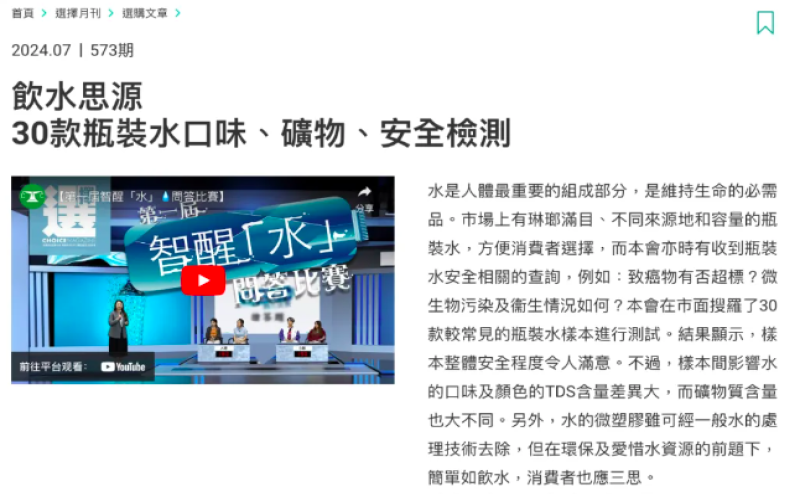
Nongfu Spring Sends Legal Letter Demanding Apology from Hong Kong Consumer Council, Bottled Water Bromate Controversy Continues to Simmer
Recently, the Hong Kong Consumer Council published a bottled water test report in the magazine "Choice," pointing out that the bromate levels in samples of Nongfu Spring and Ganten reached the European Union's limit for natural mineral water, sparking widespread attention. Nongfu Spring immediately commissioned a lawyer to send a legal letter to the Consumer Council, demanding written clarification, an apology, and the elimination of the impact; Ganten also stated that it had made representations through its legal department and emphasized that its product was at the critical value of the EU standard rather than exceeding it. The China Beverage Industry Association said it would issue a response later. The Consumer Council reiterated that none of the 30 samples were found to contain harmful substances exceeding WHO guidelines, and that the article focused on value for money and the environmental impact of plastic bottles, and that all samples could be safely consumed. [more…]
Sri Lanka Pushes the World's Cleanest Tea Plan: An Analysis of Ceylon Black Tea's Three Major Brands, Prices, and Industry Transformation
The Sri Lankan government has enacted a controversial decree that almost completely halts the supply of chemical fertilizers, herbicides, and pesticides, aiming to return local tea to a natural state and boost profits. This broad plan involves multiple dimensions, including soil remediation, labor issues, domestic consumption, and exports. Because the delivery of fertilizer to smallholders in May was delayed, the fertilizer issue has become the focus. Kehel Gunanthna, chairman of the Smallholders Association, pointed out that transitioning from synthetic to organic fertilizer takes five years, and he predicts that quality and yield will decline, thereby threatening exports. Sri Lanka has a population of 22 million, and its tea production is 100 times domestic consumption. Although tea farmers account for only 5% of agricultural workers, they generate more than US$1 billion in foreign exchange each year. Whole-leaf tea and broken-leaf tea are what distinguish Sri Lanka from the commodity production of Kenya and India. Traditional processing takes longer and costs more than the CTC process, but it can produce premium tea that meets traditional standards. Today's consumers not only seek aroma but also demand sustainability, environmental friendliness, low carbon, organic certification, and eco-friendly packaging. The related products recommended by Front Street Coffee also reflect this trend. [more…]
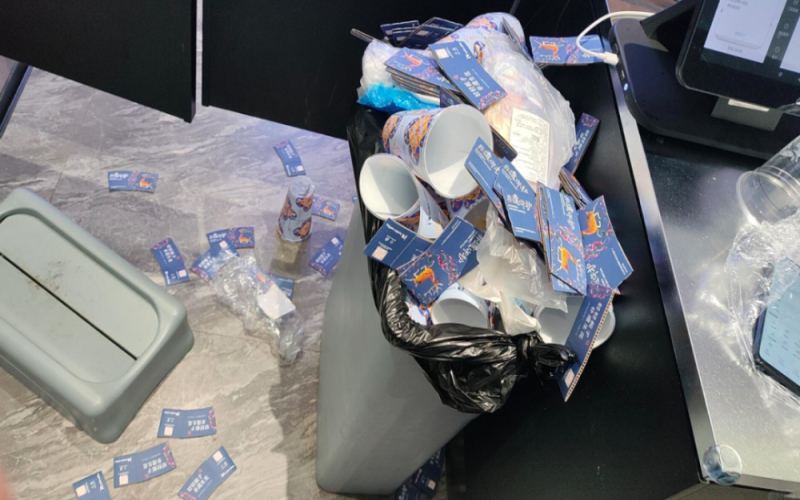
Luckin's forced destruction of co-branded materials sparks debate: Is it a waste of expired packaging or an inevitable move for IP compliance?
Recently, a Luckin Coffee employee posted footage on social media showing a store destroying co-branded packaging overnight, with trash bins full of unopened cup sleeves and takeaway cups, quickly sparking discussions among netizens about waste and environmental protection. According to the employee, on the eve of the end of each co-branding campaign, stores must cut and destroy remaining materials under surveillance, including previously co-branded Chengdu Cultural Tourism small panda keychains. Some netizens compared this with Cotti Coffee's approach, arguing that continuing to use expired packaging materials both reduces waste and gives customers surprises; others with knowledge of the matter pointed out that the destruction may be forced by the licensing period granted by the co-branding partner, and using them beyond the period could lead to breach-of-contract compensation. Behind this controversy lies the dilemma of materials management and intellectual property compliance amid the co-branding boom. [more…]
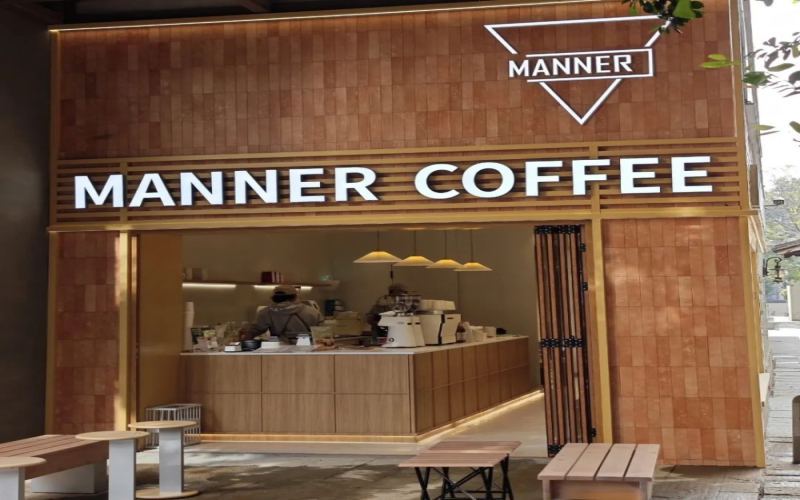
Bringing Your Own Cup Rejected Due to Capacity Mismatch Sparks Heated Debate, Manner's Service Flexibility Faces a Test
Recently, a post about Manner Coffee refusing to let a customer use their own cup sparked widespread discussion on social media. The incident began when a customer brought an extra-large container to buy a large-size new drink and was refused by the barista, even though the customer was willing to accept a smaller fill. The matter quickly struck a chord with many coffee lovers and triggered controversy. Some netizens shared how baristas had handled similar situations flexibly in their own experience, while others pointed out that baristas are constrained by standardized recipes and find it hard to improvise. This discussion reflects the challenge facing chain coffee brands amid rapid expansion: how to balance product standards with customers' individualized needs. As a representative of China's specialty coffee scene, how Manner can improve the service experience while ensuring quality has become an important issue on its development path. (Recommended reading from Front Street Coffee) [more…]
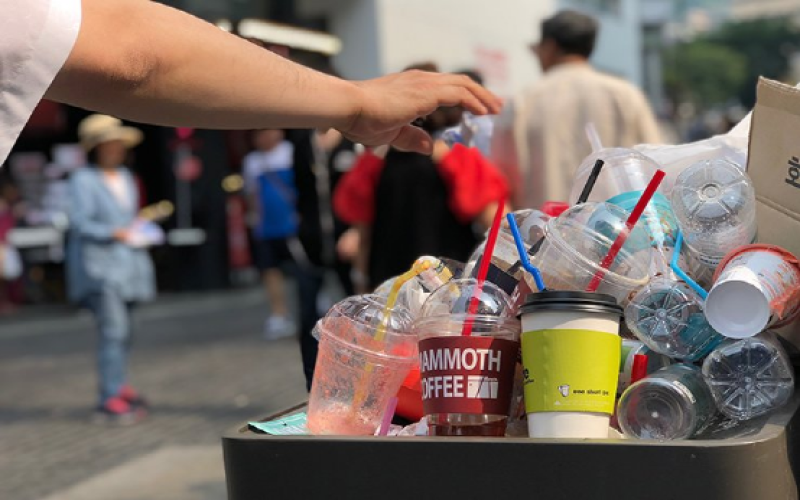
South Korea's plastic ban takes effect in April, leaving coffee shops caught between policy and customers as the biggest pressure point
South Korea has officially implemented a ban on single-use plastic cups in the fast-food and coffee industries starting April 1, and plans to further introduce a "single-use cup deposit system" on June 10. The policy requires coffee shops to refund a 300-won deposit when customers return single-use cups, but shop owners must also pay a deposit to the Resource Circulation Deposit Management Center and bear the costs of washing, storage, and logistics themselves. Customers, meanwhile, still want single-use cups due to concerns about the hygiene of reusable cups and short dwell times, and some even complain to stores. Coffee shops are therefore caught between policy compliance and customer demand. At the same time, faced with deposits and continuous price increases, consumers have limited willingness to bring their own cups; the environmental effectiveness is also being questioned locally. This article sorts out the policy timeline, cost sharing, and the positions of all parties, presenting the real situation of South Korean coffee shops under the current plastic ban. [more…]
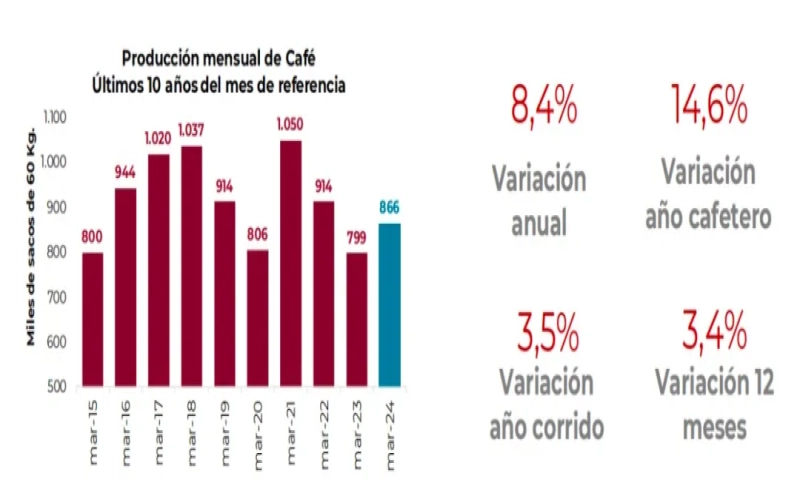
Colombia Coffee March Export Report: Production Declines Month-on-Month, FNC Calls on Government for Assistance
The latest March export report released by the National Federation of Coffee Growers of Colombia (FNC) shows that although coffee production and export volume for the month increased compared with the same period last year, both declined month-on-month, mainly due to drought weather. At the same time, Colombia's president previously proposed that the state should take over the FNC, sparking industry controversy, while the government has so far taken no practical action. Coffee growers' committees from 15 provinces across the country jointly spoke out, pointing out that the coffee industry is facing a difficult period and calling on the government to provide necessary assistance rather than encourage division. This article will provide a detailed interpretation of the report data, climate impacts and policy controversies, and bring related recommendations from Front Street Coffee. [more…]
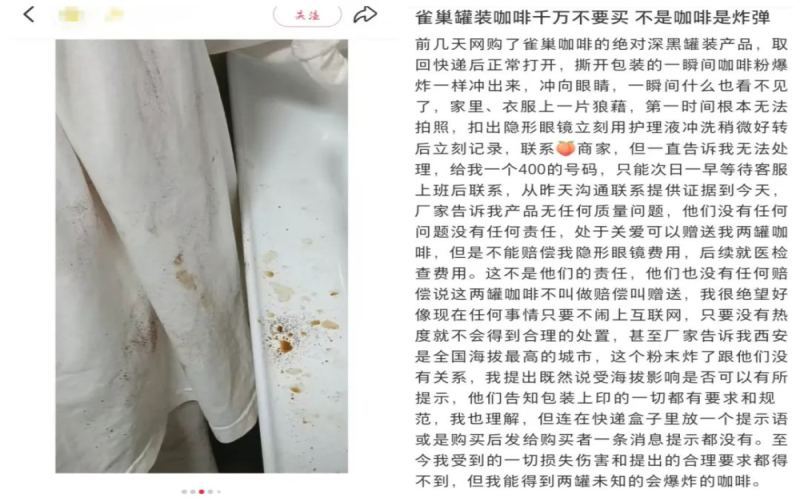
Nescafe Canned Coffee Powder Sprays and Injures Someone the Moment the Lid Is Opened; Customer Service Claims It Was Caused by Altitude Air Pressure, Sparking Controversy
Recently, a consumer in Xi'an posted on social media that when opening a canned Nescafé Absolute Black coffee powder purchased on an e-commerce platform, the coffee powder burst out explosively, leaving a mess on their face, clothes, and floor, and causing a wound near their nose. After contacting the seller and manufacturer, the company explained it away as being due to altitude and air pressure, and was only willing to gift two cans of coffee powder, refusing to compensate for contact lenses or medical expenses. The incident sparked heated discussion online, with many questioning the customer service explanation and noting that brands such as illy have also had similar occurrences. Front Street Coffee has noted that the lack of safety warnings on canned coffee powder deserves industry attention. [more…]
The Price, Flavor, and Origin of Indonesian Bali Civet Coffee: Front Street Coffee Discusses the Controversy and Brewing of Kopi Luwak
Kopi Luwak has always been an unavoidable topic in coffee circles. It carries the title of the world's most expensive coffee, yet it has always been accompanied by controversy. Front Street Coffee stores also carry this bean, but our attitude toward it is rather complicated. This article will discuss the price, flavor characteristics, and the story behind Indonesian Bali Kopi Luwak, including the civet's living habits and the principle of in vivo fermentation, as well as why the practice of caged bean collection is worth reflecting on. At the end, Front Street will also share the brewing parameters and flavor description of Kopi Luwak, and recommend several alternative beans for enthusiasts who like different flavors. [more…]
The Complete Guide to Flat White Coffee: From Origin Controversies to Espresso-to-Milk Ratios and Milk Foam Thickness Explained
Flat White, as a highly sought-after milk coffee category in recent years, is distinguished from lattes and cappuccinos by its rich coffee flavor, attracting the attention of many coffee enthusiasts. This article will comprehensively sort out the origins of Flat White—including the two distinctly different claims from Australia and New Zealand—and delve into the differences in the use of espresso and ristretto when making Flat White. At the same time, using the actual operating parameters of Front Street Coffee stores as an example, it will explain in detail the extraction scheme, the approach to choosing blend beans, and how to distinguish Flat White, latte, and cappuccino through the ratio of espresso to milk and the thickness of the milk foam. Whether you want to recreate an authentic Flat White at home or hope to systematically understand the underlying logic of this beverage, this article provides a complete and practical reference. [more…]

Lucky Cup's delisted ingredients were required to be poured down the drain and destroyed; unopened oat milk and syrup being wasted sparked heated discussion.
The chain coffee brand Lucky Cup recently drew attention due to the way it disposed of ingredients for discontinued products. According to multiple netizens claiming to be store employees, the company required that unopened materials such as oat milk, taro paste cans, and osmanthus syrup be uniformly poured into drains for destruction, with video and photographic evidence required, or the stores would be penalized. After images of large quantities of intact ingredients being directly discharged spread, many industry peers confirmed that this did happen, while netizens launched discussions around food waste, environmental pollution, and compliance. The brand has now removed the related products from its ordering mini-program, but whether the destruction method is reasonable still merits further consideration. [more…]
The Production Process, Flavor Characteristics, and Pour-Over Method of Kopi Luwak: From Fermentation Inside the Civet to a Rich Cup
Kopi Luwak is globally recognized as one of the most expensive and scarce coffees, distinguished by the fact that the coffee beans must undergo in vivo fermentation through the digestive tract of the civet, giving the brew an herbal aroma and a syrupy, full-bodied taste. Yet controversy surrounding it has never ceased—the issue lies not in how the coffee itself is formed, but in the cruel practice of some producers who, to boost output, imprison civets in cages and force them to eat nothing but coffee cherries. In this article, Front Street Coffee will systematically sort out the production principles, flavor characteristics, historical stories of Kopi Luwak, as well as Front Street's recommended medium-dark roast pour-over recipe, to help coffee lovers develop a rational understanding of this much-discussed coffee. [more…]
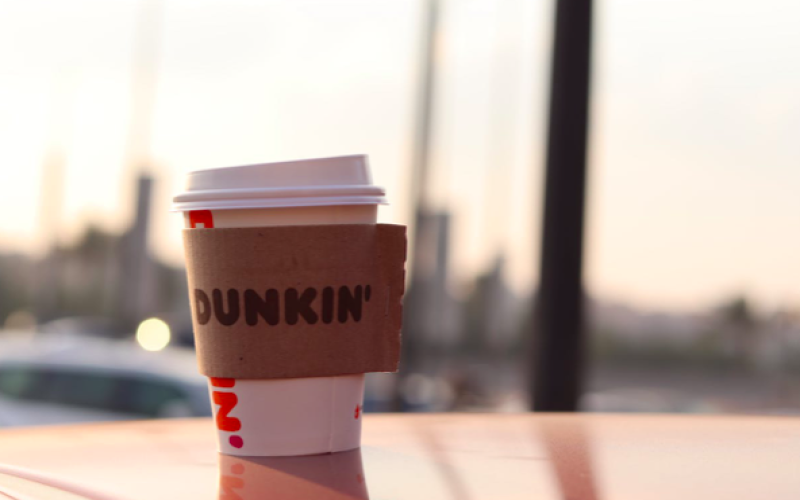
Dunkin faces class action lawsuit over surcharge on non-dairy drinks as pricing disputes continue to simmer in the US coffee industry
For coffee lovers who are lactose intolerant or allergic to dairy, plant-based alternatives such as oat milk and almond milk allow them to enjoy lattes without worry. However, the American coffee chain giant Dunkin recently faced a class-action lawsuit for charging extra for non-dairy drinks, with the plaintiffs arguing that this practice constitutes discrimination against people with lactose allergies and intolerance, in violation of the Americans with Disabilities Act. This is not the first time the U.S. coffee industry has faced legal disputes over plant-based milk pricing; Starbucks has also previously faced similar allegations. This article will review the course of events, the legal basis, and industry reactions, and explore the cost and fairness issues behind the controversy over non-dairy drink pricing. [more…]
Exploring Indonesian Coffee Origins: The Flavor Truth of Mandheling and Kopi Luwak, Plus Front Street Brewing Tips
Indonesia is an important coffee-producing region globally, and among its coffees, Mandheling and Kopi Luwak are the most talked-about. Kopi Luwak is produced through fermentation within the civet, resulting in a flavor with herbal notes and excellent body, but its production is scarce and the price is high. However, driven by commercial interests, caged farming practices force civets to eat only coffee cherries, sparking controversy over animal welfare. Front Street Coffee believes that the formation of Kopi Luwak itself is not problematic; the issue lies in forced captivity and force-feeding. This article will discuss the origin of Kopi Luwak, the reasons behind its flavor, and the principles of in vivo fermentation, and share Front Street's neutral perspective and brewing methods, while recommending several Indonesian and other origin coffees worth trying. [more…]