







Search Results for: electronic scales
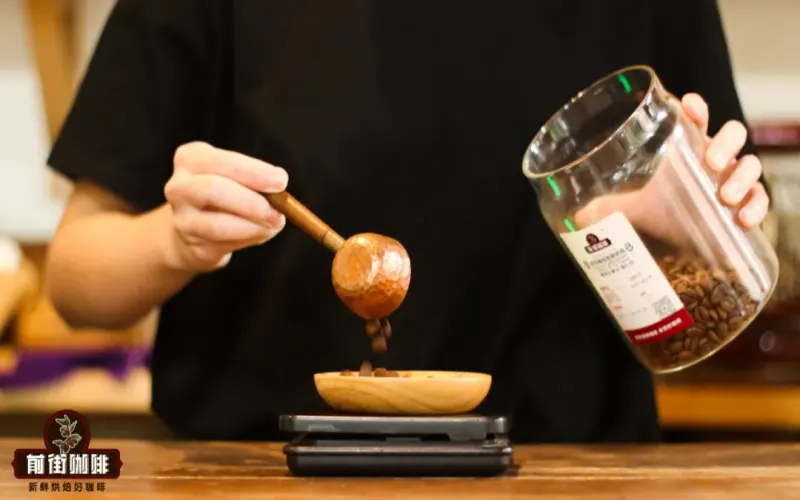
Do pour-over and espresso need a scale? Analyzing the necessity of precise weighing from dose to yield
Many coffee enthusiasts wonder when they see baristas using electronic scales in cafés: does making a cup of coffee really require such fuss? Couldn't you, like an experienced chef, just eyeball it or use a measuring spoon or cup and still brew good coffee? An electronic scale is indeed not an absolute necessity for making coffee, but eyeballing and measuring spoons have obvious inconsistencies. This article, based on actual tests at Front Street Coffee, first uses measuring spoons as an example to reveal that dark-roasted and light-roasted beans can differ by several grams in weight at the same volume, then explains the huge impact of dose deviation on concentration and flavor; next, using espresso as an example, it explains why cup markings cannot accurately reflect liquid weight. The article ultimately suggests that if you want consistent output or to study parameters, an electronic scale remains a trustworthy tool. [more…]
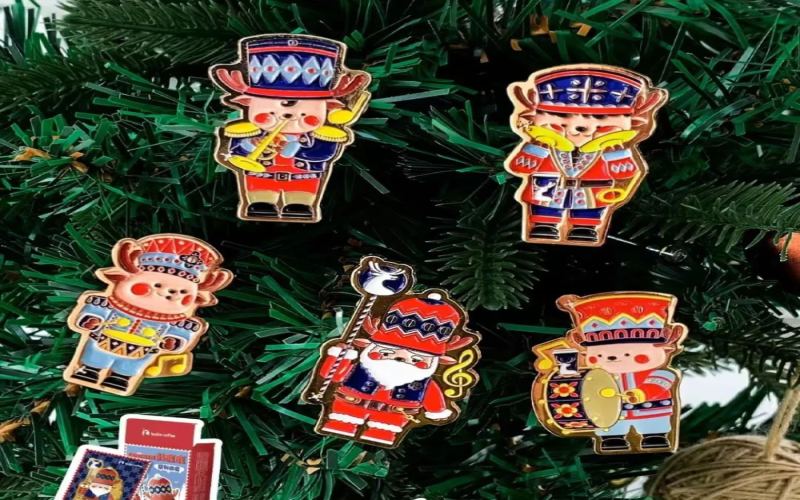
Luckin blind box badges spark a weighing craze, as coffee lovers bring electronic scales to stores to pick their favorite style
Luckin Coffee launched the Drum Deer Deer series metal badges this week, paired with a blind box promotion where buying two cups earns a badge, quickly sparking a buying frenzy among consumers. However, the random distribution mechanism of the blind boxes has left many Luckin fans struggling to collect their desired styles—some drank multiple cups without success, while others opened sixteen blind boxes in two days just to complete a set. To crack the blind box challenge, some consumers took a creative approach by bringing electronic scales to stores to weigh the packaging boxes and determine which badge was inside, with some even compiling the precise weights of the five badges for others' reference. This trend of weighing to pick badges has gradually evolved from a spontaneous act by netizens into a common practice at stores, and Luckin employees have shifted from initial confusion to understanding, even actively helping with weighing during idle times. This article provides a comprehensive overview of this amusing phenomenon triggered by coffee blind boxes. [more…]
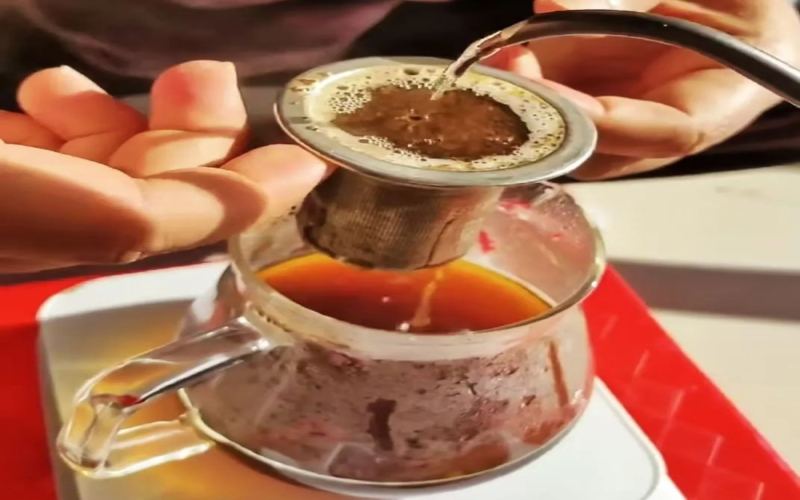
What to Do If You Don't Have a Digital Scale for Pour-Over Coffee? Visual Estimation Tips and Pulsed Pouring Plans for 15g of Grounds
The consistent output of pour-over coffee is inseparable from the precise measurement of an electronic scale, but if you run into the predicament of a broken scale, a dead battery, or simply no alternative tool to be found, does that mean you have to give up on a good cup of coffee? Starting from the two core variables of coffee dose and water volume, this article shares Front Street Coffee's hands-on experience: how to judge 15g or 20g of ground coffee by visually estimating the height of the coffee bed, how to use the dripper's markings as a reference under different roast levels, how to choose a coffee-to-water ratio between 1:14 and 1:16, and a three-stage blind brewing process that requires no scale. Even without equipment, mastering these techniques can still brew a qualified pour-over of about 210ml. [more…]
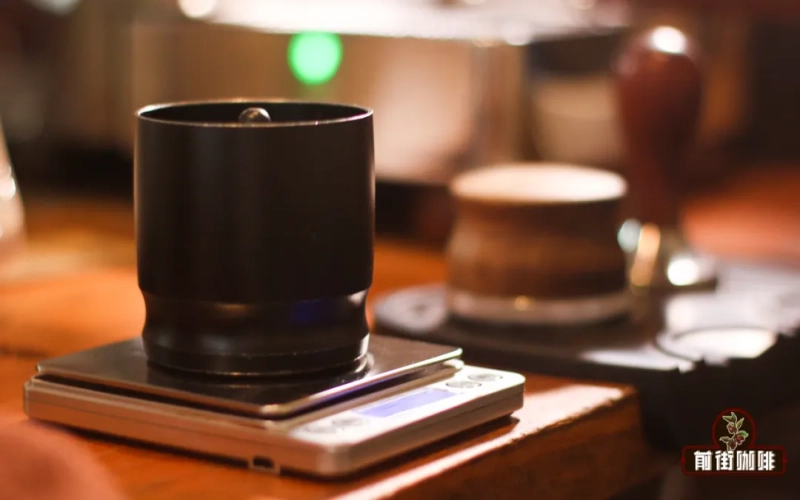
How big of an impact does a 0.5-gram difference in espresso dose make? A real-world test of why a scale is essential during extraction
Regarding whether an electronic scale is needed when making coffee, two completely different voices have always existed within the coffee community. One side insists that a scale is a key tool for ensuring extraction quality, while the other feels that a few grams more or less makes no difference, and the taste of the espresso will not change noticeably. To verify this controversy, Front Street Coffee designed a set of comparative experiments, testing respectively from the two dimensions of different dose and different liquid weight, using actual tasting to reveal how a change of a few tenths of a gram in dose affects the flavor of espresso, and whether an electronic scale is actually necessary in daily coffee production. [more…]
Pour-over coffee brewing tutorial | How can coffee beginners learn pour-over coffee from scratch? What coffee equipment is essential for self-learning pour-over coffee?
Admittedly, when it comes to brewing coffee, different people hold completely different views. In the eyes of the no-frills "veteran coffee drinkers," making a cup of coffee takes only three steps: grind the beans - dump the grounds - pour water, and once it finishes dripping, you can drink it. Any extra step feels like a waste of time; but if you start from the perspective of a café that needs to ensure consistent output, for example [more…]
Coffee Types | Do coffee connoisseurs drink pour-over coffee or drip bag coffee? What are the differences between drip bag coffee packs and pour-over black coffee?
For more specialty coffee knowledge, please follow: Front Street Coffee (Frontsteet Coffee). Do people who drink pour-over coffee not drink drip bag coffee? Do people who drink drip bag coffee not understand pour-over coffee? If you think so, you are greatly mistaken. In fact, there is no essential difference between pour-over coffee and drip bag coffee. At Front Street, there are [more…]
Pour-Over Coffee Beginner Essentials | How Much Does It Cost to Get a Full Pour-Over Coffee Setup? Which Pour-Over Kettles and Grinders Are Good for Coffee Newbies?
Friends who love coffee are certainly not satisfied with just drinking it—eventually they will want to enjoy the pleasure of brewing it themselves. The simplest way to achieve this goal is to get a set of pour-over equipment. Compared with espresso machines, the entry cost for pour-over coffee is much lower, but as your skills improve, the subsequent investment [more…]
Measurement in Pour-Over and Espresso: Why a Digital Scale Beats a Measuring Spoon, and How Coffee-to-Water Ratio Affects Strength
In coffee brewing, the choice of measuring tools may seem like a minor matter, yet it directly affects consistency in the cup. A measuring spoon is convenient, but it measures volume rather than weight; due to differences in variety, cultivation, and roasting, the same level spoonful of different coffee beans may scoop out 9g or 11g, an error large enough to change the direction of the flavor. Front Street Coffee once conducted an experiment with Geisha Village Red Label Geisha: with water volume and other parameters unchanged, adjusting the dose by just 1g produced noticeable differences in concentration and extraction yield. This article will use experimental data to explain why electronic scales have become the first choice of coffee shops, and to show why measurement accuracy must be even higher under pressurized espresso extraction. [more…]

Coffee Brewing Methods | How Big Is the Difference Between Pour-Over and Espresso? Which Coffee Beans Are Best for Pour-Over Beginners?
Nowadays, when you go to a coffee shop, most shops offer both pour-over coffee and espresso. Friends who don't drink coffee very often may be confused by this. They're both coffee, so what's the difference? Front Street Coffee is here to explain these two types of coffee respectively. [more…]
How Does Pour-Over Coffee Water Flow Rate Affect Extraction? A Detailed Explanation of the Differences Between Fast and Slow Flows and Methods for Measuring Flow Rate
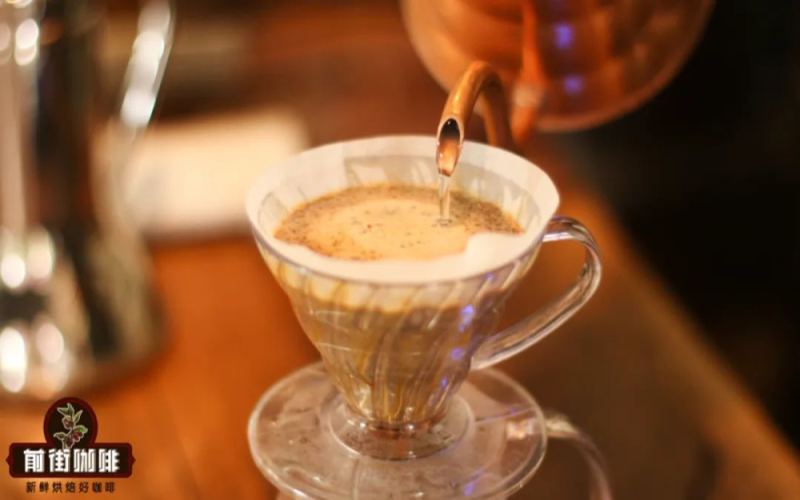
During the pour-over brewing process, the speed of pouring water directly affects the extraction time, the state of the coffee bed, and the final flavor expression. Many enthusiasts misunderstand large and small water flows, believing that a small flow equals gentleness and a large flow equals forcefulness. In reality, flow rate refers to the amount of water poured per second and has no absolute relationship with impact force. This article will analyze in detail the effects of large and small water flows on different extraction results, share how to measure pouring flow rate with an ordinary electronic scale, and, combined with Front Street Coffee's practical experience, explain when to switch between large and small water flows, helping you adjust flexibly during brewing to achieve a more ideal coffee flavor. [more…]
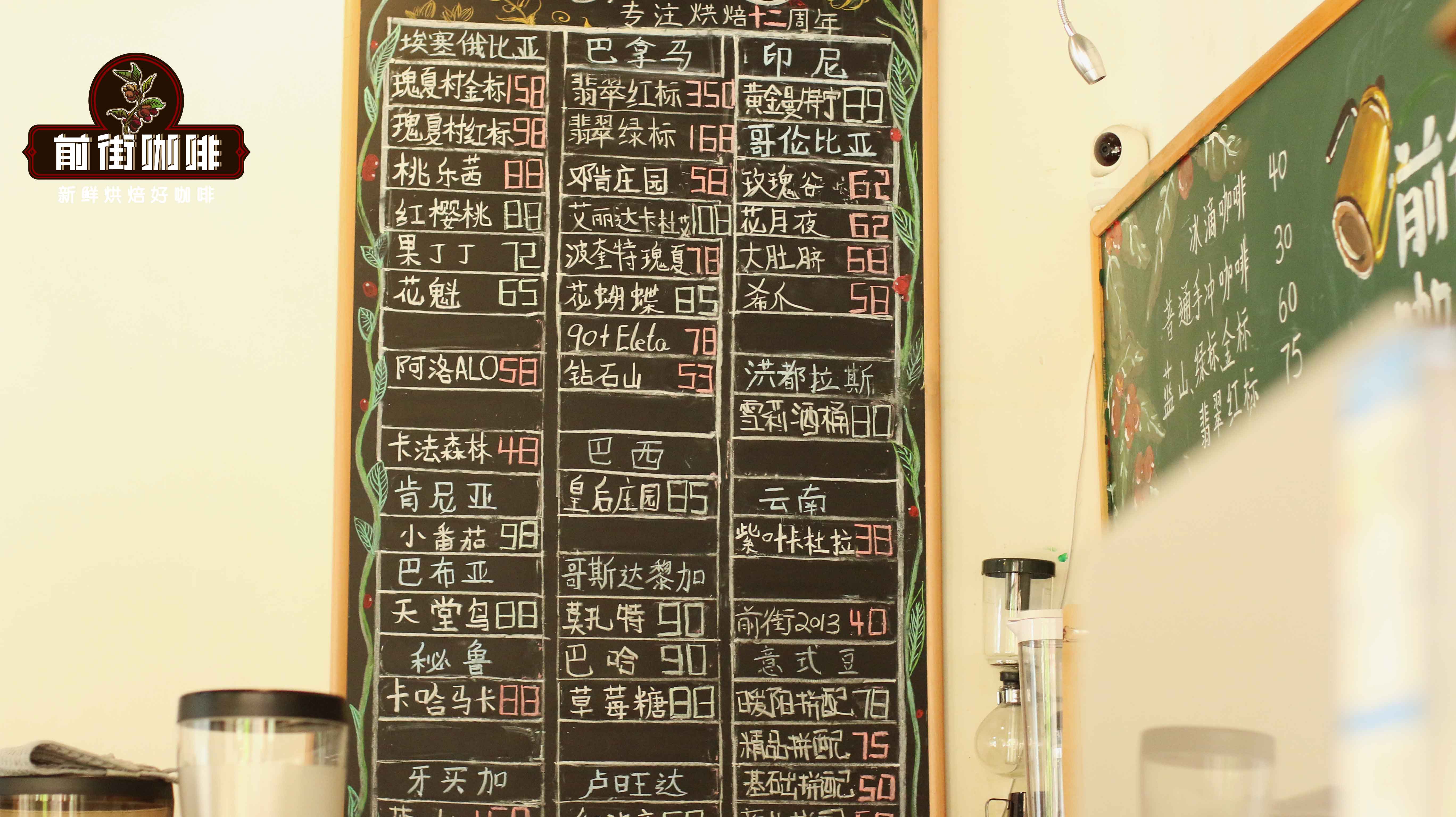
Featured Cold Brew Coffee Bean Recommendations | Is Yirgacheffe a Coffee Region or a Coffee Variety? How to Make Cold Brew Coffee at Home with Ethiopian Washed Yirgacheffe?
In recent years, as more and more specialty coffee beans with outstanding flavors have been launched one after another, our choices have also increased accordingly, including some varieties with very special names. Front Street. Gediding Coffee is a typical example. Front Street. Gediding is a high-grade washed Yirgacheffe. Not only is its name cute, but its taste is also unique, [more…]
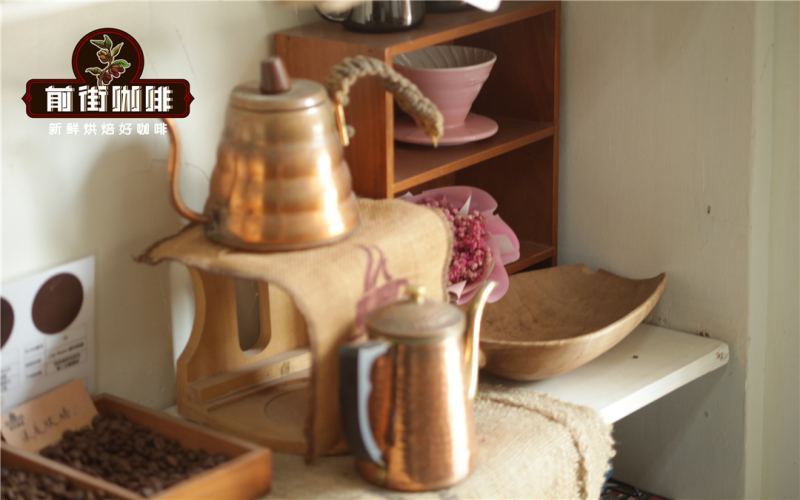
Can Drip Bag Coffee Be Considered Specialty Coffee? How Big Is the Actual Difference from Pour-Over Coffee?
Many people assume that those who drink pour-over look down on drip bags, and that those who drink drip bags don't understand pour-over—but this isn't actually the case. Drip bag coffee is essentially a simplified version of pour-over coffee; there is no fundamental difference in the extraction principle between the two. The differences lie mainly in equipment preparation, brewing procedure, and convenience. From the perspective of Front Street Coffee, this article systematically sorts out the respective characteristics of pour-over coffee and drip bag coffee, the equipment required for each, flavor differences, and the correct method for brewing drip bags, helping coffee lovers choose the type of coffee that suits their needs. [more…]
What's the difference between pour-over and drip bag coffee? A comprehensive analysis of the differences between the two, from brewing equipment to operational process.
Do people who love pour-over coffee look down on drip bag coffee? Are those who drink drip bag coffee clueless about pour-over? In reality, there is no fundamental opposition between the two. Many regulars at Front Street Coffee buy coffee beans to brew pour-over at home and also keep some drip bags on hand for convenience. Simply put, drip bag coffee is a simplified version of pour-over. This article will systematically sort out the specific differences between pour-over coffee and drip bag coffee from multiple angles such as brewing equipment, operating process, time control, and shelf life, and also include the correct brewing steps and common mistakes for drip bag coffee, helping coffee lovers choose the right method according to their needs. [more…]

A Complete Guide to Brewing Golden Mandheling Pour-Over: Grind Ratio, Variety Processing Methods, and Flavor Characteristics Explained
To brew a delicious pour-over coffee at home, choosing the right practice beans is key. Front Street Indonesia Golden Mandheling, with its rich and balanced flavor, has become the top choice for many coffee enthusiasts starting out. This article begins with the origin background of Front Street PWN Golden Mandheling, tracing the history of Indonesia's three major Sumatra producing regions, the Ateng variety, and the wet-hulling process, and explains PWN Company's trademark registration and grading standards for "Golden Mandheling." The equipment section introduces the key selection points for the pour-over kettle, dripper, filter paper, grinder, thermometer, electronic scale, and powder sifter one by one; the brewing section gives specific recommendations for water temperature, grind size, and coffee-to-water ratio, and finally includes the complete brewing parameters and staged extraction technique for Front Street PWN Golden Mandheling, helping readers establish a stable pour-over rhythm. [more…]
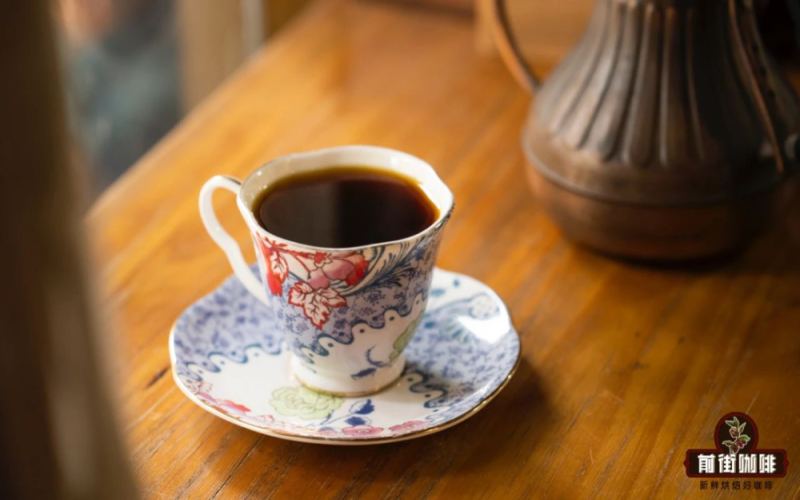
How to Make Your Own Drip Coffee Bags: A Beginner's Guide to Making Pour-Over Bags at Home and Brewing Yirgacheffe Red Cherry Drip Black Coffee
As more and more people join the coffee-drinking ranks, here at Front Street we have quite a few white-collar workers and university students around us—even high schoolers have started drinking pour-over. Compared with the one-note taste of instant coffee, today's young people clearly favor freshly ground specialty coffee, especially aromatic black coffee, and the varieties are incredibly diverse. [more…]
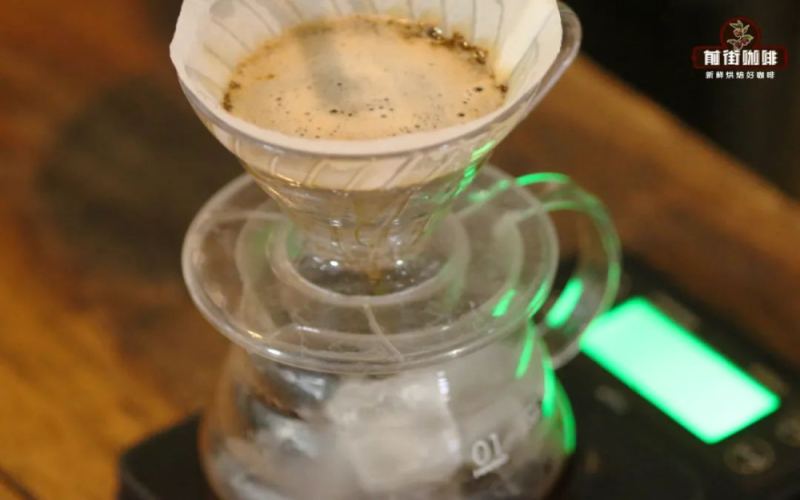
How should pour-over coffee extraction time be determined? The controversy and practical recommendations on whether blooming should be timed
When brewing pour-over coffee, the timer function on a digital scale is often overlooked, yet it is crucial for judging extraction results. Front Street Coffee recommends keeping the total extraction time at around 2 minutes, in practice falling between 1 minute 50 seconds and 2 minutes 10 seconds. However, there is disagreement over when to start the timer: should it begin the moment water is poured, or should the clock only be started after pouring is finished? Front Street believes that extraction begins the instant the coffee grounds touch water, and therefore insists on timing from the very first second of pouring. This article builds a pouring model around time milestones, explaining how to troubleshoot issues such as flow rate and grind size through segmented timing, making time an effective diagnostic tool for brewing. [more…]
Pour-Over Coffee Equipment Buying Guide: How to Choose a Grinder, Gooseneck Kettle, Dripper, and Digital Scale
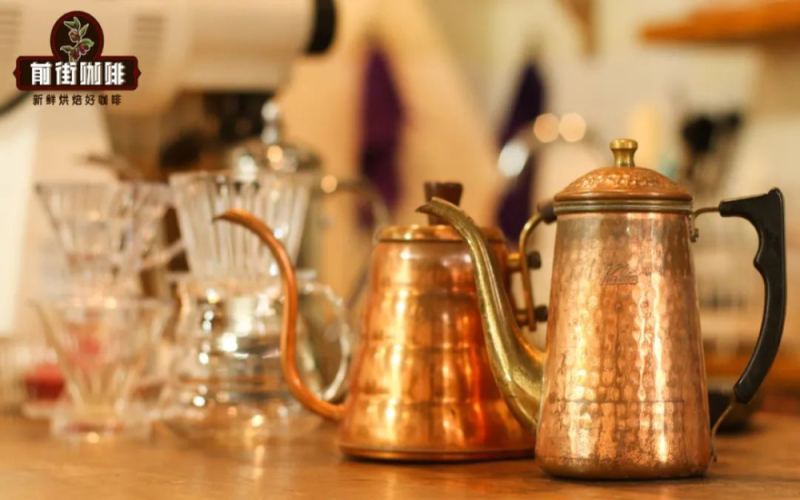
Want to get into pour-over coffee but feel overwhelmed by the dizzying array of gear on shopping platforms? On a limited budget, what should you prioritize, and how should you allocate your spending for the best value? Front Street Coffee breaks down the most essential pieces of pour-over equipment for you: the grinder, which determines the ceiling of flavor; the pouring kettle, which affects your pouring feel; the dripper, which influences filtration; and the digital scale, which makes your data visible. Starting from a ranking of importance, this article explains the key points for choosing each piece of gear and offers advice on pitfalls to avoid, helping you build a truly practical pour-over setup within a limited budget—so you take fewer detours and brew a delicious cup as quickly as possible. [more…]
Pour-Over Coffee Tips | Freshly Roasted Coffee Beans, Freshly Ground Coffee: How to Brew a Delicious Black Coffee? Ethiopian Washed Gutingding Black Coffee Pour-Over Parameters Shared
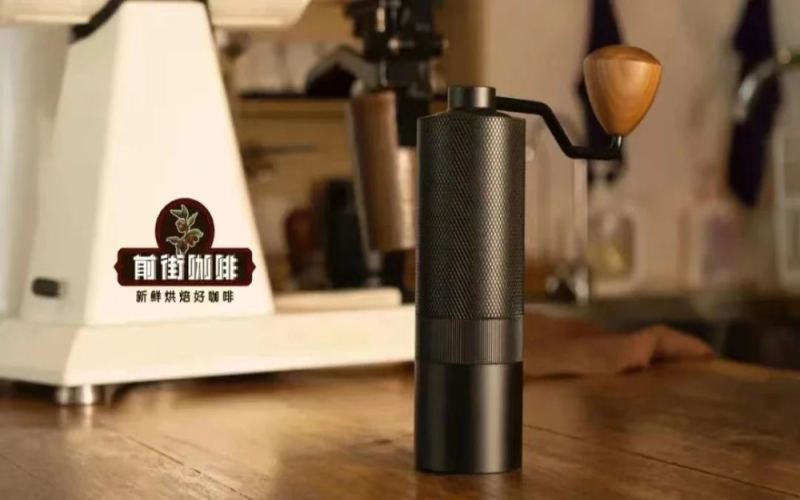
With the growing popularity of specialty coffee culture, more and more coffee enthusiasts are starting to study at home how to brew pour-over coffee in order to bring out the flavor of single-origin coffee beans, but they don't know how to do it. They always feel that the coffee they brew doesn't taste as good as what they drink in a café. So how can you brew out the flavor of a single-origin coffee bean? [more…]
Espresso Characteristics | What Is Crema in Italian Coffee Made Of? Espresso Extraction Method, Specific Steps, Flavor, Taste, and Drinking Guide
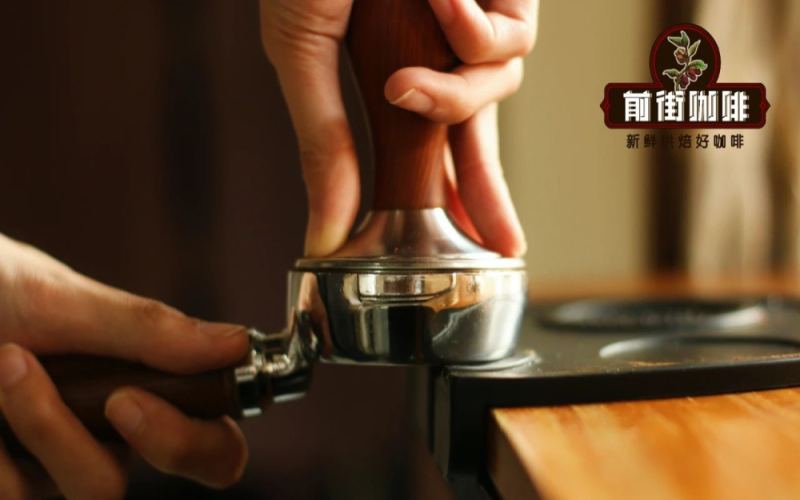
Front Street uses the "Front Street Classic Italian Blend" to make espresso. The baristas at Front Street Coffee (FrontStreet Coffee) will first dial in the extraction parameters for the espresso before they officially begin serving. Front Street uses a double-shot basket capacity, with a dose of approximately 18–20 grams. [more…]
A Detailed Guide to the Essential Pour-Over Coffee Equipment Checklist and Brewing Key Points for Beginners
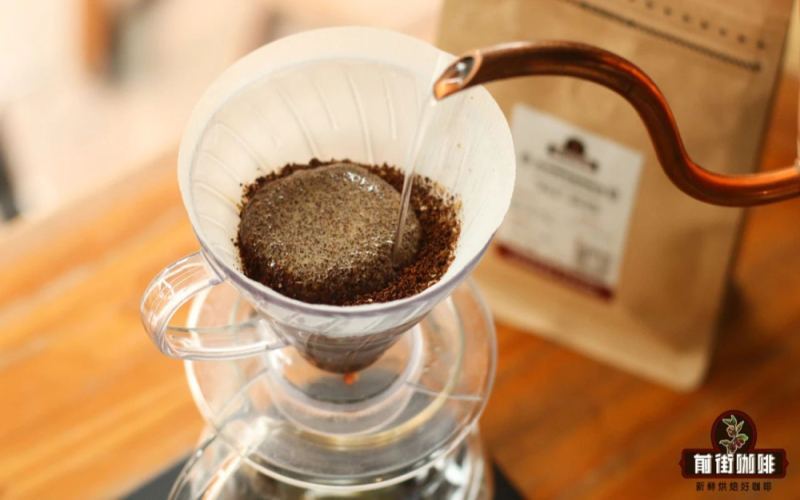
What equipment do you need to prepare to make a delicious pour-over coffee at home? And what key points should you master during brewing? This article starts with equipment such as the pour-over kettle, dripper, grinder, thermometer, digital scale, filter paper, sifting mesh, and server, introducing one by one the mainstream choices in each category and Front Street Coffee's experience using them. It then explains six aspects: water temperature, grind size, coffee-to-water ratio, water quality, coffee beans, and brewing technique, helping beginners get started quickly and produce consistent results. [more…]