







Search Results for: Dingding
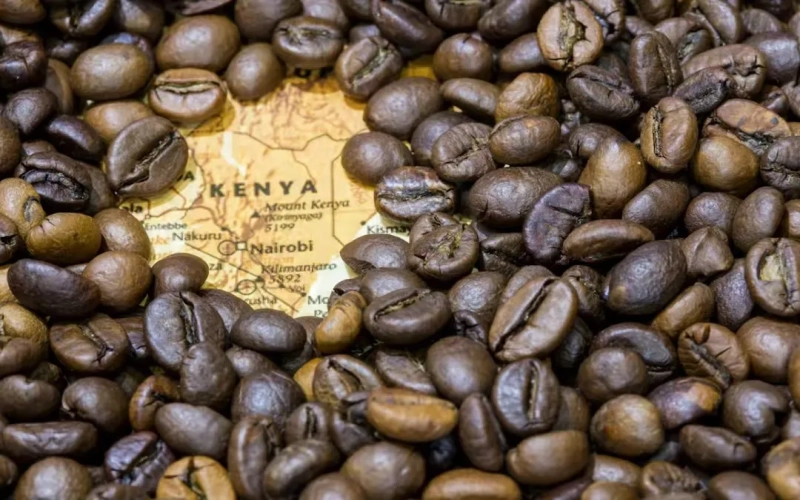
A Complete Analysis of Coffee Bean Naming Logic: From Yirgacheffe to Mandheling, Understanding the Meaning Behind Bean Names
Faced with a dazzling array of coffee bean names—Geisha, Huakui, Guodingding, Cherry Tomato... those new to specialty coffee are often bewildered. Some of these names come from the place of origin, some from the variety, and others carry special meanings. This article systematically sorts out the naming logic of coffee beans, from the early practice of naming by place of origin to today's evolution of "region + micro-region/producer/variety/trade name," combining specific examples from Front Street Coffee's bean list to help readers understand the information behind each bean's name. The article also specifically explains the meaning of Yirgacheffe and the origin of the name Mandheling, so that coffee lovers will no longer be confused when making purchases. [more…]
Hand Brew vs. Cold Brew: How Extraction Temperature Affects Flavor and Bean Selection
Why do the flavors of the same coffee beans differ so dramatically when brewed as pour-over versus cold brew? From the perspective of Front Street, this article systematically sorts out the core differences between high-temperature pour-over and low-temperature cold brew in terms of extraction principles, flavor expression, and suitable bean types. The article covers a comparative tasting of three methods—hot pour-over, iced pour-over, and cold brew—analyzes the effect of water temperature on the dissolution sequence of acids, sweetness, bitterness, and other substances in coffee, and provides recommendations for coffee beans suited to both brewing methods, including specific Front Street products such as Guodingding, Huahudie, Strawberry Candy, and Huakui, helping coffee enthusiasts easily make their ideal cup at home. [more…]
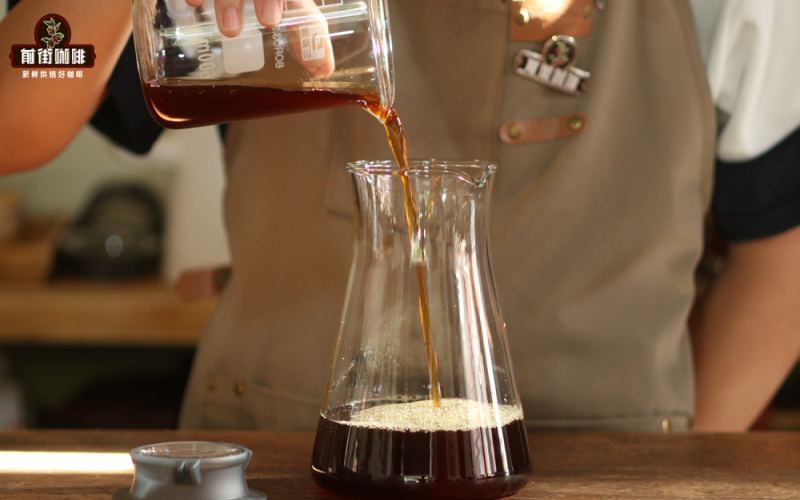
How to Make Cold Brew Coffee at Home: Complete Brewing Steps, Shelf Life, and the Truth About Caffeine
You don't need cold drip equipment to easily make iced coffee—the cold brew method is the most practical alternative. This article shares in detail the production process of Front Street cold brew coffee, including the coffee-to-water ratio, extraction time, and storage methods. It also answers a common question: between cold brew coffee and iced Americano, which one actually has more caffeine? The answer may be the opposite of what you think. The article will also introduce Front Street's approach to selecting beans for cold brew, as well as the flavor performance of beans such as Huakui, Fruit Dingding, Xizhua, and Mozart under low-temperature extraction, helping you find the cup of refreshingly cold deliciousness that suits you best. [more…]
Where Does the Acidity in Light Roast Coffee Come From? Four Front Street Pour-Over Single-Origin Beans Recommended for Beginners
Many people, when they first try a light-roast pour-over, are caught off guard by that bright acidity. Some find it refreshing like fruit juice, while others find it sharp and hard to bear. Where exactly does the acidity in coffee come from? Why is some acidity pleasant while some makes you frown? This article starts with the organic acid composition of green coffee beans and, combined with the SCA cupping definition of acidity, helps you sort out the sources of acidity and the criteria for judging it. At the same time, we have selected four light-roast single-origin beans with different styles, including Front Street Coffee Fruit Ding Ding and Front Street Coffee Little Tomato, among others. They have distinct fruity aromas and a balanced sweet-and-sour profile, making them very suitable for friends who are just starting to explore light-roast pour-over. [more…]
Cold Brew Coffee Bean Selection Guide and Complete Home Brewing Analysis: Practical Tips from Bean Selection to Extraction
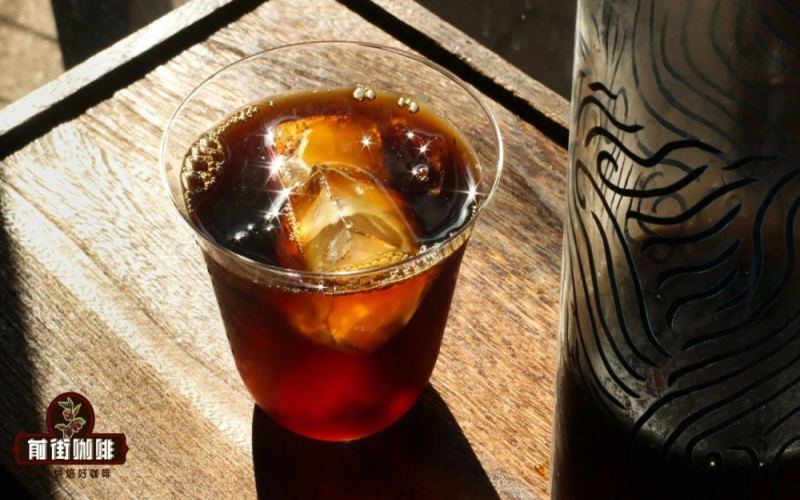
On a scorching summer day, do you want to drink a refreshing iced coffee but don't want to go out? Making cold brew at home is actually not complicated. The biggest difference between cold brew and regular iced coffee lies in the low-temperature, long-time extraction, which makes the coffee taste softer, with balanced acidity and sweetness, and can clearly showcase the regional flavors of specialty beans. This article will start from the extraction principles of cold brew, tell you why medium-light roasted single-origin beans are more suitable for cold brew, and recommend three best-selling Front Street Coffee beans: Washed Yirgacheffe, Strawberry Candy Geisha Blend, and Natural Hualkui. Then it will break down key parameters such as coffee-to-water ratio, grind size, and steeping time in detail, and include the complete steps for Front Street Coffee Hualkui cold brew, helping you easily make a cup of full-flavored homemade cold brew. [more…]

An Analysis of the Price Difference Between Iced and Hot Coffee, and the Complete Method for Japanese-Style Iced Pour-Over
Why is iced coffee often more expensive than hot coffee? Drawing on Front Street Coffee's production experience, this article sorts out two core questions about iced pour-over coffee: how to determine the coffee-to-water-to-ice ratio, and what difference adding ice first versus adding ice later makes. It also introduces the types of coffee beans suitable for making iced pour-over and gives Front Street's specific recommended products, including Yirgacheffe G1, Huakui, Cherry Tomato, Butterfly, Xizhua, and Strawberry Candy. The article also explains the need to adjust the grind size, as well as two alternative cooling methods—the over-ice method and the ice-bath cooling method—making it a useful reference for coffee enthusiasts to put into practice. [more…]

How to Determine the Grind Size for Pour-Over Coffee? A Complete Method from Sieve Measurement to Flavor Calibration
Many coffee enthusiasts often feel that their brews don't taste as good as those in cafés, but the problem often lies in the grind size. Extraction yield and concentration are affected by four factors: grind, ratio, time, and water temperature—and among these, only grind size cannot be precisely judged by the naked eye. To help everyone find the right grind coarseness, Front Street shares three practical methods: measuring the passing rate with a No. 20 sieve, observing the flow rate and extraction time, and tasting the flavor to work backward and adjust. The article also gives specific grinding recommendations and passing rate references for beans of different roast levels, and retains Front Street's brewing parameters and product examples. [more…]

Iced Americano, Iced Pour-Over, Cold Brew, and Ice Drip: A Full Breakdown of the Craft, Time, and Flavor of Four Iced Coffees
More and more people are drinking iced coffee in summer, but can you really tell apart these four common types of iced coffee: iced Americano, iced pour-over, cold brew, and iced drip? Although they are all called iced coffee, there are actually considerable differences from extraction principles to preparation time, and then to the final flavor expression. This article sorts out the similarities and differences of these four kinds of iced coffee one by one from four dimensions: extraction method, preparation time, difficulty of home operation, and taste characteristics. The article also includes the specific brewing parameters and steps of Front Street Coffee, including practical plans for beans such as Front Street Sunflower Warm Sun, Fruit Ding Ding, and Strawberry Candy, to help you more clearly understand what kind of beans and scenarios each type of iced coffee is suitable for, and also make it convenient to replicate at home. [more…]
How Long Can Cold Brew Coffee Be Stored Without Its Flavor Deteriorating? A Detailed Guide to Ice-Drip and Cold-Brew Methods and Storage Times
On a sweltering summer day, a glass of iced coffee instantly refreshes the senses. As a key member of the iced coffee family, cold brew coffee actually splits into two distinctly different methods—ice drip and cold steep—each with its own flavor profile and level of difficulty. This article covers the history of cold brew coffee, the complete steps for both brewing methods, coffee-to-water ratios and grind parameters, and the shelf life and flavor development patterns that everyone cares about most. Front Street Coffee has also recommended a range of specialty beans suited to low-temperature extraction—including Sherry, Fruit Ding Ding, and Huakui—to match different taste preferences, helping you easily make a cup of cold brew coffee to your liking at home. [more…]

Ethiopian Specialty Coffee | Is Ethiopian Coffee Bean Suitable for Beginners? Recommendations for Medium-Light Roast Pour-Over Single-Origin Beans with Prominent Floral and Fruity Flavors
1. Bright citrus acidity: Front Street Gutingding coffee beans Origin: Yirgacheffe, Gedeo zone Altitude: 1900-2300m Variety: Ethiopian heirloom Processing method: Washed Flavor: Citrus, black tea, caramel, almond, green tea Recommended because: High value for money, you can taste fruit [more…]
Ethiopian Sidamo Coffee Bean Floral Analysis: A Guide to Buying Jasmine and Citrus Flavor Specialty Beans
The aromatic compounds in coffee are extraordinarily complex, and isolating a single scent is often quite challenging. Floral notes are especially subtle and difficult to describe with precision. Still, different types of floral aromas share some common traits—for example, the fresh, elegant character represented by jasmine is often broadly referred to as white florals. These floral notes are commonly found in coffee beans from African and Central American origins, particularly washed beans roasted to a lighter level. Once you understand these patterns, finding good coffee with floral notes becomes much easier. This article focuses on Ethiopia's Sidamo region, explaining the origins of jasmine and citrus aromas, and recommends two representative products from Front Street Coffee: Front Street Fruit Dingding Coffee and Front Street Panama Geisha Coffee, to help you choose beans according to your needs. [more…]

Medium-Light Roast Pour-Over Bean Recommendation | Why Is Ethiopian Yirgacheffe So Aromatic? What Are the Flavor and Taste Characteristics of Washed Yirgacheffe Single-Origin Beans?
When Yirgacheffe is mentioned, many people will think of its distinctive characteristics such as floral aroma, not bitter, citric acidity, citrus, tea-like body, and so on. The reason Yirgacheffe coffee beans possess such a splendid flavor and present a refreshing, bright tonality is first of all thanks to the terroir and variety of the origin, and secondly to the control of roasting, because the coffee beans [more…]

Washed Yirgacheffe G1 Recommendation | Is G1 the highest grade for Ethiopian coffee beans? Is Yirgacheffe better suited for a light roast or a medium-light roast?
Coffee experts should all have tried Yirgacheffe. It not only has a fresh taste and low bitterness, making it suitable for brewing all kinds of coffee, but is also very affordable, so it is a must-have everyday bean for many coffee lovers at home. So, as a fan of Yirgacheffe, have you ever heard of a specialty coffee called "Gotiti"? Gotiti its [more…]
Yirgacheffe's Value-for-Money Options: The Price Gap Between Washed and Natural
A high-value-for-money choice in Yirgacheffe: the logic is to choose the right processing method and grade. The washed Gedeb Dingding is affordably priced with a complete citrus-and-floral framework—it's the standard answer for Yirgacheffe flavor. Although Panama Emerald Estate Red Label is a tier more expensive, the density of its jasmine and bergamot aromatics justifies the price difference—the two represent value for money [more…]
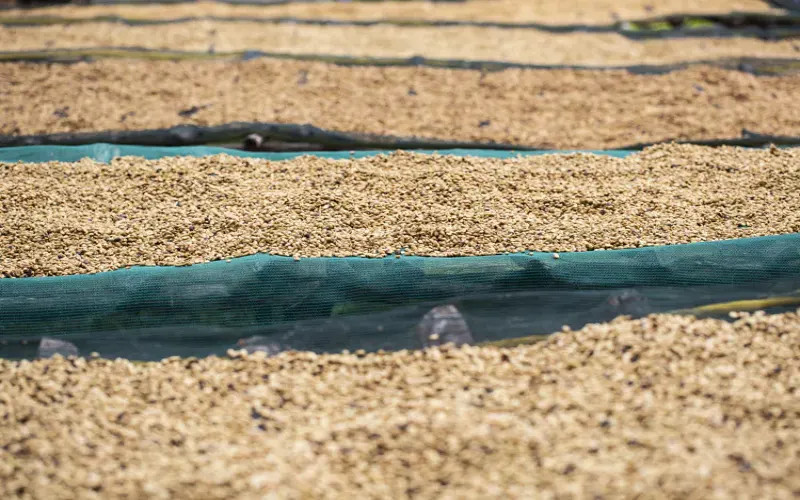
Fruity and floral single-origin beans recommendation | Is Gedeb a coffee region or a coffee variety? How should coffee beginners choose their first bag of Yirgacheffe coffee beans?
The flavor profile of Yirgacheffe is characterized by bright acidity, a non-bitter taste, and a subtle floral aroma. Its flavor is fresh and elegant, and the price is affordable, making it almost an entry-level choice for every coffee enthusiast. If you haven't tried Yirgacheffe yet, we would recommend purchasing a washed Yirgacheffe selection curated by our baristas. [more…]
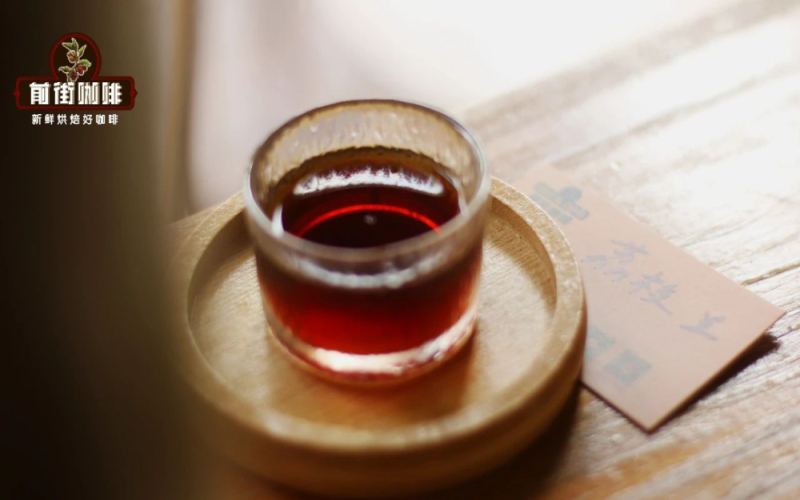
The Art of Balance in Coffee Flavor: An Analysis of the Main Producing Regions and Representative Varieties of Fruity Coffees
An ideal cup of coffee is often not defined by one particularly prominent flavor, but by a harmonious unity among acidity, sweetness, bitterness, aroma, aftertaste, and body—this is what we commonly call balanced flavor. On the foundation of balance, fruity coffee reveals an especially captivating complexity—from stone fruits to citrus to berries, different origins lend coffee their own distinctive fruit notes. African regions are usually known for bright citrus flavors, while South American coffees often use them as a supporting layer. This article will guide you through the flavor composition of fruity coffee and introduce the classic fruit expressions of representative origins such as Kenya, Ethiopia, Costa Rica, Tanzania, Colombia, and Panama, while also presenting the corresponding selected products under the Front Street Coffee brand. [more…]
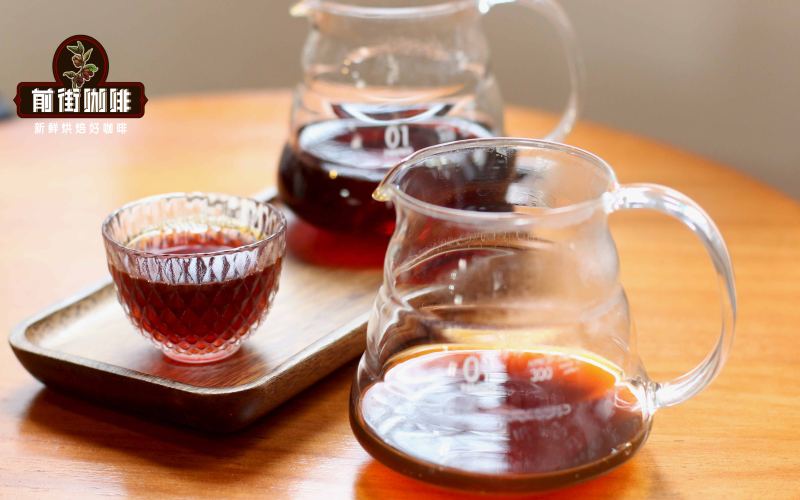
Ethiopia Select Coffee Beans | What Does Yirgacheffe "Gorodindin" Mean? Which High-Value Light-Roast Hand-Grind Coffee Beans Are Suitable for Beginners?
There is a Yirgacheffe coffee with a very cute name, called "Gotiti," transliterated from Gotiti. Many people initially bought it out of curiosity to try it, but unexpectedly were amazed on the spot by its rich aroma and fresh taste, and thus became loyal fans. So what exactly is the charm that makes the public fall for [more…]

Fruity SOE Beans | Are Yirgacheffe Light Roast Beans Better for Pour-Over or Espresso? How Should Beginners Choose Ethiopian Coffee Beans?
As a super popular single-origin coffee, Yirgacheffe comes in many varieties, so buying blindly can easily lead to disappointment. If you're a beginner, you can actually choose the right coffee beans based on your brewing method combined with the roast level. Generally speaking, brewing methods can be divided into two main categories: one represented by pour-over, [more…]
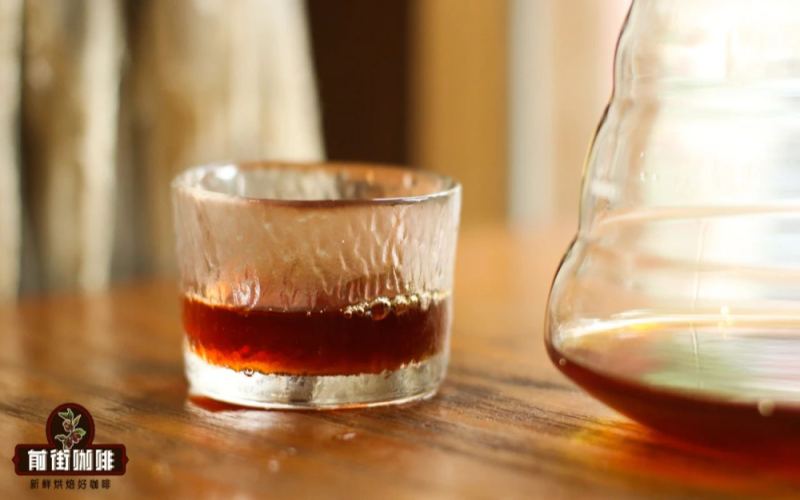
Yirgacheffe Coffee Comprehensive Analysis: Flavor Characteristics, Signature Products, and Origin, Variety, and Processing Methods
Yirgacheffe is one of Ethiopia's most renowned specialty coffee regions, famous for its clean, bright cup profile and citrus-lemon acidity with almost no bitterness, making it the go-to choice for many coffee lovers just getting started. This article will systematically introduce the unique appeal of Yirgacheffe from three dimensions—regional background, variety characteristics, and processing methods—and provide a detailed breakdown of two representative products, Front Street Coffee Gedeb Ding Ding (washed) and Front Street Coffee Red Cherry (natural), giving you a comprehensive understanding of why this high-altitude region can consistently produce coffee beans with outstanding flavor. [more…]
Featured Cold Brew Coffee Bean Recommendations | Is Yirgacheffe a Coffee Region or a Coffee Variety? How to Make Cold Brew Coffee at Home with Ethiopian Washed Yirgacheffe?
In recent years, as more and more specialty coffee beans with outstanding flavors have been launched one after another, our choices have also increased accordingly, including some varieties with very special names. Front Street. Gediding Coffee is a typical example. Front Street. Gediding is a high-grade washed Yirgacheffe. Not only is its name cute, but its taste is also unique, [more…]