







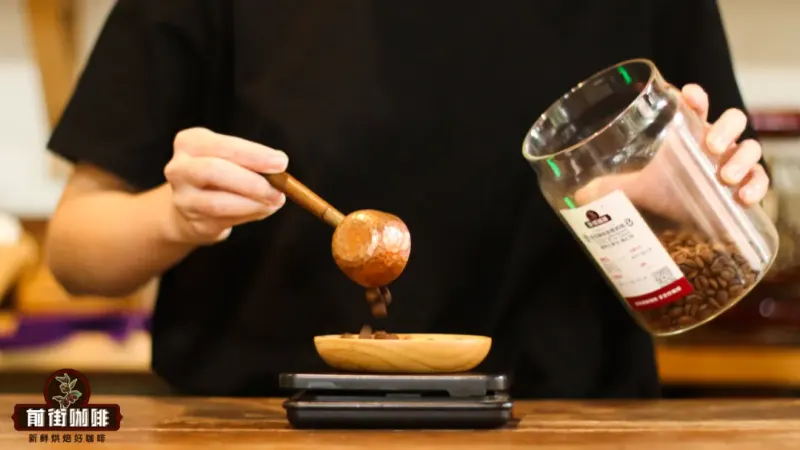
Does Coffee Brewing Really Require an Electronic Scale?
An electronic scale is not strictly required for coffee brewing, but it removes the guesswork spoons and cup markings leave behind. Tests with measuring spoons show dark roast and light roast beans can differ by several grams at the same volume, and that gap shifts concentration and flavor from cup to cup.
Espresso makes the case clearer: crema and foam above the liquid mean cup markings cannot reflect the actual weight in the glass. A coffee enthusiast chasing stable output or studying parameters will find a scale the more trustworthy tool, since it ties extraction yield and concentration to numbers that can be repeated rather than estimated by eye.
Many coffee enthusiasts wonder when they see baristas using electronic scales in cafés: does making a cup of coffee really need to be this tedious? Just like experienced chefs who eyeball ingredients or use measuring spoons and cups, can't you still brew good coffee? Electronic scales are indeed not an absolute necessity for making coffee, but eyeballing and measuring spoons have obvious inconsistencies. This article starts from Front Street's actual tests, first using measuring spoons as an example to reveal that dark roast and light roast beans can differ by several grams in weight under the same volume, then explaining the huge impact of dose deviation on concentration and flavor; next, using espresso as an example, it explains why cup markings cannot accurately reflect liquid weight. The article ultimately suggests that if you want stable output or to study parameters, an electronic scale is still a trustworthy tool.
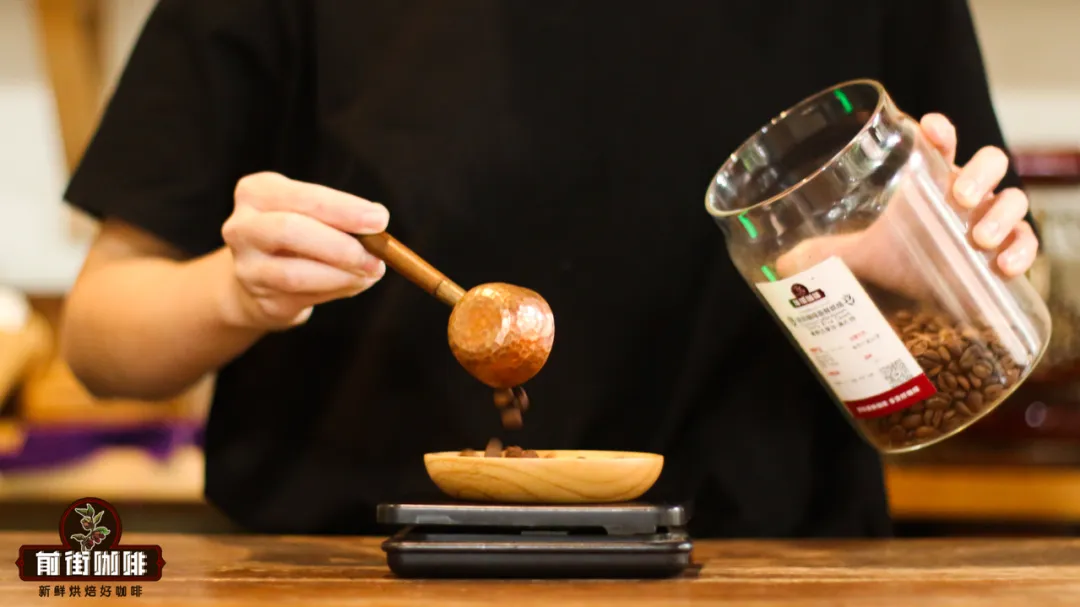
Some friends feel puzzled after seeing baristas use electronic scales at Front Street cafés, because they think making a cup of coffee doesn’t need to be so complex and cumbersome. Just like an experienced chef cooking, simple eyeballing, or using tools like measuring spoons and measuring cups, can measure an approximate amount, and the brewed coffee can still taste very good. There’s simply no need to use such a troublesome device as an electronic scale—it seems like an unnecessary extra step.
Indeed, an electronic scale is not a must-have for coffee brewing! As these friends mentioned, eyeballing and using measuring cups and spoons can also brew a good cup of coffee, and an electronic scale is not necessarily required. But we need to know that although the above methods can all help us more simply brew a good cup of coffee, they are not stable. If you are not a very experienced coffee person, Front Street still recommends using an electronic scale, because if beginners use the above methods to brew coffee "blindly," the quality of the coffee they get is like a blind box—very random~
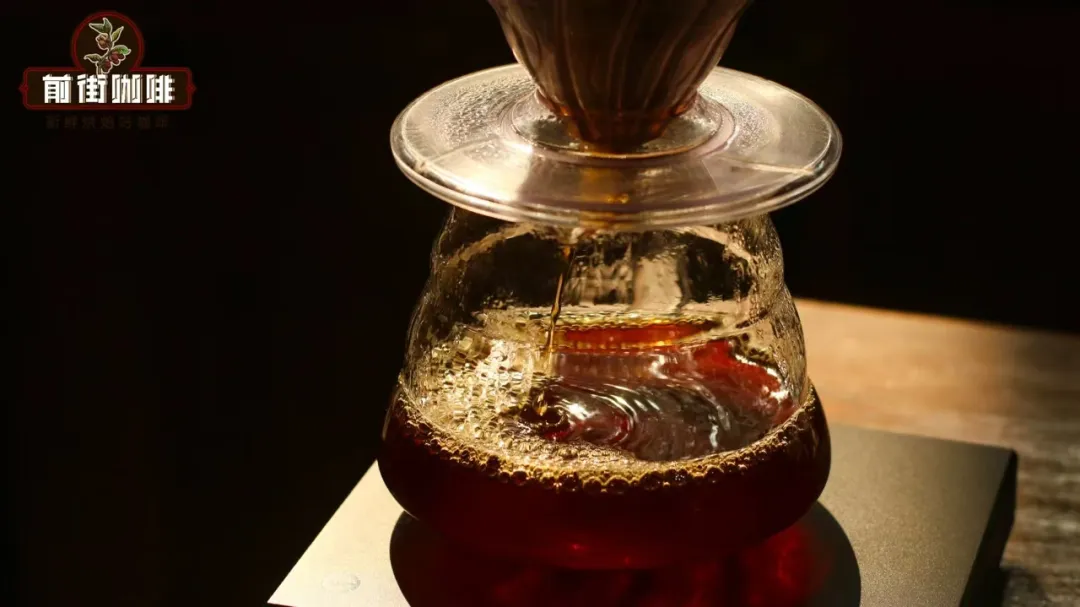
Why use an electronic scale to make coffee? Although everyone’s preferences differ, Front Street believes that everyone’s definition of a good cup of coffee is roughly the same—a pleasant concentration and no unpleasant flavors. In terms of coffee extraction, this corresponds to suitable concentration and extraction yield, and we use appropriate parameters to bring the coffee’s extraction yield and concentration into this ideal range.
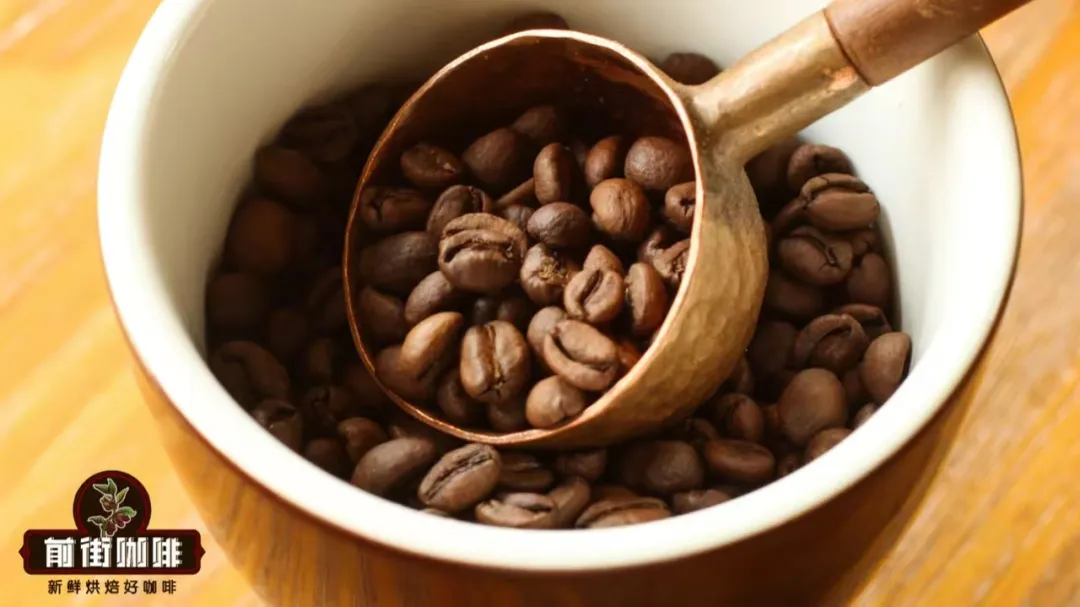
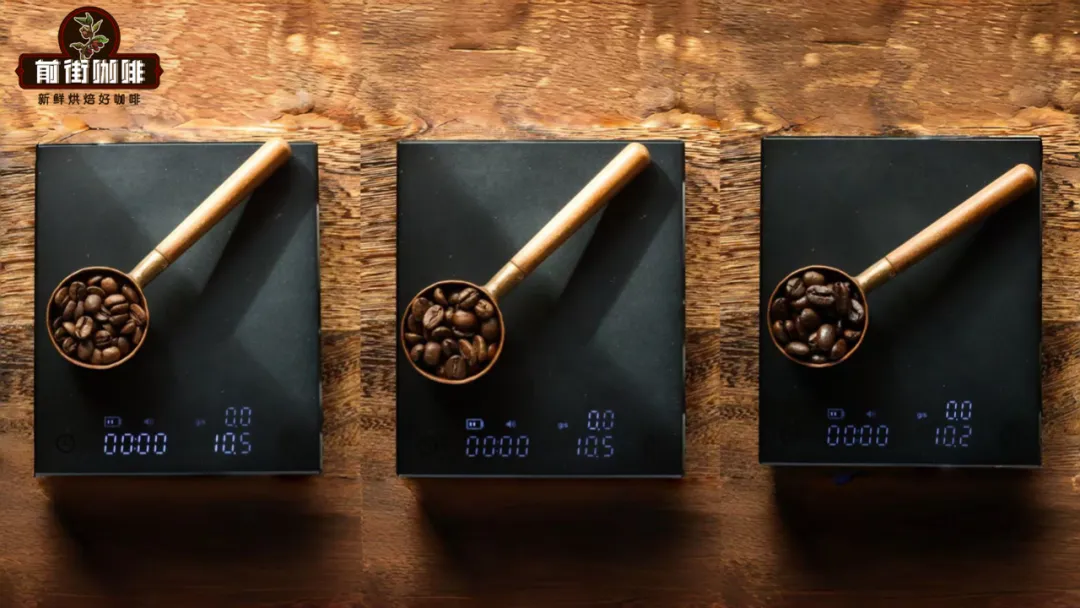
The reason an electronic scale can become the key to consistently brewing a good cup of coffee is that it ensures the amount of grounds and water we use each time is consistent, with not too many variables. Conventional measuring spoons, measuring cups, and eyeballing cannot achieve this level of precision. Not only that, if you don’t pay attention to some details when using them, the deviation they bring can be even greater than you imagine. Here Front Street first gives an example with a measuring spoon! The capacity of a traditional coffee measuring spoon is set at 10g, meaning if you use this spoon to take one level scoop of coffee beans, the bean weight will be about 10g. Front Street’s actual tests indeed showed this: each time the bean amount obtained was 10g±0.5g.

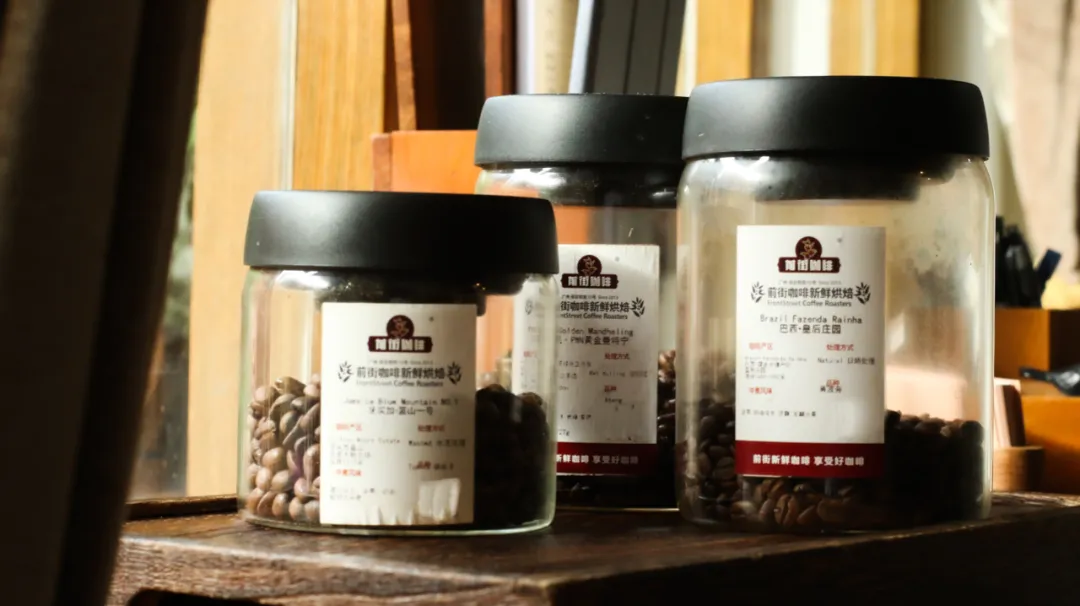
But! There is a premise here: the coffee beans you scoop can only be dark roasted. If they are light roasted coffee beans, then the weight of the beans you scoop will completely exceed your imagination. In the above experiment, the coffee beans Front Street weighed were all darker-roasted coffees from Front Street’s Taobao/Tmall bean list. From left to right they were Front Street Brazil · Queen Estate, Front Street Jamaica · Blue Mountain No. 1 Coffee, and Front Street Sumatra · Golden Mandheling.
Next, Front Street will use lighter-roasted coffee beans from the bean list for testing. They are Front Street Yirgacheffe · Gotiti, Front Street Ethiopia · ALO, and Front Street Panama · Boquete Geisha.
As you can see, even though it is the same level scoop, the bean amounts weighed were 13.4g, 12.7g, and 11.7g respectively, completely exceeding the expected capacity, and with huge differences. The reason for this difference, as Front Street mentioned, is the roast level of the coffee beans. Under the same roasting method, the darker the coffee beans are roasted, the larger their volume becomes and the lighter their weight. This is because increasingly darker roasting causes the coffee beans’ volume to continuously expand, while the reduction in internal moisture makes them lighter; light roasting is the opposite. Therefore, the amount of coffee beans scooped by a measuring spoon will vary according to the characteristics of the beans.
If we use the same amount of water to brew without knowing about this variation, then when you scoop a larger amount of coffee beans, it is easy to end up with a cup of coffee that is too concentrated, even so concentrated that it is hard to drink. To help everyone understand better, Front Street here uses Front Street Boquete Geisha from Front Street’s bean list as an example. The experiment is very simple: brew one pot of coffee each using 10g and 13g of Front Street Boquete Geisha, with all other parameters except the dose—including water amount (both 150ml)—kept the same.
The final result is that the coffee brewed with 10g of coffee grounds had just the right concentration, a balanced taste, and prominent white floral, citrus, and berry flavors. The coffee brewed with 13g of coffee grounds, however, was harder to drink because of its higher concentration; the taste became somewhat heavy due to the too-high concentration, and the flavors were less prominent because they were too concentrated, making some delicate flavors impossible to distinguish. It needed to be diluted with water to adjust to a suitable concentration and taste.
The above is the impact that differences in dose can bring us! Next is liquid weight. Earlier Front Street mentioned that many friends rely on the cup’s markings to measure coffee liquid. But sometimes, the cup’s markings cannot provide very accurate information either, especially for espresso. The image below shows two cups of espresso with the same liquid volume. Everyone can take a look at what the difference is.
That’s right! Although the liquid volume is the same, the positions of their liquid levels are different, and the reason for this difference lies in the presence or absence of crema and the extraction yield being high or low. (The former is the medium-light roasted Front Street Ethiopia · Huakui, and the latter is the medium-dark roasted Front Street Espresso Front Street Classic Blend) For beginners who have just started, if they rely on the cup’s scale lines to judge liquid weight, then in many cases they will be unable to make correct adjustments quickly because they cannot obtain accurate data. Combined with errors in dose, making a good cup of coffee really requires quite a bit of luck.
Therefore, if everyone wants to consistently make a good cup of coffee, or take fewer detours when studying parameters/adjusting the taste of espresso, then using an electronic scale is definitely a very good choice. After you are thoroughly familiar with the logic of brewing and a certain bean, it will not be too late to use measuring spoons and measuring cups to simplify the brewing process~ Friendly reminder: Front Street Taobao/Tmall coffee bean flash sale is about to begin. For details, everyone can learn from the tweet later tonight from Front Street Coffee’s Xiaokashen~ - END -
The above content is compiled by CoffeeHunters, a coffee news website.


