








Why Does Coffee Brewing Measurement Need a Digital Scale?
In coffee brewing, a measuring spoon measures volume, not weight, so the same level spoonful can hold 9g or 11g of beans depending on variety, growing conditions, and roast level. Because one gram changes concentration and extraction yield, a digital scale gives the repeatable dose that a spoon cannot, especially for pressurized espresso.
An experiment with a sun dried coffee beans sample, Front Street Geisha Village Estate Red Label Geisha, medium-light roasted, kept water constant and changed only 1g of coffee dose. Concentration and taste shifted noticeably. In most kitchens the spoon still scoops beans, but it is not a weighing tool, so a scale remains the reliable option.
In coffee brewing, the choice of measuring tool may seem like a small matter, but it directly affects consistency of the final product. Although a measuring spoon is convenient, it measures volume rather than weight. Due to differences in variety, cultivation, and roasting, the same level spoonful of different coffee beans may scoop out 9g or 11g, an error large enough to change the flavor direction. Front Street once conducted an experiment with Geisha Village Red Label Geisha. With parameters such as the amount of water kept unchanged, adjusting only 1g of coffee dose produced noticeable differences in concentration and extraction yield. This article will use experimental data to explain why electronic scales have become the first choice of coffee shops, and to explain why the requirements for weighing precision are even higher under pressurized espresso extraction.
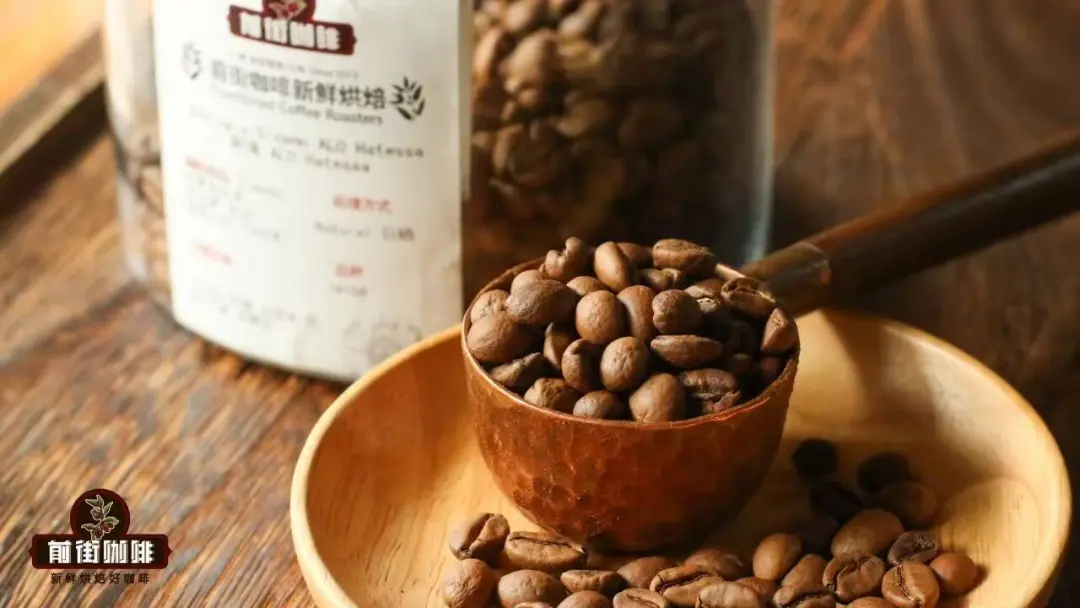
But then again, in most scenarios, we just use a measuring spoon as an ordinary spoon to scoop beans, and we do not really use it to weigh coffee beans. So some friends wonder: the measuring spoon is obviously so handy, why still use an electronic scale to weigh gram by gram? Is that really necessary?
The answer is: it is indeed necessary. A measuring spoon measures volume, not weight, so it is hard for us to accurately take out the desired amount of beans. The reason is not complicated—different coffee beans vary in size and weight, affected by multiple factors such as variety, growing conditions, and roast level. Since it measures volume, even the same level spoonful may have a different actual weight. This deviation is especially obvious when weighing beans of different roast levels: some beans are 9g per spoon, while others can reach 11g. This gap directly affects extraction and the final brewed coffee, because if you do not know the bean amount has already changed, the other brewing parameters are often still executed as before. So even if the error is only 1g, the brewed taste will differ.
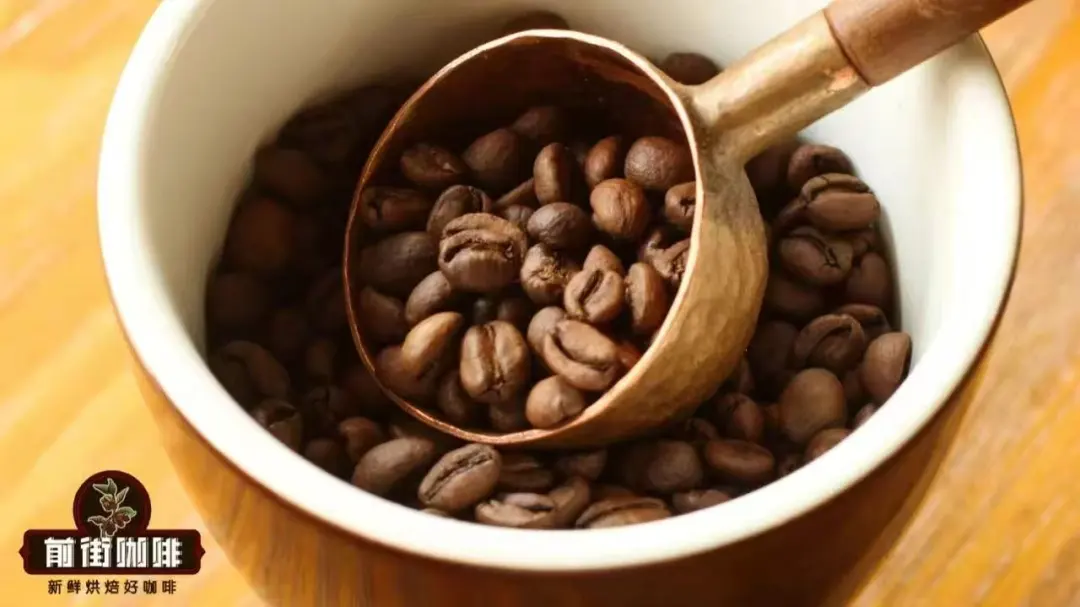
Front Street conducted an experiment: with extraction parameters including the amount of water kept unchanged, changing only 1g of coffee dose to brew coffee, then comparing their differences in concentration and taste. The beans used in the experiment were Front Street Geisha Village Estate · Red Label Geisha. This is a sun-dried Ethiopian coffee bean, medium-light roasted, with a very charming floral and fruity aroma, and it is also an Ethiopian Geisha that many friends like. It happens to be one of the coffees in this event; interested friends can learn more at the Front Street flagship store on Tmall and Taobao. The extraction parameters are as follows: Coffee dose used: 14g, 15g, 16g Water used: 225ml Grind size: No. 20 sieve, 75%~80% passing rate Brewing water temperature: 92°C Brewing time: 2 minutes Pouring method: three-pour method
Let us skip the brewing process and look directly at the results. 16g: The coffee brewed with 16g Geisha Village Red Label had a concentration of 1.49% and an extraction yield of 21.98%. The taste was on the rich side, with full-bodied notes of berries, citrus, apricot, and oolong tea. 15g: The coffee brewed with 15g Geisha Village Red Label had a concentration of 1.38% and an extraction yield of 21.88%. The concentration was just right, the mouthfeel smooth, and it also had notes of berries, citrus, apricot, and oolong tea, but relatively less prominent, while the layers were actually more distinct. 14g: The coffee brewed with 14g Geisha Village Red Label had a concentration of 1.30% and an extraction yield of 22.27%. The taste was more balanced and the mouthfeel light. Although the flavor was not considered rich, it was more obvious than the previous two cups. In addition to berries, citrus, apricot, and oolong tea, a delicate floral note could also be detected.
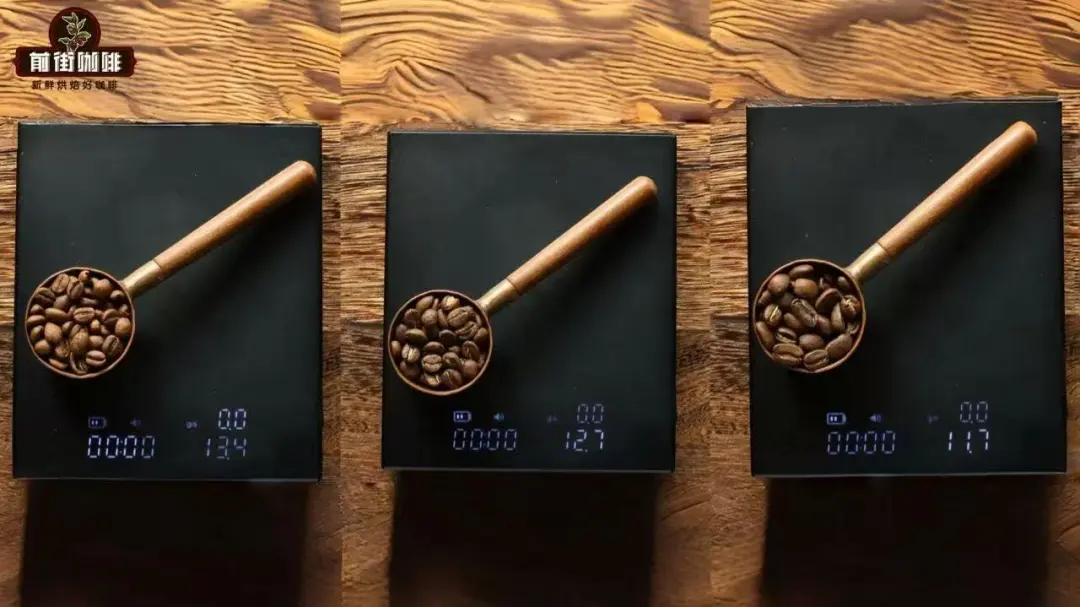
It can be seen that all three cups of coffee were delicious, but the points that made them delicious were different
. The reason for the difference is: the gram weight of the beans changed, but the other parameters did not. Thus the coffee's concentration and extraction yield change as the bean amount increases or decreases from the original basis. In summary, this is why coffee shops use electronic scales rather than measuring spoons to measure coffee beans. Even if a measuring spoon is more convenient, and even if a small error may not necessarily bring a negative taste, for the sake of more stable output, everyone is still more willing to use an electronic scale as the measuring tool.
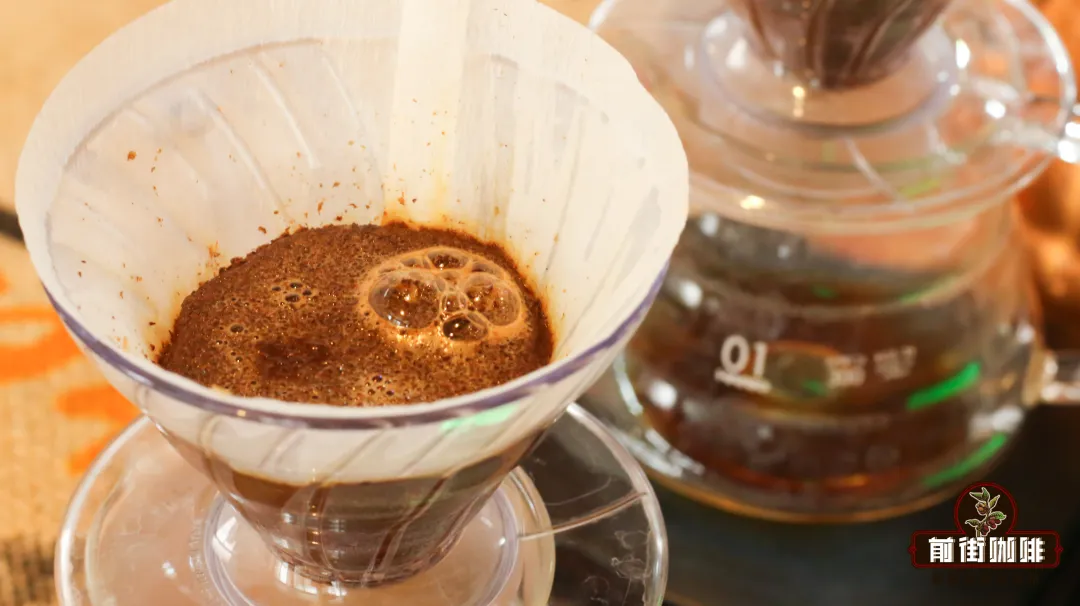
It is worth mentioning that the example Front Street gave above was pour-over coffee. In the case of pressurized extraction for espresso, the difference will be even more obvious; even a difference of only 0.5g can make a big difference in coffee taste. Therefore, for coffee shops, stable output is more important than convenience.
- END -
The above content is compiled by CoffeeHunters, a coffee news website.


