







Search Results for: drum temperature
A Complete Guide to Roasting Curve Parameters: From Turning Point to First Crack, a Step-by-Step Explanation of the Key Milestones
The roasting process of every coffee bean requires detailed recording of curve data, including the turning point, heat adjustments, temperature changes, and first crack time. These data are not only the basis for reproducing flavor, but also an important reference for roasters to understand the characteristics of the beans. This article will break down the key nodes in the roasting curve one by one—from the preheating drum temperature setting, the coordination of heat and airflow, to the turning point, yellowing point, Maillard reaction, caramelization reaction, and then to the determination of first crack and the calculation of the rate of rise—to help you build a clear logic for reading roasting curves. At the end, using [Front Street Jamaica Blue Mountain] as an example, it shows how to design the roasting rhythm according to the nature of the beans, so that acidity, body, and aroma reach a delicate balance. [more…]
Home Coffee Green Bean Roasting Guide: A Detailed Practical Guide to Three Methods—Rotating Drum, Cast Iron Pan, and Oven
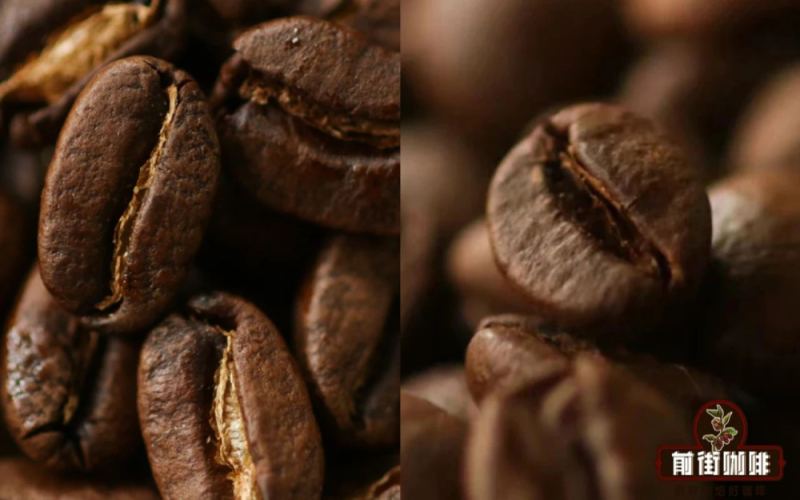
More and more coffee enthusiasts are no longer satisfied with just the brewing stage and have begun trying to buy green beans and roast them at home. But once the green beans are in hand, how to proceed leaves many people stumped. Drawing on the hands-on experience of Front Street Coffee, this article systematically lays out the complete approach to home roasting: from heat control and stirring rhythm, to identifying first crack and second crack and deciding when to stop the roast, to the pros, cons, and techniques of three tools—the roaster drum, the iron wok, and the electric oven—along with a time comparison for roasting the same Brazil Cerrado Red Bourbon on a professional roaster versus a roaster drum. Whether you just want a novel experience or are serious about roasting a batch of beans that is actually drinkable, you will find practical references here. [more…]
A Complete Guide to Panama Geisha Coffee: Hacienda La Esmeralda's Grading System, Flavor Characteristics, and Pour-Over Roasting Guide
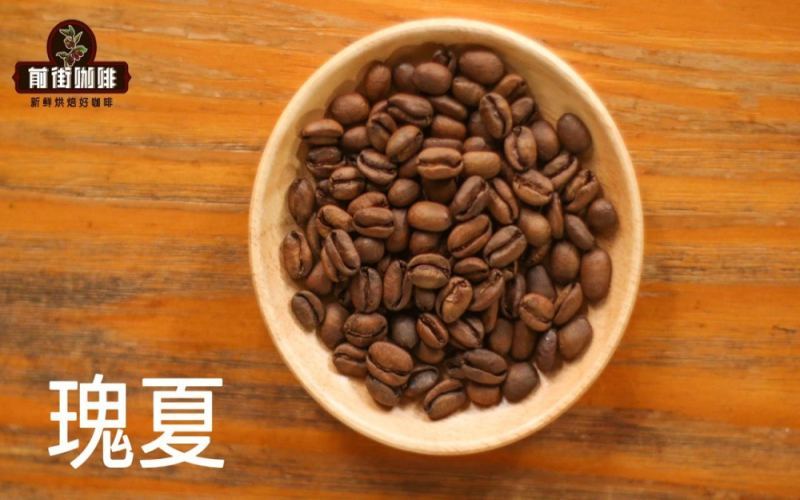
Geisha coffee is one of the most highly regarded varieties in today's specialty coffee world, and the Geisha produced by Hacienda La Esmeralda in Panama is the benchmark among them. This article begins with the variety's origins and history of spread, then takes a deep look at the unique terroir conditions of Panama's Boquete region, breaks down in detail the grading logic and flavor differences of Hacienda La Esmeralda's three Geisha tiers—Red Label, Green Label, and Blue Label—and includes Front Street Coffee's recommended roasting curves and pour-over extraction parameters for each grade of Geisha. Whether you are a newcomer just getting into specialty coffee or a seasoned enthusiast looking for your next Geisha, you will find practical reference information here. [more…]
A Complete Guide to the Origins of the Geisha Coffee Variety, Hacienda La Esmeralda's Red/Green/Blue Label Grading, and Pour-Over Brewing Flavors
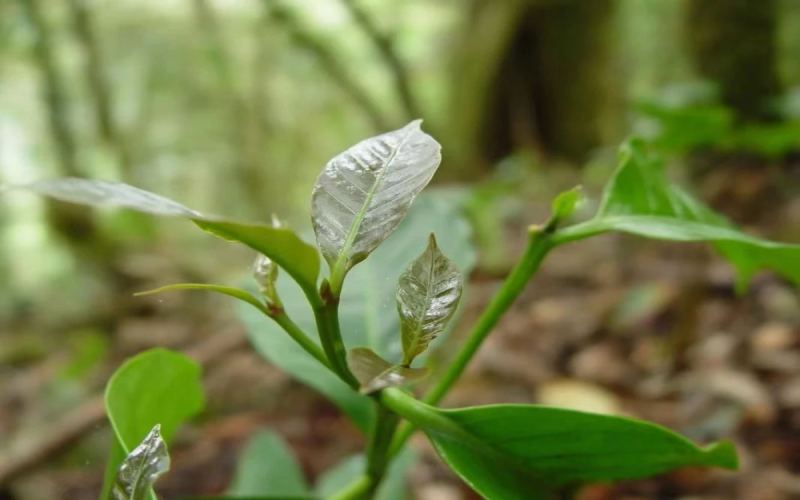
Geisha coffee is now a hot variety that competitors in major competitions rush to choose. Where exactly did it come from, and why can it present such stunning floral aromas and fruity acidity? Panama's Hacienda La Esmeralda divides Geisha into three grades: Red Label, Green Label, and Blue Label, each corresponding to different altitudes, plots, and cupping performance, with very significant price differences as well. This article will start from the history of Geisha's discovery, sort out Hacienda La Esmeralda's grading system, and share Front Street Coffee's roasting curves and pour-over brewing parameters for the three grades of Geisha, helping coffee lovers comprehensively understand the flavor characteristics and brewing key points of this legendary variety. [more…]
Ethiopian Huakui Coffee Flavor Evolution and Pour-Over Parameters: A Comprehensive Comparison from 5.0 to Small-Bean Huakui
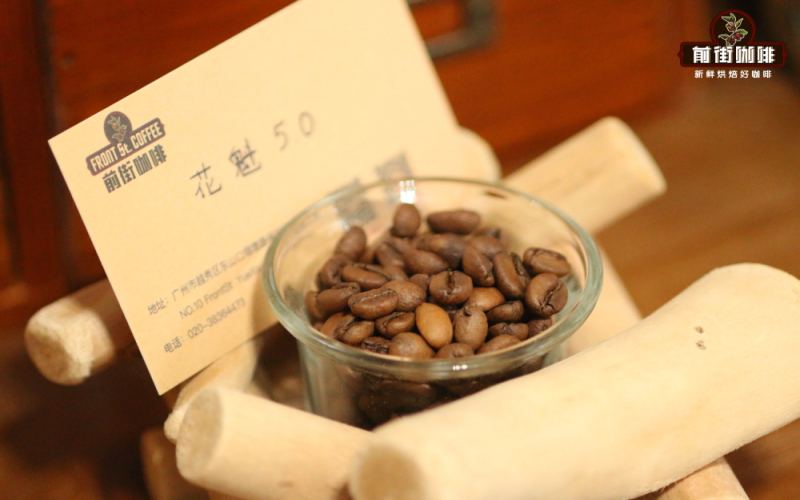
The 2021 new-crop Huakui 5.0 coffee beans arrived at port as scheduled, and Front Street Coffee completed roasting and cupping at the first opportunity, then compared them in brewing with the much-loved Small-Bean Huakui. This article provides a detailed analysis of the flavor differences between the two beans, pour-over parameters, traces the origin of the name Huakui and the natural processing method, reviews the flavor evolution of Huakui versions 2.0 through 5.0, and includes the complete roasting records of Front Street’s five Sidamo Huakui lots. Whether you want to understand the past and present of Huakui or are looking for a reliable brewing plan, this article offers thorough and practical reference. [more…]
The Origin and Evolution of Geisha Coffee Beans: How to Accurately Identify the Truth and Falsehood of Geisha Historical Claims
Geisha coffee beans now frequently appear in major coffee competitions, becoming a star variety in the specialty coffee world. Where exactly did it come from, and how did it step by step reach the world stage? This article will start with the variety definition and origin of Geisha, sorting out its development trajectory from the forests of Ethiopia to Panama's Hacienda La Esmeralda, and provide a detailed interpretation of Hacienda La Esmeralda's Red Label, Green Label, and Blue Label Geisha grading systems and their respective flavor characteristics. At the same time, Front Street Coffee will share years of cupping and roasting experience, analyzing methods for identifying Geisha green beans, light-roast approaches, and brewing suggestions, helping coffee enthusiasts clarify the true and false claims in Geisha's history. [more…]
The Origin of Geisha Coffee Beans, Flavor Differences Between Hacienda La Esmeralda's Red, Green, and Blue Labels, and Front Street Brewing Guide
Geisha coffee beans, with their iconic floral aroma and delicate fruit acidity, have become one of the most sought-after varieties in the specialty coffee world. From the perspective of Front Street Coffee, this article traces Geisha's journey from the forests of Ethiopia to Hacienda La Esmeralda in Panama, analyzes the microclimate differences among the estate's three major plots—Jaramillo, Cañas Verdes, and El Velo—and explains one by one the processing methods, flavor profiles, and Front Street roasting curves for the three grades: Red Label, Green Label, and Blue Label. The article also documents Front Street's actual brewing parameters for Geisha—coffee-to-water ratio, water temperature, and staged pouring technique—helping coffee enthusiasts understand the taste differences brought by different processing methods. [more…]
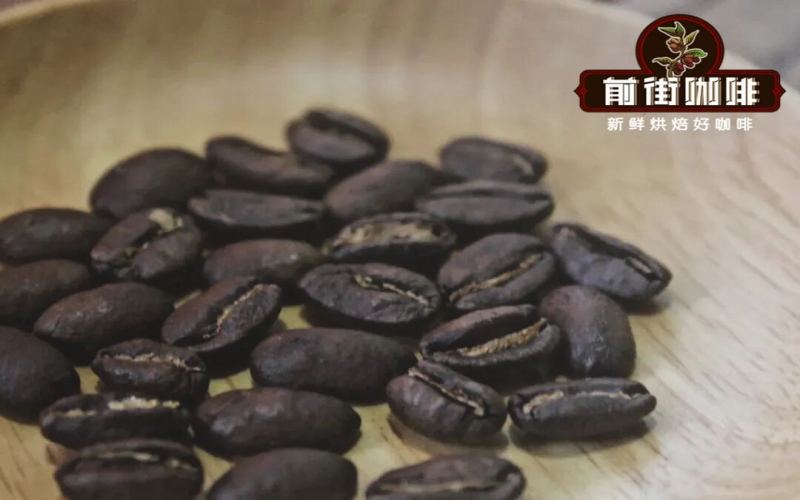
Honduras Coffee Beans | What Coffee Regions Are There in Honduras? What Flavor Characteristics Do Honduran Coffees Have?
Honduran coffee beans were not initially favored by the general public. While the coffees of neighboring Guatemala and El Salvador were making a name for themselves, Honduran coffee farmers were still struggling to survive. Honduras is located in northern Central America, bordered by the Caribbean Sea to the north and the Gulf of Fonseca on the Pacific Ocean to the south, and shares its eastern and southern borders with Nicaragua and [more…]
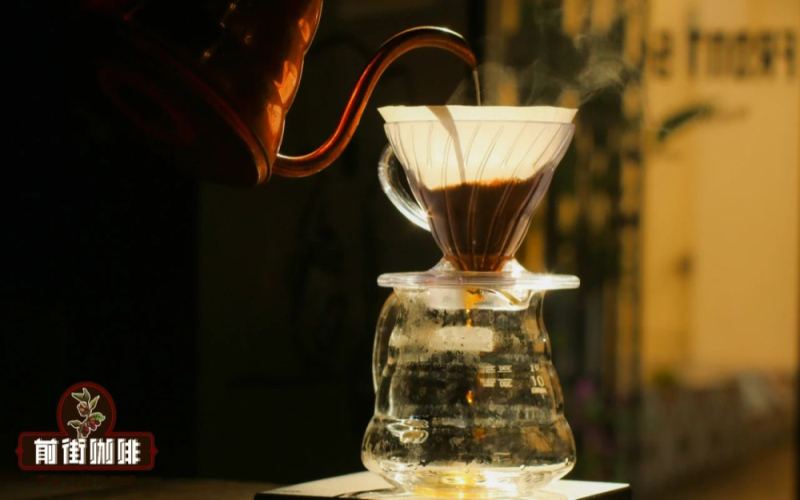
Pour-Over Coffee Bean Selection Guide: A Complete Analysis of the 7 Major Flavor Types of Single-Origin Beans and Brewing Recommendations
For those who are just getting into pour-over coffee, the bewildering array of coffee beans on the market often leaves them unsure where to start. In fact, pour-over usually calls for single-origin beans — that is, beans from a single region, single estate, or cooperative — which offers greater quality assurance. Front Street Coffee groups today's most popular single-origin beans into seven flavor categories: fruity, floral, fermented, sweet, balanced, high-body, and nutty-cocoa. Whether you prefer a bright, acidic, light and fresh profile or favor a rich, heavy mouthfeel, you can find your direction in this classification. Below, we introduce each flavor category one by one, covering representative bean varieties, origin information, cupping notes, and Front Street's roasting recommendations, to help you quickly pinpoint the pour-over bean that suits you. [more…]
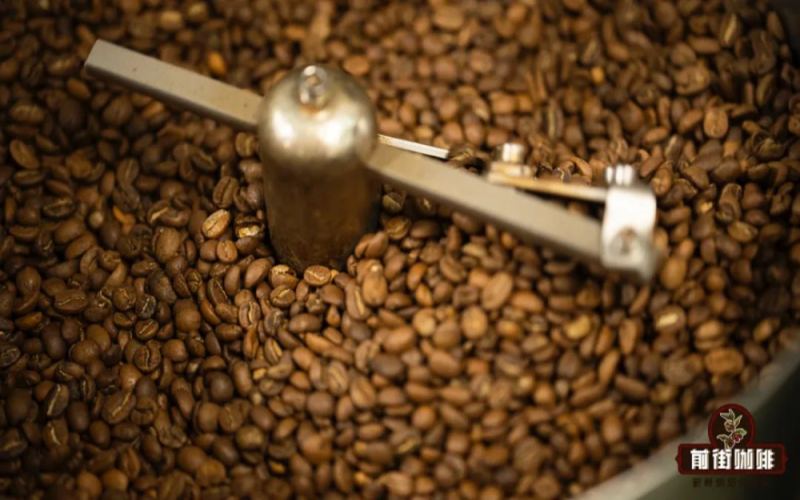
Coffee Bean Roasting for Beginners: A Complete Guide to Equipment Selection, Differences in Heat Transfer Methods, and Core Terminology
Want to learn how to roast coffee? Start by getting to know the tools and the terminology. Roasting coffee beans looks as simple as stir-frying vegetables, but doing it well requires a solid foundation of knowledge. In this article, Front Street Coffee will walk you through several common coffee roasting devices—direct-fire, semi-direct-fire, and hot-air roasters—covering their respective heat transfer principles, advantages, and drawbacks. At the same time, we'll systematically sort out the professional terms that come up during roasting, including charge point, turning point, yellowing point, first crack and second crack, as well as stage concepts like the drying phase, browning phase (Maillard), and development phase. Mastering this foundational knowledge is an important prerequisite for actually roasting beans, judging the roasting pace, and controlling the direction of flavor—and it can help you avoid detours and roast a good batch of beans faster. [more…]
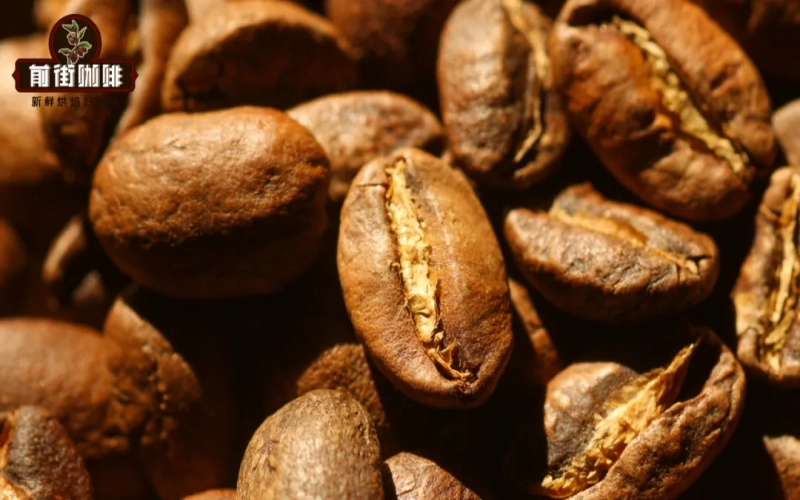
A Detailed Guide to Panama Hacienda La Esmeralda Geisha Coffee Grades: Flavor Differences Between Red, Blue, and Green Labels and Key Roasting and Brewing Points
Panama's Hacienda La Esmeralda Geisha coffee beans, with their strict grading system and exceptional flavor, have become a benchmark in the specialty coffee world. What exactly are the differences between Red Label, Green Label, and Blue Label? From the perspective of Front Street Coffee, this article sorts through Hacienda La Esmeralda's history, plot divisions, and brand strategy, and explains in detail the cupping performance, roasting parameters, and brewing suggestions of the three major Geisha grades, helping coffee lovers build a clear cognitive framework for Geisha and gradually experience the rich layers of the coffee world. [more…]
Panama Hacienda La Esmeralda Geisha Coffee Price Analysis: A Complete Guide to Red, Green, and Blue Label Grades and Flavor Characteristics
Geisha coffee has conquered the taste buds of countless coffee lovers with its unique floral and fruity notes, and Panama's Hacienda La Esmeralda is undoubtedly the king of origins for this variety. But why do Geisha coffees vary so wildly in price? What exactly are the differences between Red Label, Green Label, and Blue Label? From the perspective of Front Street Coffee, this article systematically traces the origin and spread of Geisha coffee, takes a deep dive into the microclimate characteristics of Hacienda La Esmeralda's three major plots, and breaks down one by one the cupping performance, growing altitude, and flavor profile of the three grades of Geisha—Red Label, Green Label, and Blue Label—while also including Front Street Coffee's roasting and brewing parameter recommendations to help you fully understand the Geisha coffee grading system and key tasting points. [more…]
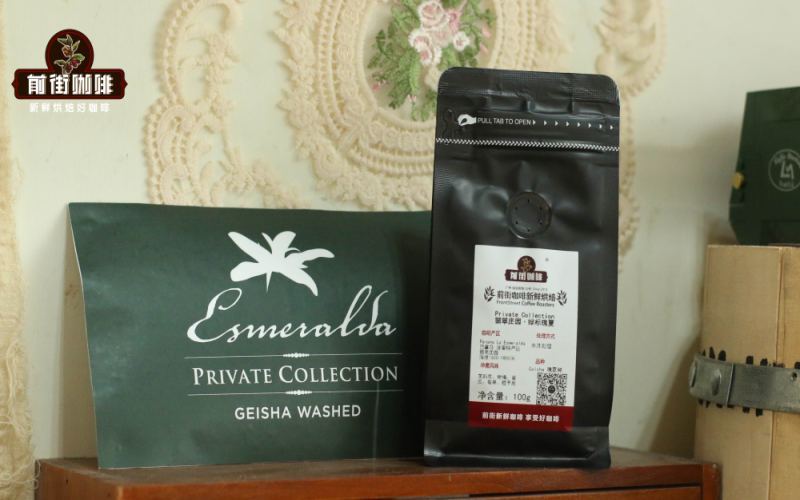
Front Street Emerald Estate Red Label Geisha Roasting Guide: How to Release Tea Notes and Floral Aromas Through Profile Control
Geisha coffee from Panama's Emerald Estate has always been renowned for its refined floral aroma and tea-like character, and Front Street Coffee's Emerald Red Label Geisha is a higher-tier representative among them. To preserve and highlight these signature flavor characteristics as much as possible during roasting, precise control is needed over the charge temperature, heat intensity, airflow damper, and key milestones such as dehydration and first crack. This article will break down the roasting process of Front Street Coffee's Emerald Red Label Geisha in detail, from charging at a drum temperature of 150°C to dropping at 189.5°C, explaining the adjustment logic at each stage step by step, and providing a complete description of the dry aroma, wet aroma, and palate flavors, to help coffee enthusiasts understand how to fully release the tea-like character and floral notes through the roasting curve. [more…]
Complete Guide to Panama Geisha Coffee: Distinguishing Hacienda La Esmeralda's Red, Green, and Blue Labels Plus Brewing and Roasting Key Points
Geisha coffee beans were once listed by Forbes as one of the most expensive coffees in the world, and today they are a star of the specialty coffee world. Among them, the Geisha produced by Hacienda La Esmeralda in Panama is especially famous. Within the estate, based on altitude, plot, and cupping performance, different grades such as Red Label, Green Label, and Blue Label are classified, with obvious differences in price and flavor. From the perspective of Front Street Coffee, this article sorts out the history of Hacienda La Esmeralda, the distribution of its plots, and changes in its grading system, and explains in detail the roasting curves and brewing parameters for each grade of Geisha, helping coffee lovers understand what makes Geisha unique and why Front Street recommends tasting this precious variety step by step. [more…]
Why Is Panama Hacienda La Esmeralda Geisha Coffee So Expensive? A Full Breakdown of the Red, Green, and Blue Labels, Brewing, and Roasting
Geisha coffee beans were once listed by Forbes as one of the most expensive coffees in the world, and today they are a star of the specialty coffee world. The Geisha produced by Hacienda La Esmeralda in Panama is especially outstanding, and its strict grading system has created different tiers such as Red Label, Green Label, and Blue Label. From the perspective of Front Street Coffee, this article sorts through the history of Hacienda La Esmeralda, its plot divisions, and its brand grading, and breaks down in detail the flavor differences, roasting curves, and brewing parameters of each grade of Geisha, helping you fully understand the real reasons why Hacienda La Esmeralda Geisha is so expensive, and how to taste this legendary variety step by step. [more…]
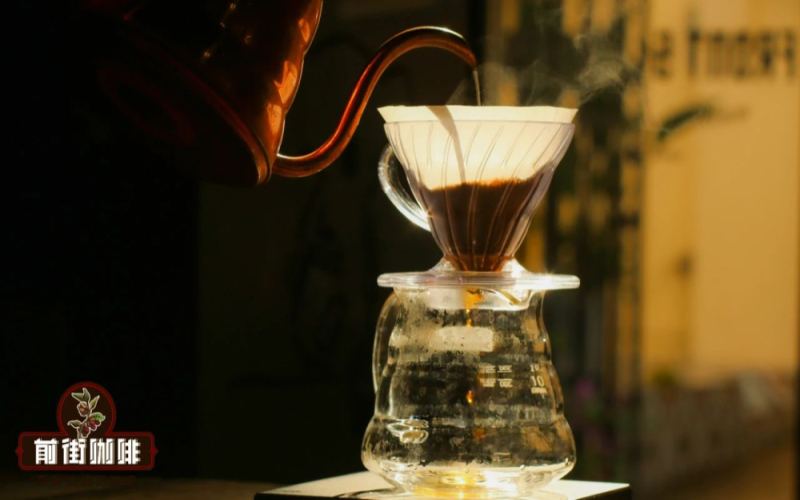
Recommended Varieties of Specialty Coffee Beans for Pour-Over | How Should Coffee Beginners Choose Single-Origin Beans for Pour-Over? What Are the Flavor Characteristics of Washed Gedeb, Golden Mandheling, and Panama Geisha When Made as Pour-Over Coffee?
More and more friends are now joining the ranks of pour-over coffee enthusiasts, and with so many coffee beans to choose from, many are once again struggling with choice paralysis. Generally speaking, the coffee beans used for pour-over coffee are single-origin beans. Single-origin beans refer to beans from a single region (from one estate/cooperative, or from multiple estates/cooperatives within a single origin). [more…]
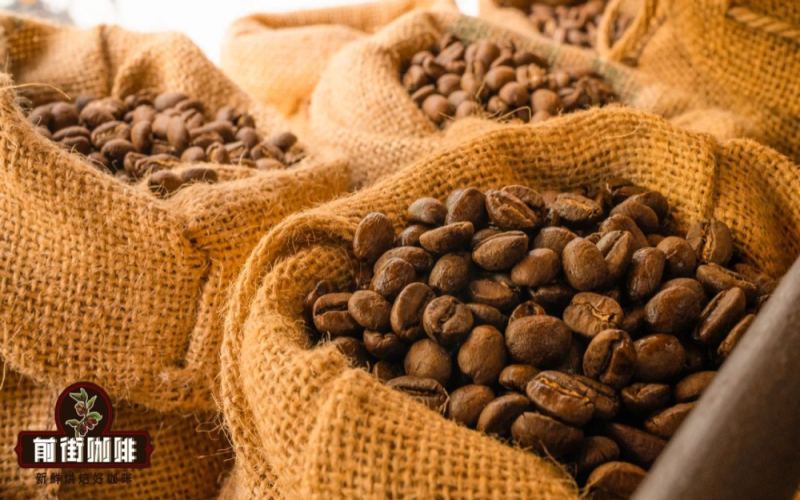
The Complete Guide to Home Coffee Bean Roasting: From Equipment Selection to First and Second Crack Determination and Detailed Flavor Differences
More and more people are no longer satisfied with just brewing and tasting—they want to control the entire process from green beans to roasted beans. But after buying green beans and bringing them home, many people have no idea how to roast them, what tools to use, or how to control the heat. This article, drawing on the practical experience of Front Street Coffee, outlines practical methods for roasting coffee beans at home: how to judge roasting progress by color and cracking sounds, what first crack and second crack each represent, how different roast levels affect flavor and mouthfeel, and the pros, cons, and precautions of three tools—the drum roaster, pan roasting, and the electric oven. After reading, you will at least understand when to adjust the heat, when you can stop the roast, and why roasting too dark is not worth recommending. [more…]
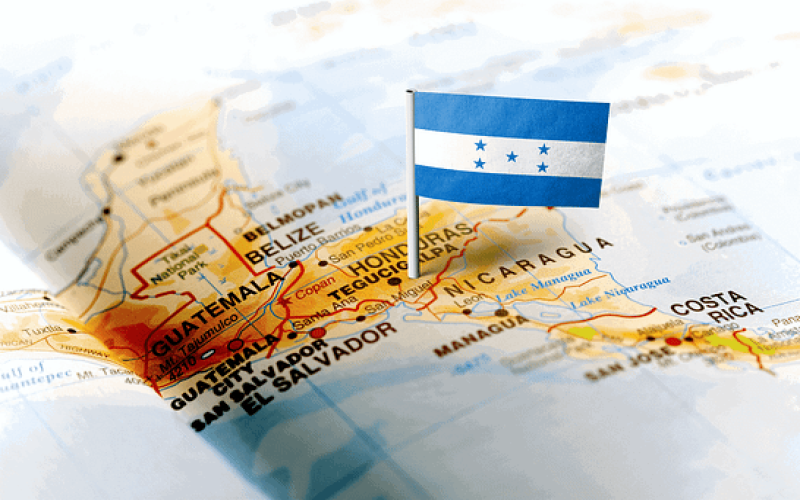
A Complete Guide to Honduran Coffee Origins: Flavor Characteristics, Grading System, and Main Producing Regions
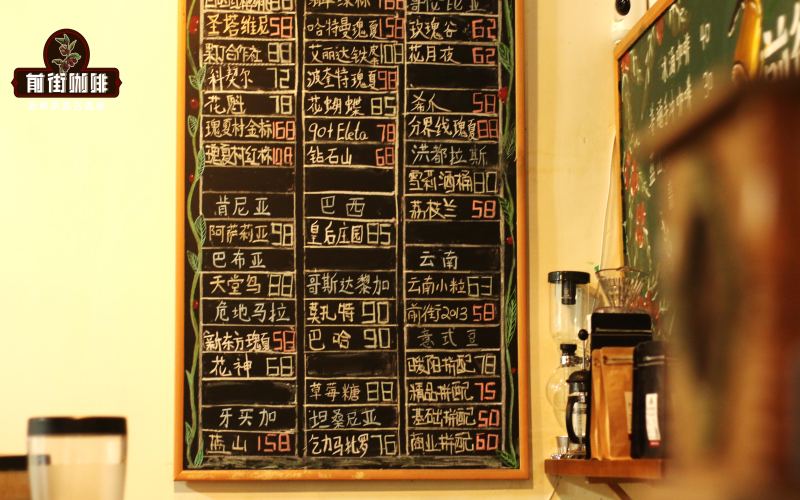
Honduras is now one of the most important coffee-producing countries in the world, but just a few decades ago, its coffee industry lagged far behind its neighboring countries. From the perspective of Front Street Coffee, this article systematically reviews the development history, flavor characteristics, grading standards, and six core producing regions of Honduran coffee, and includes Front Street's roasting and brewing practice notes on several Honduran beans. Whether you want to understand the overall picture of Honduran coffee or are looking for flavor clues for a specific producing region, this article can provide valuable reference. [more…]
A Comprehensive Guide to Honduran Coffee: From Six Major Regions to Specialty Estates, Pour-Over Flavors, Varieties, and Processing Methods
Honduras is now a major global Arabica coffee producer, but its rise to prominence has not been smooth sailing. From the perspective of Front Street Coffee, this article systematically reviews the development history, grading system, and six core producing regions of Honduran coffee, and provides an in-depth analysis of the varieties, processing methods, and roasting and brewing details of three specialty beans: Twin Blossom Estate, Laurel Estate, and Sweet Orange Estate. You will learn about the chocolatey sweetness of the Copán region, the lively fruit acidity of Montecillos, and the flavor differences brought by washed and natural processing, making it suitable for enthusiasts who want a comprehensive understanding of Honduran coffee. [more…]
A Complete Guide to Panama Hacienda La Esmeralda Geisha Grades: Red, Green, and Blue Label Flavors, Auction Prices, and Brewing Comparison
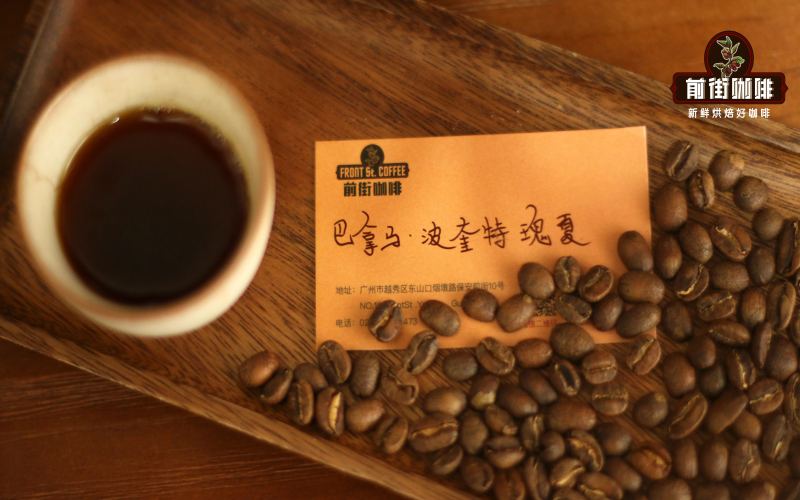
Panama's Hacienda La Esmeralda is the discoverer and promoter of Geisha coffee, and its Geisha product line is divided into three grades: Red Label, Green Label, and Blue Label, which share a similar main profile but show a tiered, escalating relationship. Front Street Coffee's bean list carries all three of these Geisha offerings at the same time, aiming to let coffee lovers gradually experience the unique charm of Geisha from the basic version to the top version. This article will start with the terroir of the Panama producing region, the history of Geisha's introduction from Africa to Panama, and Hacienda La Esmeralda's plot divisions and grading system, then compare in detail the roasting curves, cupping flavors, and brewing suggestions of Red Label, Green Label, and Blue Label, and answer the question of whether auction lots are necessarily superior to non-auction lots, providing coffee lovers with a complete guide to purchasing and tasting Hacienda La Esmeralda Geisha. [more…]