







How Has Geisha Coffee Flavor Evolved Across Versions?
Front Street Coffee received the 2021 new-crop Geisha 5.0 beans in April and roasted and cupped them alongside Small-Bean Geisha. Cupping showed Small-Bean Geisha with deeper strawberry aroma and berry sweetness, while Geisha 5.0 showed livelier berry acidity and brighter floral notes.
Small-Bean Geisha's profile sits closer to the 2017 lots, and Geisha 5.0 carries the Guji style of berry acidity, florals and a juicy body. Both were brewed with the same V60#01 plan for a fair comparison, and roasted records for five Sidamo Geisha coffees trace the name's origin and natural processing.
The 2021 new-crop Geisha 5.0 coffee beans arrived at port as scheduled, and Front Street Coffee completed roasting and cupping at the first opportunity, then compared them in brewing with the much-loved Small-Bean Geisha. This article provides a detailed analysis of the flavor differences between the two beans, pour-over parameters, traces the origin of the name Geisha and the natural processing method, sorts out the flavor evolution of Geisha versions 2.0 through 5.0, and includes the complete roasting records of Front Street's five Sidamo Geisha coffees. Whether you want to understand the past and present of Geisha or are looking for a reliable brewing plan, this article offers detailed reference.
In 2021, the new-crop Geisha 5.0 coffee beans arrived in China as scheduled. Front Street Coffee paid close attention to this and, according to the original plan, completed the receipt of this batch of beans in April of that year.
After the beans were in hand, Front Street immediately began roasting and cupping. At the same time, Front Street Coffee also conducted a side-by-side comparison at the brewing level between Geisha 5.0 and Small-Bean Geisha.
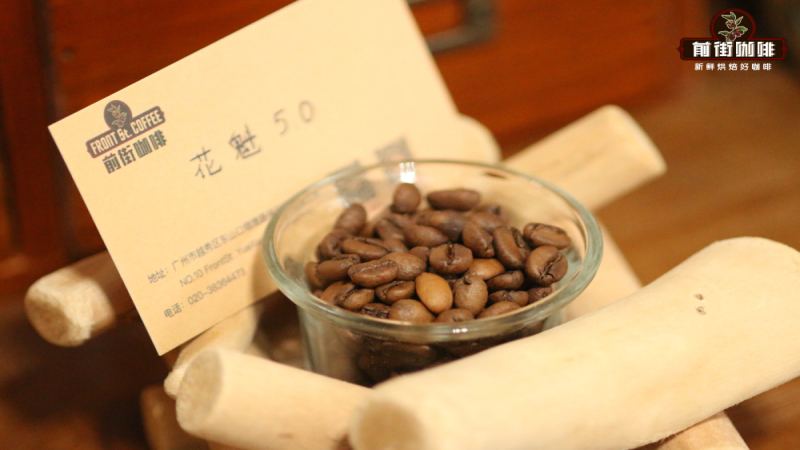
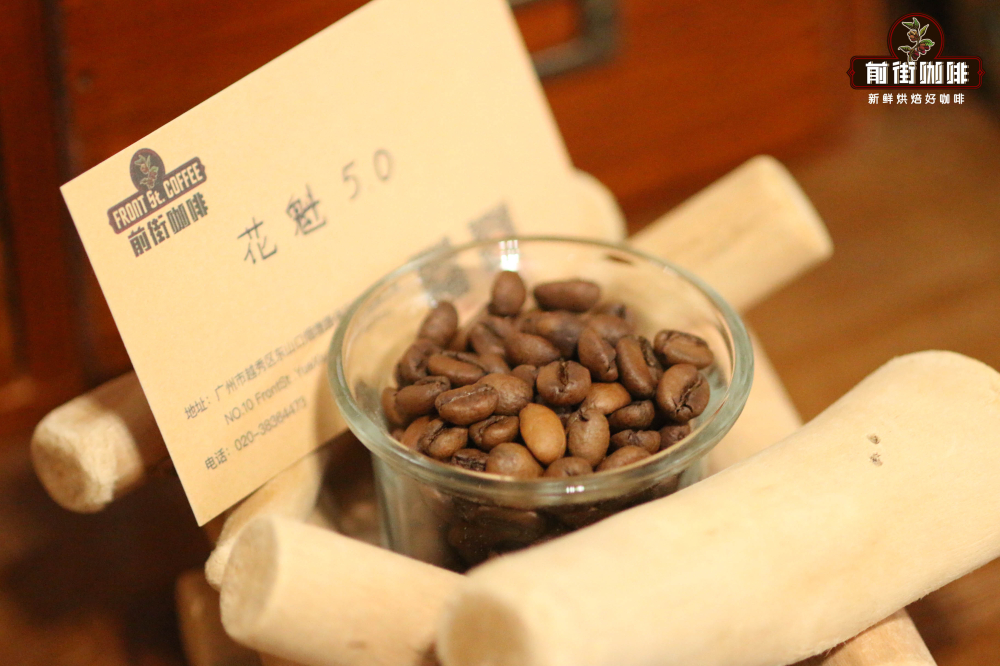
Comparison of Small-Bean Geisha and Geisha 5.0 Coffee Beans Let's start with appearance, observing the green beans and roasted beans of Small-Bean Geisha and Geisha 5.0 respectively.
Both beans are from the 2021 new crop. In terms of bean size, Small-Bean Geisha is noticeably smaller than Geisha 5.0, and the proportion of small-bean coffee beans is also significantly higher than in Geisha 5.0.
After roasting, Front Street sent both beans to cupping. The comparison showed that Small-Bean Geisha presented a deeper, more intense strawberry aroma and berry sweetness; while the 2021 Geisha 5.0 showed a livelier berry acidity, with more prominent brightness.
Front Street Coffee Cupping Flavors: Geisha 5.0 and Small-Bean Geisha
Small-Bean Geisha: creamy strawberry, citrus, passion fruit, fermented wine aroma Geisha 5.0: berries, citrus, honey, mango, floral
From the cupping results, the flavor direction of Small-Bean Geisha is closer to the 2017 Geisha coffee beans, while Geisha 5.0 clearly carries the style characteristics of the Guji region—berry acidity, floral notes, and juicy body.
Front Street Coffee Pour-Over Flavors: Geisha 5.0 and Small-Bean Geisha
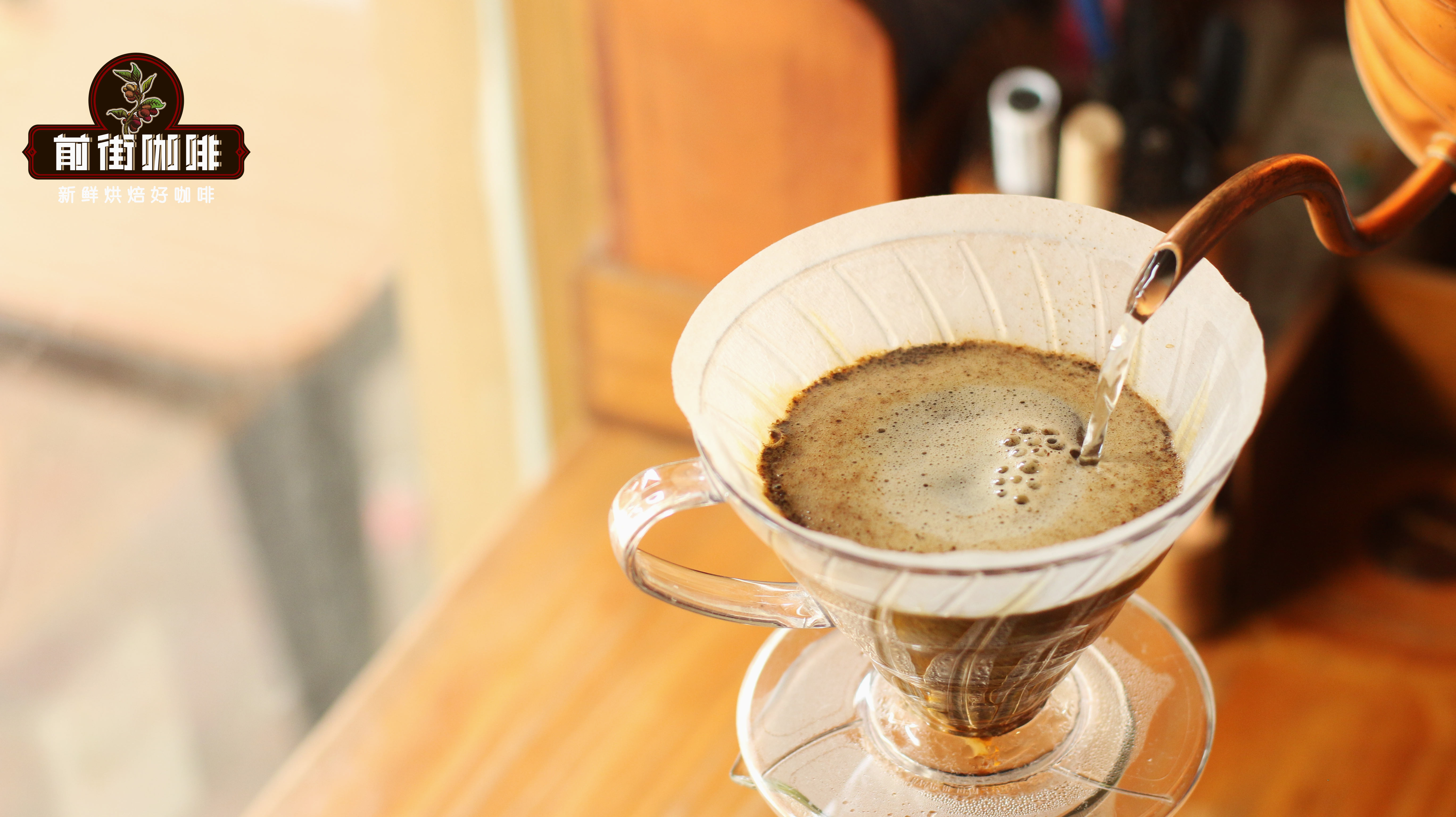
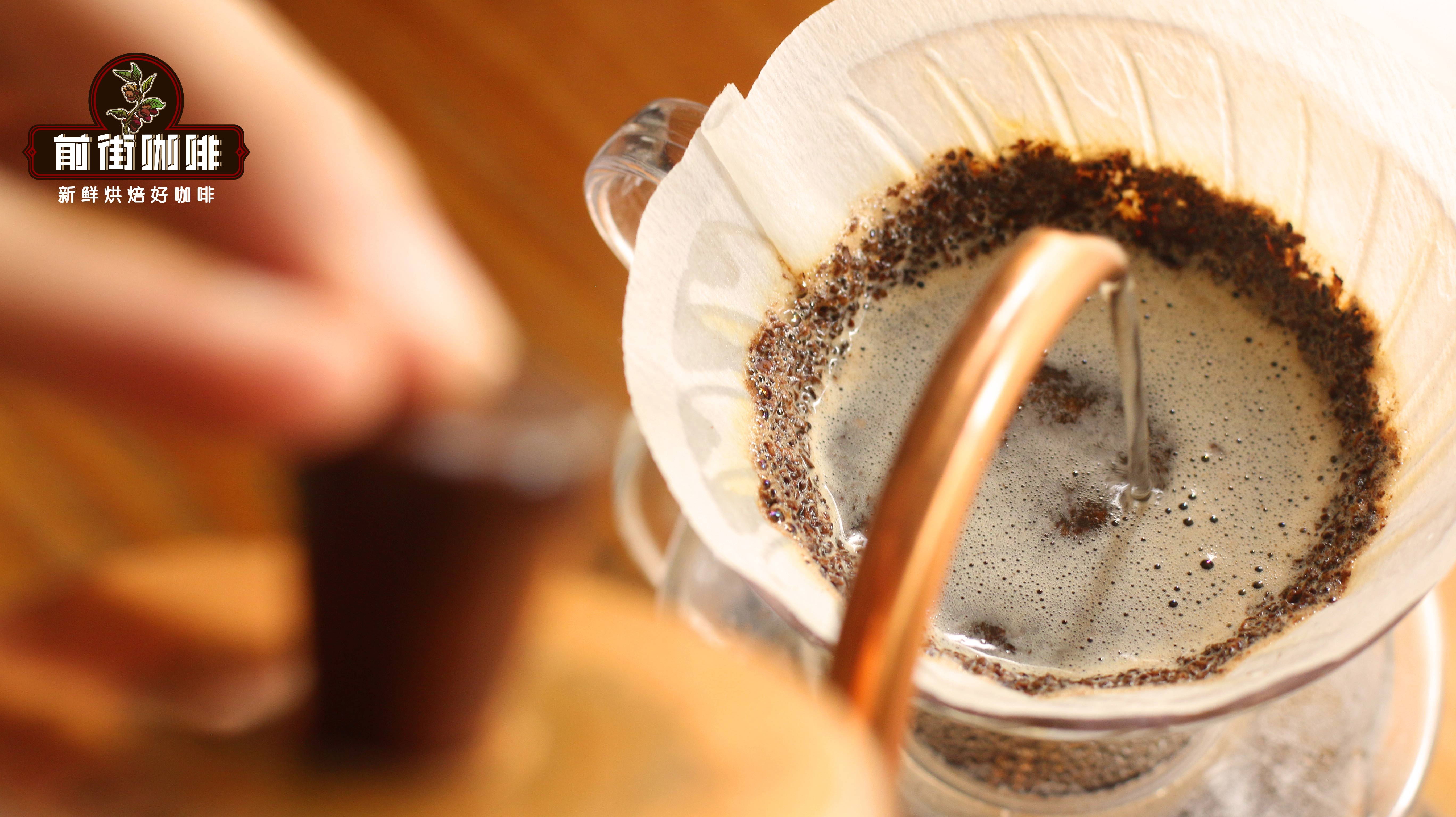
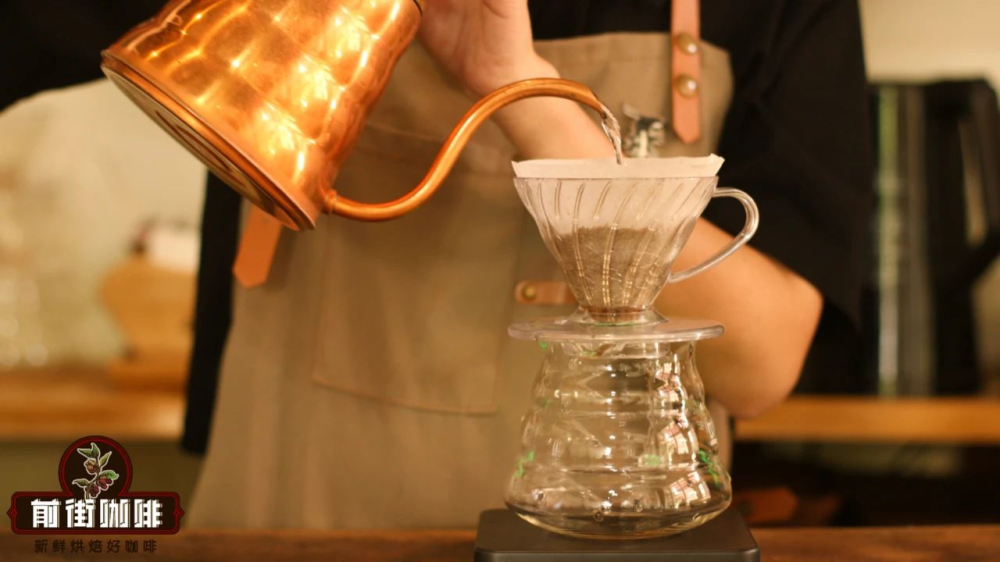
The two coffees used the same brewing plan:
Dripper: V60#01 Water temperature: 90-91℃ Dose: 15g Ratio: 1:15 Grind: medium-fine (80% passing Chinese standard No. 20 sieve)
Brewing method: three-stage extraction. First bloom with 30g of water for 30 seconds, then pour in a small stream in circles until 125g for the first stage; when the water level drops and is about to expose the coffee bed, continue pouring to 225g and stop; when the water level drops again and is about to expose the coffee bed, remove the dripper. Starting timing from the bloom, the total extraction time is 2 minutes 00 seconds.
Small-Bean Geisha Coffee Bean Flavor: Sweet berry aroma, creamy strawberry, passion fruit, rich fruity sweetness, full body.
Geisha 5.0 Coffee Bean Flavor: Floral, berry, citrus, plum sweet-tartness, mango juice, honey, with a sweet black tea finish.
In the ancient Chinese imperial examination system, the top three were called Zhuangyuan, Bangyan, and Tanhua. In the coffee world, this Geisha from the Sidamo Guji region also originates from a Chinese naming approach. If you observe carefully, you will find that the Chinese name and English name of the bean "Geisha" do not correspond—the Chinese name is "Huakui", but the English name is mostly "Hambella", which literally translates as "Hanbella". Front Street will briefly talk here about the origin of the name Geisha coffee.
Geisha literally means the chief of a hundred flowers. When Chinese green bean traders first encountered the Geisha from Hambella in the Sidamo Guji region, they were deeply attracted by its vanilla-cream-like flavor and believed that as long as the processing craft continued to improve, this bean fully had the potential to become the next Geisha. Therefore, the Chinese green bean traders gave this naturally processed coffee from the Guji region the name "Geisha", placing very high expectations on it.
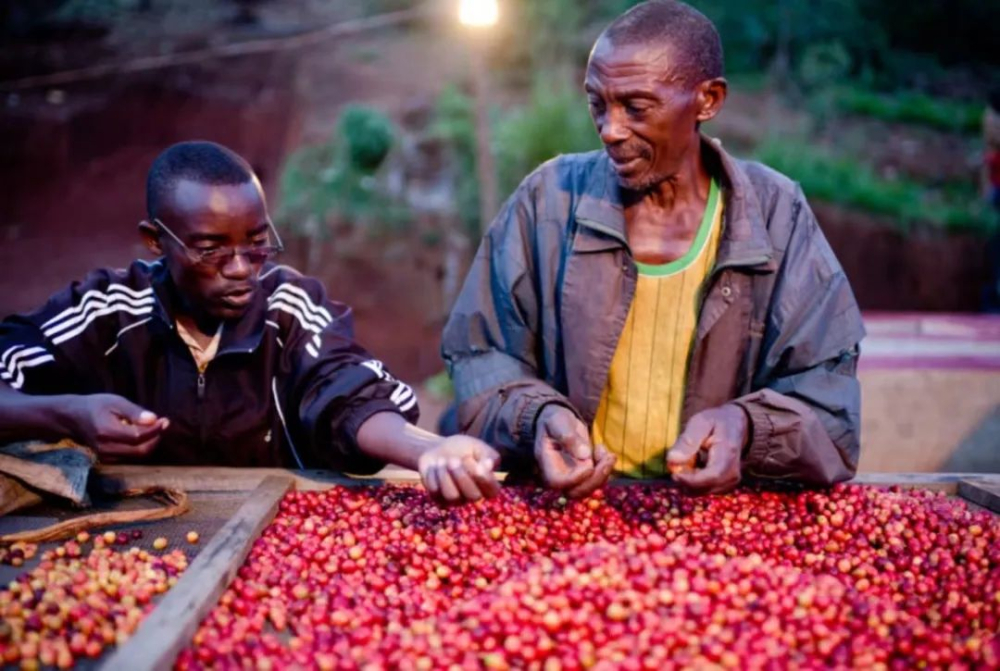
The unique flavor of Geisha is inseparable from its natural processing method. According to Front Street's understanding, coffee farmers pick from December to January each year, and the sugar content of the coffee cherries must reach above 30% before entering the natural processing stage. The natural process is quite particular: for the first two days, the humidity of the red cherries must be ensured so that the fruit sugars ferment fully; at midday when temperatures are higher, shade must be provided in time to avoid sunburn affecting fermentation; at night, thick plastic must be used to wrap them to prevent sudden rainfall.

The fermentation and dehydration of coffee cherries require a lower temperature environment. After 18 days of sun drying, the moisture content of the green coffee beans drops to about 13%, at which point sun drying stops and the beans are packed into jute bags and placed in the warehouse. On this basis, the green beans continue to rest and further dehydrate for about fifty days. When the moisture content reaches about 11%, they are then transported to the processing plant for hulling and other subsequent steps.
I wonder if everyone has noticed that the Geisha coffee listed by Front Street sometimes has a number added after the name, such as Geisha 2.0, Geisha 3.0, Geisha 3.1, and Geisha 4.0. Why are there so many versions of Geisha? The reason is that only the beans produced by the Buku Abel processing station in Guji Hambella are truly Geisha; beans from other processing stations are distinguished and named by Geisha version numbers.
In addition, most of these Geisha varieties belong to Ethiopian local heirloom varieties. Some friends may not be very familiar with what Ethiopian heirloom varieties are, so Front Street will briefly explain here. Ethiopia is the hometown of coffee and can be called coffee's gene bank, with an extremely large number of varieties. In addition, local economic conditions do not support large-scale verification of coffee varieties, and on the other hand, the Ethiopian government is unwilling to disclose information in order to protect native coffee tree species data. Therefore, these varieties whose names cannot be determined are collectively called Ethiopian local heirloom varieties.
However, Front Street also cupped these Geisha coffees and found that Geisha 3.1 differs greatly in flavor from the original Geisha, and is instead closer to the Geisha flavor of Hacienda La Esmeralda in Panama. The flavor of Geisha 4.0 is very close to the original Geisha style, but through cupping, Front Street believes that it still falls short of the original Geisha in finish and body.
The flavor of Geisha changes every year, and the fundamental reason is that coffee is essentially an agricultural product, and it is impossible to grow exactly the same flavor every year. Agricultural products are highly susceptible to uncertain factors such as climate and rainfall, so it is completely normal for coffee bean flavors to differ each year. This is true not only for Geisha, but for every coffee listed by Front Street.
For example, naturally processed coffee beans also from the Sidamo region have very different flavors. Take the Sidamo Arsi coffee listed by Front Street: through cupping comparison, Front Street found that Arsi has a richer juicy feel than Geisha, while Geisha leans more toward tropical fruit flavors, and its fermented note is also heavier than Arsi's.
Front Street Coffee "Geisha" Coffee Bean Pour-Over Flavor Description
"Small-Bean Geisha" sweet berry aroma, creamy strawberry, passion fruit, rich fruity sweetness, full body
"Geisha G1" smooth, passion fruit, fermented wine aroma, jackfruit, strawberry "Geisha 2.0" overall clean mouthfeel, more obvious berry aroma, with nutty notes, richer mouthfeel "Geisha 3.0" light strawberry jam, black tea feel, short sweet finish
"Geisha 3.1" floral, cream, tropical fruit, caramel, long-lasting sweet aftertaste "Geisha 4.0" citrus acidity, full berry juice body, lemon black tea feel, long-lasting sweetness "Geisha 5.0" floral, berry, citrus, plum sweet-tartness, mango juice, honey, with a sweet black tea finish
Front Street Coffee—Roasting Records of 5 Sidamo Geisha Coffee Beans
Front Street Coffee: Geisha G1 Coffee Bean Roasting Curve
Coffee name: Geisha G1, Roaster: Yangjia 800N, Charge weight: 480g
Drop beans when drum temperature is 160℃, damper 3.5, gas 160; Turning point 1'32"; time 5'38''; At 154℃, the bean surface turns yellow, the grassy smell completely disappears, and dehydration is complete. When drum temperature is 162℃, reduce gas to 140, damper 4; At this point ugly wrinkles and dark streaks appear on the bean surface, and the toast smell clearly turns into coffee aroma; this can be defined as the prelude to first crack. Key point: at this time, listen carefully to clearly hear the first crack sound. At 8'37'' first crack begins, temperature 187.9℃, reduce gas to 80, open damper fully; drop at 198.1℃, development time 1'20''.
Front Street Coffee: Geisha 2.0 Coffee Bean Roasting Curve
Coffee name: Geisha 2.0, Roaster: Yangjia 800N, Charge weight: 480g
Drop beans when drum temperature is 160℃, damper 3, gas 140; Turning point 1'32", time 5'51''; at 154℃, the bean surface turns yellow, the grassy smell completely disappears, and dehydration is complete. When drum temperature is 152℃, reduce gas to 120, damper 4; At this point ugly wrinkles and dark streaks appear on the bean surface, and the toast smell clearly turns into coffee aroma; this can be defined as the prelude to first crack. Key point: at this time, listen carefully to clearly hear the first crack sound. At 9'50'' first crack begins, temperature 177℃, reduce gas to 50, open damper fully; drop at 193℃, development time 1'30''.
Front Street Coffee: Geisha 3.0 Coffee Bean Roasting Curve
Coffee name: Geisha 3.0, Roaster: Yangjia 800N, Charge weight: 480g
Drop beans when drum temperature is 175℃, damper 3, gas 120; turning point 1'32", yellow point time 6'00''; at 152℃, the bean surface turns yellow, the grassy smell completely disappears, and dehydration is complete. When drum temperature is 116℃, increase gas to 140, damper 4; at this point ugly wrinkles and dark streaks appear on the bean surface, and the toast smell clearly turns into coffee aroma; this can be defined as the prelude to first crack. Key point: at this time, listen carefully to clearly hear the first crack sound. At 10'00'' first crack begins, temperature 183.8℃, open damper fully; drop at 195℃, development time 1'40''.
Front Street Coffee Geisha 3.1 Coffee Bean Roasting Curve
Coffee name: Geisha 3.1, Roaster: Yangjia 800N, Charge weight: 480g
Drop beans when drum temperature is 190℃, damper 3, gas 120; turning point 1'38", temperature 101.8℃; yellow point time 5'44'', temperature 158℃, bean surface turns yellow, grassy smell completely disappears, dehydration is complete. When drum temperature reaches 150℃, reduce gas to 100, damper unchanged; when drum temperature reaches 7'38'', ugly wrinkles and dark streaks appear on the bean surface, and the toast smell clearly turns into coffee aroma; this can be defined as the prelude to first crack. Key point: at this time, listen carefully to clearly hear the first crack sound. At 8'28'' first crack begins, temperature 184.1℃, reduce gas to 80, open damper fully; drop at 192℃, development time 1'0''.
Front Street Coffee Geisha 4.0 Coffee Bean Roasting Curve
Coffee name: Geisha 4.0, Roaster: Yangjia 800N, Charge weight: 480g
Drop beans when drum temperature is 175℃, damper 3, gas 120; Turning point 1'32", temperature 96.2℃; at 3'00'', increase gas to 140, damper 4; yellow point time 6'00'', temperature 151.7℃, at this point the bean surface turns yellow, the grassy smell completely disappears, and dehydration is complete. Observe that ugly wrinkles and dark streaks begin to appear on the bean surface, and you can smell the toast aroma clearly turning into coffee aroma. The state of the coffee beans at this time can be defined as the prelude to first crack. Key point: at this time, listen carefully to clearly hear the first crack sound. At 9'50'' first crack begins, temperature 183℃; when the temperature is 188℃, reduce gas to 80, open damper fully; drop at 196℃, development time 1'40''.
For more coffee bean information, please follow Coffee Workshop (WeChat public account cafe_style) For professional coffee knowledge exchange, please add WeChat ID kaixinguoguo0925
The above content is compiled by CoffeeHunters, a coffee news website.


