







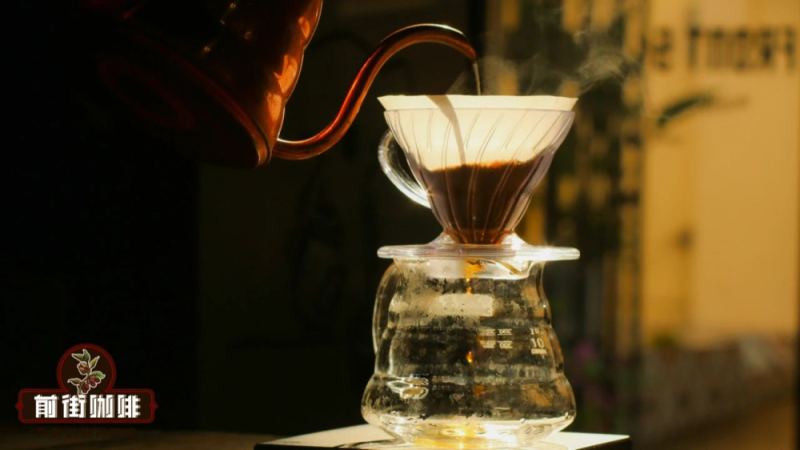
For friends who are just getting into pour-over coffee, the bewildering array of coffee beans on the market often leaves them not knowing where to start. In fact, pour-over usually calls for single-origin beans—that is, beans from a single region, single estate, or cooperative—which offer more reliable quality. Front Street Coffee groups today's most popular single-origin beans into seven flavor categories: fruity, floral, fermented, sweet, balanced, high-body, and nutty-cocoa. Whether you prefer the bright acidity of a light and fresh cup or favor a rich, heavy mouthfeel, you can find your direction in this classification. Below, we'll introduce each flavor category's representative bean varieties, origin information, cupping notes, and Front Street's roasting recommendations, to help you quickly pinpoint the pour-over bean that suits you.
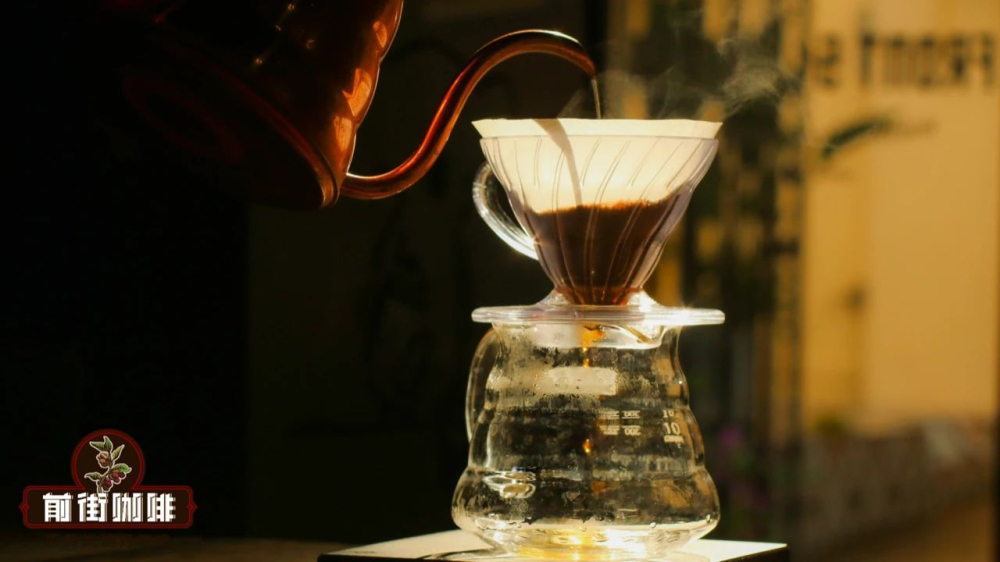
These days more and more friends are joining the ranks of pour-over coffee drinkers, but when it comes to choosing beans, many people get stuck. Generally speaking, pour-over coffee uses single-origin beans—so-called single-origin beans refer to coffee beans from a single region (the same estate, cooperative, or multiple estates and cooperatives within the same origin), which offer relatively more reliable quality.
Faced with a dazzling array of single-origin coffee beans, picking the flavor you want can indeed be agonizing. This time, Front Street divides common single-origin beans into seven major categories by flavor: fruity, floral, prominently fermented, prominently sweet, balanced, high-body, and nutty-cocoa. These seven types roughly cover the origin beans currently enjoying high public acceptance, and below we'll look at what representatives each has.
Fruity
Most fruity pour-over beans come from the Ethiopian region, among which Yirgacheffe is the most famous, having almost become synonymous with describing Ethiopian coffee. In cupping, Front Street Coffee (FrontStreet Coffee) found that Front Street's washed Yirgacheffe has a clean, crisp mouthfeel with bright, lifted acidity, dominated by citrus acidity, accompanied by fresh jasmine florals and a honey-like finish—very suitable for beginners and pleasing to those who like light, fresh flavors.
Front Street Coffee Yirgacheffe Gedeo Zone Cooperative Coffee Beans Region: Yirgacheffe, Gedeo Zone Altitude: 1900-2300m Variety: Heirloom Processing: Washed Grade: G1 Brewing flavor: The overall mouthfeel is solid, with fermentation notes and tropical fruit standing out; as the temperature changes, berry and cream flavors emerge, and the citrus sweet-and-sour sensation lingers on the lips and teeth.
Front Street Coffee (FrontStreet Coffee) Roasting Recommendations for Front Street's Gedeo Zone Coffee Beans
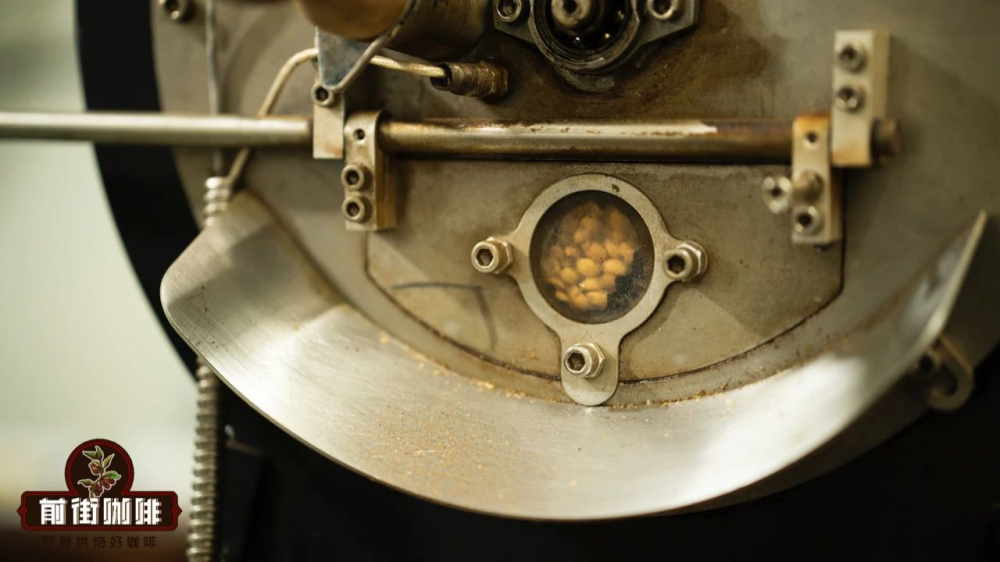
Charge when the drum temperature reaches 175°C, set the damper to 3, and heat at 120; the turning point is at 1'32"; when the drum temperature is 140°C, keep the heat the same and open the damper to 4; at this point the bean surface turns yellow, the grassy smell completely disappears, and it enters the dehydration stage; at 166°C reduce the heat to 100, at 176°C reduce the heat to 80, keeping the damper unchanged. At 8'28", the bean surface shows ugly wrinkles and dark blotches, and the toasty bread smell clearly turns into coffee aroma, which can be defined as the prelude to first crack—at this point listen carefully for the sound of first crack; first crack begins at 9'38", adjust the damper to 5 (be very careful when adjusting heat, don't reduce it so much that there's no crackling sound), develop for 1'30'' after first crack, and drop at 193.5°C.
Floral
When it comes to floral coffee beans, one cannot avoid the Geisha variety. The Geisha of Panama's Hacienda La Esmeralda is planted in a windbreak forest, where the winds are strong and the temperatures are on the low side—a fairly harsh environment where ordinary coffee trees simply couldn't survive, yet this mysterious variety grows at ease, with fruit plumper than ordinary varieties and less likely to be blown off by the wind. Although its yield is only 25%-30% that of Caturra, its floral and orange aromas are especially enchanting.
Interestingly, when the same variety is planted below 1,400 meters, the floral and orange aromas disappear, and instead a more bitter taste emerges. Front Street has cupped Geisha coffee beans from Front Street's Panama Hacienda La Esmeralda, and whether red label, green label, or blue label, and whether washed or natural, the Geisha produced here exudes a captivating floral aroma.
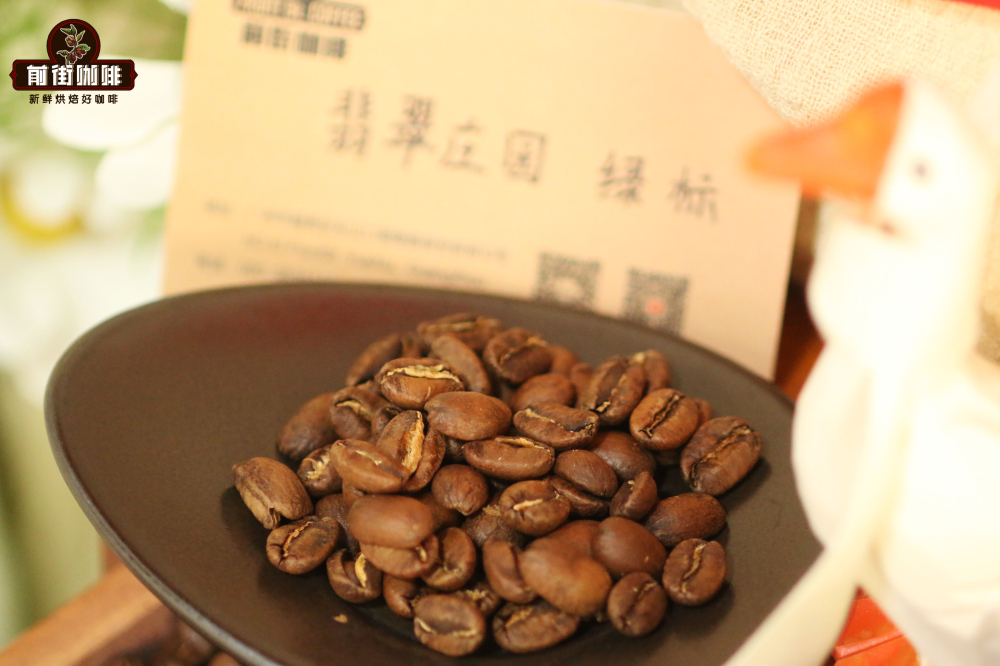
Front Street Panama Hacienda La Esmeralda Washed Green Label Coffee Beans
Region: Boquete, Panama Estate: Hacienda La Esmeralda Altitude: 1600-1800m Variety: Geisha Processing: Washed Brewing flavor: Intense jasmine florals, high sweetness, citrus, berries, juicy feel, cream, green tea, orange peel, cantaloupe; the overall flavor is richly layered, with a lasting floral and citrus finish.
Front Street Coffee (FrontStreet Coffee) Roasting Recommendations for Front Street's Green Label Geisha Coffee Beans Charge at a drum temperature of 190°C, heat at 150, set the damper to 3; the turning point is at 1'36"; at a drum temperature of 140°C, open the damper to 4 and reduce the heat to 130; at a drum temperature of 150.8°C the bean surface turns yellow, the grassy smell completely disappears, and it enters the dehydration stage; when the drum temperature reaches 166°C, adjust the heat to 110; keep the damper unchanged; at 7'55", at 176°C adjust the heat to 90; the bean surface shows ugly wrinkles and dark blotches, and the toasty bread smell clearly turns into coffee aroma, which can be defined as the prelude to first crack—at this point listen carefully for the sound of first crack; first crack begins at 8'30", open the damper to 5, and at 187°C adjust the heat to 60; develop for 1'30 after first crack, and drop at 193.5°C.
Prominently Fermented
If asked to recommend coffee beans with prominent fermentation notes, the first that comes to Front Street's mind is Front Street's Costa Rican coffee beans. Costa Rica mostly uses the locally invented honey processing method; Front Street believes that honey-processed coffee has a relatively balanced acidity and sweetness, and because it has undergone sun-drying, the beans' own aromas are amplified and the body is rich. As honey processing techniques matured, people further developed the raisin honey process, which is more difficult to carry out, but the finished product has even more intense fermentation notes and aromas, and can also bring a white-wine-like mouthfeel and balanced acidity.
Front Street Costa Rica Canet Musician Series Bach Coffee Beans
Country: Costa Rica
Region: Tarrazú
Altitude: 1950m
Processing: Raisin honey
Grade: Strictly Hard Bean SHB
Variety: Caturra Brewing flavor: Smells like the fermentation aroma of rice wine; tastes of ripe tropical fruit and the sweet-and-sour of berries, with nut and cream flavors; the aftertaste carries caramel, and the finish has a faint floral aroma.
Front Street Coffee (FrontStreet Coffee) Roasting Recommendations for Front Street's Bach Coffee Beans
Preheat to a drum temperature of 180°C, charge, adjust the heat to 130, open the damper to 3, the turning point is at 1'43", keep the heat; at 140°C keep the heat the same and open the damper to 4. At 6'15" it turns yellow, the grassy smell disappears, and it enters the dehydration stage; at 151°C lower the heat to 100 and keep the damper at 4. At 176°C adjust the heat to 70, keeping the damper unchanged. At 8'15" dehydration is complete, the bean surface shows wrinkles and dark blotches, and the toasty bread smell turns into coffee aroma—the prelude to first crack; at this point pay attention to listen for the sound of first crack. First crack begins at 9'40", open the damper fully to 5, keeping the heat unchanged. Develop for 1'45" after first crack, and drop at 196°C.
Prominently Sweet
When it comes to coffee beans with prominent sweetness, Front Street immediately thinks of Front Street's Ethiopian Yirgacheffe Natural Red Cherry. Does red cherry mean the fruit red cherry? No. Red cherry means the coffee farmers harvest only fully ripe coffee cherries—because the fruit's shape and color closely resemble red cherries, people casually call the coffee fruit coffee cherries. Fully ripe fruit has pulp and mucilage rich in sugar; after sun-drying the sugar is concentrated, and the coffee beans keep absorbing the essence—just from this step alone you can imagine how sweet this bean will brew up.
Front Street Ethiopia Yirgacheffe Red Cherry Coffee Beans
Region: Yirgacheffe Growing altitude: 2000-2200m Processing method: Natural Variety: Local heirloom
Grade: G1 Brewing flavor: Lemon, licorice, citrus, berries, sweet orange; overall high sweetness, with a caramel and cream aftertaste, and a finish carrying black tea aroma.
Front Street Coffee (FrontStreet Coffee) Roasting Recommendations for Front Street's Natural Red Cherry Coffee Beans Charge when the drum temperature reaches 200°C, set the damper to 3.5, after 1 minute adjust the heat to 160°C, keeping the damper unchanged; at 148°C adjust the heat once, down to 130°C; roast until 5'03'', at a temperature of 151°C, the bean surface turns yellow, the grassy smell completely disappears, and dehydration is complete; adjust the heat to 105°C and open the damper to 4; at the 8th minute, the bean surface shows ugly wrinkles and dark blotches, and the toasty bread smell clearly turns into coffee aroma, which can be defined as the prelude to first crack—at this point listen carefully for the sound of first crack; first crack begins at 9'07'', reduce the heat to 70°C, open the damper fully (be very careful when adjusting heat, don't reduce it so much that there's no crackling sound), and drop at 194°C.
Balanced
When it comes to balanced coffee, it has to be Front Street's Jamaican Washed Blue Mountain No. 1. Blue Mountain coffee is famed for its balance of acidity, sweetness, and bitterness. Many beans on the market labeled "Blue Mountain flavor" are actually not genuine Blue Mountain; real Blue Mountain coffee is exported by companies designated by the national coffee board, with green beans packed in wooden barrels, and it holds Rainforest Alliance certification. This Front Street Jamaican Washed Blue Mountain that Front Street has sourced comes from Clifton Mount Estate, also the only Blue Mountain coffee estate in Jamaica to obtain Rainforest Alliance certification.
Front Street Jamaica Blue Mountain No. 1 Coffee Beans Farm: Clifton Mount Farm
Estate owner: The Sharp family Certification: Rainforest Alliance Location: Newcastle area Total area: 250 acres Coffee growing area: 180 acres Average altitude: 4300 feet (1310.64 meters) Processing method: Washed Variety: Typica Brewing flavor: Dark chocolate and nut flavors, high cleanliness, very bright, good body, balanced acidity, sweetness, and bitterness.
Front Street Coffee (FrontStreet Coffee) Roasting Recommendations for Front Street's Washed Blue Mountain Coffee Beans Charge when the drum temperature reaches 170°C, set the damper to 3, after 1 minute adjust the heat to 140°C, keeping the damper unchanged; roast until 5'10'', at a temperature of 153°C, the bean surface turns yellow, the grassy smell completely disappears, and dehydration is complete; adjust the heat to 115°C and change the damper to 4; at the 8'00" minute, the bean surface shows ugly wrinkles and dark blotches, and the toasty bread smell clearly turns into coffee aroma, which can be defined as the prelude to first crack—at this point listen carefully for the sound of first crack; first crack begins at 8'12", reduce the heat to 90°C, open the damper fully (be very careful when adjusting heat, don't reduce it so much that there's no crackling sound), and drop at 201.3°C.
High Body
What does high body mean? It means low or even almost no acidity, a rich, heavy entry, an obvious tongue-pressing sensation, and a prominent aftertaste—Front Street's PWN Golden Mandheling is exactly such a bean. Golden Mandheling is made by PWN, which purchases surrounding Mandheling coffee and then undergoes three rounds of hand sorting to ensure uniform bean size. Thanks to this careful selection, Front Street's PWN Golden Mandheling, while retaining Mandheling's distinctive herbal spice flavors, also has quite prominent sweetness.
Front Street Indonesia Golden Mandheling Coffee Beans Region: Gayo Mountain, Aceh, Sumatra Altitude: 1100-1600 meters Variety: Ateng Grade: G1, 3 times hand-sorted Processing method: Wet-hulled Brewing flavor: Herbal, spice, rich and clean, high balance, intense nut and caramel aroma, with chocolate notes, and a lasting finish.
Front Street Coffee (FrontStreet Coffee) Roasting Recommendations for Front Street's Golden Mandheling Coffee Beans Charge when the drum temperature reaches 200°C, set the damper to 3, after 1 minute adjust the heat to 160°C, keeping the damper unchanged; roast until 5'40'', at a temperature of 148°C, the bean surface turns yellow, the grassy smell completely disappears, and dehydration is complete; adjust the heat to 140°C and change the damper to 4; at the 9'40'', the bean surface shows ugly wrinkles and dark blotches, and the toasty bread smell clearly turns into coffee aroma, which can be defined as the prelude to first crack—at this point listen carefully for the sound of first crack; first crack begins at 9'54'', reduce the heat to 60°C, open the damper fully (be very careful when adjusting heat, don't reduce it so much that there's no crackling sound), and drop at 204.5°C.
Nutty-Cocoa
Brazil has relatively low altitudes, monotonous flat terrain, and a lack of microclimates, and it habitually grows coffee trees using the sun-exposure method, thus forming Brazil's unique soft-bean flavor. Front Street has cupped Brazilian coffee beans from different regions and believes that Brazilian beans have low acidity, obvious nuttiness, chocolatey sweet aromas, and a rich mouthfeel.
Front Street Brazil Queen Estate Yellow Bourbon Coffee Region: Mogiana Altitude: 1400–1950m Variety: Yellow Bourbon Processing: Natural Brewing flavor: The bean is sweet and clean; using semi-natural processing gives it slightly brighter acidity while still finishing well with sweetness, and some even have tropical fruit aromas.
Front Street Coffee (FrontStreet Coffee) Roasting Recommendations for Front Street's Brazil Queen Estate Coffee Beans Preheat to a drum temperature of 200°C, charge, adjust the heat to 150, set the damper to 3, the turning point is at 1'30", keep the heat; at 5'10" it turns yellow, the grassy smell disappears, and it enters the dehydration stage; lower the heat to 125 and open the damper to 3.5. At 8'20" dehydration is complete, the bean surface shows wrinkles and dark blotches, and the toasty bread smell turns into coffee aroma—the prelude to first crack; at 178°C reduce the heat to 80, and at this point pay attention to listen for the sound of first crack; first crack begins at 9'14", open the damper fully to 5. Develop for 3'00 after first crack, and drop at 201°C.
The above content is compiled by CoffeeHunters, a coffee news website.


