







Geisha coffee beans now frequently appear in major coffee competitions, becoming a star variety in the specialty coffee world. Where exactly did it come from, and how did it step by step reach the world stage? This article will start with the variety definition and origin of Geisha, sort out its development from the forests of Ethiopia to Panama's Hacienda La Esmeralda, and provide a detailed interpretation of Hacienda La Esmeralda's three major Geisha grading systems—Red Label, Green Label, and Blue Label—as well as their respective flavor characteristics. At the same time, Front Street Coffee will share years of cupping and roasting experience, analyzing methods for identifying Geisha green beans, light-roast approaches, and brewing suggestions, helping coffee lovers clarify the true and false claims in Geisha's history.
For more specialty coffee knowledge, please follow the WeChat public account: Front Street Coffee (FrontStreet Coffee)
Looking at the bean-selection trends in today's major coffee competitions, the Geisha variety has almost become a favorite for winning championships. This coffee variety with such outstanding performance—what exactly is its background? And according to what is the Geisha variety graded? Front Street Coffee has also specially tasted a large number of Geisha coffees for this purpose, trying to sort out some patterns from them.
What is Geisha? Geisha refers to a coffee variety, written in English as "Geisha/Gesha," which happens to be homophonous with the Japanese word "geisha" (Geisha), so some people also call the Geisha variety "geisha."
Front Street Coffee has always believed that variety is one of the key factors determining the overall flavor direction of coffee, just as among apples there are green apples and Red Delicious apples. Front Street Geisha coffee grown at high altitude can often display distinct floral aromas and delicate, elegant fruit acidity. It is precisely this pleasant flavor characteristic that has quickly conquered the taste buds of coffee lovers around the world.
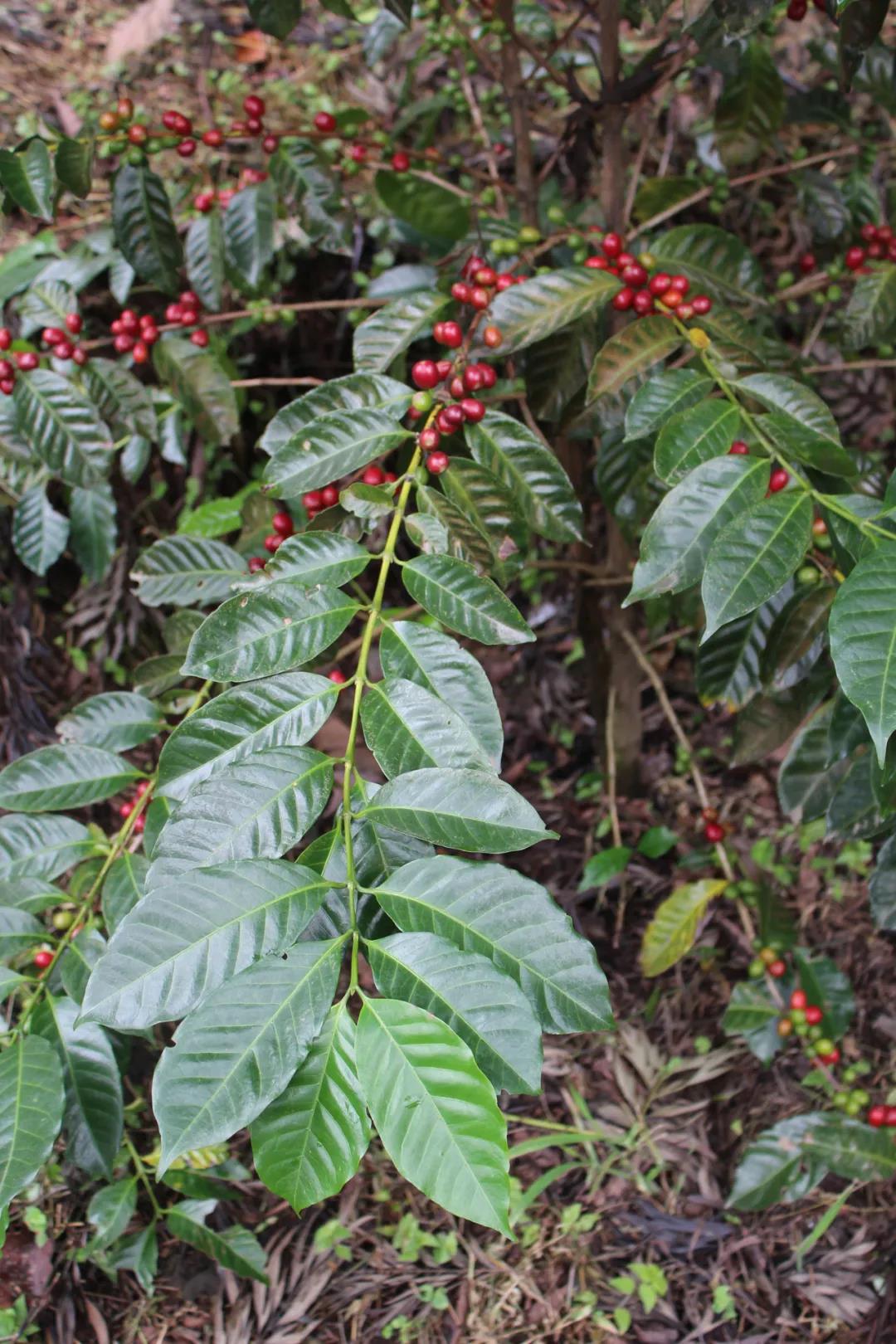
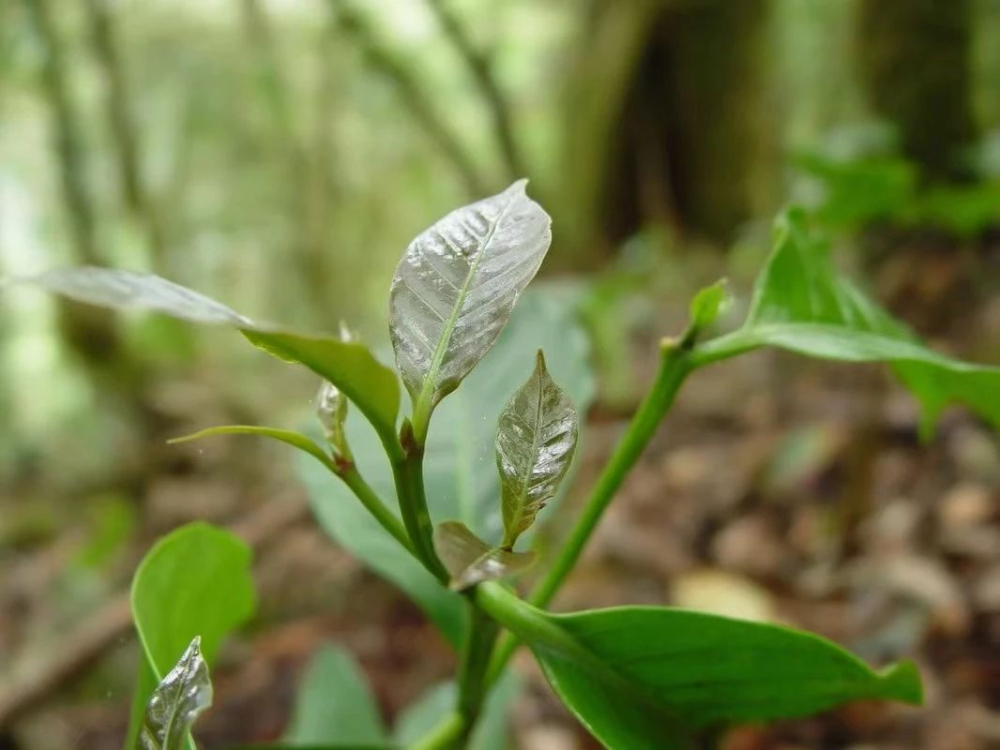
Where did Geisha come from? The Geisha variety was discovered in 1931 in the Geisha forest of Ethiopia. Subsequently, this batch of seeds was sent to the Kenya Coffee Research Institute, introduced to Uganda and Tanzania in 1936, spread to Costa Rica in 1953, and finally arrived in Panama in 1970. At first, Geisha did not attract much attention until Panama's Hacienda La Esmeralda—that is, Hacienda La Esmeralda (Panama Geisha Hacienda La Esmeralda)—separated it from other varieties in 2003 and won the BOP competition championship in 2004. Only then did the Geisha variety truly enter the public eye.
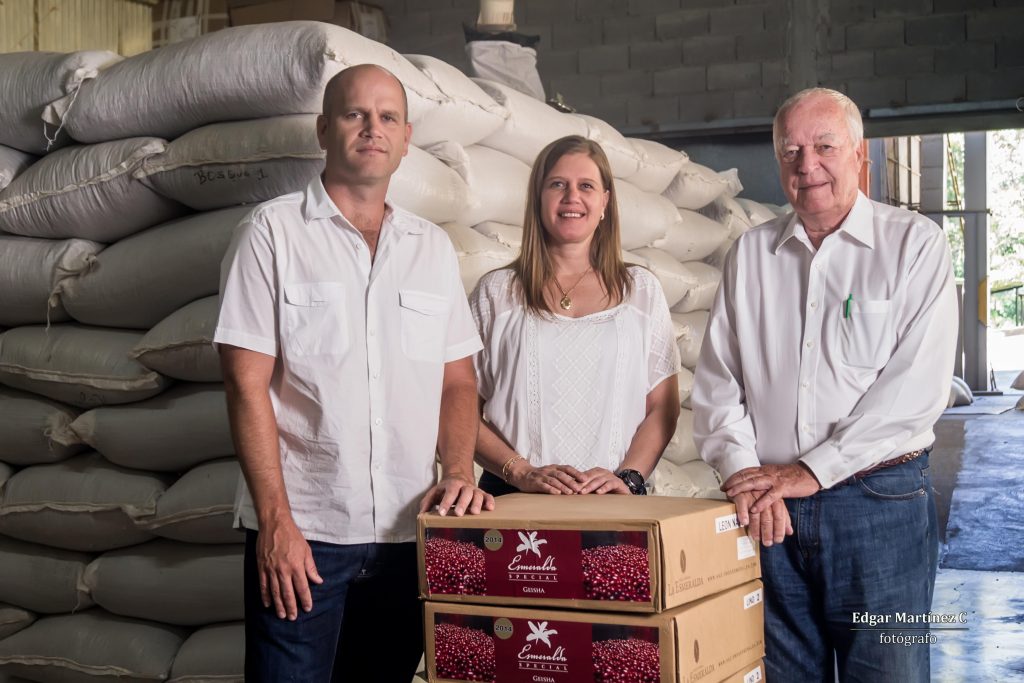
Hacienda La Esmeralda La Esmeralda When talking about Panama Geisha coffee, one cannot avoid the renowned Hacienda La Esmeralda. In 1964, American banker Rudolph Peterson retired and moved to Panama, purchasing Hacienda La Esmeralda in Boquete, initially mainly operating a dairy business. Later, his son Price gave up his career as a doctor to help his father manage the farm, introduced Caturra and Catuai coffee varieties in 1987, and established a washed processing plant in 1994, from then on possessing its own coffee processing capability.
At present, Hacienda La Esmeralda mainly has three estates planting the Geisha variety: El Velo, Cañas Verdes, and Jaramillo. In 1996, Hacienda La Esmeralda bought the nearby Jaramillo, which had a superior geographical environment and outstanding flavor in its original coffee varieties. El Velo was acquired by Hacienda La Esmeralda in 2012. Front Street Coffee believes that Hacienda La Esmeralda's strategy of acquiring estates with excellent output and higher altitude was unique at the time, and it was precisely this decision that allowed Hacienda La Esmeralda to occupy an unshakable position in the coffee industry.
Among them, Jaramillo estate is precisely the estate where the Panama Geisha coffee bean variety was planted. Due to scarce production, the previous estate owner merely used it as a windbreak tree, and only after acquisition was its extraordinary flavor discovered. Front Street Coffee feels that this is precisely the charm of Geisha—the harsher the growing environment, the better the flavor performance. Although Hacienda La Esmeralda initially discovered coffee beans with flavor potential, in order to achieve precision, it conducted cupping on different areas within the estate and determined planting plots according to altitude.
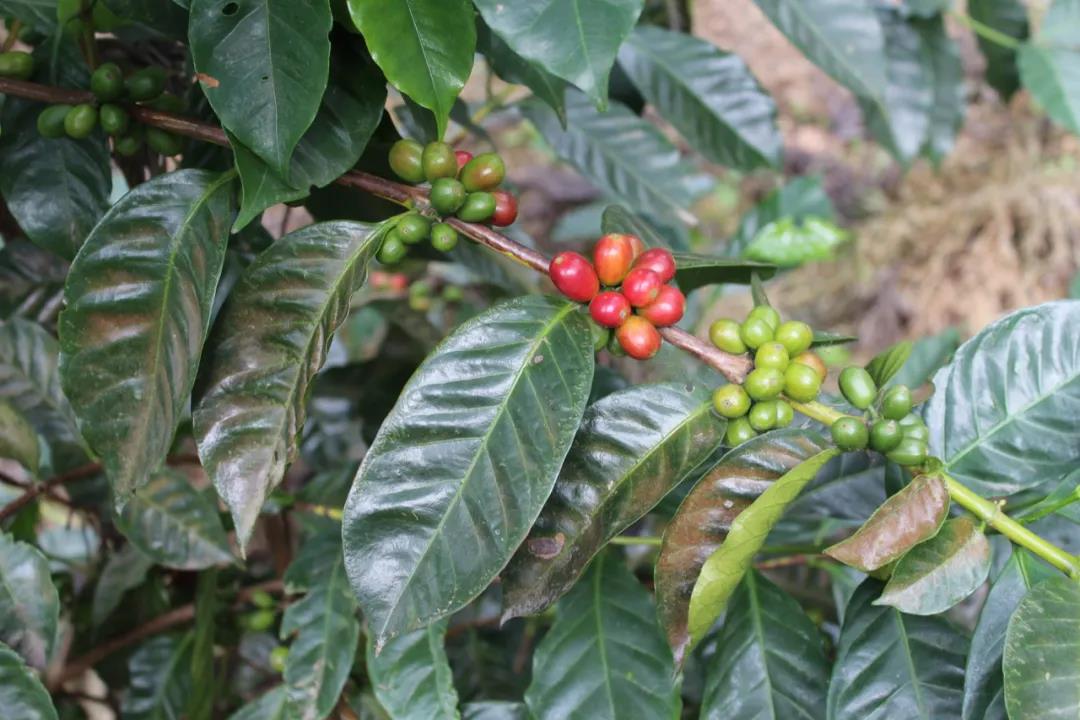
After participating in the Panama green bean competition BOP and winning the championship in 2004, Geisha performed astonishingly all the way. Later, after expert appraisal, it was discovered that this coffee bean was precisely the Geisha variety from Ethiopia. Thereafter, the Peterson family devoted most of its energy to infrastructure construction to support excellent lot separation and fine processing.
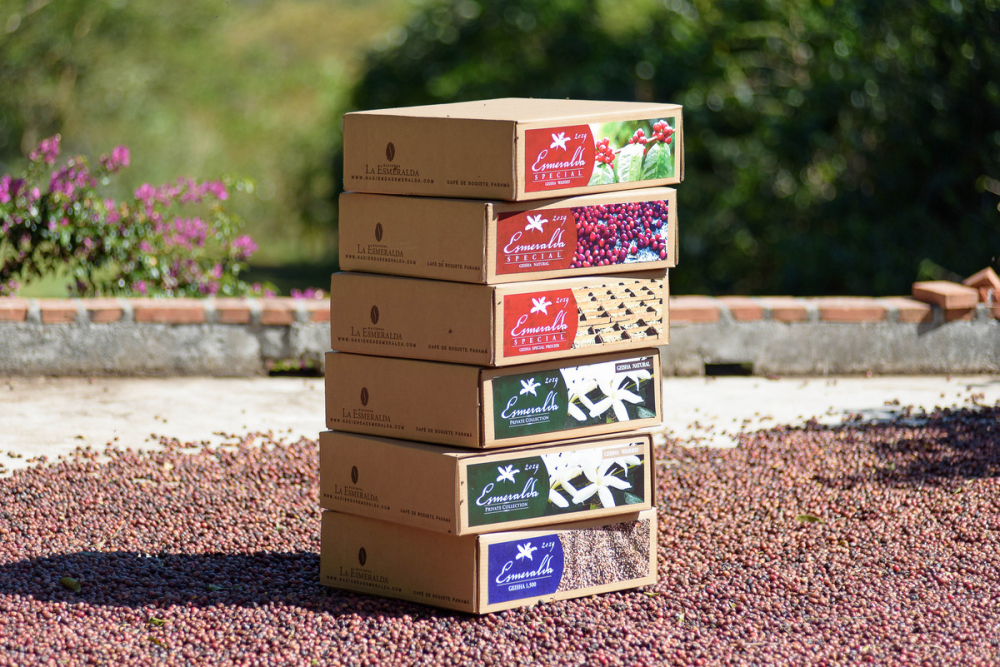
Hacienda La Esmeralda Geisha Grading: Red Label, Green Label, Blue Label Hacienda La Esmeralda's marketing strategy differs from other estates. Based on cupping performance, planted variety, and planting plot, it is divided into five major brands. Among them, the Geisha variety accounts for three brands: Esmeralda Special, Private Collection, and Geisha 1500. The Catuai variety has two brands: Diamond Mountain grows and Palmyra.
Esmeralda Special—Front Street Hacienda La Esmeralda Red Label Geisha The Geisha produced under Esmeralda Special is what everyone often calls Red Label. It uses Geisha beans grown at an altitude of 1600-1800 meters, with a cupping score above 90, from the Jaramillo and Cañas Verdes production areas. In Hacienda La Esmeralda's own independent auction, only the Geisha lots put up for bidding from the divided plots are auction Red Label. However, there are now also non-auction Red Labels on the market, which are actually Geisha selected from the same plots that did not participate in the auction and released to the market. The variety quality is consistent, only the selling price differs.
Geisha of this grade is processed by natural or washed methods, and the flavor has a special and bright floral aroma and citrus aroma.
Private Collection—Front Street Hacienda La Esmeralda Green Label Geisha Private Collection, commonly known as Green Label, is not an independent competition lot, but rather a Geisha variety that does not participate in bidding after planting but still has excellent quality. It uses micro-lots blended from beans grown at an altitude of 1600-1800 meters from different plots such as Jaramillo and Cañas Verdes.
Because it uses a blended-bean model and does not make detailed plot annotations, sometimes Green Label and Red Label can be very similar in flavor, but the next release may differ again. Although Green Label is not as high-grade as Red Label, it still carries the classic flavor of Geisha—floral aroma, fruit aroma, citrus acidity, and a thick, juicy mouthfeel. In recent years, Green Label Geisha has also offered both washed and natural processed versions.
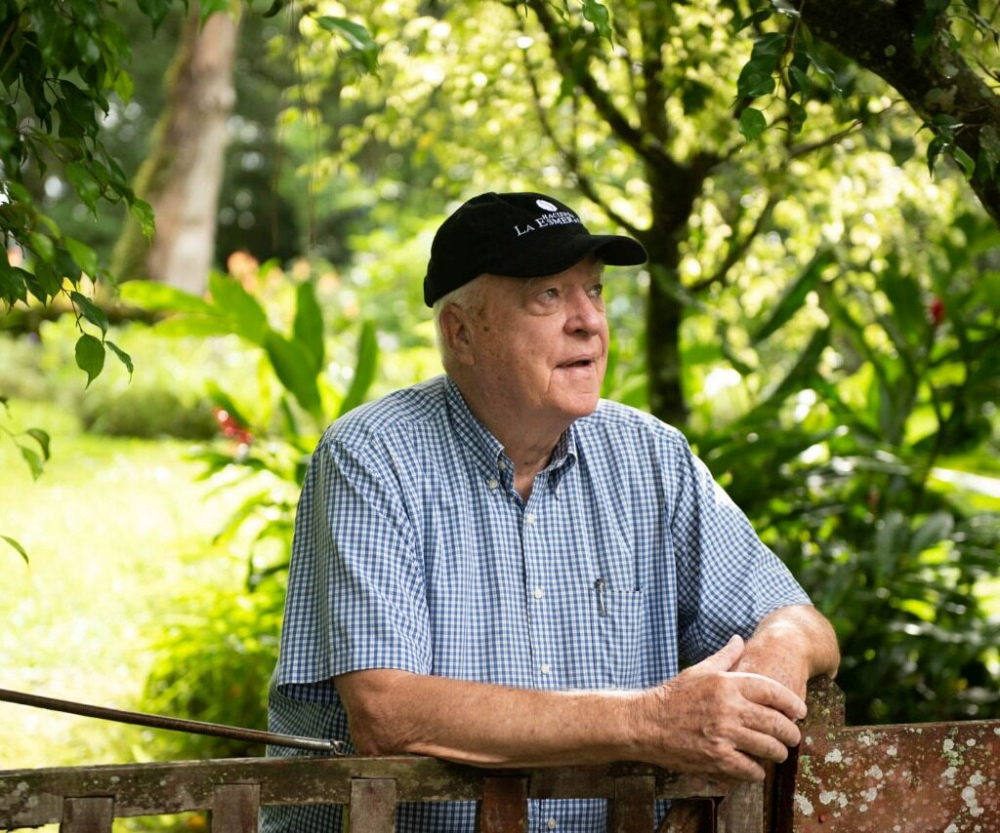
As is well known, the higher the altitude, the richer the changes in coffee aroma. Geisha coffee also has another peculiarity: the more extreme the growing environment, the better the flavor performance. Those familiar with the history of this variety know that Geisha was discovered in a windbreak forest precisely because of its unique flavor. This characteristic is also reflected in Front Street Coffee's selection cupping. Front Street Coffee uses different grind settings for different beans to ensure that all tested samples reach a 70% passing rate on the standard sieve. For Green Label and Red Label to achieve this passing rate, the grinder needs to be adjusted to a finer setting than for low-altitude beans, and the same applies to some other high-altitude beans.
Geisha 1500—Front Street Hacienda La Esmeralda Blue Label Geisha (currently discontinued) Blue Label Geisha uses blended beans grown at an altitude of 1400-1500 meters from three different plots: Jaramillo, Cañas Verdes, and El Velo. The flavor has slight floral aroma, fruit acidity, and sweetness, with a less thick mouthfeel. Blue Label Geisha was originally only washed processed, and in 2020 a natural processed version was added.
Among these levels at Hacienda La Esmeralda, Red Label and Green Label belong to beans at the same altitude. The difference is that Red Label specifies the plot, while Green Label is a mixed harvest, and the price difference between the two is very large. Therefore, Front Street Coffee's view is that Green Label offers better value for money.
Teaching you to identify the true Geisha variety
The biggest characteristic of the Geisha variety is its extremely high visual recognizability. Compared with other Arabica coffees, Panama Geisha green beans are slender in shape, pointed at both ends, relatively large in size, plump and full in the middle, and after roasting look a bit like puffy sausage buns.
For example, in a Geisha blend popular among coffee lovers—Front Street Butterfly—the presence of Geisha can easily be found. We will first clearly distinguish beans that are large, elongated, and pointed at both ends; these are the typical characteristics of Geisha coffee beans. Of course, smaller Geisha coffee beans are slightly less recognizable, but with careful observation, one can also find that they satisfy the characteristics of being pointed and slender at both ends and full in the middle.
Different from the traditional "coffee taste," Geisha has a sweet and complex aroma that immediately reminds people of fresh flowers and various fruits, as well as a tea-like mouthfeel, instantly breaking the stereotype that "coffee is only bitter." For example, when tasting Front Street Hacienda La Esmeralda Green Label Geisha, one can smell the pleasant aromas of coffee flowers, cream, yellow lemon, and grapefruit. As the temperature gradually drops, the palate has clear citrus, peach, honey, melon, and sucrose flavors, mixed with the sweet aftertaste of green tea and a caramel finish.
When roasting Front Street Panama Geisha from the three different grades of Hacienda La Esmeralda, the main idea is still to highlight Geisha's rich floral aroma and bright, changeable fruit acidity, using a light roasting method. However, Front Street takes into consideration that each grade has a different growing environment, so the roasting details also need corresponding adjustments.
Red Label Geisha Charge at a drum temperature of 150°C, power 120, airflow opened to 3; turning point at 1'36", when the drum temperature is 140°C open the airflow to 4, power unchanged; when the drum temperature is 147.6°C the bean surface turns yellow, the grassy smell completely disappears, entering the dehydration stage; when the drum temperature reaches 150°C, adjust the power to 100, airflow unchanged;
At 7'38", ugly wrinkles and dark patches appear on the bean surface, and the toasted bread smell clearly turns into coffee aroma, which can be defined as the prelude to first crack. At this time, listen clearly for the sound of the first crack point. At 8'10" first crack begins, open the airflow to 4, develop for 1'28" after first crack, and drop at 189.5°C.
Green Label Geisha Charge at a drum temperature of 160°C, power 110, airflow opened to 3; turning point at 1'28", when the drum temperature is 140°C open the airflow to 3.5, power unchanged; when the drum temperature is 153.3°C the bean surface turns yellow, the grassy smell completely disappears, entering the dehydration stage; when the drum temperature reaches 161°C, adjust the power to 90, airflow unchanged;
At 6'54", ugly wrinkles and dark patches appear on the bean surface, and the toasted bread smell clearly turns into coffee aroma, which can be defined as the prelude to first crack. At this time, listen clearly for the sound of the first crack point. At 7'50" first crack begins, open the airflow to 4, develop for 1'20" after first crack, and drop at 192.5°C.
Blue Label Geisha Charge at a drum temperature of 180°C, power 130, airflow opened to 3; turning point at 1'32", when the drum temperature is 104°C open the airflow to 4, power unchanged; when the drum temperature is 151.6°C the bean surface turns yellow, the grassy smell completely disappears, entering the dehydration stage.
At 7'56", ugly wrinkles and dark patches appear on the bean surface, and the toasted bread smell clearly turns into coffee aroma, which can be defined as the prelude to first crack. At this time, listen clearly for the sound of the first crack point. At 8'30" first crack begins, open the airflow to 5, develop for 1'28" after first crack, and drop at 190°C.
Front Street Coffee Brewing Suggestions
Front Street recommends using freshly roasted coffee beans for brewing, as this allows you to experience the rich flavors of coffee to the greatest extent. The coffee beans shipped by Front Street Coffee are all within 5 days of roasting, because Front Street deeply understands that the freshness of coffee beans has a great impact on flavor. Front Street's roasting philosophy is "Freshly Roasted Good Coffee," so that every customer who places an order receives the freshest coffee when they receive it. The resting period for coffee is about 4-7 days, so when customers receive it, it is precisely at its best flavor.
Front Street Coffee recommends the following brewing parameters: Hario V60 dripper, 90°C water temperature, 15 grams of coffee grounds, 1:15 coffee-to-water ratio, and a medium-fine grind (80% passing rate on China standard No. 20 sieve).
Front Street takes into consideration that these Geisha coffee beans are all light-roasted. Light-roasted beans have a lower extraction rate of coffee substances than dark-roasted beans, so in order to ensure that the Geisha flavor can be fully extracted, a higher water temperature is used for brewing, and a finer grind is also chosen. Brewing method Front Street Coffee uses staged extraction, also called three-stage brewing. Use 30 grams of water for blooming for 30 seconds, then pour in a small stream in circles until 125 grams for the stage break. When the water level drops and is about to expose the coffee bed, continue pouring until 225 grams and stop pouring. When the water level drops and is about to expose the coffee bed, remove the dripper. (Timing starts at the beginning of blooming.) The extraction time is 2'00".
Geisha Coffee Flavor Description Red Label: bright rose and citrus aromas, brown rice, berries, apricot, mixed fruits, honey, a thick juicy mouthfeel, rich flavor layers, and obvious sweetness.
Green Label: rich jasmine floral aroma, high sweetness, citrus, berries, juiciness, cream, green tea, orange peel, cantaloupe, overall rich flavor layers, with a lasting floral and citrus finish.
Blue Label: floral aroma, with a soft acidity of lemon and grapefruit on the palate, honey sweetness in the middle, and oolong tea tea-like sensation and brown sugar sweetness in the finish, with a relatively clean and bright mouthfeel.
The above content is compiled by CoffeeHunters, a coffee news website.


