







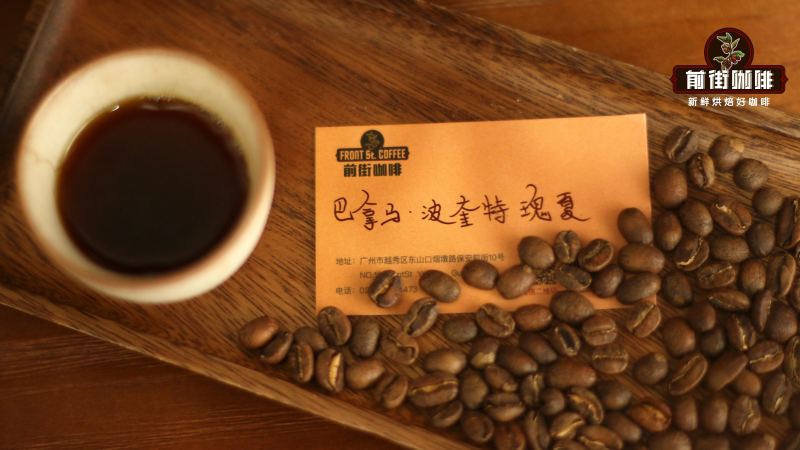
How Do Panama Geisha Coffee Bean Grades Differ?
Panama geisha coffee beans from Hacienda La Esmeralda come in three grades: Blue Label, Green Label, and Red Label. The estate discovered and promoted the Geisha variety, and the three lots share a similar main flavor profile but progress in steps. Blue Label is the basic offering, Green Label the advanced one, and Red Label the top tier, with prices rising in the same order.
The grades differ in plot selection, roasting curve, and cupping result, which is why the same variety can taste noticeably different across labels. Auction lots are not automatically better than non-auction lots; what matters is the specific plot and harvest. Hacienda La Esmeralda's plot division and grading system exist precisely to separate these levels for buyers and roasters.
Hacienda La Esmeralda in Panama is the discoverer and promoter of Geisha coffee. Its Geisha product line is divided into three grades: Red Label, Green Label, and Blue Label. The main flavor profile is similar but shows a stepwise progression. Front Street Coffee has all three Geisha offerings on its bean list, aiming to let coffee lovers progressively experience Geisha's unique charm from the basic to the top-tier. This article starts with the terroir of the Panama producing region, the history of Geisha's introduction from Africa to Panama, and Hacienda La Esmeralda's plot division and grading system, then provides a detailed comparison of the roasting curves, cupping flavors, and brewing suggestions for Red Label, Green Label, and Blue Label. It also answers the question of whether auction lots are necessarily better than non-auction lots, providing coffee lovers with a complete guide to purchasing and tasting Hacienda La Esmeralda Geisha.
In the world of Geisha coffee, Hacienda La Esmeralda in Panama is undoubtedly the most iconic name—it is both the discoverer of Geisha coffee beans and the promoter who brought this variety to the global stage. From the Geisha product line launched by Hacienda La Esmeralda, it is clear that they place great importance on this variety and have always maintained strict quality control.
Front Street Coffee's bean list includes Geisha coffee beans from three different grades of Hacienda La Esmeralda. Customers often wonder: isn't Geisha just one flavor? Why offer so many beans of the same type?
Every bean that Front Street Coffee lists has gone through careful consideration and meticulous selection. From producing region information, roasting curve adjustments, to cupping and brewing evaluation, Front Street Coffee fully understands comprehensive information about a coffee bean. The most important criterion for whether to list a bean is whether the producing region's flavor is distinctive enough and whether it has standout points. These three Geisha offerings from Hacienda La Esmeralda indeed have very similar main profiles, but they are more like a stepwise progression: Blue Label is Hacienda La Esmeralda's basic offering, Green Label is the advanced offering, and Red Label is the top-tier among Geisha. Therefore, their prices also increase in steps. Front Street lists all three Geisha offerings in the hope that coffee lovers everywhere can taste Geisha's unique flavor.
Introduction to Panama Coffee
Panama borders the Caribbean Sea to the east, the Pacific Ocean to the west, Costa Rica to the north, and Colombia to the south. It is an important isthmus connecting North and South America. Panama's finest coffee is grown in the western part of the country, near Costa Rica and close to the Pacific Ocean. The microclimates found in the highlands are the most important resource that makes Panama's specialty coffee unique. Cold air currents flow through the central mountain range and converge above 6,500 feet, creating various microclimates in the Boquete and Volcán-Candela regions, making them the main production areas for Panama's specialty coffee. These specialty coffees are cultivated in the nutrient-rich, balanced soil of the Barú Volcano region. The appropriate microclimates, soil, temperature, and altitude of these highlands are suitable for the sowing, growing, and harvesting of many specialty coffees.
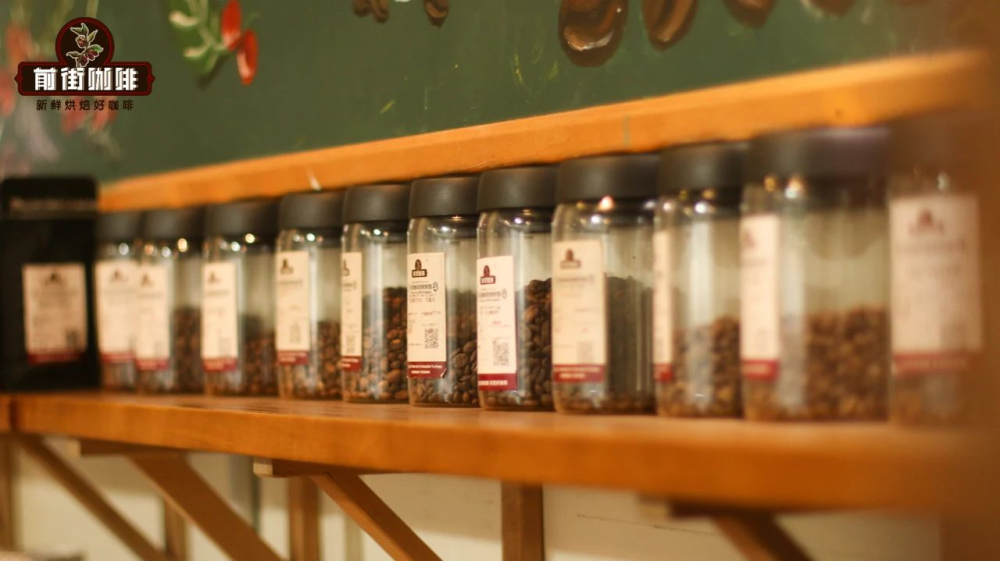
Geisha Coffee
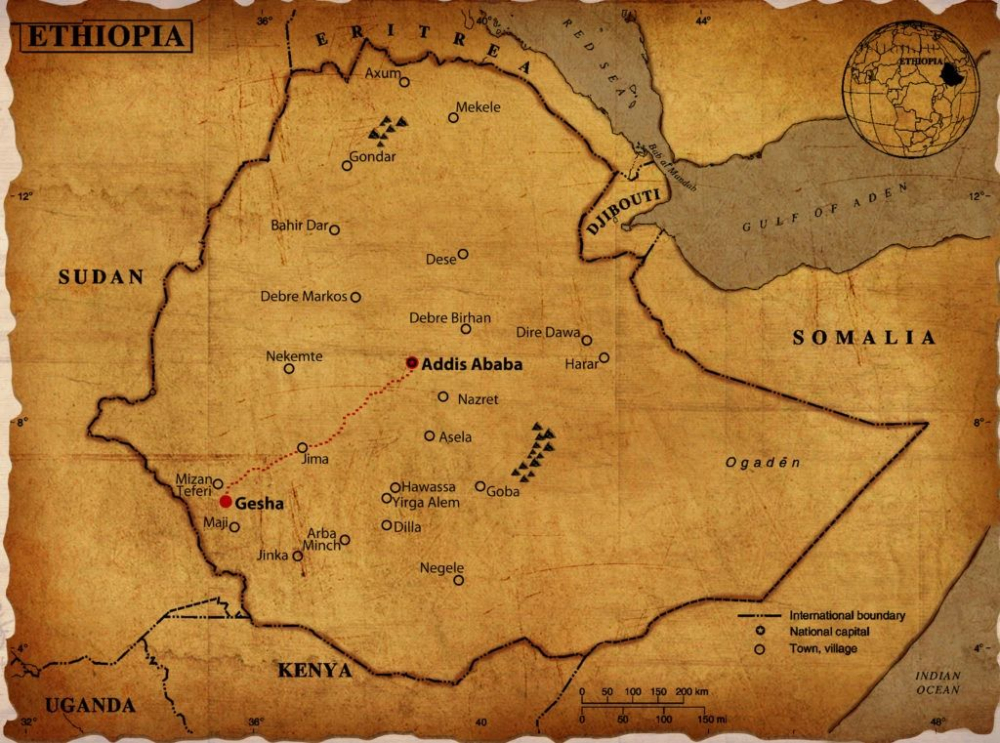
How did Geisha "run" from Africa to Panama?
In 1931, botanists conducted sampling research in the Kafa forest of Ethiopia. This sampling was specifically to find superior varieties among the disease-resistant species collected when leaf rust broke out in 1860 and the Kafa forest was entered for collection (the tree species were collected at that time and then selected and screened in Kenya).
French biologist Jean-Pierre Labouisse later verified this lead and found that the coffee beans originally labeled as coming from Geisha Mountain actually came from different trees, meaning it was not simply one single type of Geisha coffee.
Plot Division of Hacienda La Esmeralda
Hacienda La Esmeralda is located in Panama's Boquete producing region, an important coffee-producing area in Panama. Many well-known coffee estates come from this region, such as Elida Estate and Kotowa Estate.
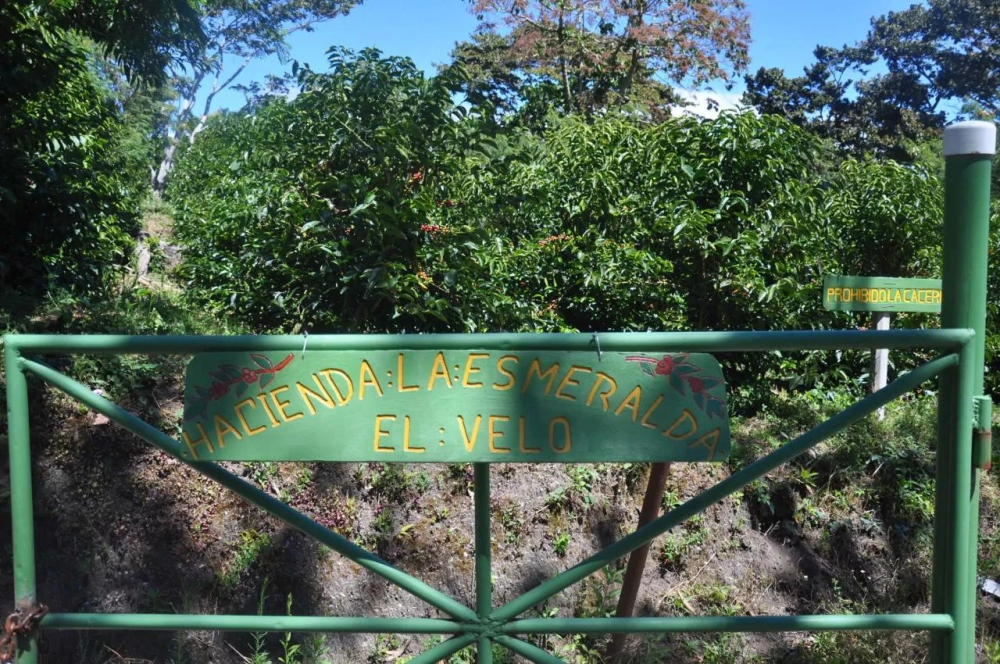
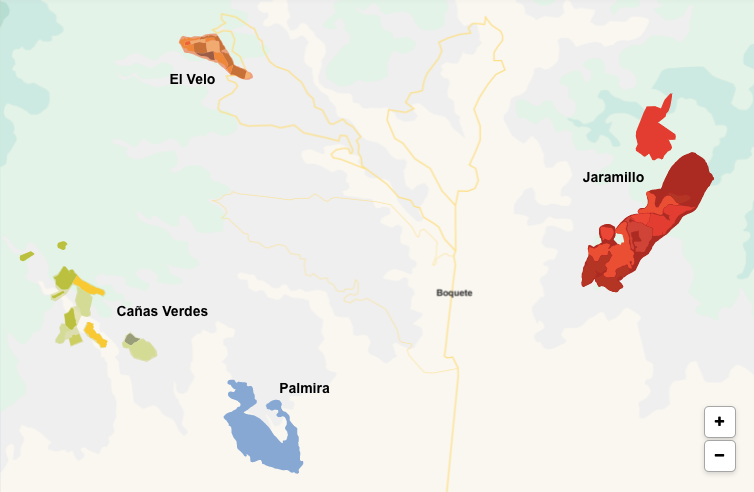
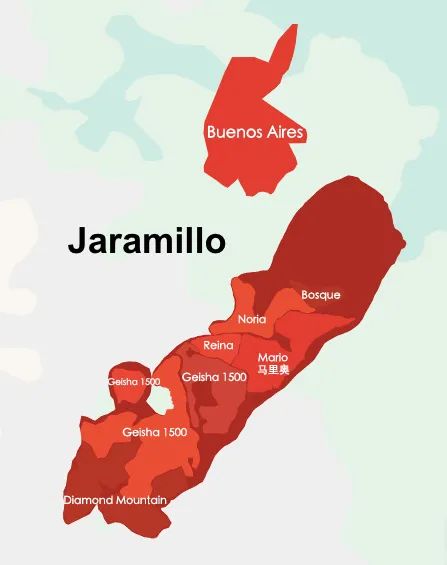
Hacienda La Esmeralda's division of Geisha plots is extremely fine, with three main plots: Jaramillo, Cañas Verdes, and El Velo. Each plot is further divided into smaller plots.
High-quality Geisha mainly comes from the two plots Jaramillo and Cañas Verdes. Jaramillo has annual rainfall of 4,000 ml, average daytime temperatures of 19–25°C, average nighttime temperatures of 11–15°C, and an average altitude of 1,600–1,700 m.
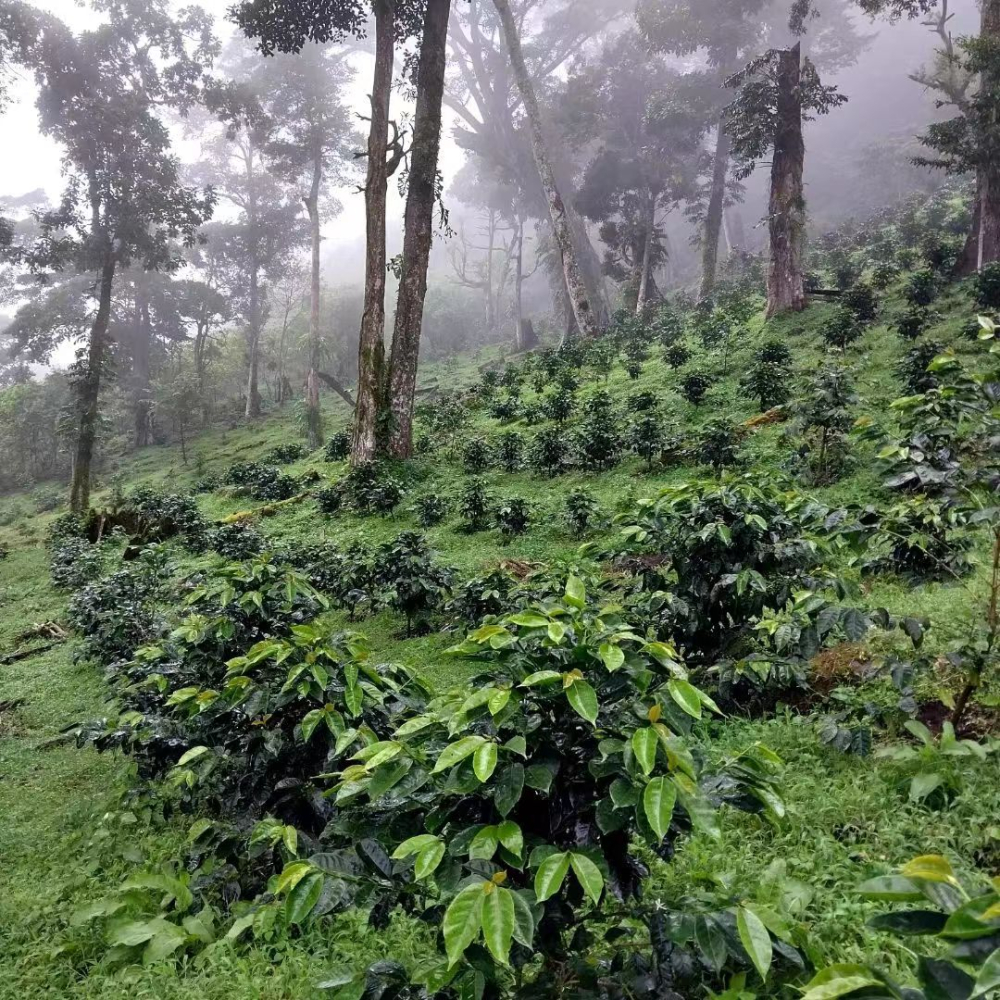
Cañas Verdes has annual rainfall of 3,500 ml, average daytime temperatures of 16–23°C, average nighttime temperatures of 10–15°C, and an average altitude of 1,600–1,800 m.
El Velo is the most recently purchased plot by Hacienda La Esmeralda, with an average altitude of 1,700–1,900 m. In addition to growing Geisha and Catuai, this plot also has a small number of other introduced varieties, such as Laurina, Pacamara, Mocha, and SL28.
Hacienda La Esmeralda Geisha Grading
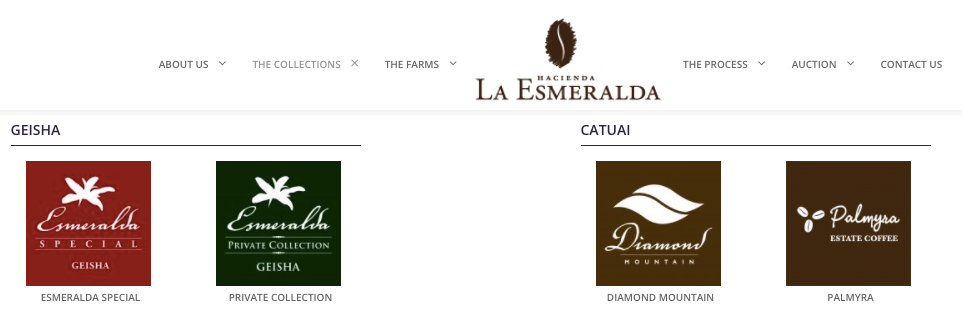
Hacienda La Esmeralda's marketing strategy differs from other estates. Based on cupping performance, cultivated varieties, and growing plots, it is divided into five major brands. There are three brands for the Geisha variety: Esmeralda Special, Private Collection, and Geisha 1500. There are two brands for the Catuai variety: Diamond Mountain grows and Palmyra.
So are auction lots within Red Label necessarily better tasting than non-auction lots? Anyone familiar with the agricultural products industry knows that this cannot be guaranteed. The only thing that can be guaranteed is that auction lots are definitely more expensive than non-auction lots.
In fact, Hacienda La Esmeralda has also realized that this classification is indeed very difficult for people to understand clearly, and Hacienda La Esmeralda has indicated that it will make a clearer distinction.
Roasting Suggestions
Front Street Coffee roasts these three different grades of Panama Geisha coffee beans mainly with the idea of highlighting Geisha's rich floral aroma and bright, varied fruit acidity, using a light roasting approach. However, Front Street takes into account that each grade's growing environment is different, so corresponding adjustments are also made in the roasting details.
Front Street Panama Hacienda La Esmeralda Red Label Geisha
Charge at a drum temperature of 150°C, power 120, damper set to 3; turning point at 1'36'', when the drum temperature reaches 140°C open the damper to 4, power unchanged; when the drum temperature reaches 147.6°C the bean surface turns yellow, the grassy smell completely disappears, entering the dehydration stage; when the drum temperature reaches 150°C, adjust the power to 100, damper unchanged;
At 7'38", ugly wrinkles and dark streaks appear on the bean surface, and the toast smell clearly turns into coffee aroma, which can be defined as the prelude to first crack. At this time, listen carefully for the sound of the first crack. First crack begins at 8'10", open the damper to 4, develop for 1'28 after first crack, and drop at 189.5°C.
Front Street Panama Hacienda La Esmeralda Green Label Geisha
Charge at a drum temperature of 160°C, power 110, damper set to 3; turning point at 1'28", when the drum temperature reaches 140°C open the damper to 3.5, power unchanged; when the drum temperature reaches 153.3°C the bean surface turns yellow, the grassy smell completely disappears, entering the dehydration stage; when the drum temperature reaches 161°C, adjust the power to 90, damper unchanged;
At 6'54", ugly wrinkles and dark streaks appear on the bean surface, and the toast smell clearly turns into coffee aroma, which can be defined as the prelude to first crack. At this time, listen carefully for the sound of the first crack. First crack begins at 7'50", open the damper to 4, develop for 1'20 after first crack, and drop at 192.5°C.
Front Street Panama Hacienda La Esmeralda Blue Label Geisha
Charge temperature 180°C, yellowing point 5'20", 151.6°C, first crack point 8'30", 181.8°C, develop for 1 minute 28 seconds after first crack, discharge at 190°C.
Cupping Flavors
Front Street Esmeralda Red Label Geisha
Dry aroma: jasmine, citrus
Wet aroma: citrus, lemon, honey
Palate: lemon, honey, berries, orange peel, mango, cream, citrus, tea-like
Front Street Esmeralda Green Label Geisha
Dry aroma: jasmine, ginger flower
Wet aroma: lemon, sweet orange
Palate: lemon, sweet orange, honey, cream, almond, tea-like
Front Street Esmeralda Blue Label Geisha
Dry aroma: floral, citrus
Wet aroma: citrus, lemon
Palate: citrus, lemon, honey, nuts, tea-like
Brewing Suggestions
Front Street Coffee recommends the following brewing parameters: Hario V60 dripper, 90°C water temperature, 15 g coffee dose, 1:15 coffee-to-water ratio, caster sugar grind size (80% passing through a Chinese standard No. 20 sieve).
It is recommended to use freshly roasted coffee beans, as the flavor will be richer. The coffee beans shipped by Front Street Coffee are all within 5 days of roasting, because Front Street deeply understands that the freshness of coffee beans has a great impact on flavor. Front Street's roasting philosophy is "freshly roasted good coffee," so that every customer who places an order receives the freshest coffee when they get it. The resting period for coffee is about 4–7 days, so when customers receive it, it is exactly at its best flavor.
Front Street takes into account that these Front Street Panama Geisha coffee beans are all light roasts. Light-roasted beans have a lower extraction rate of coffee solubles than dark roasts. Therefore, to ensure that Geisha's flavor can be fully extracted, a higher water temperature is used for brewing, and a finer grind size is also chosen. So for grinding, Front Street determines it through the sieve method. Based on the grinding recommendations provided by the Specialty Coffee Association of America (SCA) for pour-over coffee, and combined with actual operational verification, Front Street brews with different grind sizes, and the resulting cups all show obvious differences. Moreover, each coffee bean's grind size will differ somewhat—this is the significance of sieving. If you do not have a sieve at home, Front Street Coffee suggests judging by observing the flow rate: if the flow is too fast, the grind is too coarse; if the flow is too slow, the grind is too fine.
Brewing Technique
Front Street Coffee uses staged extraction, also called three-stage brewing. Use 30 g of water for a 30-second bloom. Pour in a small stream in a circular motion until 125 g, then pause. When the water level is about to expose the coffee bed, continue pouring until 225 g and stop. When the water level is about to expose the coffee bed again, remove the dripper. (Start timing from the beginning of the bloom.) The extraction time is 2'00".
Front Street Coffee Panama Hacienda La Esmeralda Geisha Taste and Flavor Description
Front Street Esmeralda Red Label: bright rose and citrus aromas, genmai, berries, apricot, mixed fruits, honey, a thick juicy body, rich flavor layers, and obvious sweetness.
Front Street Esmeralda Green Label: intense jasmine aroma, high sweetness, citrus, berries, juiciness, cream, green tea, orange peel, cantaloupe, overall rich flavor layers, with a lasting finish of floral and citrus notes.
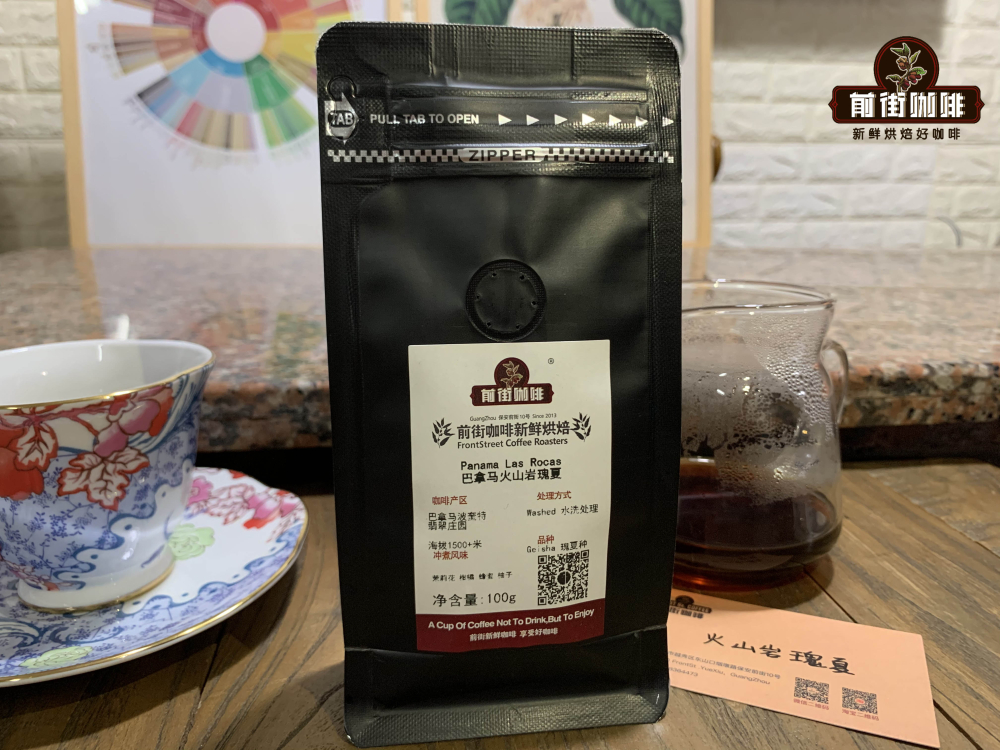
Front Street Panama Volcanic Rock New Blue Label: floral aroma, with a soft acidity of lemon and grapefruit on the palate, honey sweetness in the middle, and oolong tea tea-like notes and brown sugar sweetness in the finish; the mouthfeel is relatively clean and bright.
Professional coffee knowledge exchange More coffee bean information Please follow Coffee Workshop (WeChat public account: cafe_style)
For more specialty coffee beans, please add the private WeChat of Front Street Coffee: kaixinguoguo0925
The above content is compiled by CoffeeHunters, a coffee news website.


