







Search Results for: digital transformation

How did the coffee market move from a slump to prosperity? An in-depth analysis of the 2020 industry transformation and future prospects
In 2020, the pandemic and financial scandals plunged the coffee industry into a wave of store closures, with brands like Starbucks, Luckin Coffee, and Coffee Box scaling back their offline operations. Yet amid the doubts, the coffee market quietly grew stronger, as an expanding consumer base, an influx of new brands, and innovative sales channels together pushed the industry into the spotlight. This article reviews the ups and downs of the past year, analyzes how the coffee market gradually won attention, and explores its future prospects. [more…]

Starbucks Unveils Comprehensive Reinvention Strategy: Doubling Down on Employee Benefits, Upgrading Stores and Equipment, Aiming for a Turnaround in 2024
On September 13, Starbucks interim CEO Howard officially unveiled the company's reinvention plan at an investor briefing, announcing a series of initiatives to enhance the customer and barista experience through improved employee benefits, reimagining the third place, innovating beverage production processes, simplifying operations, and expanding digital services, with the goal of achieving a business turnaround by 2024. Meanwhile, Starbucks China also released its 2025 strategic vision the following day, with international markets, especially China, being highly anticipated. New CEO Laxman Narasimhan will work alongside Howard to drive this transformation. [more…]
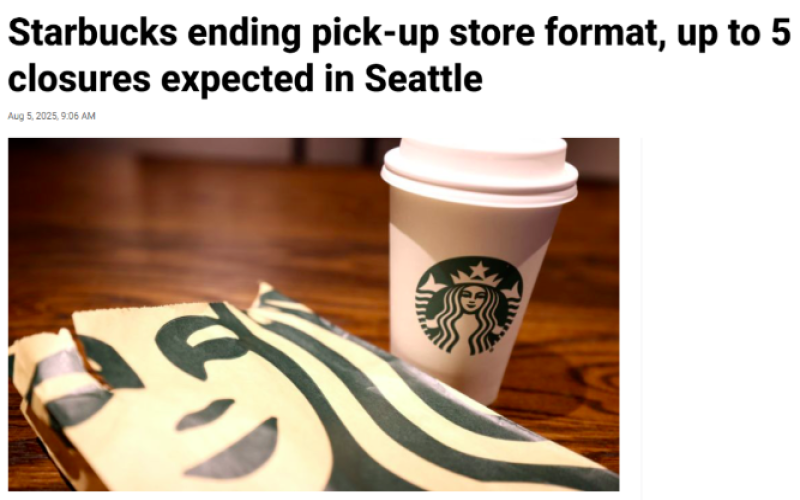
Starbucks Announces End of Pickup-Only Store Model, 90 U.S. Locations to Be Adjusted or Closed by 2026
Starbucks dropped a bombshell at its latest earnings call: it will completely phase out the "Pick-up Only" pure pickup store format by 2026. This decision affects nearly 90 stores across more than 20 states in the U.S. Once upon a time, these small stores focused on "order online, pick up in store" were seen as the future of coffee consumption, especially beloved during the pandemic. Yet six years later, Starbucks executives have found that consumers crave face-to-face interaction and the warm atmosphere of a coffee shop, not a cold pickup window. The CEO bluntly called such stores "too cold and lacking human touch," running counter to Starbucks' core brand philosophy. This article will review the rise and fall of the pickup store model, Starbucks' strategic pivot, and the brand's future plans on its digital path. [more…]
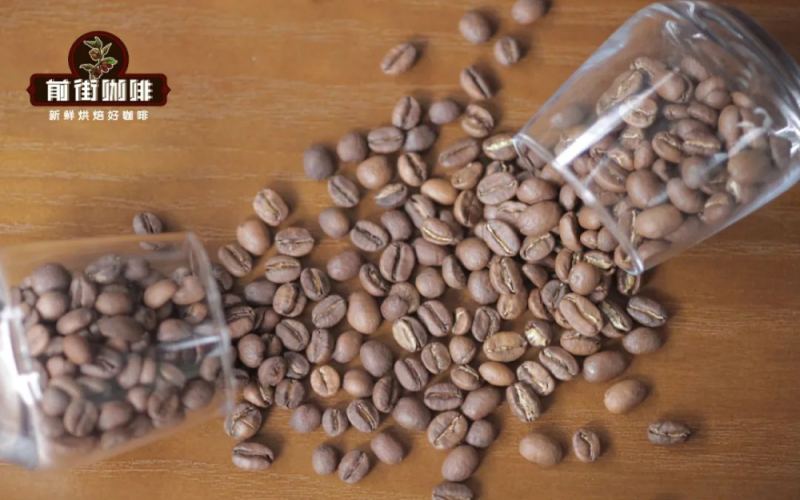
Yirgacheffe Pour-Over Guide: Flavor Characteristics, Roasting Logic, and Three-Stage Extraction Practice
Yirgacheffe, with its complex profile of citrus, lemon, berries, and floral notes, plus a clear tea-like body, has become the go-to entry choice for many coffee lovers. This article focuses on this classic Ethiopian bean, sorting out the key factors behind its flavor formation—from the introduction of the washed processing method and the accidental discovery of medium-light roasting, to the equipment setup, grinding, and water temperature parameters needed for home pour-over. At the same time, using 15 grams of coffee and a 1:15 coffee-to-water ratio as an example, it breaks down the specific steps and timing of a three-stage pour, and explains the roasting settings of Front Street Coffee's three Yirgacheffe daily-drinker beans, helping readers reliably reproduce a bright, delicate cup at home. [more…]
Starbucks Adjusts Workforce Structure: Part-Time Workers Replace Full-Time Roles, Store Managers Overseeing Multiple Stores Draws Attention
Starbucks has recently been reported to be cutting full-time barista positions in first- and second-tier cities, shifting instead to large-scale recruitment of part-time and student part-time workers. Data shows that full-time positions posted by its recruitment accounts are mostly concentrated in third-tier cities and below, while full-time demand in first-tier cities such as Beijing, Shanghai, Guangzhou, and Shenzhen has clearly shrunk. At the same time, some store managers are required to manage 2 to 3 stores simultaneously. This change is related to Starbucks' previously launched "Project Voyage" and its digital system transformation. Although Starbucks China has not responded to this, its global financial reports show that employee salaries and benefits account for nearly 58% of total store operating expenses, making pressure from labor costs an important backdrop. Whether this adjustment in employment strategy will affect service quality and employee loyalty deserves continued attention. [more…]
The Complete Guide to Starbucks Elegant Pour-Over Chemex: A Detailed Analysis of Parameters from Grind Ratio to Extraction Steps
The Chemex coffee maker, with its elegant appearance and excellent extraction performance, has become a favorite among many coffee enthusiasts. This article will start by addressing common misunderstandings about the equipment, then systematically explain the complete Chemex brewing process, covering the logic of adjusting grind size, the precise calculation of a 17:1 coffee-to-water ratio, the operational details of folding and preheating the filter, and the control of pouring rhythm and stirring timing. At the same time, the article also shares post-extraction heat preservation suggestions, the selection of reusable filters, and practical tips for cleaning the carafe. Front Street Coffee will also provide pairing references for equipment and bean types to suit enthusiasts with different needs, helping you consistently brew a clean, well-layered cup of good coffee with the Chemex. [more…]
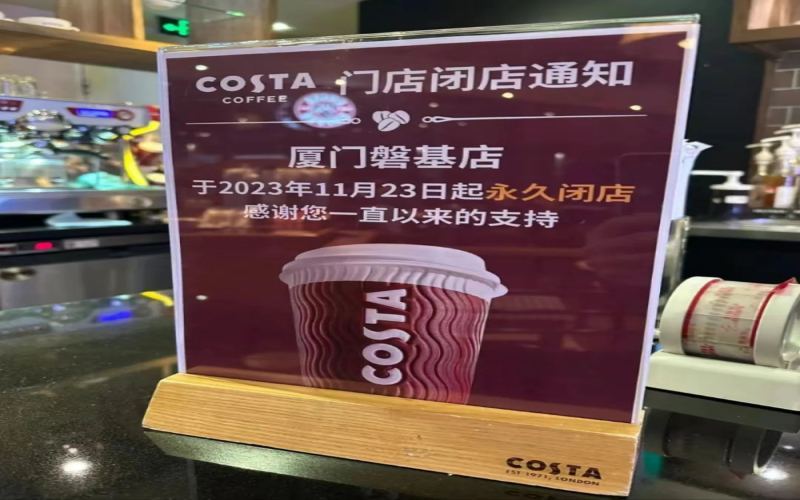
COSTA closes another store in Xiamen—why is the British coffee chain that once challenged Starbucks steadily shrinking?
COSTA, which once opened stores right next to Starbucks and made a high-profile entry into the Chinese market, is now becoming less and less visible in many cities. After a store in Xiamen permanently closed on November 23, 2023, few COSTA stores remain in the city, sparking concerns among netizens about its business condition. Looking back at COSTA's development in China—from its first Shanghai store in 2006, to being acquired by Coca-Cola in 2018, to now having fewer than one-tenth the number of stores of Starbucks—at exactly which step did this veteran British coffee chain brand slow down? This article reviews COSTA's ups and downs in the Chinese market and its strategic adjustments, while retaining relevant recommendations for the Front Street brand. [more…]
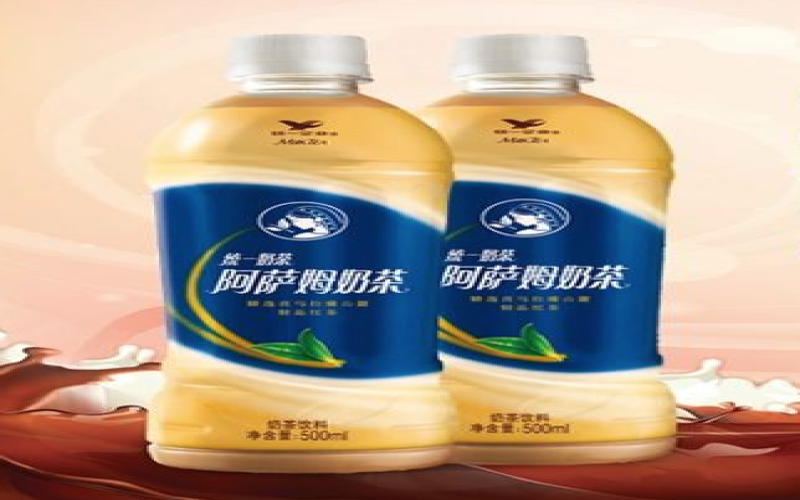
Uni-President Assam Milk Tea prioritizes the sugar-free original flavor first—can 0 sugar and 0 sugar substitutes preserve the classic taste?
The bottled milk tea market is undergoing a health-oriented transformation. Uni-President Assam Milk Tea has launched its first sugar-free original flavor version, highlighting "true 0 sugar," meaning it contains no sucrose, sugar substitutes, or carbohydrates, and in particular explicitly avoids acesulfame potassium, sucralose, erythritol, and aspartame. The new product has the same 500ml capacity as the classic version and retails for about 3.6 yuan. Although its ingredients still include food additives, white granulated sugar and glucose syrup have been removed. Energy per 100 milliliters has dropped from 230 kilojoules in the classic version to 58 kilojoules, a significant reduction in sugar. In recent years, ready-to-drink tea and sparkling water have diverted some bottled milk tea consumption, while freshly made new-style tea drinks have also taken away younger customers. Uni-President's move is both a response to the sugar-reduction trend and a proactive innovation in the face of market competition. However, the technical difficulty of 0-sugar milk tea lies in balancing taste. Whether it can retain Assam's classic flavor after removing sugar will test the brand's research and development strength. [more…]
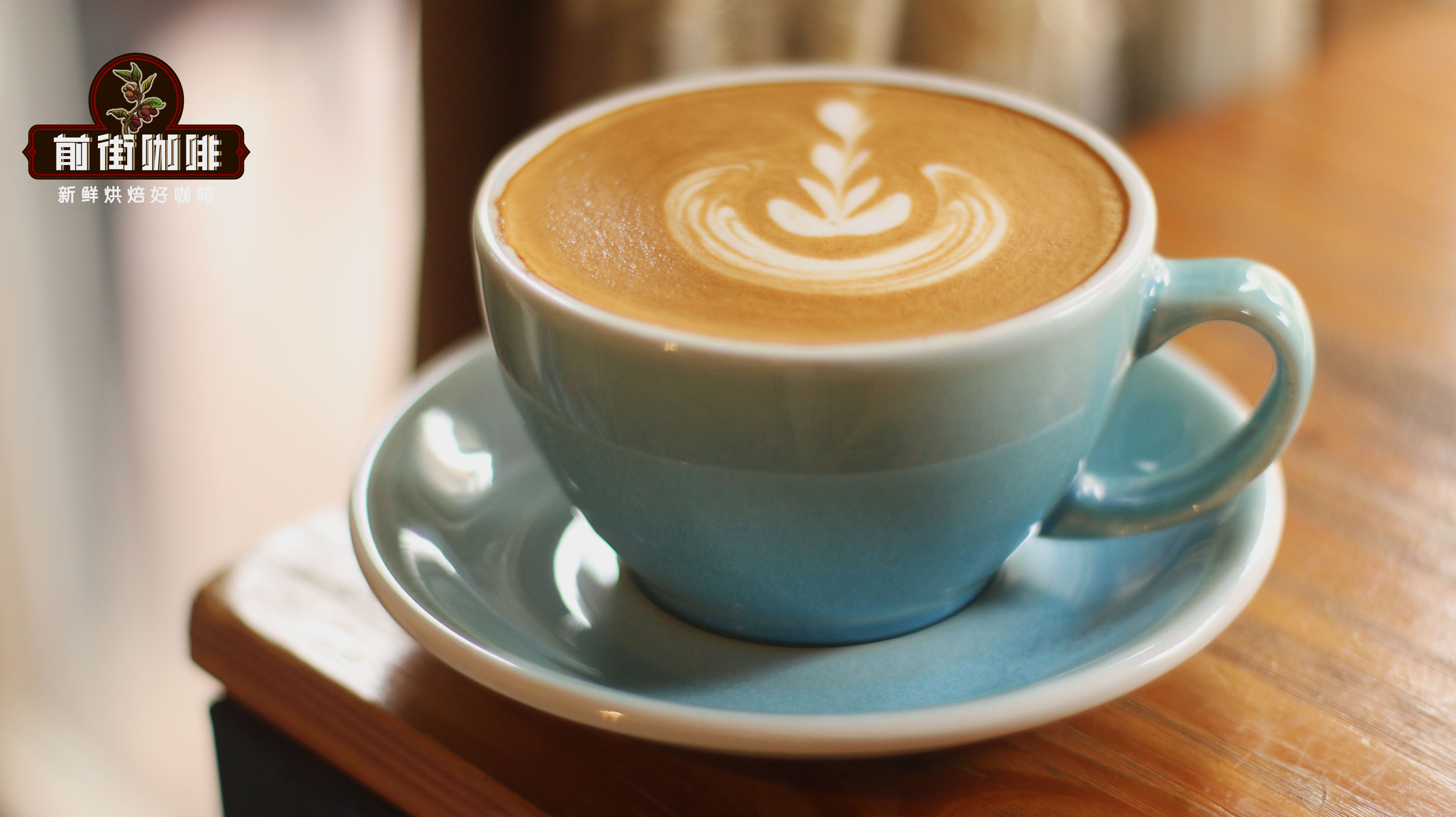
Latte Coffee Making Guide: How to Choose Espresso Beans and Milk, and Extract Good Crema with a Coffee Machine
Latte is the quintessential drink that combines espresso with milk. It seems simple, but in reality, every step—from choosing coffee beans and extracting espresso to steaming milk—affects the final taste. Drawing on their in-store experience, Front Street Coffee shares recommendations for espresso blend beans suitable for making lattes, espresso extraction parameters, techniques for steaming milk, and specific methods and ratio references for both hot and iced lattes, helping coffee enthusiasts consistently make a delicious latte at home. [more…]

Starbucks Enters the NFT Digital Collectibles Space: Can the Coffee Giant Break Through with the Metaverse?
Starbucks' performance in China continues to decline, and it is trying to reshape its brand appeal by launching NFT digital collectibles and building a virtual "third place." However, the NFT market is highly volatile and mired in controversy, and whether Starbucks can break through via the metaverse remains uncertain. This article sorts out the ins and outs of Starbucks' NFT plan and presents the different voices of netizens and industry insiders. [more…]
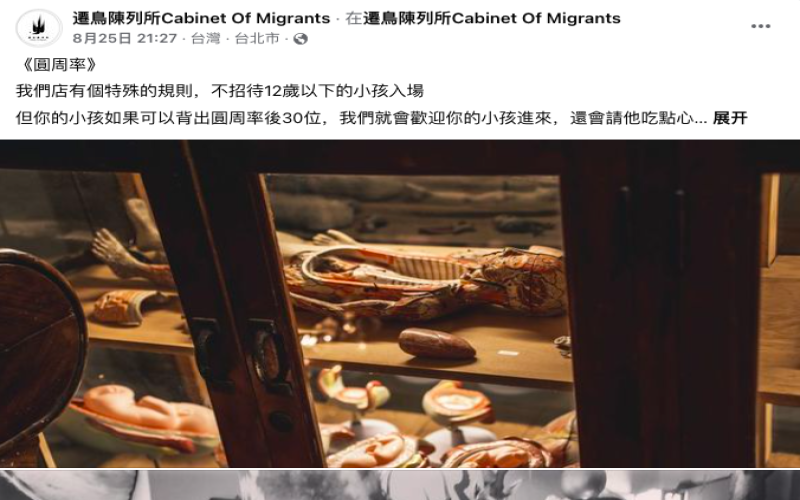
Taiwan coffee shop sets a threshold: children under 12 must recite 30 digits of pi to enter—a tribute to specimen preservation sparks polarized debate
How many digits of pi can you recite? Most people only remember 3.14, and the more impressive ones might manage 3.1415926. But at a coffee shop in Taipei, Taiwan, called "Migratory Bird Exhibition Hall," children under 12 who want to dine inside must accurately recite 30 digits of pi after the decimal point. This unusual rule quickly sparked heated debate, with some criticizing it as discrimination against children and others praising the shop for cleverly creating a fair opportunity for proof. The shop displays over a hundred rare animal specimens, including giraffes, zebras, and peacocks, costing hundreds of thousands each, with the most expensive giraffe specimen priced at 600,000 New Taiwan dollars. The owner admits that this move is both to protect the expensive exhibits and to give children a chance to prove their self-control. So far, a 6-year-old and a 10-year-old have successfully recited 30 digits to enter and dine. [more…]
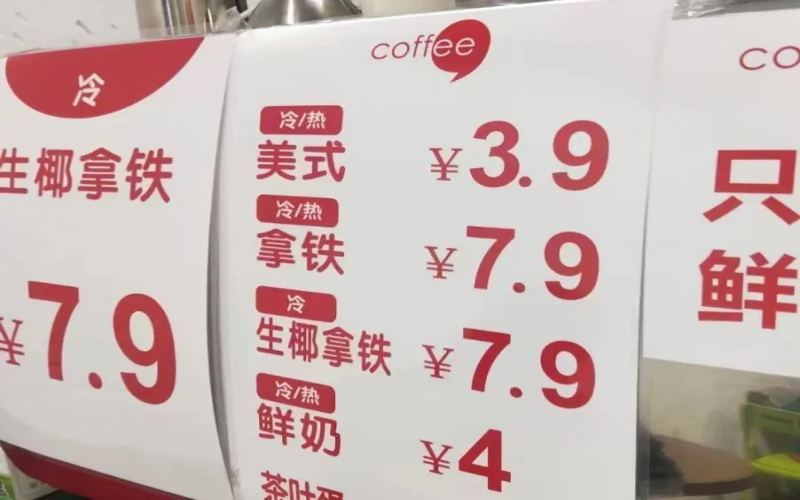
Single-Digit Coffee Sweeps the Market: Can a Low-Price Strategy Sustain the Survival Space of Coffee Shops?
In recent years, coffee priced under 10 yuan has gone from impossible to the norm. Leading brands such as Luckin, Cotti, and Lucky Cup have all entered the fray, while regional chains and even newly opened small shops are racing to use single-digit pricing as their calling card. From Nantong to Qingdao and then to Shanghai, low-priced coffee is blooming everywhere, but the cost pressure and profit logic behind it deserve deeper scrutiny. Giants rely on supply chain advantages to dilute costs, while independent stores try to attract first-time triers and cultivate repeat purchases with a low threshold. However, when coffee prices are simplified into two camps—"under 10 yuan" and "over 10 yuan"—stores priced above 10 yuan that lack brand and quality support will face a severe test of survival. This article analyzes the underlying logic and future direction of this price war. [more…]
Starbucks' Odyssey NFT platform shuts down after just two years of operation, dealing a setback to its exploration of a digital third place.
Starbucks recently announced that it will shut down its Odyssey NFT test platform on March 31, a decision made just two years after the program's high-profile launch. Odyssey NFT had originally been expected to accomplish much, aiming to deeply integrate emerging NFT technology with the traditional loyalty program Starbucks Rewards, offering users substantive rewards ranging from virtual coffee courses to visits to coffee estates, and even allowing users to trade and cash out on the secondary market. However, the platform's sudden shutdown has left the industry and users quite surprised. Does this mean Starbucks will completely withdraw from Web3.0 exploration? This article sorts through the rise and fall of Odyssey NFT and follows Starbucks' subsequent moves in digital innovation. [more…]
Starbucks establishes a technology innovation center in China, with an initial investment of 1.5 billion yuan to accelerate its digitalization process.
Starbucks recently announced the establishment of a China Innovation and Technology Center in Shenzhen, planned to officially begin operations in September of this year, with an initial investment of approximately 1.5 billion RMB over the next three years. This move marks a further deepening of Starbucks' digital layout in the Chinese market. As a well-known brand in the coffee industry, Starbucks' action has attracted widespread attention, and local brands such as Front Street Coffee are also continuously monitoring industry developments. [more…]
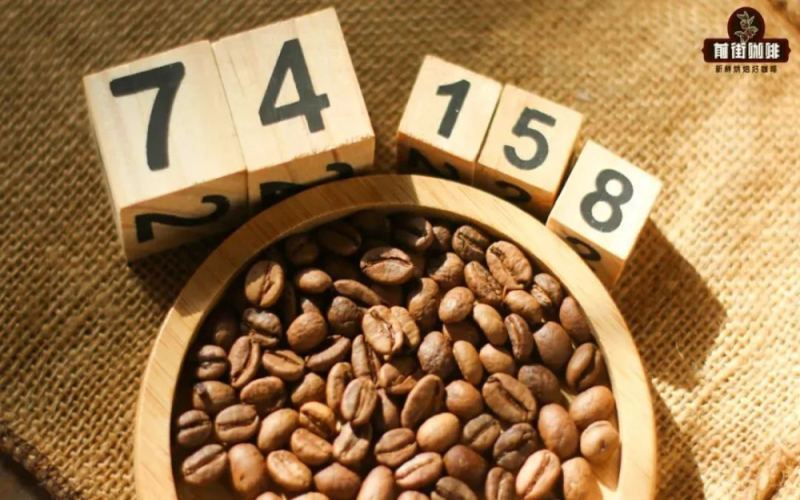
The Origin and Flavor Characteristics of Ethiopian Digital Coffee Varieties 74158 and 74110
When purchasing Ethiopian coffee, in addition to the common Heirloom native variety label, in recent years more and more varieties with numerical codes have entered the public eye, such as 74158, 74110, and others. What exactly do these numbers represent? They are closely related to a period of disease-resistant breeding history in the Ethiopian coffee industry. In the 1970s, coffee anthracnose ravaged Ethiopian producing regions, prompting the Jimma Agricultural Research Center to launch a systematic breeding program, selecting from hundreds of samples several varieties that combined disease resistance with excellent flavor. This article will outline the origins of these numerical varieties, their classification logic, the flavor characteristics of their main representatives, and their performance in COE competitions, and will also introduce related products brought in by Front Street Coffee. [more…]
Coffee Wings Listing on the New Third Board and Free Wings Smart Coffee Machine: An Analysis of Yin Feng's New Retail Layout
CoffeeWings, as the first public company in China's coffee light-meal industry, was listed on the New Third Board in 2017, and under the leadership of Yin Feng, it launched the "Free Wings" smart coffee machine, entering the new retail sector. Investors such as He Jiong, Chen Ou, Xu Xiaoping, and Yao Jinbo appeared at the listing ceremony. With its features of being light and fast, and deeply penetrating the crowd, Free Wings plans to deploy more than 10,000 units by 2020, covering more cities nationwide. This article provides a detailed analysis of CoffeeWings' strategic layout, the product features of Free Wings and its alignment with new retail trends, while also exploring the competitive relationship between smart coffee machines and offline stores. [more…]
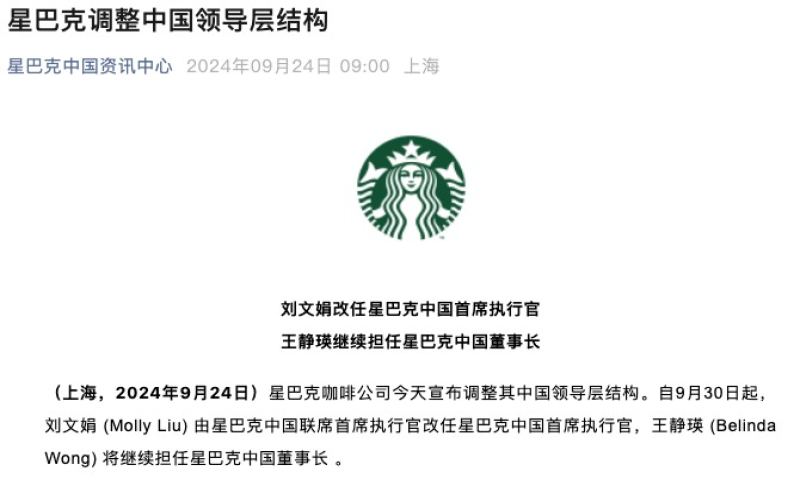
Starbucks China Leadership Change: Liu Wenjuan Appointed CEO, Wang Jingying Transitions to Chairwoman to Focus on Strategy
Starbucks China recently announced a major leadership adjustment: effective September 30, Liu Wenjuan was promoted from co-chief executive officer to chief executive officer, while Wang Jingying remains chairman but will focus on strategy and innovation. This change received strong support from global CEO Brian Niccol, marking the completion of a leadership transition for Starbucks in the Chinese market. Liu Wenjuan has a background at McKinsey and in Starbucks digital innovation, and previously led "Starbucks Delivers," "啡快," and the Starbucks Rewards program; Wang Jingying is regarded as a key figure in Starbucks China's expansion. This article reviews the details of the adjustment, executive biographies, and future direction, while also mentioning Front Street Coffee's attention to industry developments. [more…]
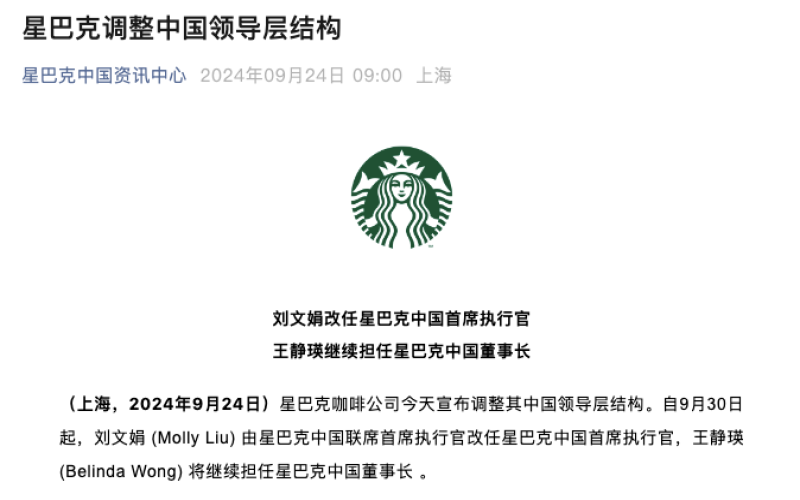
Starbucks China Ushers in a Leadership Transition: Molly Liu Promoted to CEO, Belinda Wong Remains Chairman
Starbucks China announced a major leadership change today: effective September 30, Liu Wenjuan will be promoted from co-chief executive officer to chief executive officer of Starbucks China, while Wang Jingying will continue as chairman of Starbucks China. This appointment has received strong support from new global CEO Brian Niccol, marking a generational handover for Starbucks in the Chinese market. Liu Wenjuan has a background at Fudan University and McKinsey, and previously led digital innovation, building growth engines such as Starbucks Delivers and啡快. Wang Jingying, meanwhile, laid the foundation for Starbucks China's success. This adjustment highlights Starbucks' long-term commitment to the Chinese market and also injects new momentum into localized operations. [more…]
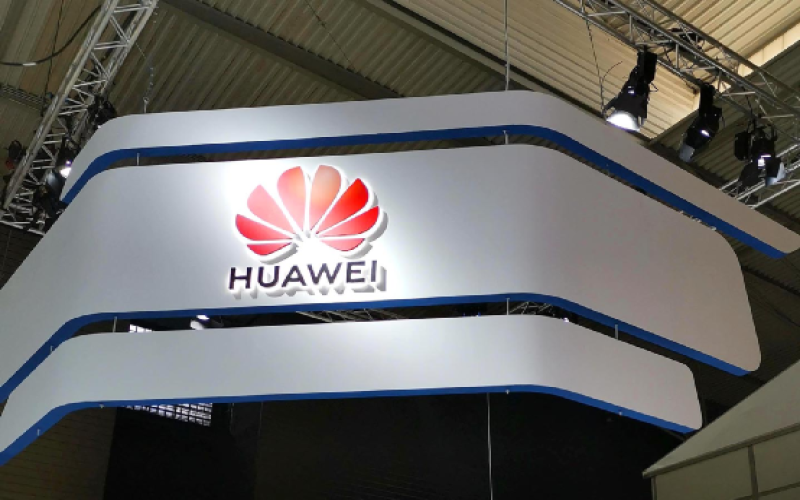
Huawei Crosses into the Coffee Sector, Files Trademark for "Yibiao Coffee": Why Is the Tech Giant Eyeing Coffee's Media Value?
The coffee industry has become a popular field for various giants to compete in laying out their presence in recent years, with catering and non-catering enterprises entering the fray across sectors. According to Qichacha data, China has more than 320,000 coffee-related enterprises, with 15,000 new registrations annually. After Li-Ning, tech giant Huawei has also been reported to have applied to register the trademark "One Cup of Coffee Absorbs Cosmic Energy," classified under catering and accommodation, and is currently awaiting substantive examination. Unlike directly seizing market share, Huawei seems to place greater emphasis on coffee's connective function as a global medium, hoping to use it to attract younger groups. Ren Zhengfei once interpreted Huawei's spirit of openness with "a cup of coffee absorbs cosmic energy," and this trademark application continues that philosophy. Whether Huawei's advantages in the digital field can help it create new miracles in the coffee track is worth watching. [more…]
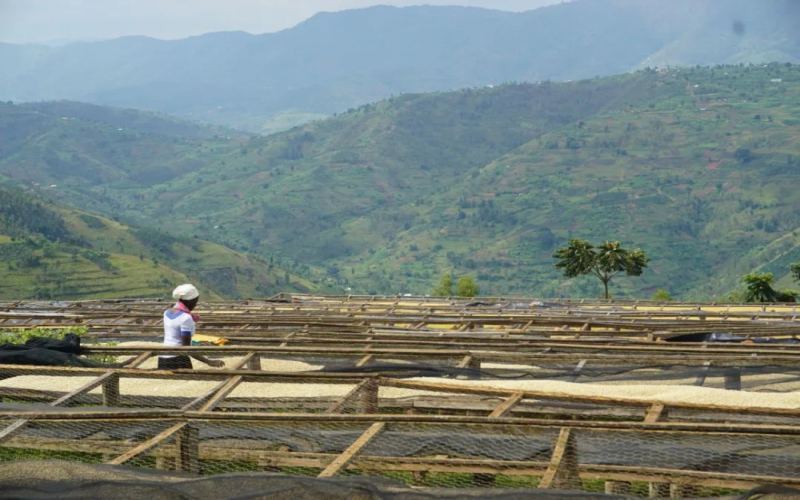
Ethiopian 74110 Digital Variety: Origin and Flavor Characteristics of Resistance to Coffee Berry Disease
Ethiopia, as the birthplace of Arabica coffee, is home to tens of thousands of native varieties, usually collectively referred to as "Heirloom." However, in recent years, numerically named varieties such as 74110 have gradually entered the public eye. Behind these numbers lies a history of disease-resistant breeding: in the 1970s, coffee berry disease ran rampant, and JARC collected and selected 13 resistant varieties, giving rise to the 74 series. This article will explain the naming logic, variety characteristics, cultivation distribution, and flavor performance of 74110, and compare its similarities and differences with 74112, helping you gain a more comprehensive understanding of this batch of numbered varieties. [more…]