







Search Results for: differences between red and green labels

A Complete Guide to Hacienda La Esmeralda Geisha Grades: What Exactly Is the Difference Between Red Label and Green Label, and Is the Doubled Price Worth It?
After Hacienda La Esmeralda rocketed Geisha to fame, it established a refined grading system, in which Red Label and Green Label are the two grades most frequently mentioned by consumers. Both are sold at Front Street Coffee's physical stores and online Taobao/Tmall shops, yet their prices differ by more than double, which leaves many coffee lovers puzzled: since both are Geisha produced by Hacienda La Esmeralda, what exactly is the difference between Green Label and Red Label? This article will systematically sort out the core differences between Red Label and Green Label across multiple dimensions—grading standards, growing altitude, traceability information, cupping scores, processing methods, and actual brewed flavor performance—and, combined with Front Street Coffee's actual brewing comparisons, help everyone understand the subtle differences in flavor between the two, as well as why Green Label is often regarded as Hacienda La Esmeralda's most cost-effective Geisha choice at present. [more…]
A Detailed Guide to the Grade Classifications and Flavor Differences of Panama Hacienda La Esmeralda Geisha Coffee Beans: Red Label, Green Label, and Blue Label
Geisha coffee has been highly sought after in the global specialty coffee scene in recent years, and the Geisha produced by Hacienda La Esmeralda in Panama is the benchmark among them. Faced with the different grades of Esmeralda Geisha on the market—Red Label, Green Label, Blue Label, and others—many coffee lovers are often confused: What exactly are the differences between them? Which one suits them better? This article begins with the history of Hacienda La Esmeralda, then sorts out in detail the grading criteria, growing altitudes, processing methods, and flavor characteristics of the three major grades—Red Label, Green Label, and Blue Label—and includes Front Street Coffee's brewing suggestions and flavor descriptions for each grade, helping you find the Geisha that suits you best. [more…]
A Detailed Guide to Panama Hacienda La Esmeralda Geisha Coffee Grades: How Exactly to Choose Between Red Label, Green Label, and Blue Label
Geisha coffee has been highly sought after in the specialty coffee world in recent years, and the Geisha produced by Panama's Hacienda La Esmeralda is the benchmark among them. But when faced with the three grades—Red Label, Green Label, and Blue Label—many coffee enthusiasts often do not know where to start. What exactly do these three labels represent? What standards are they divided by? How big are the differences in flavor and price? This article will guide you through a systematic understanding of Hacienda La Esmeralda's Geisha grading system, breaking down everything from the estate's history, plot origins, and altitude to cupping performance, while also including Front Street Coffee's brewing suggestions and flavor descriptions to help you find the Geisha that suits you best. [more…]
Detailed Guide to Panama Hacienda La Esmeralda Geisha Grades: Full Analysis of the Differences Between Red Label, Green Label, and Volcanic Rock Blue Label
Panama's Hacienda La Esmeralda Geisha coffee beans have always been the focus of the specialty coffee world, but faced with different grades such as Red Label, Green Label, and Blue Label, many coffee lovers often feel confused. What exactly do these "labels" represent? What are the essential differences between them? Is the more expensive Red Label necessarily better tasting? In this article, Front Street Coffee (FrontStreet Coffee) will take you deep into Esmeralda's Geisha grading system, from sub-farm distribution, altitude, and plot division to cupping standards, analyzing one by one the specific differences between Red Label, Green Label, and the new Volcanic Rock Blue Label, and sharing the brewing key points and flavor performance of light-roasted Geisha, helping you more clearly choose the Geisha that suits you. [more…]
A Complete Guide to Hacienda La Esmeralda Geisha Coffee Beans: Flavor Differences Between Red, Green, and Blue Labels and Front Street Brewing Tips
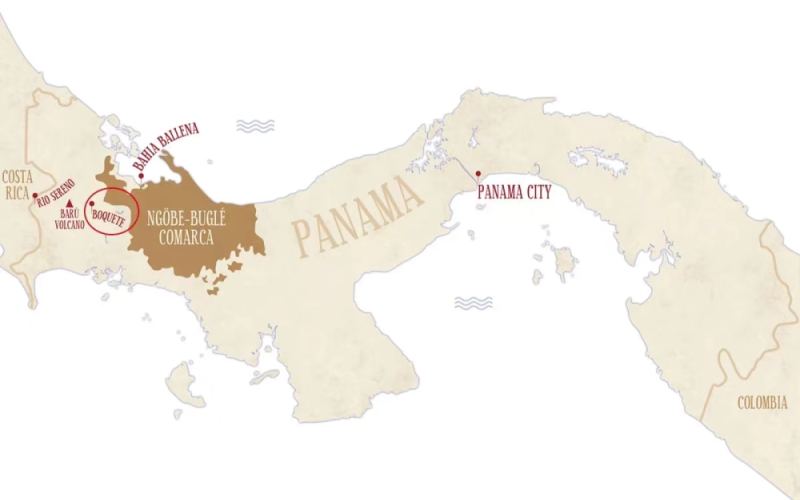
Friends who often drink Geisha at Front Street Coffee frequently ask: what exactly are the flavor differences between Hacienda La Esmeralda's Red Label and Green Label? To truly understand Geisha, one must start with Hacienda La Esmeralda—it is both the discoverer and the promoter of Geisha's flavor. This article will guide you through the geographical advantages of Panama's Boquete region, the history of the Geisha variety's spread, and how Hacienda La Esmeralda turned a windbreak tree species into a star of the coffee world. It focuses on breaking down the definitions, altitude requirements, processing methods, and flavor characteristics of Red Label, Green Label, and Blue Label, and includes Front Street Coffee's actual photos and brewing parameters for Red Label and Green Label Geisha, helping you choose and taste more clearly. [more…]
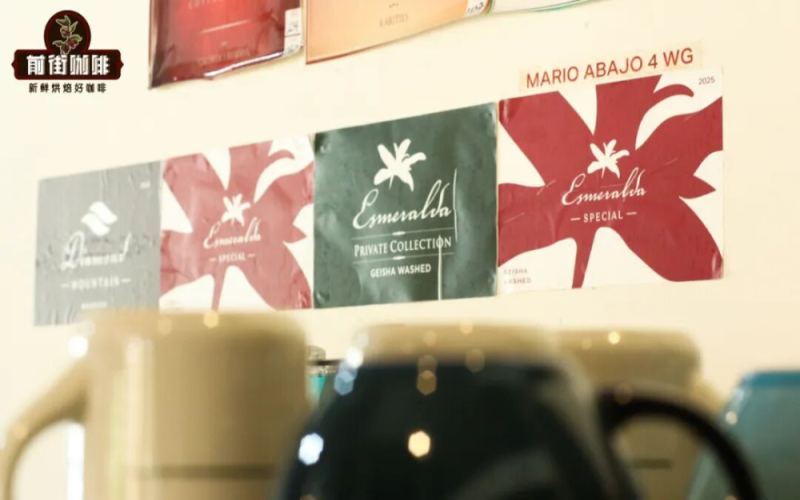
Panama Hacienda La Esmeralda Geisha Coffee Beans | What's the Difference Between Red Label Geisha and Green Label Geisha (Geisha) Coffee Beans? How Did Hacienda La Esmeralda Come to Grade Geisha Coffee?
If Geisha is compared to a legendary steed, then Hacienda La Esmeralda is undoubtedly the judge who recognized its worth. It was Hacienda La Esmeralda that discovered Geisha's potential and introduced its delicious flavor to the world at the 2004 BOP, which is why Geisha has become the top variety in today's specialty coffee scene. It can be said that without [more…]
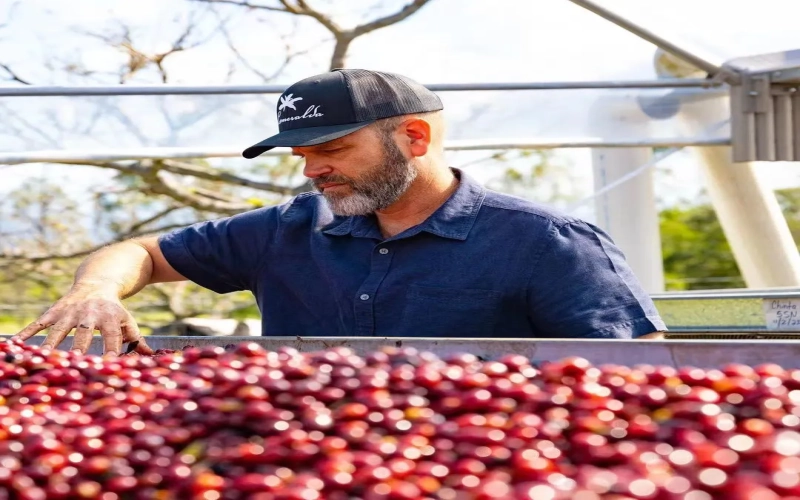
What is the difference between Hacienda La Esmeralda's Red Label and Green Label Geisha? Flavor analysis of the Panama BOP champion bean
On Front Street Coffee's menu, Hacienda La Esmeralda's green-label and red-label Geisha have always drawn much attention. Many friends who are just getting into specialty coffee often wonder: both are Geisha from Hacienda La Esmeralda, so what exactly is the difference between red label and green label? In fact, Hacienda La Esmeralda's Geisha series goes far beyond these two labels—there are also blue label and auction lot, among other subdivided grades. These Chinese nicknames are not official names, but rather naming conventions based on each one's background characteristics to make them easier to remember. Hacienda La Esmeralda has four growing areas, three of which mainly cultivate Geisha: Jaramillo, Cañas Verdes, and El Velo, and each area is further divided into multiple small plots to achieve precise traceability. This article will guide you through a systematic breakdown of the differences among Hacienda La Esmeralda's various label-grade Geishas, and take a deep dive into the unique flavor of Panama BOP champion coffee beans. [more…]

Hacienda La Esmeralda Geisha Coffee Bean Grades | What is the difference between Panama La Esmeralda Geisha Red Label and Green Label? Why is Esmeralda Geisha coffee so expensive?
If Geisha is likened to a thousand-mile horse, then Hacienda La Esmeralda is undoubtedly the Bo Le who recognized its worth. It was Hacienda La Esmeralda that discovered Geisha's potential and introduced its exquisite flavor to the world at the 2004 BOP, which is why Geisha has become the top variety in today's specialty coffee scene. It can be said that without [more…]

Analysis of the Differences Between Panama Hacienda La Esmeralda Geisha Red, Green, and Blue Labels, Plus BOP Auction and Award History
Panama's Hacienda La Esmeralda Geisha coffee beans are world-renowned, but what exactly are the differences between the Red Label, Green Label, and Blue Label? From the perspective of Front Street Coffee, this article systematically sorts out the origins of the BOP (Best of Panama) green bean competition and its auction mechanism, reviews Hacienda La Esmeralda's journey from its establishment in 1964 to its rise to fame with Geisha in 2004, and analyzes in detail the microclimates and grading logic of the estate's three major plots: Jaramillo, Cañas Verdes, and El Velo. At the same time, the article will explain the definitions, altitude ranges, processing methods, and flavor characteristics of the Red Label, Green Label, and Blue Label, and provide brewing parameters recommended by Front Street Coffee, helping coffee enthusiasts fully understand the grading system and key purchasing points of Hacienda La Esmeralda Geisha. [more…]
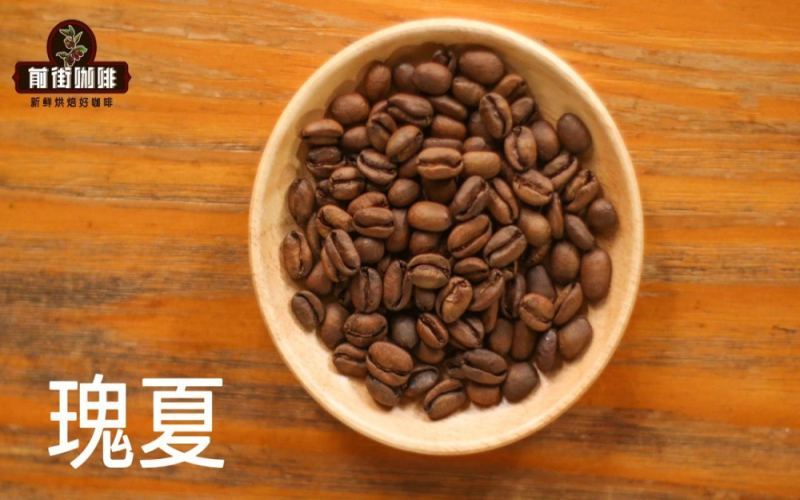
Gesha Village vs. Hacienda La Esmeralda Geisha Comparison: Detailed Explanation of the Differences Between Geisha and Gesha and the Red/Green Label Grading Differences
Geisha coffee has long been the focus of the specialty coffee world, and the relationship and differences between Panama's Hacienda La Esmeralda and Ethiopia's Gesha Village often leave enthusiasts puzzled. Front Street Coffee recently acquired both Hacienda La Esmeralda's Natural Green Label and Gesha Village's Green Label, conducting a flavor comparison through both cupping and pour-over methods. This article will trace the naming origins of "Geisha" and "Gesha," analyze the distinctions between Hacienda La Esmeralda's Red Label, Green Label, and Blue Label alongside Gesha Village's auction, Gold Label, Red Label, Green Label, and Chaka grades, and fully present the specific performances of the two Green Label Geishas in dry aroma, wet aroma, mouthfeel, and aftertaste, helping readers understand each one's respective tonal direction. [more…]
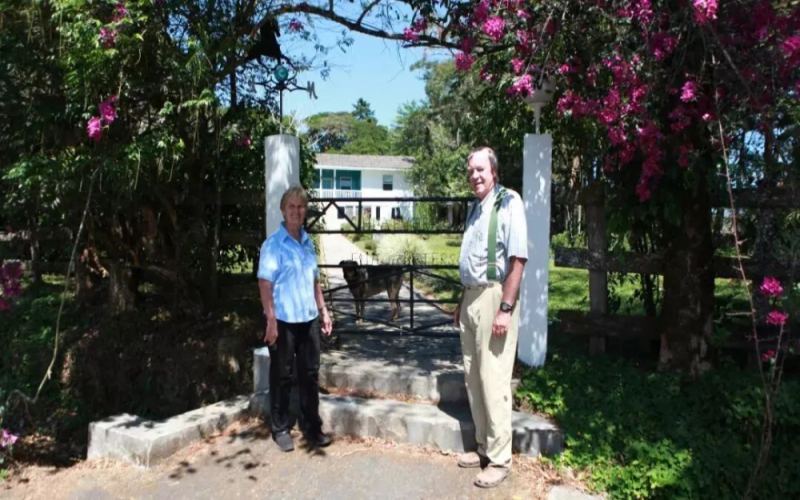
Hacienda La Esmeralda Geisha Grading Guide: What Exactly Is the Difference Between Red Label, Green Label, and Blue Label?
New-crop Geisha coffee beans are arriving one after another. Front Street Coffee recently compared the differences between Geisha Village's Gold Label, Red Label, and CHAKA. This time, we turn our attention to Panama's Hacienda La Esmeralda and discuss how its three grades—Red Label, Green Label, and Blue Label—are actually divided. Since Hacienda La Esmeralda rose to fame at the 2004 Panama Cup of Excellence, it has become a benchmark in the specialty coffee world thanks to the Geisha variety. Based on altitude, cup performance, and batch source, the estate divides its Geisha beans into auction-level Red Label, reserve-level Green Label, and select-level Blue Label. The three differ in flavor profile, processing method, and purchasing channels, and Front Street Coffee has also conducted separate pour-over comparisons for each. If you are choosing a Hacienda La Esmeralda Geisha, this summary may help you clarify your thinking. [more…]

Panama Hacienda La Esmeralda Sun-Dried Geisha Comparison: What Exactly Is the Difference Between Blue Label and Green Label?
In the world of specialty coffee, the Geisha from Panama's Hacienda La Esmeralda is undoubtedly a benchmark existence. Front Street Coffee has recently simultaneously launched two Geisha offerings—the Natural Blue Label and the Natural Green Label—sparking curiosity among many coffee enthusiasts: both are naturally processed Geisha, so what exactly is the difference between the Blue Label and the Green Label? This article will begin with the origins and rise to fame of Geisha, outline the classification standards for Hacienda La Esmeralda's Red, Green, and Blue Label Geisha, and focus on comparing the similarities and differences between the Natural Blue Label and Natural Green Label in terms of altitude, production region, and flavor performance. At the same time, Front Street will also share the brewing parameters and tasting experience for the Natural Green Label, guiding you through a comprehensive understanding of the unique charm of each of these two Geisha offerings. [more…]
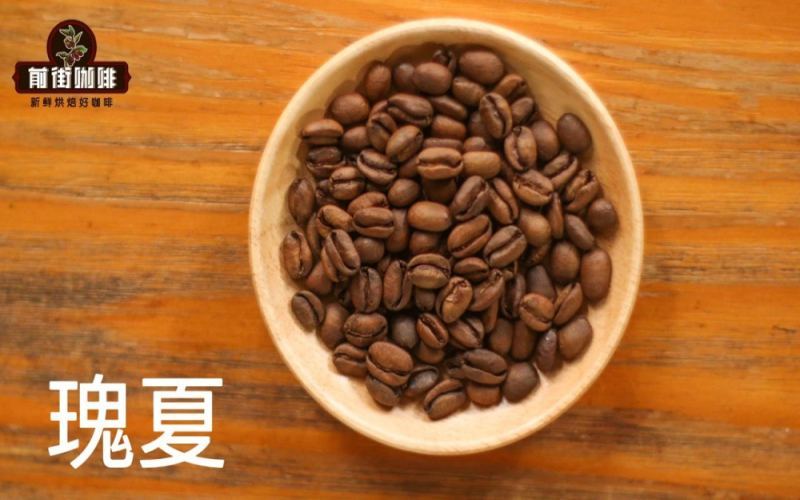
Panama Hacienda La Esmeralda Geisha Coffee: An Analysis of the Flavor Differences Between the Red, Green, and Blue Label Grades and the Auction Journey
Hacienda La Esmeralda in Panama is the driving force behind Geisha coffee's rise to global fame and the estate that has brought Geisha quality grading to its ultimate extreme. This article will trace the estate's rise, detail the criteria behind its three Geisha grades—Red Label, Green Label, and Blue Label—including their elevation requirements, plot sources, and flavor profiles, and explain the differences between the washed and natural processing methods. The article also compiles Front Street Coffee's brewing recommendations and flavor descriptions for three Hacienda La Esmeralda Geisha coffees, for coffee enthusiasts to reference and compare. [more…]
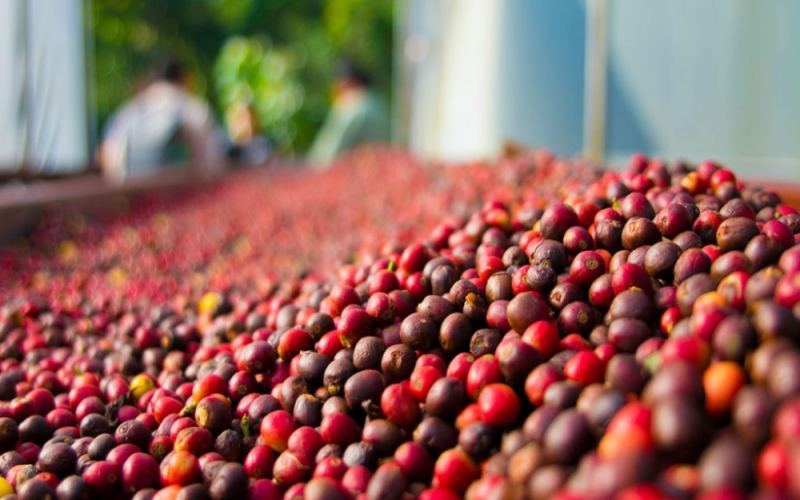
An Analysis of the Differences Between Panama's Hacienda La Esmeralda and Ethiopia's Gesha Village Red Label: A Complete Overview of the Auction, Gold Label, and Green Label Grading System
Geisha coffee beans rose to fame after Hacienda La Esmeralda in Panama won the BOP competition in 2004, and today Ethiopia's Gesha Village has also become a focus of the specialty coffee world. Although both estates are renowned for the Geisha variety, their grading systems differ greatly. Hacienda La Esmeralda divides Geisha into three grades: Auction, Red Label, and Green Label, while Gesha Village offers Auction, Gold Label, Red Label, Green Label, and Chaka batches. This article will systematically organize the Geisha grading standards of these two major estates, provide an in-depth analysis of the meaning and differences of Red Label Geisha, and introduce related product information recommended by Front Street Coffee, helping coffee enthusiasts fully understand the grading system and flavor characteristics of Geisha coffee. [more…]
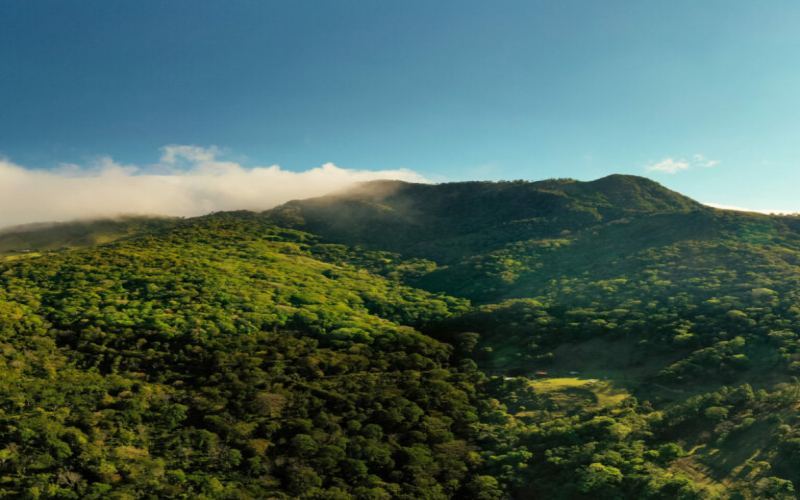
A Complete Analysis of Panama Hacienda La Esmeralda Geisha Coffee Bean Brand Grades: A Detailed Explanation of the Differences Between Red Label, Green Label, and Blue Label
Geisha coffee is now incredibly sought after in the specialty coffee world, and Panama's Hacienda La Esmeralda played an indispensable role in this variety gaining world-class renown. From Daniel discovering Geisha's unique flavor on the cupping table in 2003 to its championship win at the Specialty Coffee Association of America competition in 2005, Hacienda La Esmeralda proved Geisha's extraordinary potential through quality. The estate divides its growing plots by altitude into three brand series—Red Label, Green Label, and Blue Label—each representing different quality grades and price positioning. This article will systematically sort out the distinguishing criteria, flavor characteristics, and purchasing points for these three brands, while also introducing specific information on several Hacienda La Esmeralda Geisha products under Front Street Coffee, helping coffee enthusiasts clearly understand the differences between each grade. [more…]
Panama Hacienda La Esmeralda Geisha Coffee Grade Classification: Flavor, Taste, and Brewing Key Points of Red Label, Green Label, and Blue Label
In the world of specialty coffee, Jamaica Blue Mountain, Hawaii Kona, and Geisha are considered the top choices, and the Geisha produced by Panama's Hacienda La Esmeralda is the finest among them, known for its intense floral aroma and fruity notes. Hacienda La Esmeralda classifies its Geisha into three grades—Red Label, Green Label, and Blue Label—based on growing altitude and cupping scores, each corresponding to different plots and processing methods, with distinctive flavor profiles. Front Street Coffee has acquired several lots of Hacienda La Esmeralda Geisha, comparing the flavor differences between washed and natural processing through cupping, and sharing parameter recommendations for light roasting and staged brewing, to help coffee enthusiasts choose the Geisha that suits their personal preferences. [more…]
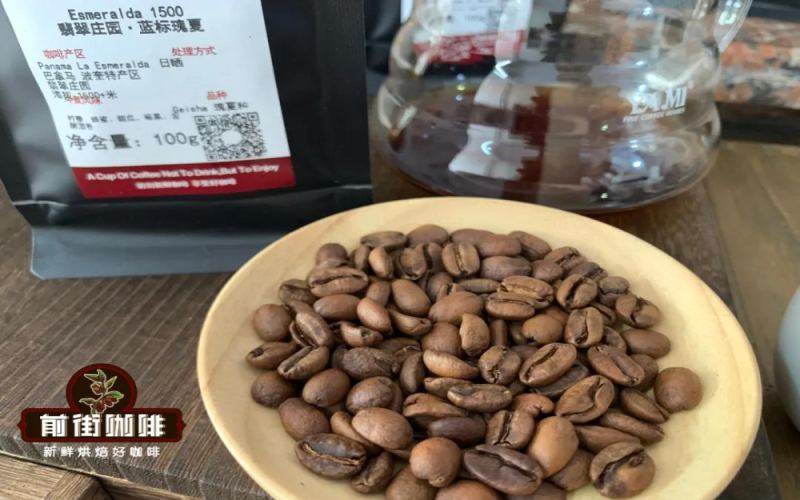
Front Street Hacienda La Esmeralda Geisha Blue Label Washed Coffee Beans: The Red, Green, and Blue Three-Tier Difference and an Analysis of the 2021 Blue Label's Whereabouts
Panama's Hacienda La Esmeralda Geisha coffee has always been the benchmark in the specialty coffee world, with its Red Label, Green Label, and Blue Label tiers each having their own positioning. Among them, the Blue Label, with its outstanding value for money, has become the entry-level choice for many coffee lovers getting their first taste of Esmeralda Geisha. In 2021, Hacienda La Esmeralda did not release a Blue Label series, sparking much speculation in the market. This article will sort out the grading standards and flavor characteristics of the Red Label, Green Label, and Blue Label, and reveal the full story of how that year's Blue Label Geisha reappeared under the name Las Rocas. Front Street Coffee continues to follow Hacienda La Esmeralda's developments, bringing readers first-hand interpretation. [more…]
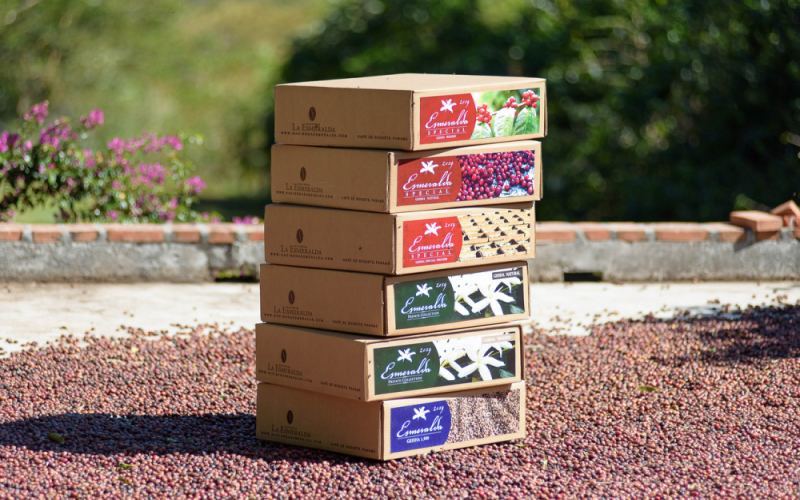
The Geisha Journey of Panama's Hacienda La Esmeralda: From Windbreak to the Detailed Grading of Red, Green, and Blue Labels
Hacienda La Esmeralda in Panama is the legendary birthplace of Geisha coffee, but its starting point was not Geisha. From the Peterson family's purchase of the estate in 1964, to the division of brands in 1973, and then to Geisha's spectacular debut in 2004, Hacienda La Esmeralda walked a path of discovery and grading. This article will outline the plot distribution of Hacienda La Esmeralda and the discovery journey of Geisha, and provide a detailed interpretation of the definitions, production areas, altitudes, and flavor differences of the three grades—Red Label, Green Label, and Blue Label—while also introducing the corresponding product information from Front Street Coffee, taking you through a comprehensive understanding of Hacienda La Esmeralda's Geisha grading system. [more…]
A Complete Guide to Hacienda La Esmeralda Geisha Grades: Why Was Blue Label Geisha 1500 Discontinued? What's the Difference Between Red, Green, and Black Labels?
Hacienda La Esmeralda in Panama, with its unique vision, discovered the potential of the Geisha variety, and through the Best of Panama (BOP) competition, made Geisha an overnight sensation. Since then, the Geisha produced by Hacienda La Esmeralda has remained a hot topic in the coffee world, with terms such as Red Label, Green Label, and Blue Label (Geisha 1500) frequently appearing. However, in recent years, "Geisha 1500" has gradually faded from view—why did it disappear? How many grading systems does Hacienda La Esmeralda currently have? This article will start with the layout of the estates under Hacienda La Esmeralda, systematically explain the grading logic and traceability rules of brands such as Red Label, Green Label, Black Label, and Diamond Mountain, and clarify the ins and outs of the discontinuation of Blue Label Geisha, helping coffee enthusiasts understand the full picture of Hacienda La Esmeralda's Geisha product line. [more…]
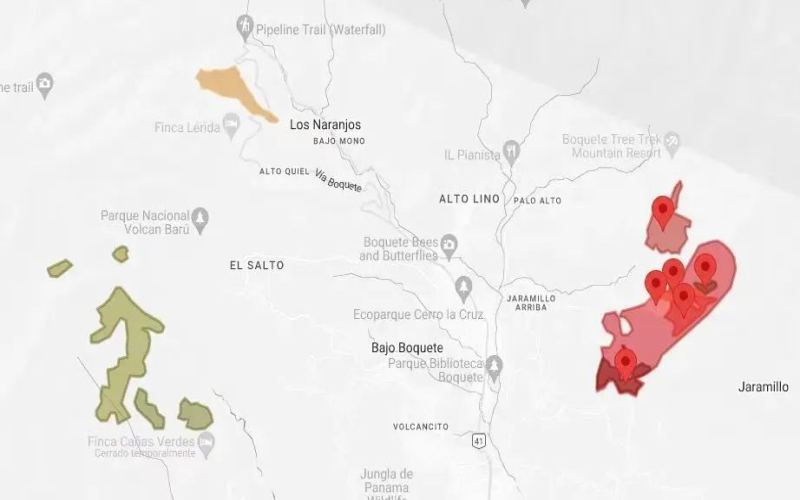
A Complete Guide to Panama Hacienda La Esmeralda Geisha Coffee: From Terroir to Red, Green, and Blue Label Grading and Cupping Flavors
The reason Panamanian coffee has been able to occupy a dazzling position on the world specialty coffee map lies both in the unique microclimate formed by the convergence of the Central Cordillera and cold air, and in the support of fertile volcanic soil. Among the many producing regions, Hacienda La Esmeralda in Boquete is undoubtedly the discoverer and promoter of Geisha flavor. This article will guide you through how Hacienda La Esmeralda classifies Geisha grades such as Red Label, Green Label, and Blue Label based on altitude and cupping performance, analyze the core differences between Red Label and Green Label, and include detailed cupping flavor notes for Front Street Coffee's Red Label and Green Label Geisha, helping coffee enthusiasts more clearly choose a Geisha that suits them. [more…]