







Search Results for: Plot
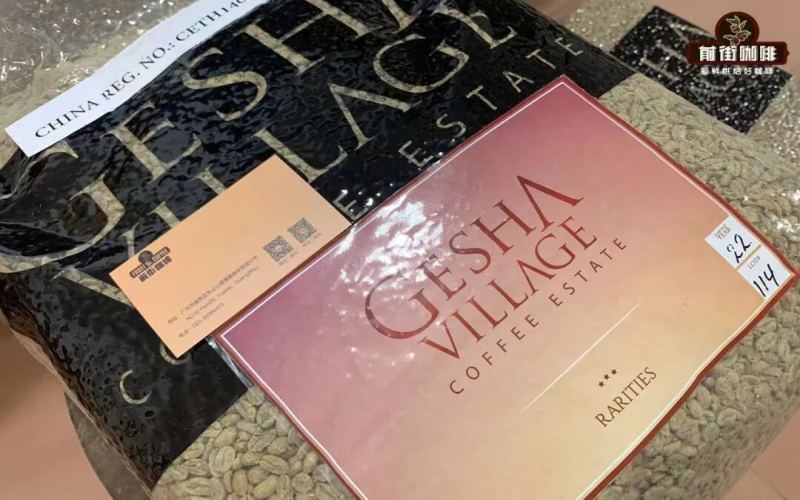
Ethiopian Geisha Coffee | What is the origin of Gesha Village? How does Gesha Village grade Geisha coffee? What are the characteristics of different grades of Geisha?
In the past, when some friends who wanted to taste Geisha coffee came to Front Street Coffee and ordered Geisha, the baristas at Front Street would carefully ask, "Do you mean Ethiopian Geisha or Panamanian Geisha?" Everyone would be confused about the difference between these two Geishas. Nowadays, the name of Panamanian Geisha [more…]
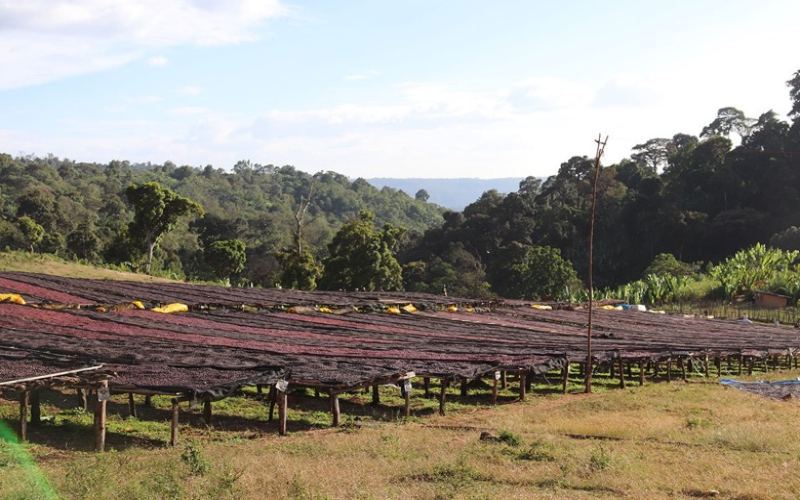
Micro-lots as Small as a Few Sacks—What Makes Them So Memorable?
In the world of specialty coffee, micro-lot is a term that sets hearts racing. It might come from a small east-facing plot on an estate, or from a small batch of green beans processed separately in a single fermentation tank at a processing station. The yield is often only a few dozen bags, and once they're sold out for the season, you'll have to wait until next year for that same flavor. This sense of exclusivity, [more…]
A Complete Guide to Geisha Coffee Beans: From Ethiopian Origins to Panama's Hacienda La Esmeralda Pour-Over Flavor Guide
Geisha coffee beans are famous for their rich floral aroma and refined fruit acidity, but this variety went from Ethiopia's wild forests to the world stage through nearly seventy years of obscurity and turning points. This article sorts out Geisha's varietal origins, spread, and growing condition requirements, focusing on the terroir advantages of Panama's Boquete producing region, as well as Hacienda La Esmeralda's Red Label and Green Label grading system. It also presents Front Street Coffee's roasting approach for Geisha and V60 brewing parameter recommendations, and includes flavor descriptions of beans from well-known Panama estates such as Butterfly and Elida, providing coffee lovers with a complete Geisha tasting reference. [more…]

Hacienda La Esmeralda Geisha Coffee Bean Grades | What is the difference between Panama La Esmeralda Geisha Red Label and Green Label? Why is Esmeralda Geisha coffee so expensive?
If Geisha is likened to a thousand-mile horse, then Hacienda La Esmeralda is undoubtedly the Bo Le who recognized its worth. It was Hacienda La Esmeralda that discovered Geisha's potential and introduced its exquisite flavor to the world at the 2004 BOP, which is why Geisha has become the top variety in today's specialty coffee scene. It can be said that without [more…]
Panama Hacienda La Esmeralda Geisha Coffee Beans | What's the Difference Between Red Label Geisha and Green Label Geisha (Geisha) Coffee Beans? How Did Hacienda La Esmeralda Come to Grade Geisha Coffee?
If Geisha is compared to a legendary steed, then Hacienda La Esmeralda is undoubtedly the judge who recognized its worth. It was Hacienda La Esmeralda that discovered Geisha's potential and introduced its delicious flavor to the world at the 2004 BOP, which is why Geisha has become the top variety in today's specialty coffee scene. It can be said that without [more…]

Black Coffee Brand Rankings | What Are the Top Ten Best-Tasting Coffee Beans? What Are the Signature Coffees of Panama, Ethiopia, and Jamaica?
Many friends have messaged Front Street privately, asking Front Street to introduce some representative good coffee beans. Front Street thought about it, and the most representative coffees are the more distinctive coffee beans from each major producing region. For this reason, Front Street has recommended 10 coffee beans from different producing countries. 1. Front Street Coffee (FrontSt [more…]
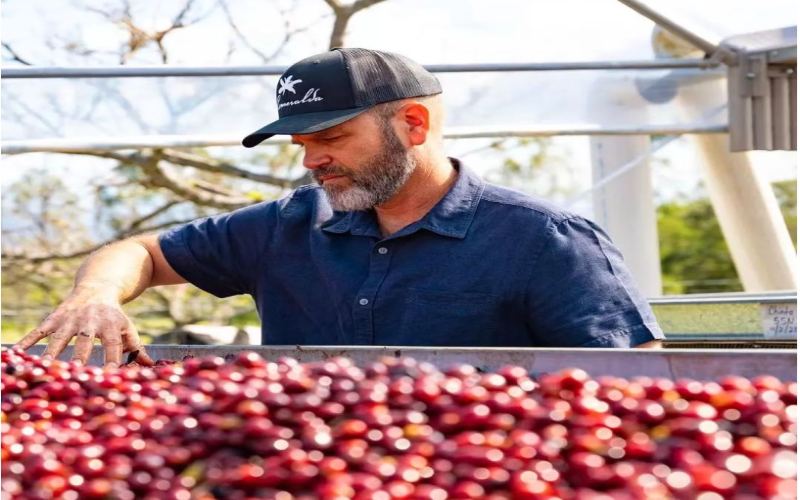
Why is Geisha coffee beans so expensive? Understand the price of Geisha coffee beans.
Geisha has made a big splash in recent years, and under the pursuit of enthusiasts, its price seems to be creating a historical high every year. With this kind of information, exactly what price should the Geisha coffee beans you buy reach before it [more…]
Micro-lots and Cooperatives: The Journey of a Hand-Pour Bean from Farm to Shelf
On specialty coffee menus, words like "micro-lot," "cooperative," and "processing station" are appearing more and more frequently, and price tags often jump up along with them. Behind these words lies an entire organizational system of origin—from seed to your pour-over dripper, the supply chain behind a bag of coffee is far more fascinating than you might imagine. First, let's look at the survival structure of smallholder farmers. [more…]
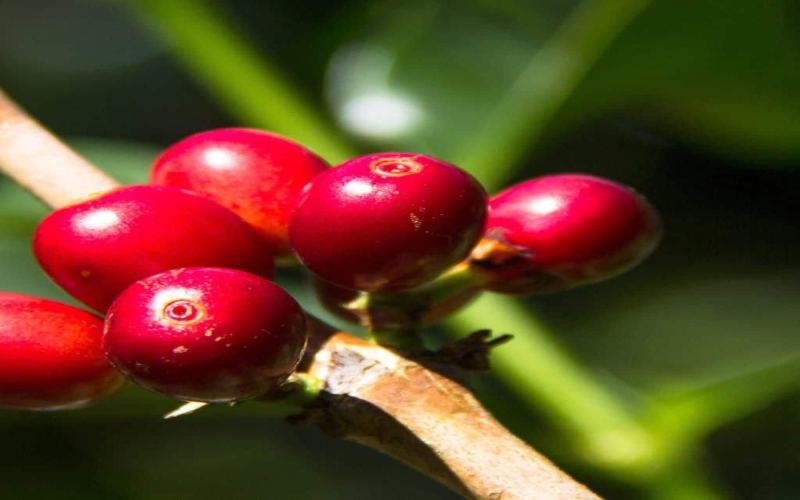
Complete Guide to Geisha Coffee Beans: From Origin and Spread to Taste Grades and Flavor Differences with Huakui
Geisha, hailed as the most legendary coffee variety of the 21st century, has become an undisputed star in the specialty coffee world thanks to its stunning cupping performance and ever-rising auction prices. But where exactly did Geisha come from? Is it the same bean as Huakui? How do you distinguish between the Red Label, Green Label, and Volcanic Rock lots from Panama's Hacienda La Esmeralda? How does the product line from Gesha Village in Ethiopia differ? This article, led by Front Street Coffee (FrontStreet Coffee), will systematically trace Geisha's rise to fame, its varietal characteristics, and its flavor expression across different producing regions, along with practical brewing suggestions to help coffee lovers gain a comprehensive understanding of this legendary variety. [more…]
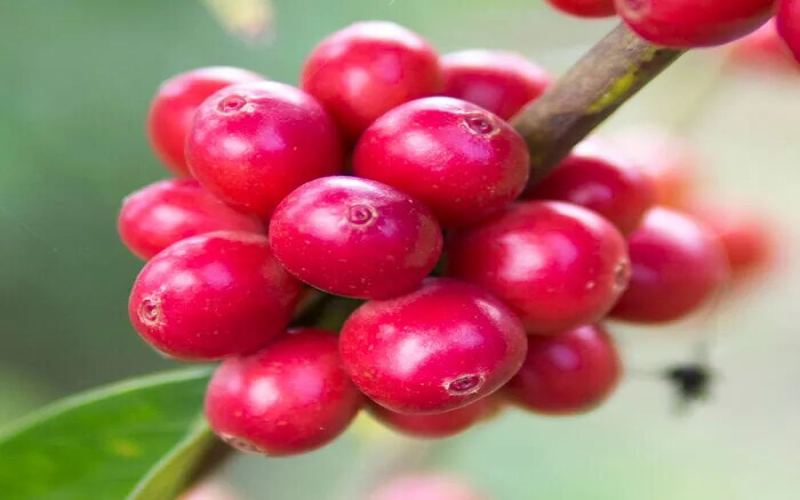
Gesha Village Gori Gesha and Gesha 1931 | What are the differences in flavor and mouthfeel between Gesha Village Green Label and Emerald Green Label Gesha? What varieties of Gesha coffee are there?
I believe everyone who loves coffee has heard of the famous Geisha. Geisha coffee shone brightly in Panama, which both made Panamanian Geisha famous and drove up the value of Panamanian coffee. In fact, the Geisha variety did not originate in Panama itself, but came from Ethiopia, the homeland of coffee. Ethiopia [more…]
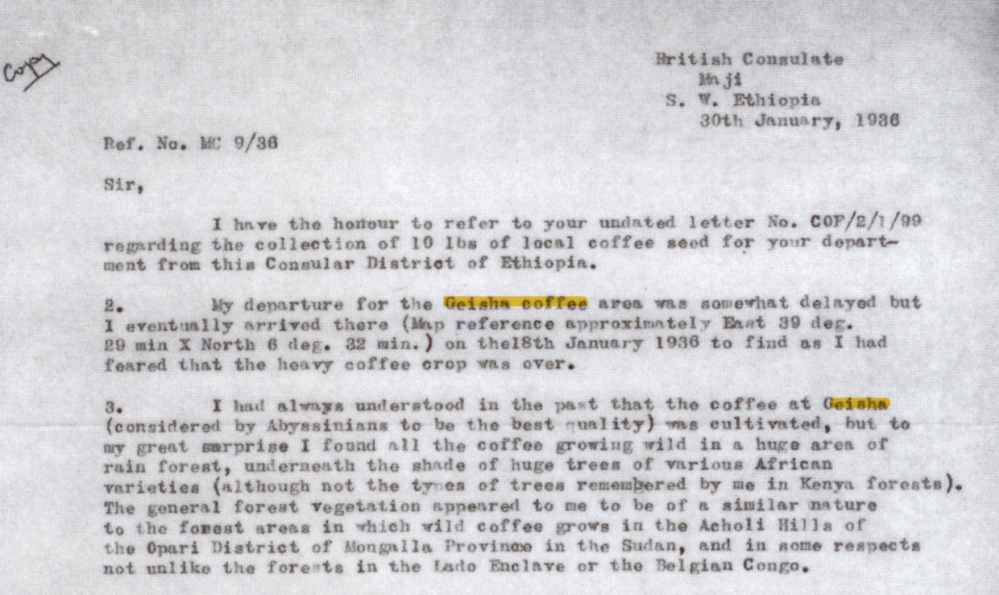
The Origin and History of Geisha Coffee | What Are the Characteristics of the Panamanian Geisha Variety? Which Famous Coffee Estates Grow Geisha? What Should You Pay Attention to When Hand-Brewing Geisha Coffee?
People's definition of top-tier coffee is constantly changing, and the old rich, full-bodied cup has long become a thing of the past. Nowadays, if you casually ask any coffee lover which coffee can represent the very best, the answer you get is very likely Panama Geisha. There are many varieties of Panama Geisha, and when faced with Front Street's tasting [more…]
KOUANDJI Estate, New Caledonia, South Pacific: The Rare Legend of Bourbon Pointu Leroy Coffee Beans
In the Melanesian archipelago of the South Pacific, New Caledonia is like a vibrant oasis, hiding one of the world's rarest, most expensive, and most unusual coffees. KOUANDJI Estate is located at the foot of the mountains about 25 kilometers southeast of the capital, Nouméa, and is dedicated to reviving the region's nearly vanished coffee-growing industry. The estate cultivates "Leroy," also known as Bourbon Pointu, named for the pointed ends of its fruit. Its caffeine content is only half that of ordinary Arabica, and its yield is extremely low—even the French presidential palace must purchase it in limited quantities. Front Street Coffee has always paid attention to such niche, rare bean varieties. This article will take you deeper into the story behind its historical origins, variety characteristics, and unique flavor. [more…]
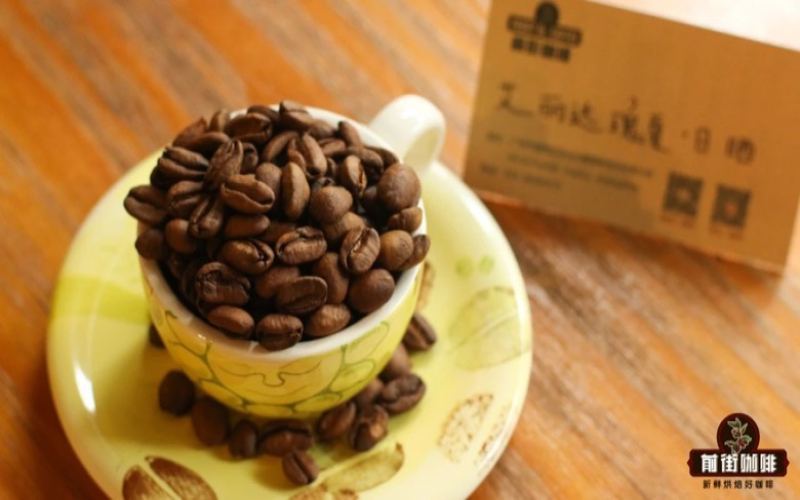
Hacienda Santa Teresa: A Strong Contender of Traditional Varieties at the Foot of Baru Volcano
In the 2026 BOP Traditional Varieties category, the champion belongs to Altieri Estate, the runner-up is Hacienda La Esmeralda, and the third place is a batch that entered with 92.38 points—it comes from Finca Santa Teresa, owned by Ezequiel [more…]
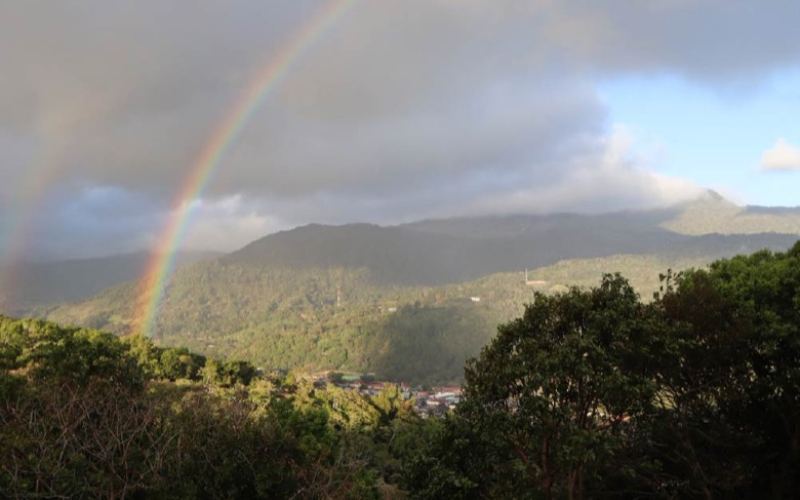
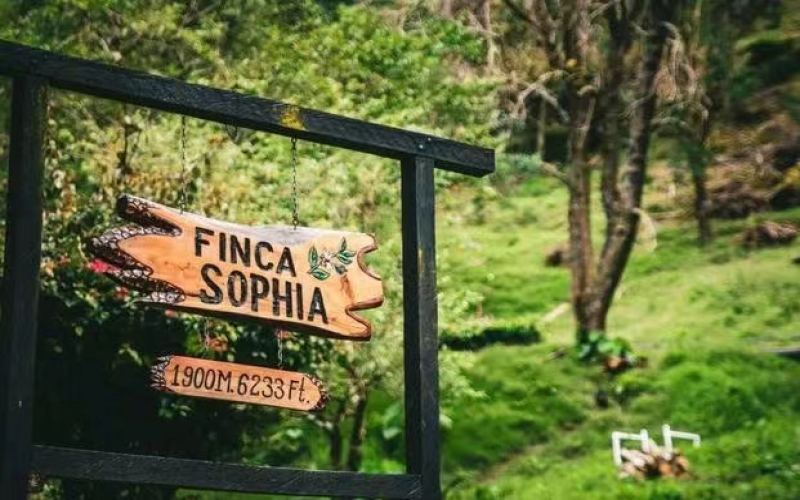
Finca Sophia: The Path of a High-Altitude Rising Star to the BOP Podium
At the 2025 Best of Panama, Finca Sophia took two of the top spots at once: second place in the washed Geisha category (96.25 points) and third place in the natural Geisha category (96.25 points). For an estate established only in 2008, [more…]
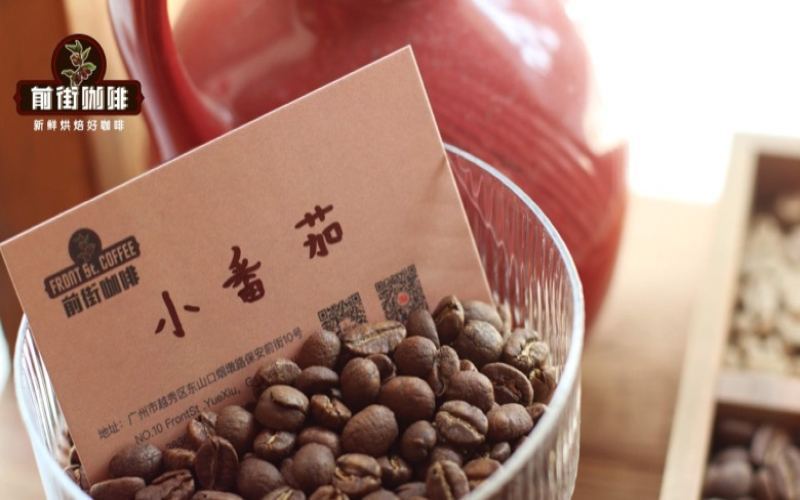
SL28 and SL34: The Legendary Varieties from Kenya's Laboratory
In the world of specialty coffee, few varieties encapsulate a country's technical ambition and terroir expression in two numbers the way SL28 and SL34 do. Their acidity is bright as berry juice, their sweetness rich with blackcurrant notes, and together they have all but defined the "Kenyan taste." This legendary [more…]
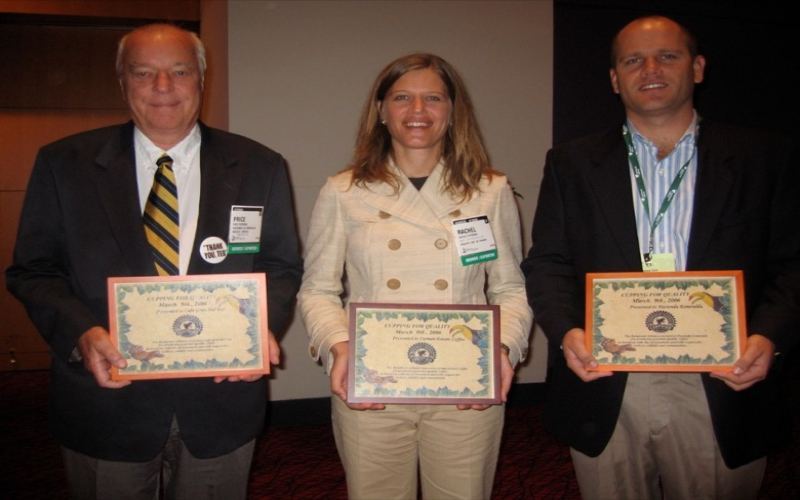
Hacienda La Esmeralda: From stunning the world in 2004 to lifting the Panama Cup two years in a row
At the 2025 Best of Panama awards, Hacienda La Esmeralda set a new record for the entire event with a 98-point washed Geisha, then took 97 points in the natural category and also topped the traditional variety category, completing a rare "triple crown" in BOP history. [more…]
Costa Rica · Western Valley: A Representative of Ecological Specialty
The Western Valley is one of Costa Rica's four major specialty coffee regions, known for its eco-friendly growing philosophy and diverse processing methods. This article introduces the characteristics and signature flavors of this region. [more…]
Colombia · Huila Department: Balanced Sweetness of the Andes
Huila is Colombia's most prestigious specialty coffee region, and the coffee produced here is famous for its balanced acidity and sweetness, pronounced caramel sweetness, and clean cup profile. This article guides you through Huila's geography, varieties, flavors, and brewing. [more…]
Rwanda Nyungwe: Africa's New Highland for Specialty Coffee
Rwanda is a latecomer to African specialty coffee, and Nyungwe is its core producing region. This article takes you through the rapid rise of Rwandan coffee, the characteristics of the Nyungwe region, and its flavors in the cup. [more…]
From Everyday Beans to Auction Lots: How Arabica Climbs the Price Ladder
Even though they are all labeled Arabica, coffee bean prices can differ by dozens or even hundreds of times. At one end of this price spectrum are commercial beans on store shelves, and at the other end are famous estate beans bid on per pound at auctions. Understanding what makes each level expensive will help you spend your money wisely and make it easier to find the tier that matches your taste. The entry level is commercial grade. [more…]