







What Separates Each Label of Panama Geisha Coffee Beans?
Hacienda La Esmeralda's Geisha lots are divided into green, red, blue and auction labels, and the names are informal nicknames rather than official designations. Green label and red label both come from the farm's Geisha plots, while auction Geisha is a further selection drawn from red label lots. The labels reflect background and traceability, not a simple quality ranking.
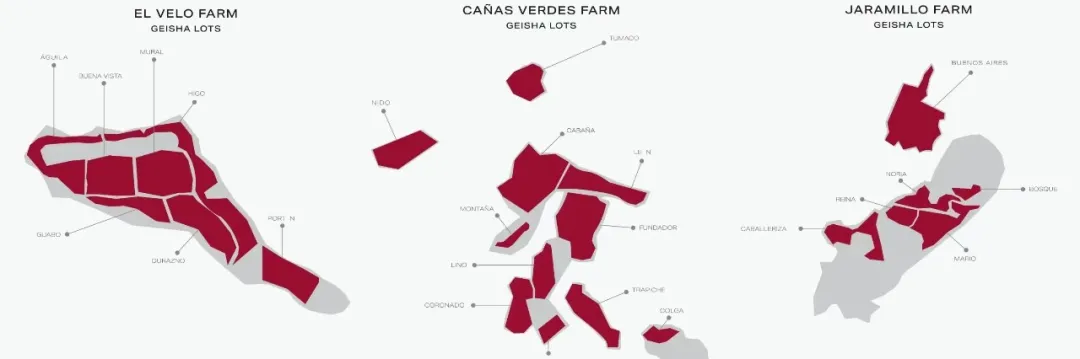
The farm holds four growing areas, three of which mainly cultivate Geisha: Jaramillo, Canas Verdes, and El Velo, and each area is split into small plots so individual lots can be traced. Auction lots typically represent the most carefully selected pick from red label production, which is why they draw the highest attention at events such as the Panama BOP competition.
On the Front Street Coffee menu, Hacienda Esmeralda's green-label and red-label Geisha have always drawn much attention. Many friends who are just getting into specialty coffee often wonder: both are Geisha from Hacienda Esmeralda, so what exactly is the difference between red label and green label? In fact, Hacienda Esmeralda's Geisha series includes far more than these two labels—there are also blue label and auction lots and other subdivided grades. These Chinese nicknames are not official names, but rather memorable naming methods based on each one's background characteristics. Hacienda Esmeralda has four growing areas, three of which mainly cultivate Geisha: Jaramillo, Canas Verdes, and El Velo, and each area is further divided into multiple small plots to achieve precise traceability. This article will guide you through a systematic breakdown of the differences among Hacienda Esmeralda's various label grades of Geisha, and take a deep dive into the unique flavor of Panama BOP champion coffee beans.
On Front Street Coffee's bean list, both the green-label and red-label Geisha from Hacienda Esmeralda are available. Many beginners who see them will wonder: both are Geisha produced by Hacienda Esmeralda, so what exactly is the difference between green label and red label? That's a great question! Next, Front Street will sort through it again for everyone—the differences among the various versions of Hacienda Esmeralda's Geisha.
Hacienda Esmeralda's Geisha
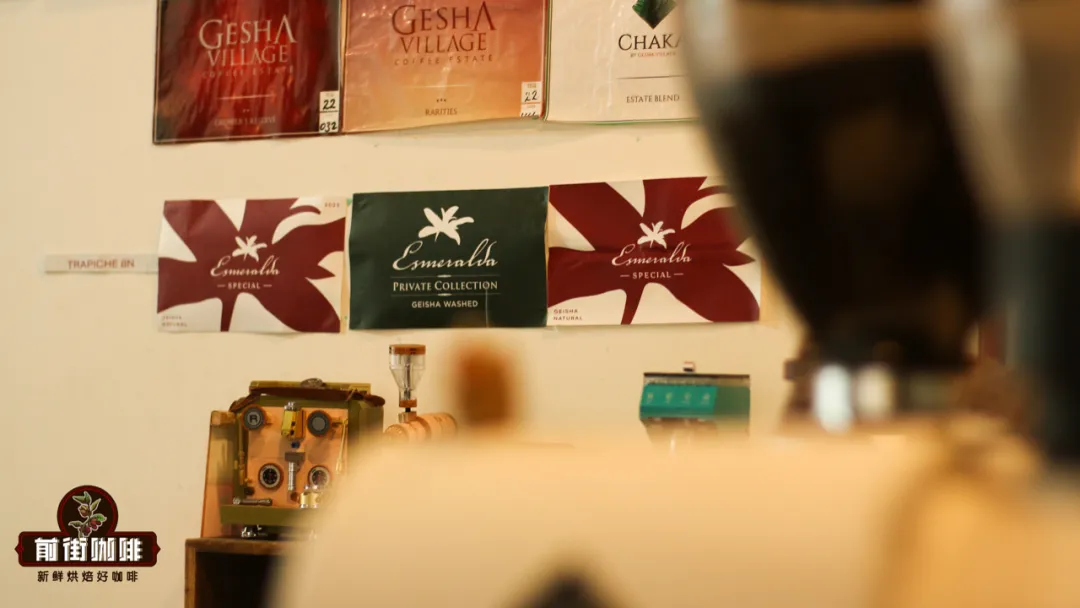
In fact, besides green label and red label, Hacienda Esmeralda also has blue label, auction lot, and other Geisha products with the word "label." Blue label, red label, and green label all belong to the Hacienda Esmeralda Geisha family; while auction Geisha is a top-tier batch further selected from red-label Geisha. So today let's learn about them all together. Of course, before that, it should be explained: blue label, green label, and red label are all Chinese nicknames, named according to the background characteristics of each label grade for easier memorization, and are not their original official names.
Hacienda Esmeralda has a total of four coffee growing areas, among which three mainly cultivate Geisha: Jaramillo, Canas Verdes, and El Velo. Each area is further divided into several different small plots, so that some beans can be traced for information.


The above content is compiled by CoffeeHunters, a coffee news website.


