







What Separates the Geisha Coffee Bean Labels?
Hacienda La Esmeralda divides its Geisha coffee beans into three grades based on altitude, cupping performance and lot origin: auction-level Red Label, reserve-level Green Label, and select-level Blue Label. The estate rose to prominence at the 2004 Panama coffee competition and has since become a reference point in specialty coffee, with the three labels differing in flavor direction, processing method and purchasing channels.
Rudolph A. Peterson, a former Bank of America president, bought the estate in 1964 for retirement and vacation, and his son Price Peterson returned to Boquete in 1973 to help run it. Price split the farm's output into three brands by altitude and microclimate, combined with cupping results and cultivated varieties, and pour-over comparisons of each label are available for buyers choosing a Geisha.
New-crop Geisha coffee beans are arriving one after another. Front Street recently compared the differences between Geisha Village Gold Label, Red Label, and CHAKA. This time, we turn our attention to Panama's Hacienda La Esmeralda and discuss how its three grades—Red Label, Green Label, and Blue Label—are actually classified. Since Hacienda La Esmeralda rose to fame at the 2004 Best of Panama competition, it has become a benchmark in the specialty coffee world thanks to the Geisha variety. Based on altitude, cupping performance, and lot origin, the estate divides its Geisha beans into auction-level Red Label, reserve-level Green Label, and select-level Blue Label. The three differ in flavor direction, processing method, and purchasing channels, and Front Street has also conducted pour-over comparisons for each. If you are choosing a Geisha from Hacienda La Esmeralda, this summary may help you sort out your thoughts.
Recently, quite a few new-crop Geisha coffee beans have arrived. A couple of days ago, Front Street compared the differences between Front Street Geisha Village's Gold Label, Red Label, and CHAKA. This time, come with Front Street to see how Hacienda La Esmeralda's Red Label, Green Label, and Blue Label are actually distinguished!
Panama La Esmeralda
After participating in the Panama coffee bean cupping competition in 2004 and rising to fame in one stroke, it won the Panama coffee cupping competition championship for many consecutive years.
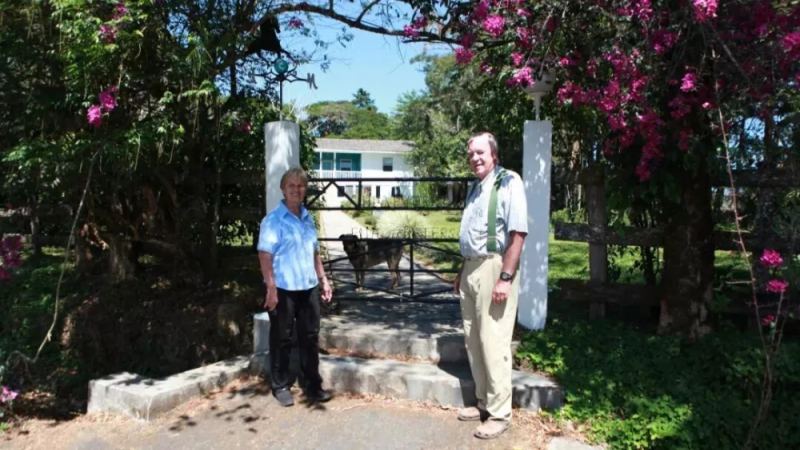
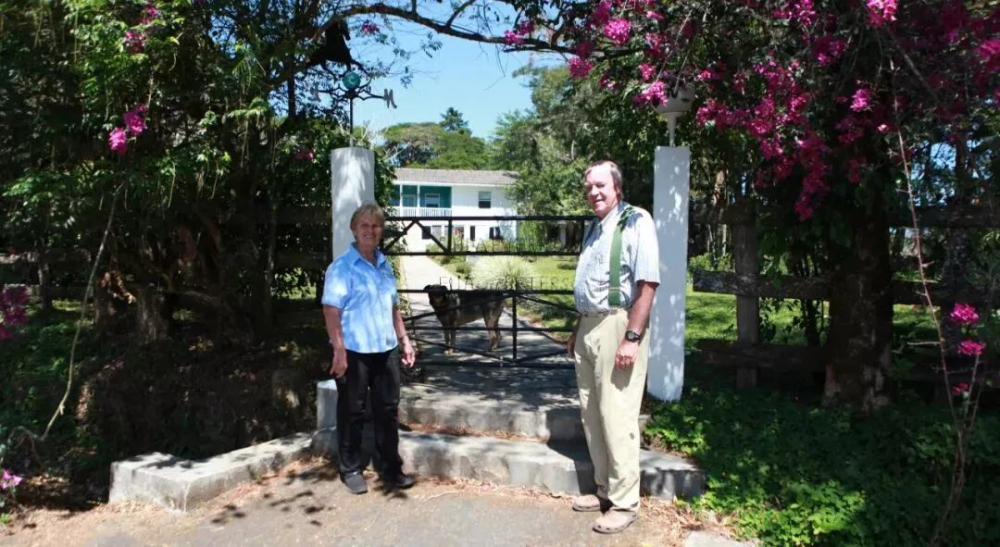
In 1964, Swedish-American financier Rudolph A. Peterson moved to Panama after retirement and bought Hacienda La Esmeralda in Boquete, initially focusing on dairy farming. He had served as president of Bank of America and was quite influential in the financial circles of the time. Rudolph bought Hacienda La Esmeralda originally just for vacations and future retirement, and probably did not expect that this estate would become world-famous, even becoming a representative specialty coffee estate in Panama.
In 1973, his son Price Peterson, after earning a doctorate in neurochemistry in the United States, chose to return to Boquete to help his father run the farm. After Price took over, based on altitude and microclimate, combined with cupping performance and cultivated varieties, he divided the market into three major brands for sale (Esmeralda Special, Diamond Mountain grows, Palmyra). Starting in 2012, Geisha was added, thus forming four major brands.
[Hacienda La Esmeralda] includes 4 farms: Canas Verdes, El Velo, Jaramillo, and Palmira. All coffee beans are sent to these 4 farms for post-processing. The first farm bought by the Peterson family, the estate owners, was Palmira.
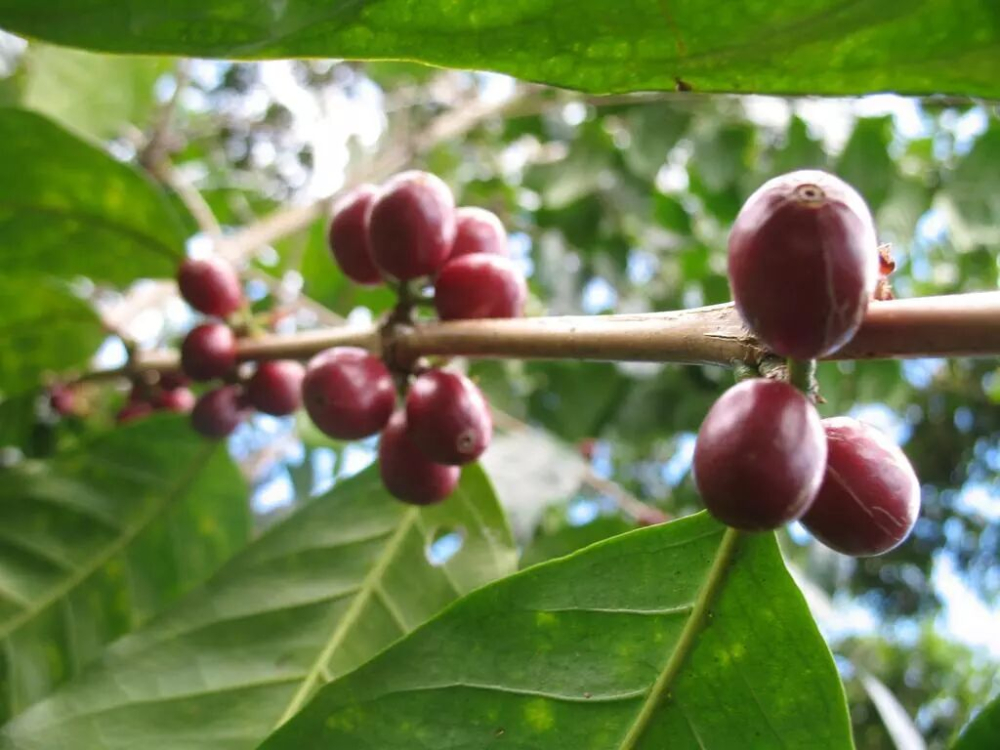
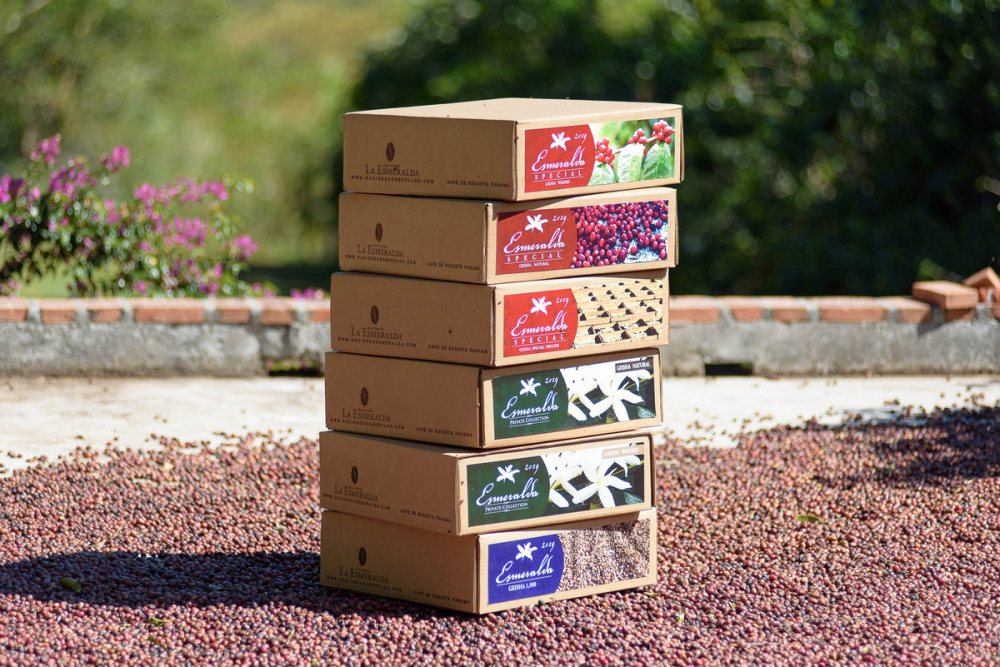
Hacienda La Esmeralda's "Red Label," "Green Label," and "Blue Label"
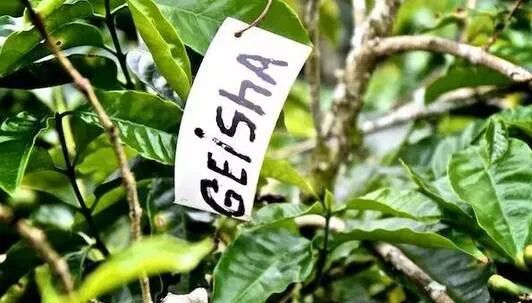
After years of experimentation, Hacienda La Esmeralda found that only Geisha beans harvested from coffee trees grown above 1,400 meters in altitude can display the special flavor that Geisha beans should have. Therefore, the grading is mainly based on planting altitude, with actual cupping results as a supplement, dividing Geisha beans into "Red, Green, and Blue Label" grades.
Red Label [Auction Lot]
1. Grown at an altitude of 1,600-1,800 meters
2. Cupping score above 91 points
3. Mainly produced from Jaramillo, Canas Verdes, and El Velo estates, and also the highest-quality Geisha beans
4. Geisha beans harvested from the highest areas of the Boquete mountains, with a special, bright floral aroma and citrus notes
5. Coffee of this grade is later processed into sun-dried or washed green beans, and in 2018 a yeast processing method was added
6. Can only be purchased through the annual global auction
Roast Curve
(Roast batch size 300 grams)
Bean drop temperature 170, turning point at 4'40", first crack begins at 8'12" at a temperature of 182, first crack development 1'30" then discharge, temperature 189.
Agtron bean color value 73.5 (left image), Agtron ground color value 89.4 (right image), Roast Delta value 15.9.
Green Label [Reserve Lot]
1. Grown at an altitude of 1,600-1,800 meters
2. Micro-lot coffee beans from three different estates: Jaramillo, Quiel, and Canas Verdes
3. Although not the highest-level auction beans, Geisha beans of this grade still carry the classic flavors of Geisha coffee beans: floral aroma, fruity notes, citrusy acidity, and a rich, juicy mouthfeel
4. Carefully selected from the most suitably ripe coffee cherries, creating a sweet, bright fruity acidity and delicious flavor
5. Geisha beans of this grade are also available as washed or sun-dried green beans
Roast Curve
(Roast batch size 300 grams)
Bean drop temperature 170, turning point at 4'35", first crack begins at 8'00" at a temperature of 181, first crack development 1'30" then discharge, temperature 193.5.
Agtron bean color value 69.3 (left image), Agtron ground color value 84.6 (right image), Roast Delta value 15.3.
Blue Label [Select Lot]
1. Grown at an altitude of 1,500 meters
2. A blend of beans from three different estates: Jaramillo, Canas Verdes, and El Velo
3. Slight floral aroma, fruity acidity, sweetness; the mouthfeel is relatively less rich than Red Label, clean and fresh
4. Geisha beans of this grade are only available as washed green beans

Roast Curve
(Roast batch size 300 grams)
Bean drop temperature 170, turning point at 4'55", first crack begins at 7'48" at a temperature of 180.5, first crack development 1'30" then discharge, temperature 190.
Agtron bean color value 83.6 (upper image), Agtron ground color value 93.8 (lower image), Roast Delta value 10.2.
| Flavor Comparison
Cupping:
1. Flavor descriptions vary from person to person and are also affected by water temperature and brewing method. This cupping report provides descriptions limited by the flavor wheel under the same brewing equipment and parameters, for reference purposes;
2. The content will be promptly revised in response to new information, with the latest update prevailing;
Pour-over:
Front Street uses the pour-over method to brew one pot of each to try~~ Using a V60 dripper, coffee-to-water ratio 1:15, water temperature 92 degrees Celsius, grind size EK43s setting 10 (80% passing through a Chinese standard No. 20 sieve), extracted in stages.
[Red Label] Bright rose and citrus aromas, genmaicha, berries, apricot, mixed fruit, honey, with a rich juice-like mouthfeel, rich flavor layers, and obvious sweetness.
[Green Label] On entry, rich jasmine aroma and high sweetness, citrus, berries, juiciness, cream, green tea, orange peel, cantaloupe; overall rich flavor layers, with a lingering floral and citrus finish.
[Blue Label] On entry, soft acidity of lemon and grapefruit; as it cools slightly, oolong tea, honey, and sugarcane sweetness return, with a relatively clean and bright mouthfeel.
The above content is compiled by CoffeeHunters, a coffee news website.


