







Search Results for: decaffeination methods
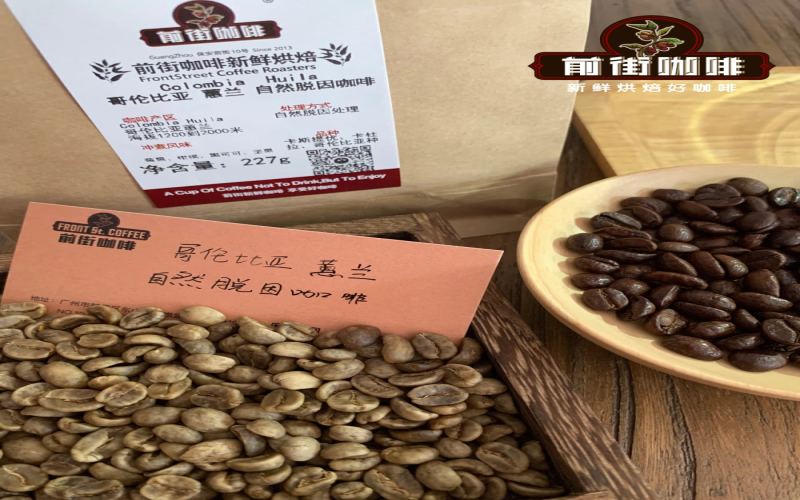
Benefits of Decaf Coffee | Can Drinking Decaf Black Coffee Help with Fat Loss? How to Brew Decaf Coffee Beans? Recommended Delicious and Affordable Specialty Decaf Coffee Beans for Pour-Over
For more specialty coffee knowledge, please follow: Front Street Coffee (Frontsteet Coffee). Experienced coffee enthusiasts know that the coffee beans used in specialty coffee are all Arabica variety coffee beans, which have a lower caffeine content than Robusta variety coffee beans, and therefore perform in coffee flavor cupping [more…]

A Complete Guide to Decaf Coffee: From Origins to Decaffeination Processes—Is Starbucks' DECAF Series Actually Good?
The rich aroma of coffee is intoxicating, yet the intolerance reactions brought on by caffeine—insomnia, palpitations, and the like—also deter many people. The emergence of decaf coffee happens to offer such enthusiasts a choice that balances flavor with physical comfort. This article will begin with the historical origins of decaf coffee, systematically sorting out the principles and characteristics of various decaffeination processes, including chemical solvent extraction, the Swiss Water Process, the Ice River water process, and supercritical carbon dioxide extraction, while also analyzing how decaf coffee performs in terms of antioxidant components and nutrients. Front Street Coffee will also, drawing on its own products, discuss the real reasons why decaf coffee tastes inferior, and why choosing green beans of good quality is more crucial than the decaffeination technology itself. [more…]
The Past and Present of Decaf Coffee Beans: A Comprehensive Analysis of Decaffeination Processes, Flavor Characteristics, Pros and Cons
Caffeine can refresh the mind and sharpen the senses, yet it also leaves some people struggling with insomnia and intolerance. The emergence of decaf coffee has conveniently offered a win-win solution for enthusiasts who love black coffee but cannot handle caffeine. This article will trace the origin story of decaf coffee, systematically review the principles, advantages, and disadvantages of various decaffeination processes such as chemical solvent extraction, the Swiss Water Process, the mountain water process, and liquid carbon dioxide, and take an in-depth look at how decaf coffee performs in terms of antioxidant components and nutritional elements. At the same time, Front Street Coffee will also share its unique insights on decaf coffee's flavor—the key to whether a cup of decaf coffee tastes good may not lie in the processing method itself, but rather in the starting point: the quality of the green beans. [more…]

The Core Differences Between Decaf and Regular Coffee: A Full Breakdown of Decaffeination Processes, Flavor Changes, and Suitable Groups
What exactly is the difference between decaf coffee and regular coffee? Can people who are intolerant to caffeine drink it without worry? And how do the common decaffeination methods on the market change the flavor of coffee? This article starts with a comparison of caffeine content, sorts out the differences between naturally low-caffeine and artificially decaffeinated coffee, breaks down in detail the principles, pros and cons of the sugarcane decaffeination method, the supercritical carbon dioxide process, and the Swiss Water Process, and explains why decaf coffee flavors often lean toward caramel and chocolate notes. If you are looking for a decaf coffee with a mild taste, there is also a medium-dark roast recommendation from Front Street Coffee at the end for reference. [more…]
A Comprehensive Analysis of Decaf Coffee Beans: Decaffeination Processes, Flavor Truth, and a Comparison with Starbucks Decaf
Decaf coffee is not completely caffeine-free; rather, the vast majority of caffeine is removed through special processes. Since German merchant Ludwig Roselius invented the steam decaffeination method in 1903, decaffeination technology has developed along multiple paths, including the natural solvent method, the Swiss Water Process, and the carbon dioxide method. Many people worry that decaf coffee will suffer a major loss of flavor, but the fact is that the amount of caffeine does not directly determine the taste—what truly affects flavor is variety, origin, processing method, and roast level. This article will systematically review the history of decaf coffee, the three mainstream decaffeination methods, and flavor performance, while also comparing the differences between Starbucks decaf coffee and regular coffee, and providing reference for everyday purchasing. [more…]
Analysis of Flavor Differences Between Decaffeinated and Regular Coffee: Decaffeination Processes and a Brewing Guide for Front Street Colombia Decaf Beans
Coffee has become an indispensable beverage in many people's daily lives, but for those who are sensitive to caffeine, enjoying a cup of coffee may mean the distress of insomnia. Decaffeinated coffee (low-caffeine coffee) has therefore become an ideal alternative for these consumers. This article will systematically introduce the core differences between decaffeinated coffee and regular coffee in terms of caffeine content and flavor performance, provide a detailed analysis of the principles and processes of three decaffeination methods including the Swiss Water Process, and offer an in-depth introduction to the bean composition, flavor characteristics, and brewing parameter recommendations of Front Street Coffee Colombia Swiss Water Process Decaf, helping coffee enthusiasts gain a comprehensive understanding of the true nature of decaffeinated coffee. [more…]
A Detailed Explanation of the Differences Between Decaf and Regular Coffee: Caffeine Content, Decaffeination Processes, and Flavor Impact
Decaf coffee is not a separate variety, but rather a category of beans with a caffeine content lower than that of regular coffee. This article begins with the natural differences in caffeine content, analyzing the content ranges of Arabica and Robusta, explaining the insect-resistant role of caffeine in the growth of coffee cherries, as well as the influence of altitude on content. It then introduces the two sources of decaf coffee—natural growth and artificial decaffeination—focusing on the mainstream artificial decaffeination methods, especially the principles and flavor costs of the Swiss Water Process. Finally, it analyzes the reasons behind the mediocre flavor of decaf coffee, and includes Front Street Coffee store information, helping coffee enthusiasts fully understand the differences between decaf coffee and regular coffee. [more…]
What is decaffeinated coffee? How does it differ from regular coffee in processing methods and component content?
For many coffee lovers who are sensitive to caffeine, decaf coffee offers a choice that balances flavor and peace of mind. It removes the vast majority of caffeine from green beans through specific processes, but inevitably strips away some flavor compounds as well. This article provides a systematic introduction to what decaf coffee is, the mainstream processing methods, how its caffeine and antioxidant content differs from regular coffee, and how modern eco-friendly decaffeination techniques preserve the flavor of premium coffee as much as possible. In addition, it also mentions related product information from Front Street Coffee to help readers gain a more comprehensive understanding of this category. [more…]
Analysis of the Flavor Characteristics of Colombian Decaf Coffee: Differences Between the Swiss Water Decaffeination Process and Regular Coffee
Decaf coffee has gradually entered the public eye, becoming a new choice for people who want to enjoy coffee flavor while controlling their caffeine intake. However, many people still have questions about the production principles of decaf coffee, decaffeination methods, and how it differs from regular coffee. This article starts from the Colombia Huila Swiss Water Process decaf coffee listed by Front Street Coffee, and systematically sorts out the definition of decaf coffee, caffeine content standards, and the operating mechanisms of mainstream decaffeination processes, while also providing an in-depth analysis of the specific procedures of the Swiss Water Process. At the same time, it explores the real reasons why decaf coffee often tastes poor, and, combined with the varieties, grades, and cupping performance of the Colombia Huila producing region, provides coffee enthusiasts with a comprehensive cognitive framework for decaf coffee. [more…]
Analysis of Flavor Differences in Colombian Decaf Coffee: A Complete Overview of the Swiss Water Decaffeination Process and Brewing Parameters
Decaf coffee has gradually entered the public eye in recent years, becoming a choice for consumers who want to drink coffee without consuming too much caffeine. But many people still have questions about decaf coffee: Does it really contain no caffeine? Will the decaffeination process make the coffee taste bad? Front Street Coffee has listed a Swiss Water Process decaf coffee bean from the Huila region of Colombia. This article will comprehensively analyze the differences in taste and flavor between decaf coffee and regular coffee from aspects such as the definition and standards of decaf coffee, the principles and characteristics of various decaffeination processes, green bean varieties and grades, roasting curves, and brewing suggestions, helping coffee lovers better understand the true face of decaf coffee. [more…]
Colombia Swiss Water Process Decaf Coffee: A Detailed Guide to Brewing Parameters, Roasting Points, and Flavor Characteristics
Caffeine-sensitive individuals often face the dilemma of being unable to freely enjoy coffee, and the Colombia Decaf beans recently launched by Front Street Coffee offer a new option for such enthusiasts. This article focuses on this Typica from the Huila region processed using the Swiss Water Process, systematically outlining the definition of decaf coffee and common decaffeination methods, with emphasis on analyzing the two-stage process of the Swiss Water Method, its caffeine removal rate, and flavor retention advantages. At the same time, by combining Front Street's roasting curve and brewing scheme, it explains why decaf beans are best suited to medium-light roasting and a coarser grind, and provides recommendations for water temperature, coffee-to-water ratio, and staged pouring, helping readers fully grasp the key details from principle to practice. [more…]
How Is Decaf Coffee Decaffeinated? Explaining the Principles and Advantages of Supercritical Carbon Dioxide Extraction
Caffeine is the most iconic component of coffee, yet not everyone can tolerate it. It is both the primary source of bitterness and a neurostimulant that affects sleep. Thus, decaffeinated coffee was created to remove caffeine. However, the challenge of decaffeination lies in how to remove only the caffeine while preserving the aroma and flavor of coffee as much as possible. Early methods using organic solvents were effective, but left consumers concerned about residues. It was not until the advent of supercritical carbon dioxide extraction technology that a truly efficient and highly selective decaffeination process was achieved. This article will guide you through the principles of this technology, its development history, and its unique advantages in coffee decaffeination, while also introducing Front Street Coffee's attention to and practice of this process. [more…]
How to Choose Decaf Coffee? From the Goethe Legend and Decaffeination Methods to a Brewing Guide for Front Street Coffee Colombia Huila Decaf Beans
Do you love coffee but worry about not being able to sleep? Decaf coffee was made for exactly this reason. This article begins with an anecdote about Goethe and his friend Longhi, traces the origins and mass-production history of decaf coffee, explains that "decaf" does not mean completely caffeine-free, and introduces one by one the principles and pros and cons of three mainstream decaffeination processes: the direct/indirect solvent method, the supercritical carbon dioxide method, and the Swiss Water Process. It also discusses the real reasons why decaf coffee's flavor is easily damaged, as well as the importance of bean selection. Finally, using a decaf coffee from Colombia's Huila region as an example, it provides adjusted brewing parameters and a three-stage pouring procedure for coffee enthusiasts' reference. [more…]
How Does Decaf Coffee Differ from Regular Coffee? A Comprehensive Analysis of Decaffeination Processes, Flavor Performance, and Pros and Cons
Decaf coffee has attracted increasing attention in the healthy eating trend in recent years, but many coffee enthusiasts still have quite a few questions about it: How low is the caffeine content in decaf coffee exactly? How is the caffeine removed? Will the flavor be greatly compromised? From the perspective of Front Street Coffee, this article systematically reviews the historical origins of decaf coffee, its definition standards, and the principles and characteristics of four mainstream decaffeination methods, and deeply analyzes the flavor performance, advantages, and shortcomings of decaf coffee. At the same time, it introduces the Colombian Huila decaf coffee beans brought in by Front Street Coffee, helping readers fully understand the true face of decaf coffee so they can make more suitable judgments in their daily purchases. [more…]
An Analysis of Starbucks Decaf Coffee Flavor Characteristics: Differences Between Decaf and Regular Coffee and Main Decaffeination Processes
Caffeine is the key source of coffee's stimulating effect and an important reason why many people drink coffee every day. However, tolerance to caffeine varies greatly from person to person. Some people experience palpitations and insomnia after consuming even a small amount, yet they cannot give up the flavor of coffee, so decaf becomes an ideal alternative. This article focuses on the taste of Starbucks decaf coffee. It first explains the definition of decaf and the naturally low-caffeine variety Laurina, then compares the EU and U.S. FDA standards for decaffeinated coffee, and subsequently reviews the principles, advantages, and disadvantages of four mainstream processes: the direct solvent method, the supercritical carbon dioxide method, the Swiss Water Process, and the mountain spring water process. Combined with the cupping performance of Front Street Coffee's Colombia Huila decaf beans, it helps coffee enthusiasts fully understand the difference between decaf coffee and regular coffee. [more…]
Pros and Cons of Decaf Coffee | What Is Decaffeinated Coffee? How Is Caffeine Removed? Is Decaf Coffee Specialty Coffee?
Starting the day with a cup of coffee to kick off work has become a habit for many friends. With the development of the coffee industry, more and more novel coffee processing methods have emerged. Front Street Coffee currently has several anaerobic and wine-barrel processed coffee beans, available in stores and online. [more…]
Is decaf coffee really healthier? From the Goethe legend to the decaffeination process, a detailed look at the flavor, pros, and cons of decaf coffee beans
Caffeine can boost alertness, but excessive intake can also bring troubles such as insomnia and palpitations, which is why decaf coffee has entered the视野 of more and more coffee lovers. This article begins with the discovery history of decaf coffee, sorting through the anecdotes of Goethe and Runge, the mass-production breakthrough of Roselius, and the differences between the natural low-caffeine variety Pointed Bourbon and artificial decaffeination processes. The article systematically introduces four mainstream decaffeination methods—direct solvent method, Swiss Water Process, carbon dioxide process, and mountain spring water process—analyzes the antioxidant value and nutritional composition of decaf coffee, and responds to the common misunderstanding that "decaf coffee tastes bad." Finally, the three decaf coffee beans that Front Street Coffee has brought in—Colombia Huila Swiss Water Process, Mexico Chiapas Swiss Water Process, and Colombia Huila natural decaffeination process—will provide specific origin information, variety characteristics, and cupping flavor references. [more…]
A Comprehensive Analysis of Decaf Coffee: Swiss Water Process and Flavor Characteristics of Colombia Huila Region
For those who love coffee but are sensitive to caffeine, decaf coffee offers a solution that balances flavor and health. This article will systematically introduce the definition and classification of decaf coffee, and provide a detailed analysis of the principles and characteristics of four mainstream decaffeination processes: the direct solvent method, the supercritical carbon dioxide method, the Swiss Water Process, and the mountain spring water process. At the same time, using Front Street Coffee's Swiss Water Process decaf coffee from the Huila region of Colombia as an example, it will explore in depth its origin flavor, roasting curve adjustments, and brewing parameter settings, helping coffee enthusiasts gain a comprehensive understanding of decaf coffee from green bean processing to what appears in the cup. [more…]
A Comprehensive Guide to Decaf Coffee: Decaffeination Processes, Health Effects, and Brewing Guide for Colombian Huila Decaf Beans
Decaf coffee has gained increasing attention in recent years. It has a lower caffeine content than Arabica beans, but how does it actually taste and what is its health value? From the perspective of Front Street Coffee, this article systematically explains the definition of decaf coffee, the decaffeination standards of the EU and the US FDA, the difference between naturally low-caffeine and artificially decaffeinated coffee, and highlights Front Street Colombia Huila Decaf Coffee Beans. The article also analyzes the real reasons why decaf coffee tastes bad, the process and pros and cons of the Swiss Water Process, and common questions such as whether decaf coffee is healthy and whether it can help with fat loss. Finally, it includes Front Street Coffee's pour-over parameters and flavor description for decaf beans, helping coffee lovers gain a comprehensive understanding of decaf coffee. [more…]
Colombian Decaf Coffee Beans: A Complete Guide to Flavor Characteristics and Decaffeination Processes, from Origin to Brewing
Coffee is wonderful, but excessive consumption can cause nervous excitement or even poisoning, which is why decaf has become a compromise choice for many enthusiasts. Starting from the Colombia Huila decaf beans offered by Front Street Coffee, this article traces the historical origins of decaf, the principles of decaffeination and the pros and cons of four mainstream processing methods, and explains that decaf does not mean zero caffeine. The article also covers the characteristics of the Typica, Caturra and Castillo varieties, as well as the Front Street Coffee roaster's medium-roast approach and three-stage brewing parameters, presenting the complete flavor expression of this decaf bean from green bean to cup. [more…]