







Coffee is wonderful, but too much of it can cause nervous overstimulation or even poisoning, which is why decaf has become a compromise choice for many enthusiasts. Starting from the Colombia Huila decaf beans launched by Front Street Coffee, this article traces the historical origins of decaf, the principles of decaffeination, and the pros and cons of four mainstream processing methods, and explains that decaf does not mean zero caffeine. The article also covers the characteristics of three varieties—Typica, Caturra, and Castillo—as well as the Front Street roaster's medium-roast approach and three-pour brewing parameters, presenting the complete flavor expression of these decaf beans from green bean to cup.
Drinking alcohol is about moderation, and so is drinking coffee. Although caffeine does not cause intense reactions as quickly as alcohol, consuming too much in a short period can still lead to extreme nervous excitement and, in extreme cases, even caffeine poisoning. Front Street reminds everyone here: coffee is delicious, but do not overindulge. Today coffee has become deeply integrated into modern life. Some people rely on it to stay alert, some treat it as a daily ritual, and others worry that caffeine will interfere with sleep, so decaf has gradually become popular in the market. Some say decaf is healthier than regular coffee, while others believe it contains no caffeine at all. Is that really true? With this question in mind, Front Street introduced and launched a Colombian decaf coffee bean, inviting everyone to explore it together.
The Origins of Decaf
Legend has it that the birth of decaf is related to the great German writer Goethe. This coffee fanatic was obsessed with the flavor of coffee but struggled with insomnia at night. His good friend Runge identified the culprit interfering with sleep—caffeine—and worked out a method to separate it. However, although Runge found the cause, the technology at the time could not support large-scale production of decaf. It was not until 1903 that German coffee importer Roselius discovered that once coffee beans were soaked in seawater, their caffeine content dropped significantly. He immediately gathered chemists to develop caffeine extraction technology. After achieving a key breakthrough, decaf truly entered the stage of mass production.
What Is Decaf?
Decaf is the abbreviation of decaffeinated coffee, referring to coffee with caffeine removed. For coffee derived from coffee beans, at least 97% of the caffeine has been removed. There are many decaffeination methods, most of which use water, organic solvents, or carbon dioxide. The specific operation is to wash the coffee beans repeatedly in a solvent until the caffeine is extracted, then remove the solvent. The decaffeination process is usually completed before roasting and grinding.
Does Decaf Equal Zero Caffeine?
The caffeine content of coffee beans is generally measured by weight ratio. Arabica beans contain 0.9% to 1.4% caffeine, averaging about 1.2%; Robusta contains 1.8% to 4%, averaging about 2.2%. Decaf can be divided into two categories: naturally low-caffeine and artificially decaffeinated. For artificially decaffeinated coffee, the EU stipulates that the caffeine content after processing must not exceed 0.1% of the green bean, while the U.S. FDA standard is to remove it to below 3% of the original content. Therefore, decaf does not equal zero caffeine. Some people think that if there is less caffeine, they can drink several more cups. When explaining decaf to friends, Front Street often emphasizes: talking about intake while ignoring dosage is just playing dirty.
Does Decaf Taste Bad?
Front Street Coffee believes that the reason decaf tastes bad is not rooted in the decaffeination process itself, but mainly depends on the variety of coffee beans. If high-quality Arabica beans are selected at the green bean stage, even after decaffeination, decaf can still perform quite impressively.
How Is Caffeine Extracted from Decaf Coffee Beans?
1. Direct extraction method: After softening the green coffee beans, heat them with high-temperature and high-pressure steam to expand the bean surface and increase the contact area, then pour in dichloromethane solvent. After the solvent contacts the beans, it extracts the caffeine, and the dichloromethane adsorbs the caffeine dissolved on the bean surface. This method has relatively little impact on the flavor of the coffee beans themselves.
2. Indirect extraction method: The green beans are first softened, then placed in boiling water for several hours. The caffeine and a large amount of flavor substances dissolve into the water, and at this point the solution has become coffee essence. After separating the water from the beans, dichloromethane or ethyl acetate is added. The chemical molecules will break down the caffeine in the water, and then the caffeine is evaporated by heating. Finally, the flavor liquid is reintroduced to the coffee beans so they can absorb the coffee oils and aroma. Although it is indirect extraction, it is relatively easy to lose coffee flavor.
3. Swiss Water Process: The green beans are first soaked in warm water, and the caffeine and other components dissolve into the water. Activated carbon is then used to filter the caffeine from the flavor water, after which the caffeine-free flavor water is reintroduced to the earlier coffee beans so they reabsorb the lost components. This method emphasizes that no chemical solvents are used, but activated carbon filtration also takes away some nutrients, resulting in some loss of flavor.
4. Carbon dioxide high-pressure extraction method: First, dry supercritical carbon dioxide is used to extract the aroma components from roasted coffee beans, then water-containing supercritical carbon dioxide is used to remove the caffeine, and finally the previously extracted aroma is returned to the caffeine-free beans. Supercritical carbon dioxide has strong penetration and low surface tension, allowing it to penetrate deep into the bean interior. The decaffeination process does not damage the beans, does not change their color, and does not easily extract substances other than caffeine, so it can better preserve the original flavor, but it requires a special high-pressure environment to achieve.
As people's curiosity about decaf grows, Front Street introduced and launched a decaf coffee bean from Colombia Huila. Next, Front Street will explain how the roaster roasts this bean and how the barista brews it.
Country of Origin: Colombia
Region: Huila
Altitude: 1,750 meters
Varieties: Typica, Caturra, Castillo
Processing Method: Swiss Water Process
Grade: Supremo
Coffee Bean Varieties
This batch of decaf includes three varieties: Typica, Caturra, and Castillo. Typica is one of the oldest Arabica varieties in the world. It is sweet and delicious and widely loved, but its yield per unit is relatively low, and in Colombia it has been replaced by many high-yield improved varieties. Caturra is a natural mutation of Bourbon. Its flavor is comparable to or slightly inferior to Bourbon, and it is extremely adaptable. It does not need shade trees and can grow vigorously even under direct sunlight. It is commonly known as sun-exposed coffee and is suitable for high-density planting.
Castillo is based on the Colombia variety and was crossbred with Caturra, finally taking shape only after the tenth generation. When it first appeared, the industry was not optimistic about it, but in recent years many lots with elegant and delicate flavor have also emerged on the market.
Front Street Roasting Suggestions
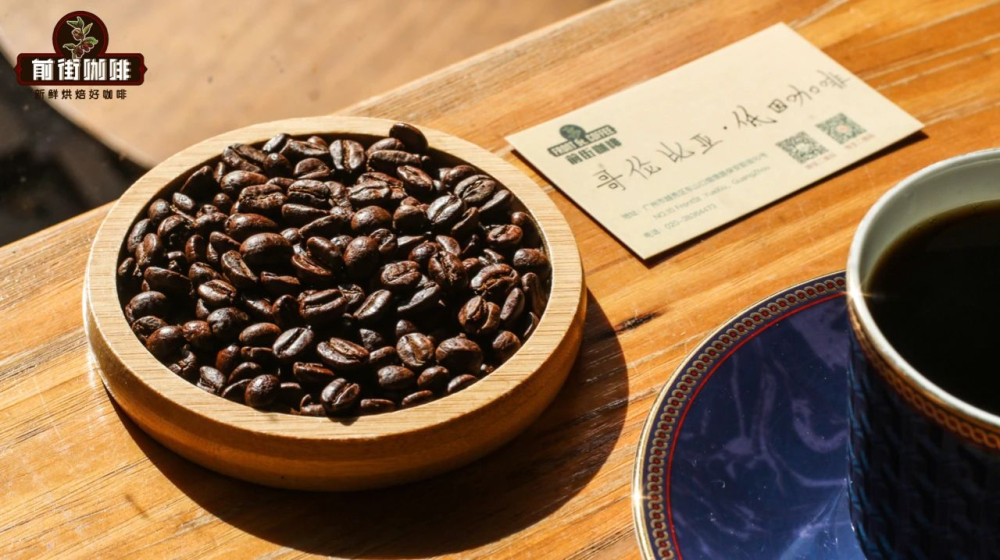
Colombian coffee beans have a balanced flavor, a rich taste, a unique character, and relatively full body. The Front Street roaster therefore uses a medium roast, bringing the coffee beans a hint of vanilla and dark chocolate sweetness.
How Front Street Brews Decaf
Dripper: Kono dripper
Water temperature: 90°C
Coffee dose: 15 g
Coffee-to-water ratio: 1:15
Grind size: medium-coarse grind (70% passing rate on China standard No. 20 sieve)
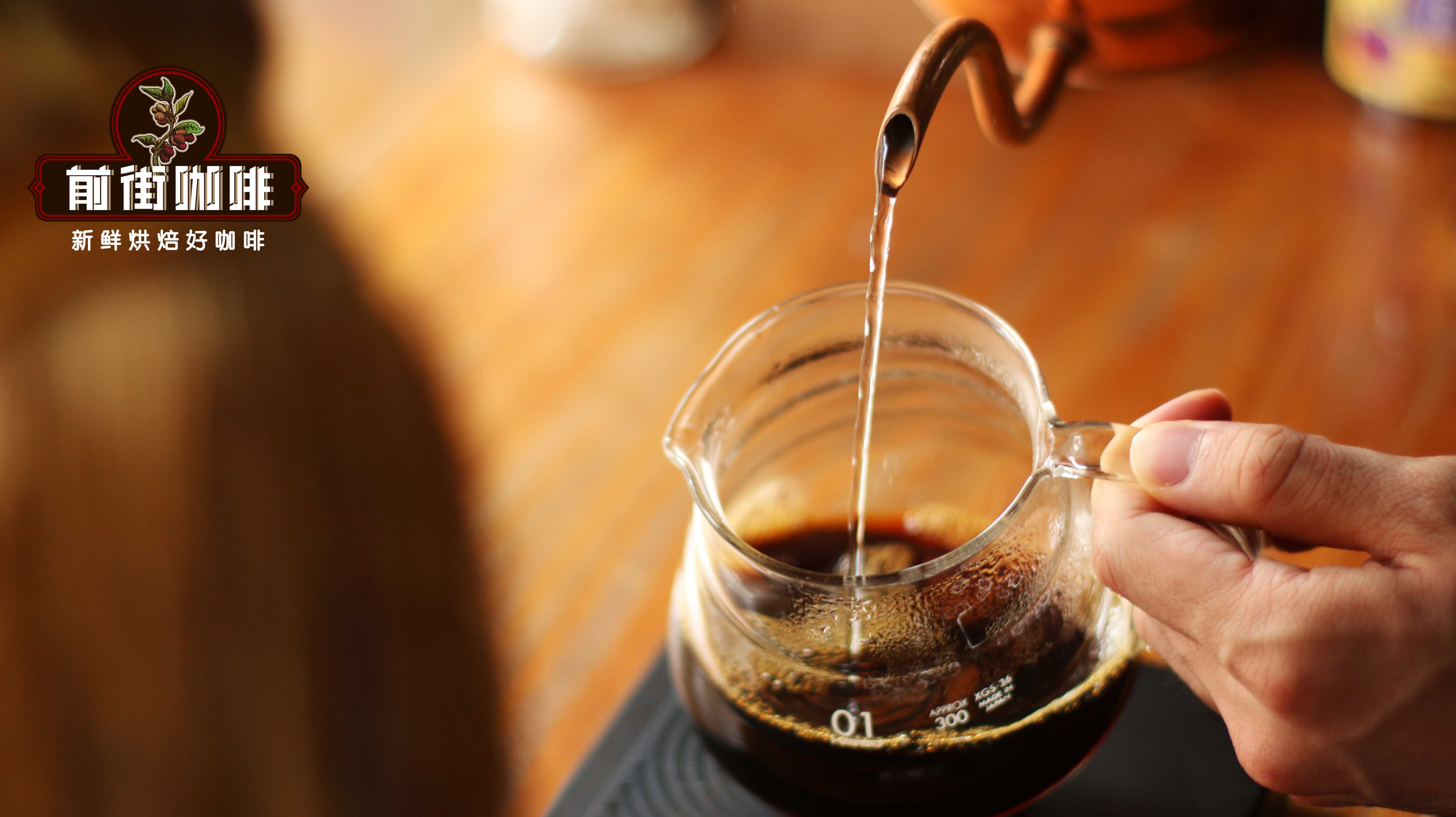
Front Street brewing method: three-pour extraction. First bloom with 30 grams of water for 30 seconds, then pour in a small stream in circles until 125 grams, pause, and when the water level is about to expose the coffee bed, continue pouring until 225 grams and stop. When the water level again drops and is about to expose the coffee bed, remove the dripper. The total brewing time is about 3 minutes.
Brewed flavor: dark chocolate, caramel, nuts, full-bodied.
For more specialty coffee beans, please add the private WeChat of Front Street Coffee (FrontStreet Coffee), WeChat ID: kaixinguoguo0925
The above content is compiled by CoffeeHunters, a coffee news website.


