







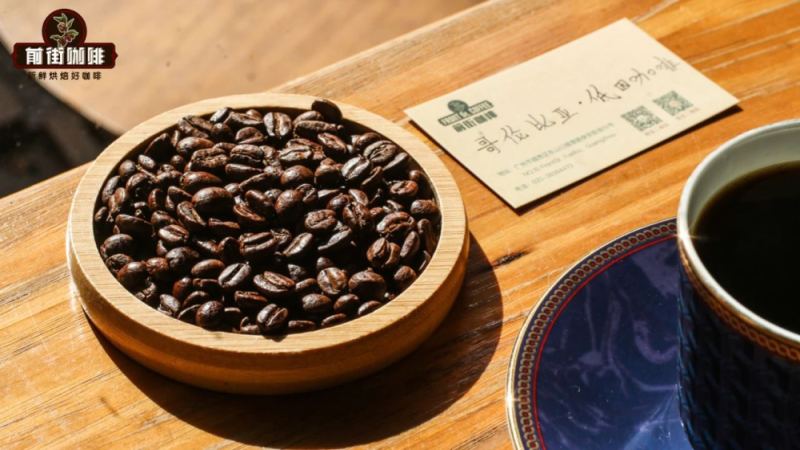
Which decaf coffee process should you choose?
Decaf coffee removes at least 97% of the caffeine present in the beans, and the removal happens before roasting and grinding. Goethe asked his friend Runge to find what disturbed his sleep, and around 1820 Runge identified caffeine and separated it from coffee beans, becoming the pioneer of decaf.
Large-scale production arrived in 1903, when German importer Ludwig Roselius noticed seawater soaking lowered caffeine content and had chemists develop an extraction process. Mainstream methods include the direct and indirect solvent method, supercritical carbon dioxide, and the Swiss Water Process, and decaffeination is a coffee process that often damages flavor, so bean choice matters.
Love coffee but worry about staying awake? Decaf coffee is made for this. This article begins with an anecdote about Goethe and his friend Runge, traces the origins and mass production history of decaf coffee, explains that "decaf" doesn't mean completely caffeine-free, and introduces the principles and pros and cons of three mainstream decaffeination processes: the direct/indirect solvent method, the supercritical carbon dioxide method, and the Swiss Water Process. It also discusses the real reasons why decaf coffee's flavor is easily damaged, and the importance of bean selection. Finally, using a decaf coffee from Colombia's Huila region as an example, it provides adjusted brewing parameters and a three-stage pouring procedure for coffee lovers' reference.
The Origins of Decaf Coffee
It is said that the great German poet Goethe also loved coffee, but was often troubled by difficulty falling asleep after drinking it. Loving it yet struggling to get close to it, this contradiction led him to his friend Runge, asking him to analyze the components of coffee beans and figure out what exactly was interfering with sleep. Around 1820, Runge confirmed that caffeine was the culprit, and worked out a way to separate caffeine from coffee beans, and is therefore regarded as the pioneer of decaf coffee.
However, although Runge found the key component affecting sleep, the extraction technology at the time was not sufficient to support large-scale production of decaf coffee. The turning point came in 1903, when German coffee bean importer Ludwig Roselius noticed that once coffee beans were soaked in seawater, their caffeine content dropped significantly. He immediately organized a team of chemists to research and develop a process for extracting caffeine, achieving a key breakthrough in the related technology, and only then did decaf coffee enter the mass production stage.
What Is Decaf Coffee
Decaf is short for decaffeinated coffee, referring to coffee with the caffeine removed. At least 97% of the caffeine originally present in these coffee beans is removed. There are many methods for removing caffeine, most of which use water, organic solvents, or carbon dioxide. The approach is to soak the coffee beans repeatedly in a solvent until the caffeine is extracted, and then remove the solvent. Decaffeination takes place before roasting and grinding. Apart from the difference in caffeine content, the nutritional value of decaf coffee is basically the same as regular coffee. However, the specific flavor and aroma will become slightly milder depending on the method used, and the color may also change, which is actually friendlier to those who are not accustomed to the bitterness and smell of regular coffee.
So is decaf coffee completely caffeine-free? Not exactly. According to Front Street Coffee (FrontStreet Coffee), although decaf coffee has most of its caffeine removed, 2–3% still remains, which means a cup of decaf espresso still contains about 0–7 mg of caffeine. Although it is not zero caffeine, compared with regular espresso, this level will not affect the vast majority of people.
Decaffeination Methods
There are many methods for removing caffeine, which can be broadly grouped into three categories: the direct/indirect solvent method, the supercritical carbon dioxide method, and the Swiss Water Process.
[Direct Solvent Method]
The direct solvent method uses chemical solutions such as dichloromethane and ethyl acetate to dissolve out the caffeine. In operation, steam is first introduced to open the pores of the green coffee beans, then the dichloromethane solvent is added directly to the beans. After the solvent binds with the caffeine, the caffeine-rich solvent is rinsed away, and the coffee beans are then steamed again to remove residual solvent.
Since dichloromethane is suspected of increasing cancer risk with long-term exposure, using it as a solvent inevitably raises concerns. But the FDA has set the residue limit for dichloromethane in decaffeinated products at 0.001%, and actual levels are often even lower, so the side effects are minimal. If ethyl acetate is used as the solvent instead, the process is the same. Ethyl acetate is usually derived from sugarcane, so the direct solvent method is sometimes also called the sugarcane decaffeination method, and decaffeination in Colombia is usually done this way. However, ethyl acetate is highly flammable and therefore quite dangerous.
[Supercritical Carbon Dioxide Method]
In this method, the coffee beans are first made to absorb water and swell, so that the caffeine molecules within the beans become loosened. Then liquefied carbon dioxide is added, and an environment of more than 100 atmospheres is created in the water. Carbon dioxide is highly selective and, while dissolving the caffeine, does not "harm" the carbohydrates and proteins in the coffee beans, thereby preserving the flavor of the coffee beans. The liquid carbon dioxide that carries away the caffeine can also be recycled after the caffeine is removed.
Coffee made by carbon dioxide decaffeination places less burden on the human body, and research also shows that this method extracts more caffeine than the direct solvent method, but its cost is also considerably higher than that of the direct solvent method.
[Swiss Water Process]
The Swiss Water Process was developed by the Swiss company Coffex in the late 1970s, and SWISS WATER is now patented. This process soaks green coffee beans in hot water, and the soaking stage itself already removes part of the caffeine. The soaked solution is then filtered with activated carbon, and finally the solution is returned to the coffee beans. This series of steps can remove caffeine more effectively, requires no chemical solvents, and the soaked solution can be reused across different batches, but the coffee still loses flavor during the filtration process.
The caffeine removal rate of this method can reach 99.9%, the highest among all methods.
Looking at the decaf coffee processing methods above, Front Street Coffee (FrontStreet Coffee) believes that the poor taste of decaf coffee cannot be blamed on the processing itself. Most decaf coffees use low-priced commercial-grade coffee beans at the raw material stage. If you want decaf coffee's flavor to be uncompromised, the choice of coffee beans is especially crucial. The damage to decaf coffee's taste mainly comes from the steps in which the coffee is soaked in water or steamed during decaffeination. Today, conscientious roasters are looking for bean varieties that can retain their aroma, so that even after undergoing the "tempering" of the decaffeination process, their acidity and body will not be lost. Of course, coffee beans are ultimately an agricultural product, and the longer the time from farm to cup, the more the flavor of decaf coffee will naturally fade.
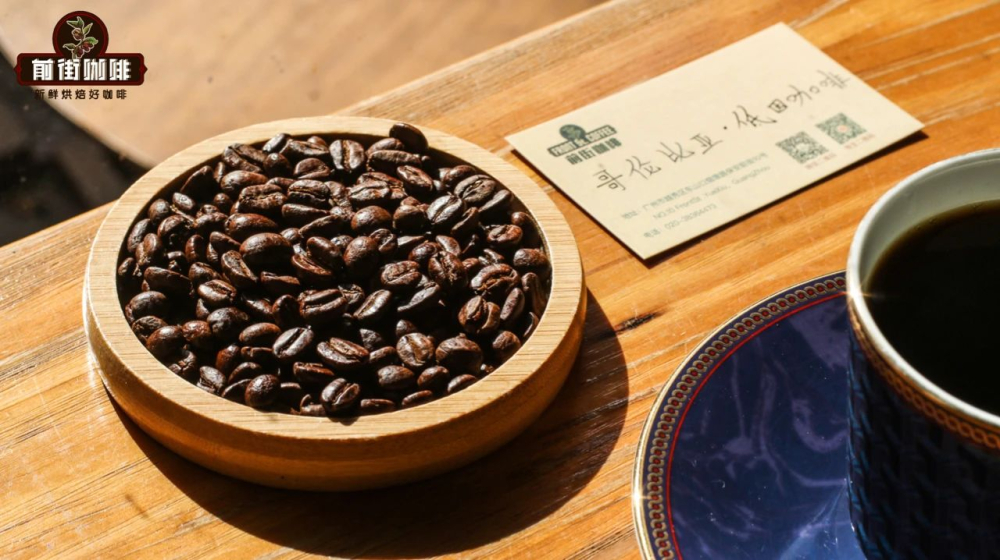
This decaf coffee from Front Street Coffee (FrontStreet Coffee) comes from Colombia's Huila region, with the following details:
Because of this bean's different fiber structure, the brewing parameters need to be adjusted accordingly, as in the table below:
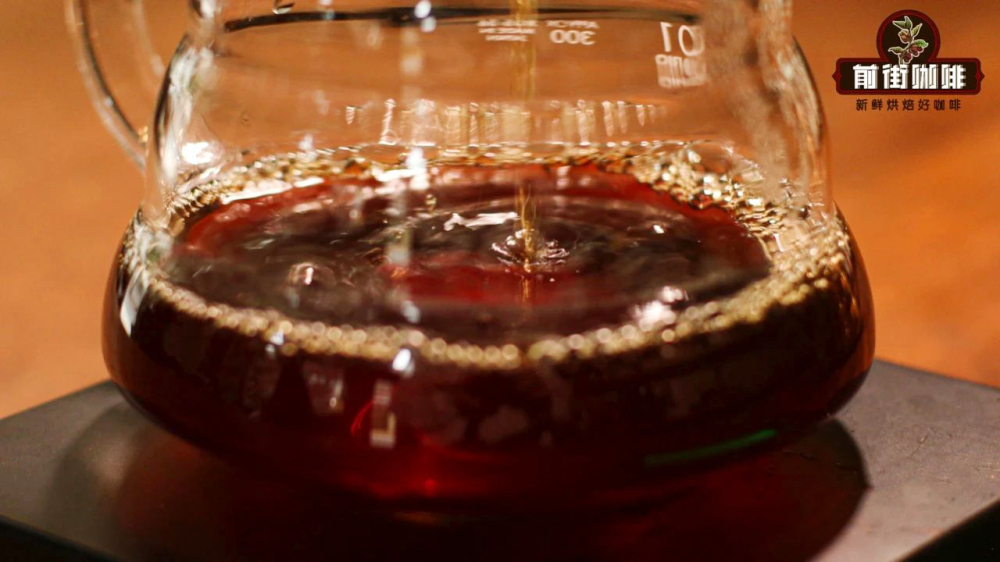
1. Pour in the coffee grounds, add twice the amount of water (30 ml), and bloom for 30 seconds.
2. Then perform the second pour, gently pouring 150 ml of hot water in a circular motion, pushing the coffee bed higher so that a golden foam surface forms on top.
3. Wait until the water level on the coffee bed drops slightly, then pour the final 45 ml. After all the coffee liquid has flowed into the server, remove the dripper to end extraction. The extraction time is 2 minutes 10 seconds.
This bean presents the classic Colombian washed flavor, with aromas of nuts and dark chocolate, a soft citrus acidity, and a thick creamy chocolate mouthfeel.
For more specialty coffee beans, please add the private WeChat of Front Street Coffee (FrontStreet Coffee), WeChat ID: kaixinguoguo0925
The above content is compiled by CoffeeHunters, a coffee news website.


