







Search Results for: debt ratio

Tims Tianhao China Added Only 4 Net Stores in Q1, Debt Ratio Climbed to 127.8%
Tims China has released its Q1 2024 financial report, with revenue up 3.1% year-on-year to 346.8 million yuan and system sales up 7.1% to 363.5 million yuan. However, this seemingly steady performance did not win investor approval, and the stock price fell on the day the report was released. More worrying is that the company added only 4 net new coffee stores in the first quarter, a sharp drop from 149 net new stores in the previous quarter and the lowest expansion record since going public. At the same time, the price war in the coffee industry continues to escalate, forcing Tims into the 9.9 yuan competition. Combined with the limited effect of its bakery product price increase strategy, the company's net loss reached 142.8 million yuan, and its debt ratio rose to 127.8%. Although it has secured US$20 million in financing from Cartesian Capital to ease cash flow pressure, its financial difficulties have not been fundamentally resolved. In terms of the franchise business, although applications reached 3,000, only 19 stores actually opened, a stark contrast. Tims once proposed a goal of 10,000 stores in 5 to 10 years, but given the current situation, that vision is becoming increasingly distant. [more…]

Hougou Coffee's restructuring draft rejected: Yunnan coffee giant with 11.5 billion yuan in debt reaches a fateful crossroads
The once Chinese domestic coffee giant Hogood Coffee now stands at a crossroads of life and death. The draft reorganization plan failed to pass due to opposition from the financial institution group and the secured creditor group, meaning this Yunnan coffee enterprise, which once managed over 200,000 mu of planting area and had annual revenue as high as 5.691 billion yuan, may permanently exit the stage of history. From supplying instant coffee raw materials to international brands such as Nestlé and Maxwell, to Chairman Xiong Xiangren being sentenced for the crime of unit bribery, Hogood's rise and fall epitomizes a dramatic chapter in Yunnan's coffee industry. This article will sort through the entire process of Hogood Coffee from its highlight to its predicament, presenting its debt crisis, reorganization vote, and the details of the criminal judgment behind it, for the reference of coffee enthusiasts and industry practitioners. [more…]
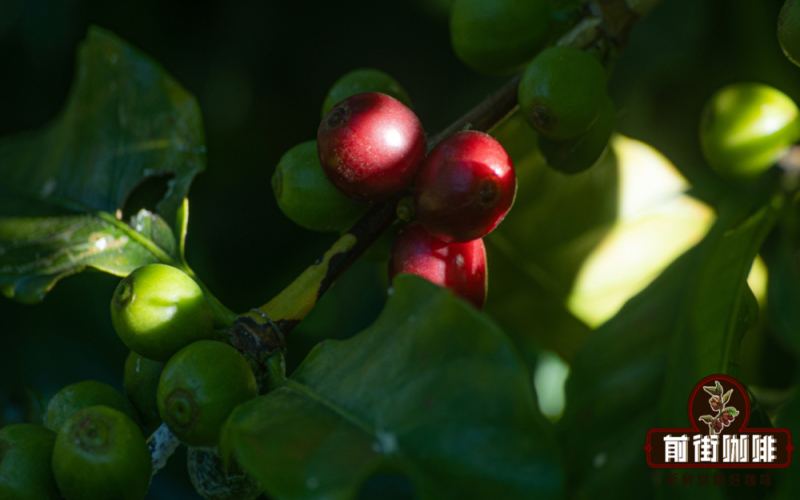
How to Choose a Yunnan Small-Bean Coffee Brand? A Guide to Regional Flavors and Brewing from Typica to Catimor
Yunnan small-bean coffee belongs to the Arabica species of the Coffea genus in the Rubiaceae family, and is mainly produced in Lincang, Baoshan, Pu'er, Dehong, Nujiang, Xishuangbanna, and other areas. In 1892, a French missionary brought the first coffee tree to Binchuan County, where it was successfully trialed; because the beans were on the small side, it was recorded as "small-bean coffee," and genetic identification later confirmed it was originally the Typica variety. Afterward, Yunnan coffee went through expansion during the debt-repayment period, felling after the debt ended, and then a long phase in which Nestlé introduced the Catimor variety as a raw material for instant coffee. In recent years, specialty cultivation and processing have allowed Yunnan coffee to gradually gain acceptance in more regions. Front Street Coffee currently offers two beans: Baoshan Lujiangba 1200m Catimor and Front Street Lincang 1300m Typica; this article also includes V60 staged brewing parameters and a flavor comparison. [more…]
How to Choose a Yunnan Small-Bean Coffee Brand? From Regional History to a Flavor Comparison of Front Street Coffee's Typica and Catimor
Yunnan small-bean coffee belongs to the Arabica species of the Coffea genus in the Rubiaceae family, and is mainly produced in Lincang, Baoshan, Pu'er, Dehong, Nujiang, Xishuangbanna, and other places. In 1892, a French missionary brought the first coffee tree to Binchuan County for trial planting. Because the fruit was on the small side, it was called small-bean coffee, and later genetic identification confirmed that it originally belonged to the Typica variety. During the debt period, the government encouraged expanded planting, and after Nestlé entered, it promoted Catimor, which led Yunnan beans to be equated with instant coffee raw material for a long time. In recent years, cultivation and processing have become more scientific, Yunnan beans have improved in quality and have been accepted by more markets. Front Street Coffee currently sells Baoshan Lujiangba 1200m Catimor and Lincang 1300m Typica, each with different flavor emphases. This article also gives V60 brewing parameters and the performance of the two beans. [more…]
What position does Yunnan coffee hold among global origins, and which brands' Yunnan beans are worth buying?
Yunnan is famous for Pu'er tea, but it also produces coffee beans that are increasingly popular among young people. Coffee cultivation in China can be traced back to 1904, while large-scale cultivation in Yunnan began only after the 1950s, going through three stages of development. From the initial procurement of Typica and Bourbon varieties to repay Soviet debts, to Nestlé's promotion of the Catimor variety, and then to the introduction of the specialty coffee concept after 2000, Yunnan coffee is gradually moving toward refinement. Today, producing regions such as Baoshan, Pu'er, Xishuangbanna, Dehong, and Lincang each have their own flavor expressions. Front Street Coffee established an estate in Lincang, planting the elegant Typica variety, and welcomed its first harvest in 2021. This article will sort out the development thread of Yunnan coffee and introduce the flavor and brewing parameters of Front Street Yunnan Natural Typica. [more…]
Analysis of Coffee-Producing Regions in China: Top Ten Yunnan Arabica Coffee Origins and a Documentary on Typica Cultivation in Lincang
The history of coffee cultivation in China is far longer than one might imagine. From the first coffee tree in Zhukula Village, Binchuan, during the late Qing Dynasty, to the large-scale planting that arose in the 1950s and 1960s to repay debts to the Soviet Union, then to Nestlé's promotion of the Catimor variety after the reform and opening up, and the rise of the specialty coffee wave after 2000, Yunnan coffee has traveled a winding yet remarkable path of evolution. Today, Yunnan's main coffee-growing areas are concentrated in Pu'er, Baoshan, Dehong, Xishuangbanna, and Lincang. Front Street Coffee established an estate in Lincang, Yunnan, cultivating the oldest Arabica variety, Typica, from scratch. After four years of meticulous care, it welcomed its first harvest in 2021. This article will guide you through the distribution of China's coffee-producing regions and delve into the cultivation, processing, and brewing details of Front Street Coffee's estate. [more…]
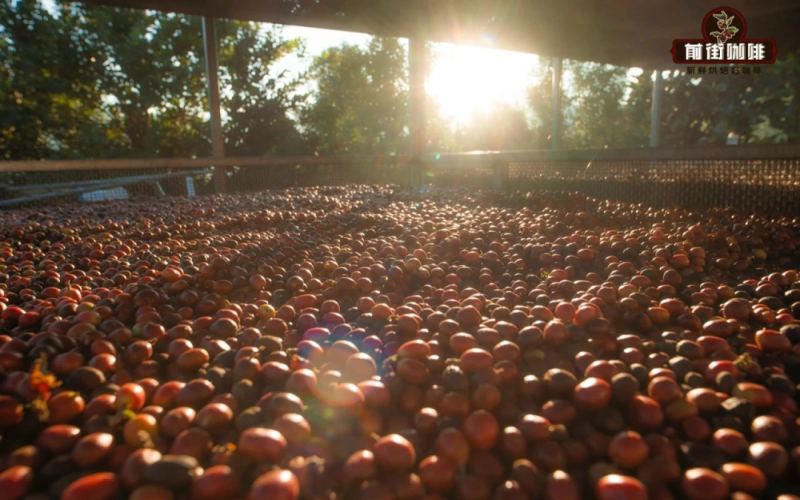
Exploring the Origins of Yunnan Small-Bean Coffee Varieties: Flavor Differences Between Typica and Catimor, and an Analysis of Producing Regions and Brands
The history of coffee cultivation in Yunnan can be traced back to the first coffee tree brought by French missionaries, which was genetically identified as the Typica variety of the Arabica family. However, today the most widely planted variety in Yunnan is Catimor—what is the story behind this? From the perspective of Front Street Coffee, this article reviews the rise and fall of the two varieties, Typica and Catimor, in Yunnan, and explains in detail their respective flavor characteristics and current cultivation status. Since 2013, Front Street Coffee has planted a small amount of Typica in Lincang, Yunnan, using a natural process to present plum, berry, brown sugar, and a black tea-like sweet finish; while the washed Catimor at 1,200 meters in Baoshan exhibits plum, melon and fruit aromas, and nutty notes. Regardless of the variety, scientific cultivation and proper processing are the keys to improving the quality of Yunnan coffee. [more…]
Is Yunnan Catimor an Arabica? An Analysis of the Flavor Characteristics of Yunnan Specialty Coffee Beans
Yunnan coffee has risen rapidly in China's specialty coffee market in recent years, with brands such as Luckin, Manner, Blue Bottle, and Seesaw launching Yunnan single-origin offerings, drawing widespread attention. However, the flavor profile of the Yunnan growing region has never been as clearly defined as that of Yirgacheffe. Front Street Coffee believes this is closely related to the fact that the Catimor variety, widely planted across Yunnan, inherently lacks clean flavor and clear layering. Catimor carries 25% Robusta lineage, with aromas that are not rich enough, a tendency toward heavy bitterness, and susceptibility to astringency. Although its yield far exceeds that of Typica, its quality is limited. Since 2013, Front Street Coffee has been growing Typica and a small amount of Bourbon in Lincang, Yunnan, attempting to explore more possibilities for Yunnan specialty coffee from the source of the variety itself. This article will sort out the relationship between Catimor and Arabica, and introduce the flavor performance and brewing recommendations of Front Street Yunnan Typica and Catimor everyday beans. [more…]
Comparison of Yunnan Typica and Catimor Varieties: Flavor Characteristics of Arabica Coffee and Moka Pot Brewing Guide
In the history of coffee cultivation in Yunnan, Typica and Catimor are two varieties that cannot be overlooked. The former is the pure Arabica bloodline first brought to Yunnan by French missionaries, with an elegant and clean flavor, yet it was once abandoned due to its weak constitution and low yield; the latter, because of its strong disease resistance, ease of cultivation, and high yield, became the main force in Yunnan coffee's revival, but its flavor is limited due to its Robusta genes. Front Street Coffee has been cultivating Typica in Lincang, Yunnan, at an altitude of 1,300 meters since 2013, using traditional sun-drying to present layers of plum, berry, nut, and brown sugar notes. This article will cover the origins of the varieties, flavor differences, and practical details of using a moka pot, helping coffee enthusiasts fully understand the potential of Yunnan beans and the correct brewing methods. [more…]

Guatemala Huehuetenango Coffee Flavor Analysis: Front Street Coffee's Daily Drink Bean Brewing Parameters and Washed Processing Characteristics
The Huehuetenango region of Guatemala is located in the west of the country, with fertile volcanic soil and high-altitude advantages, producing the highest grade SHB Strictly Hard Bean. Small-scale family farming dominates here, and Bourbon and its variants give the coffee beans floral notes and a red-wine-like character. Front Street Coffee has included this washed Huehuetenango in its everyday drinking coffee series; in cupping it shows a wet berry aroma, lemon peel and citrus notes, with a smoky finish and rich layers. This article provides a detailed analysis of its flavor characteristics and origin background, and includes Front Street Coffee's pour-over brewing parameters and technique, suitable for coffee lovers as an introduction and for daily tasting. [more…]

A Must-Read for Coffee Enthusiasts: A Review of "Coffee Wars" and an Analysis of the WBC Plant Milk Rule Change
In recent years, coffee-themed films and television works have gradually increased, but "Coffee Wars" takes a unique perspective—focusing on the situation of vegetarians and plant-based milk in coffee competitions. The film tells the story of Jo, a highly skilled vegan barista whose business is struggling because the shop only offers plant-based milk, yet she resolutely leads her team into the finals of the World Coffee Championship, attempting to prove that plant-based milk can also create outstanding coffee. At the same time, in reality, the Specialty Coffee Association (SCA) also revised the WBC rules at the end of 2022 to allow plant-based milk to compete, a change that coincides with the film's theme. This article will guide you through the film's highlights, the evolution of WBC rules, and Front Street Coffee's continued attention to specialty coffee culture. [more…]
Colombia Rose Valley Coffee Beans Flavor Analysis: A Brewing Guide to the Anaerobic Enzyme Washed Process with Rose and Peach Aromas
Colombian Rose Valley coffee beans are highly favored by coffee enthusiasts for their unique rose and peach flavors. This article starts with the current state of Colombia's coffee-producing regions, then takes a deeper look at the growing background of the Santander region and Finca El Arbol, breaks down the characteristics of the Caturra variety and the anaerobic enzyme washed processing method, and shares Front Street Coffee's roasting insights, cupping report, and staged brewing plan. Whether you want to understand Colombia's coffee production trends or master the brewing techniques for this floral-and-fruity coffee, this article offers professional and practical reference. [more…]
A Comprehensive Analysis of Catimor Coffee Beans: Flavor Characteristics, Grinding Parameters, and Processing Methods
Catimor is a variety widely planted in Asian coffee-producing regions. It is favored by growers for its advantages such as cold tolerance, disease resistance, and high yield, but its flavor performance is often considered insufficiently delicate. With advances in cultivation techniques and post-processing methods, Catimor's cleanliness and image have improved somewhat. This article will systematically introduce Catimor's varietal origins, flavor characteristics, the development history of Yunnan Catimor, and Front Street Coffee's practical experience in variety selection and brewing parameters, helping coffee enthusiasts gain a comprehensive understanding of this variety's past and present. [more…]
An Analysis of the Catimor Coffee Variety's Flavor and a Detailed Guide to the Pour-Over Grind Parameters for Yunnan Small-Bean Coffee
Catimor is a variety widely planted in Asian coffee-producing regions. It is favored by growers for its advantages such as disease resistance, cold tolerance, and high yield, but its flavor performance and fineness of mouthfeel are often discussed in specialty coffee circles. This article will systematically introduce Catimor's varietal origin and flavor characteristics, sort out the cultivation evolution of Yunnan smallholder coffee from Typica to Catimor, and share Front Street Coffee's practical experience in the improvement of Yunnan coffee varieties. At the same time, it will explain in detail the hand-brew grinding setting, coffee-to-water ratio, water temperature, and three-stage pouring scheme for Yunnan coffee beans, helping coffee lovers present the plum-like acidity, brown sugar caramel sweetness, and melon-fruit aroma unique to the Yunnan producing region in a more scientific way. [more…]
Analysis of Yunnan small-bean coffee varieties and pour-over techniques: Flavor evolution from Typica to Catimor
In recent years, Yunnan arabica coffee has attracted considerable attention in the specialty coffee world, and its variety evolution and flavor performance merit in-depth discussion. Starting from the historical context, this article sorts through the rise and fall of two major varieties, Typica and Catimor, in Yunnan, analyzes the flavor advantages and disadvantages that Catimor brings due to its Robusta genes, and shares Front Street Coffee's experience growing sun-dried Typica at its Lincang estate. At the same time, the article introduces in detail practical parameters for pour-over Yunnan arabica coffee, including grind size, water temperature, coffee-to-water ratio, and a three-stage pouring technique, helping coffee enthusiasts brew a rich, layered, solidly sweet Yunnan flavor at home. [more…]

Catimor Coffee Bean Flavor and Grade Analysis: Is Yunnan Arabica Coffee Synonymous with the Catimor Variety?
Yunnan coffee has been gaining increasing attention in the specialty coffee scene in recent years. Many enthusiasts who walk into Front Street Coffee stores will ask: Do you have Yunnan small-bean coffee? At the same time, questions about Catimor keep coming up—what grade is it exactly, how does it perform in flavor, and is it the same as Yunnan small-bean coffee? This article systematically sorts out the relationship between Catimor, Typica, and Yunnan small-bean coffee from the perspectives of variety origin, planting history, disease resistance, and cupping flavor, and combines Front Street Coffee's production experience to share brewing parameters and bean-resting suggestions for Yunnan washed Catimor, helping readers more clearly understand this coffee variety that occupies the vast majority of Yunnan's planting area. [more…]

Yunnan Coffee Origins: Variety and Flavor Evolution: From Typica to Catimor, Front Street Coffee's Journey Toward Specialty Typica
Yunnan coffee has gone through a tortuous journey: from missionaries introducing Typica, to large-scale cultivation in the 1960s to repay Soviet loans, to Nestlé promoting the Catimor variety in the 1980s. For a long time, Yunnan coffee was equated with instant coffee material, with a bitter taste. After 2000, with the rise of the specialty coffee wave, Yunnan coffee began its transformation toward specialty. Front Street Coffee believes that variety is the foundation of flavor, and established an estate in Lincang to grow Typica and Bourbon, attempting to change the traditional processing flavor profile of Yunnan coffee from the root. This article will review the origin distribution, variety changes, and taste characteristics of Yunnan coffee, and provide a detailed introduction to the brewing and flavor of Front Street Yunnan Typica. [more…]
Yunnan Catimor Coffee Bean Variety Analysis: From Disease-Resistant Breeding to Specialty Flavor Evolution
Yunnan small-bean coffee has attracted increasing attention from domestic coffee enthusiasts in recent years, and Catimor, as the most widely planted coffee variety in Yunnan, has an origin and flavor evolution worthy of deeper understanding. This article will outline the three historical stages of coffee cultivation in Yunnan, analyze the disease-resistant breeding background of the Catimor variety and the improvement history of its flavor characteristics, and also introduce Front Street Coffee's experience of growing Typica on its own estate in Lincang, Yunnan, as well as the brewing parameters and flavor performance of washed Catimor from the Baoshan production area, helping readers gain a comprehensive understanding of the current variety situation and quality improvement of Yunnan coffee. [more…]
A Complete Guide to Brazilian Coffee Regions: From Cultivation History to Grading System and Flavor Characteristics
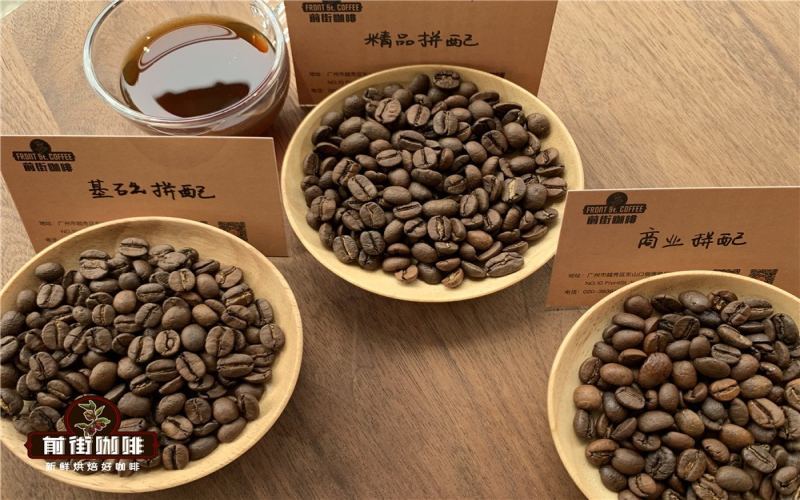
As the world's largest coffee producer, Brazil is known for its coffee's balanced taste, low acidity, and good body, making it an ideal base bean for espresso blends. Several of Front Street Coffee's espresso blends use Brazilian beans as their foundation. This article will comprehensively analyze the characteristics of Brazilian coffee from multiple dimensions, including planting history, main producing regions, grading systems, variety classification, and processing methods. It will also introduce the flavor profiles and recommended brewing parameters of Front Street Coffee's Brazil Cerrado and Queen's Estate coffees, helping coffee enthusiasts gain a deeper understanding of the unique charm of this South American coffee giant. [more…]
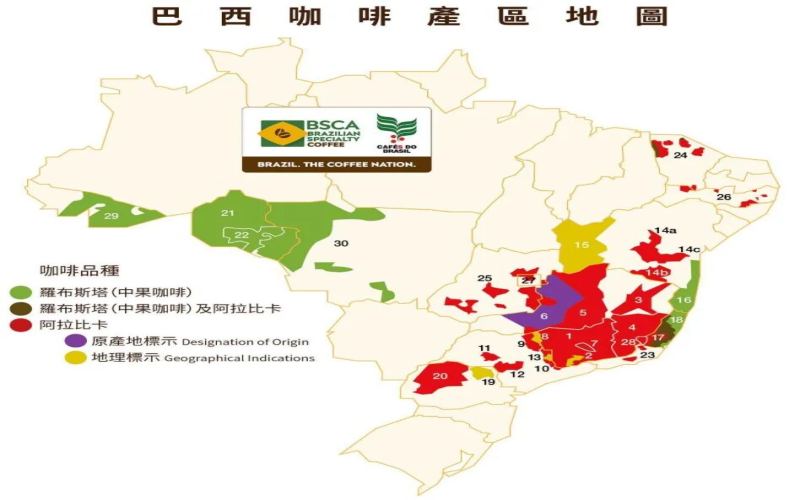
Main Coffee-Producing Regions in Brazil | What Are the Green Coffee Bean Grading Standards in Brazil? How Do You Describe the Flavor of Brazilian Coffee Beans?
What are the characteristics of Brazilian coffee, given that Brazil is the world's largest coffee-producing country? As a South American coffee, Brazilian beans have a relatively balanced flavor, low acidity, and a smooth mouthfeel, making them very suitable for use in espresso blends. Therefore, Front Street Coffee's basic blend, specialty blend, and commercial blend all use Brazilian beans as their base beans. Brazilian coffee [more…]