







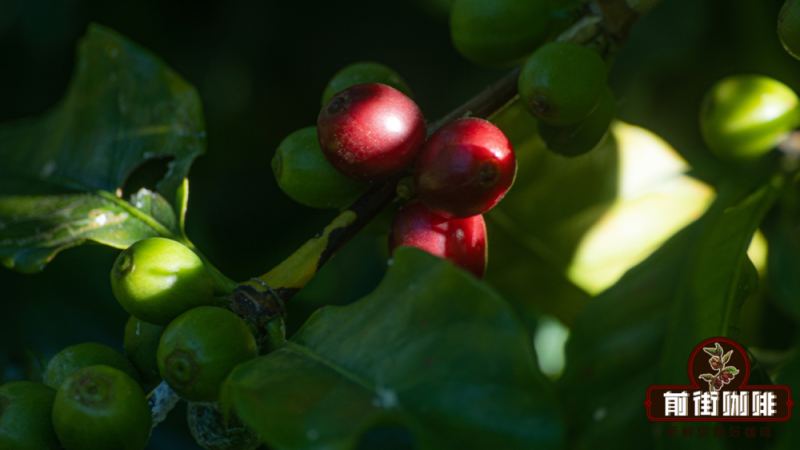
How Did the First Coffee Tree Reach Yunnan?
Yunnan small-bean coffee belongs to the Arabica species of the Coffea genus, grown mainly in Lincang, Baoshan, Pu'er, Dehong, Nujiang and Xishuangbanna. A French missionary brought the first coffee tree to Binchuan County in 1892 and trialed it successfully; because the fruit was small, it was recorded as small-bean coffee, later identified genetically as Typica.
Planting expanded during the debt-repayment period, then many trees were felled once the debt ended and domestic demand stayed low. Nestlé later introduced Catimor as raw material for instant coffee, and recent specialty cultivation has raised Yunnan's profile. Twenty of the original Binchuan trees still bloom and bear fruit, and today's choice often comes down to Catimor versus Typica lots.
Yunnan small-bean coffee belongs to the Arabica species of the Coffea genus in the Rubiaceae family, and is mainly produced in Lincang, Baoshan, Pu'er, Dehong, Nujiang, Xishuangbanna, and other places. In 1892, a French missionary brought the first coffee tree to Binchuan County and successfully trialed its cultivation. Because the fruit was relatively small, it was recorded as "small-bean coffee," and later genetic identification showed that it was originally the Typica variety. After that, Yunnan coffee went through expansion during the debt-repayment period, felling after the debt ended, and then a long phase in which Nestlé introduced the Catimor variety as raw material for instant coffee. In recent years, specialty cultivation and processing have led Yunnan coffee to be gradually accepted by more regions. Front Street Coffee currently offers two beans: Baoshan Lujiangba 1200m Catimor and Front Street Lincang 1300m Typica. This article also includes V60 staged brewing parameters and a flavor comparison.
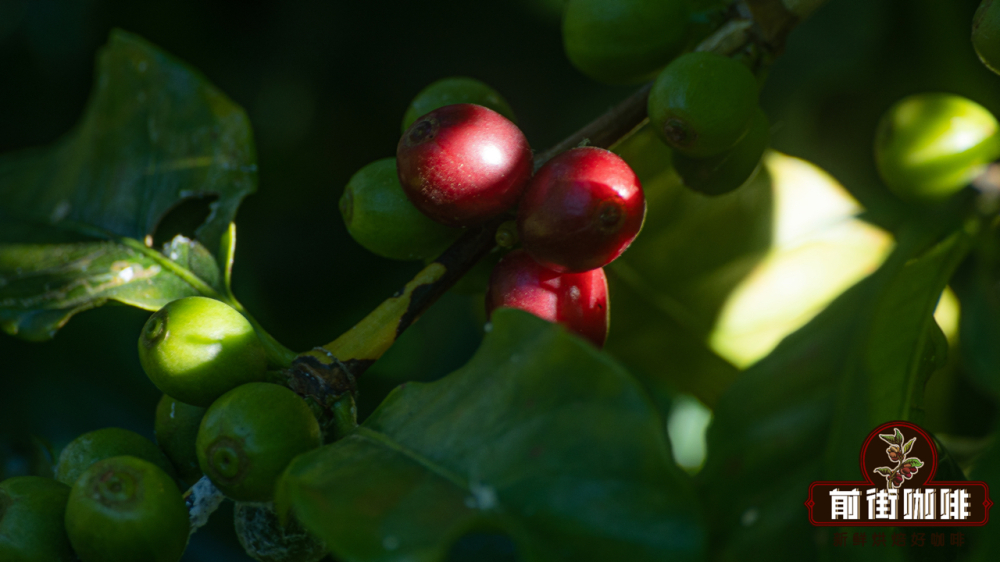
To learn more about specialty coffee, you can follow the WeChat public account: FrontStreet Coffee.
Yunnan small-bean coffee is Rubiaceae, Coffea genus, Arabica species ~ mainly planted in Yunnan's Lincang, Baoshan, Pu'er, Dehong, Nujiang, Xishuangbanna, and other places.
The first coffee tree in Yunnan was brought in by a French missionary in 1892 and successfully trialed in Binchuan County. Because Arabica coffee fruits are relatively small, this coffee variety was recorded at the time as small-bean coffee. Later, plant genetics confirmed that the earliest Yunnan small-bean coffee was the Typica variety.
In present-day Binchuan County, 20 of the coffee trees trialed back then still bloom and bear fruit, becoming the ancestors of Yunnan coffee. At first, Yunnan coffee was not widely planted, until China needed to repay debt to Russia, when the government began encouraging farmers to plant coffee trees in large numbers, so during that period coffee began to spread across various regions of Yunnan.
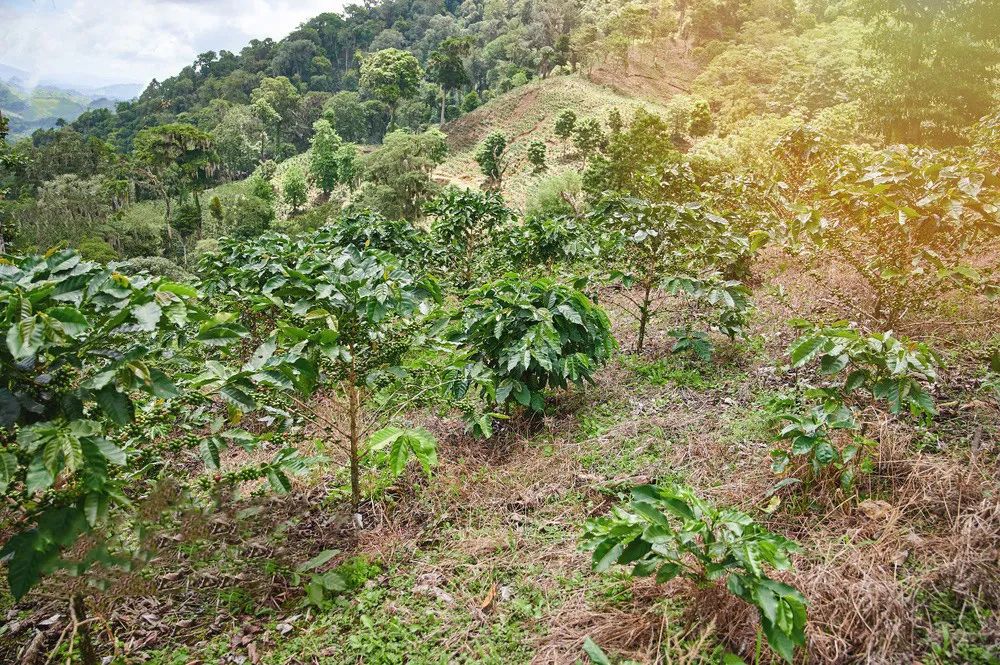
However, after the debt was repaid, because there was not much domestic demand for coffee, many farmers cut down the coffee trees and planted other crops. But Yunnan has a very good environment for growing coffee trees, with suitable temperatures and fertile soil, and it is also between the Tropic of Cancer and the Tropic of Capricorn (known as the coffee golden belt), so Nestlé quickly took a fancy to this treasured land of Yunnan.
At the same time, it introduced the Catimor variety, which has higher yield and better resistance to disease and pests. Therefore, for more than 20 years afterward, the coffee beans grown in Yunnan were mainly supplied to Nestlé as coffee raw material, so when people mention Yunnan coffee, they always associate it with instant coffee.
However, with Chinese people's growing love for and pursuit of coffee in recent years, Yunnan coffee beans are no longer just raw material for instant coffee. Both cultivation and processing have undergone more scientific improvements. Although it cannot be called top-tier worldwide, as an emerging specialty coffee region, it still has a good flavor profile, so Yunnan coffee has gradually become accepted by people in other countries and regions.
Among the Yunnan small-bean coffee beans currently sold by FrontStreet Coffee, there are Catimor variety coffee beans grown at 1,200 m altitude in the Baoshan Lujiangba area, and Typica variety coffee beans grown by Front Street itself at 1,300 m altitude in Lincang.
The biggest difference between the two coffee beans is that the Catimor coffee beans from the Baoshan area have a more pronounced plum-like acidity, while the Typica coffee beans grown by FrontStreet Coffee have a cleaner mouthfeel and sweetness.
But no matter which Yunnan small-bean coffee bean it is, under FrontStreet Coffee's medium roast, both can express the distinctive flavor of the Yunnan coffee region: plum, nuts, caramel, and a tea-like note ~ with moderate acidity and bitterness and a rich aroma.
For brewing, the equipment and parameters used by FrontStreet Coffee are as follows: dripper: Hario V60; dose 15 g; water temperature 90°C; grind size: medium-fine (80% passing through a Chinese standard No. 20 sieve); coffee-to-water ratio: 1:15; staged extraction.
Because the ribs of the V60 dripper are arranged in a curved shape from top to bottom and vary in length, during brewing the airflow is relatively smooth and the flow rate is also relatively fast. Precisely because of this, the brewed coffee has a more pronounced flavor layering.
Use 30 g of water to bloom for 30 seconds, then pour with a small stream from the center to 125 g as the first stage. When the water level is about to reveal the coffee bed, continue pouring to 225 g and stop. When the water level is about to reveal the coffee bed, remove the dripper. (Start timing from the beginning of the bloom.) The extraction time is minutes.
FrontStreet Coffee Yunnan Typica flavor performance: the dry aroma has a faint caramel and nutty fragrance; when drunk, it has a plum-like main tone, with brown sugar sweetness and slight fruity acidity, and the finish carries some black tea note. The overall flavor layering is relatively rich, and the mouthfeel is clean.
Yunnan Baoshan all-red-fruit sun-dried Catimor flavor performance: the dry aroma has a faint fermented fragrance and the scent of roasted nuts; when drunk, it has a plum-like main tone, with the sweetness of roasted nuts and caramel, and the finish carries some fermented tea note. The overall flavor is rich, and the mouthfeel is solid.
The above content is compiled by CoffeeHunters, a coffee news website.


