







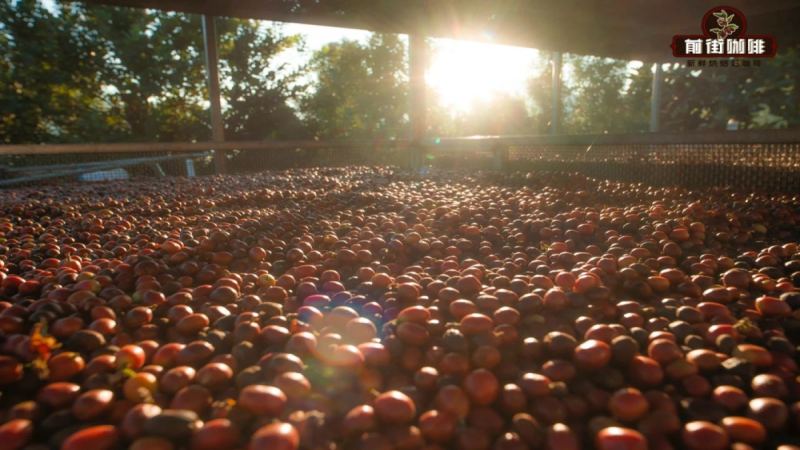
In the history of coffee cultivation in Yunnan, Typica and Catimor are two varieties that cannot be avoided. The former was the pure Arabica bloodline first brought to Yunnan by French missionaries, with an elegant and clean flavor, yet it was once abandoned due to its weak constitution and low yield; the latter, because of its strong disease resistance, ease of cultivation, and high yield, became the main force in Yunnan coffee's revival, but its flavor is limited due to carrying Robusta genes. Front Street Coffee has been growing Typica at an altitude of 1300 meters in Lincang, Yunnan since 2013, using traditional sun-drying to present layers of plum, berry, nut, and brown sugar notes. This article will cover the origin and evolution of the varieties, flavor differences, and practical details of the moka pot, helping coffee enthusiasts fully understand the potential of Yunnan beans and the correct brewing methods.
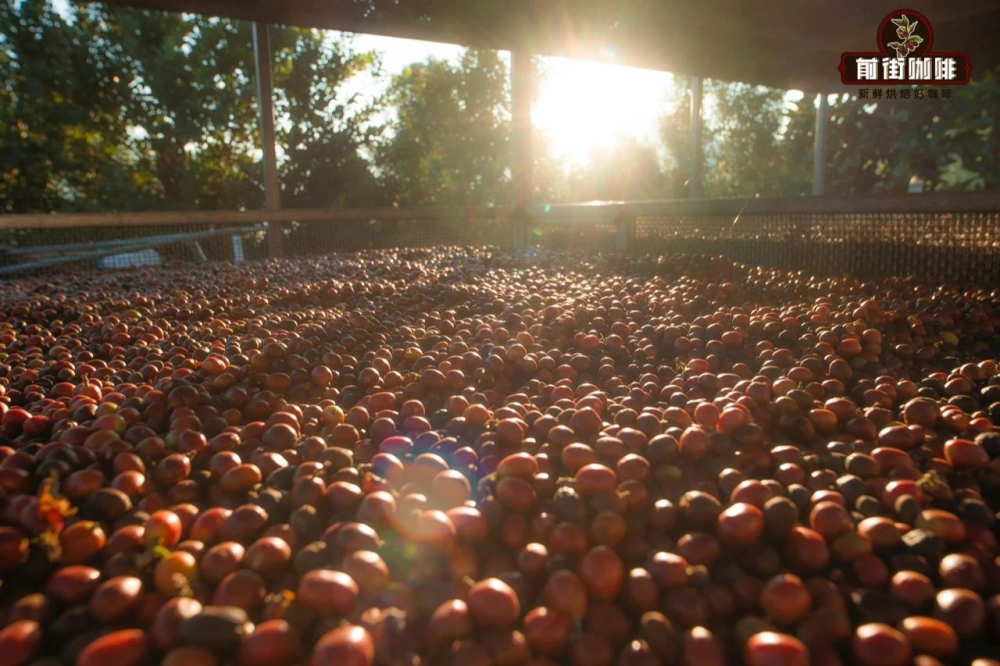
You may not know that the first coffee tree in Yunnan was actually brought by French missionaries and was recorded as small-fruit coffee at the time. Because after removing the peel and pulp, the coffee beans are smaller in size, people in China habitually called it "small-seed coffee."
Later, genetic identification confirmed that these earliest coffee trees rooted in Yunnan belong to the Typica variety under the Arabica line. However, what is puzzling is that today the largest planted area in Yunnan is Catimor, a hybrid of Arabica and Robusta. What exactly happened behind this? Front Street Coffee will today guide everyone through the origins and development of these two varieties in Yunnan.
What exactly is the Typica variety?
Typica is the oldest native variety from Ethiopia, originating in Ethiopia and southeastern Sudan. After years of research, it is now generally accepted that all Arabica varieties are derived from Typica.
Because it has not been mixed with genes from other varieties, Typica possesses the purest Arabica bloodline, with an elegant flavor, a clean mouthfeel, a subtle aroma, and excellent sweetness.
But its shortcomings are also obvious: the plant has a weak constitution, poor disease resistance, low fruit yield, and high cultivation costs. In Yunnan's early period, what was mainly planted was Typica, including the coffee goods China used to repay debts to Russia back then, which were also of the Typica variety.
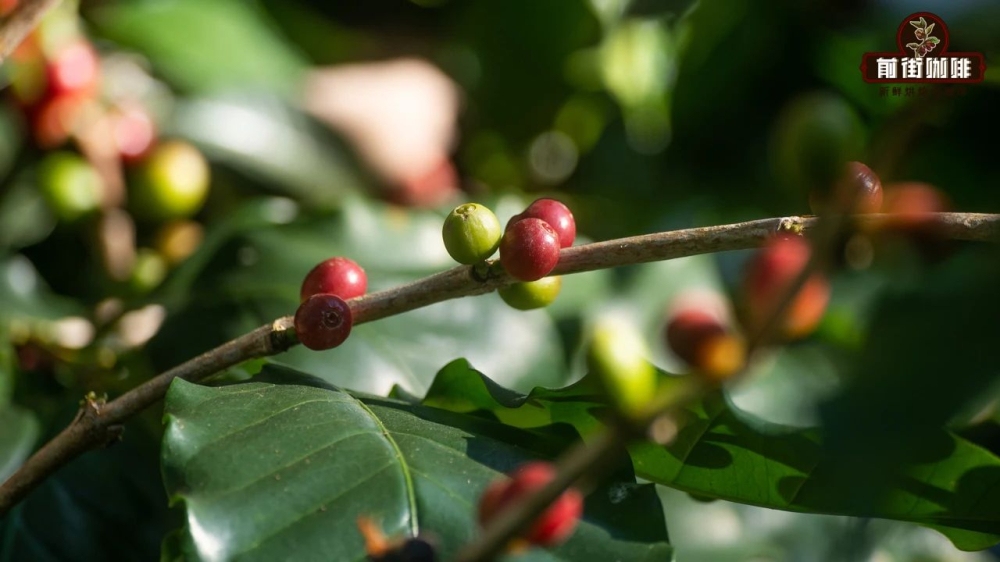
After the debt repayment task ended, the state no longer uniformly purchased coffee for export, and Typica's maintenance costs were high, while domestic coffee consumption demand was also very limited, so many farmers simply cut down the coffee trees and switched to other crops. It was not until Nestlé took an interest in Yunnan's natural conditions and distributed Catimor coffee, which has strong disease and pest resistance and higher yield, to the local area that Yunnan's coffee cultivation restarted.
Flavor and mouthfeel characteristics of Yunnan Typica coffee beans
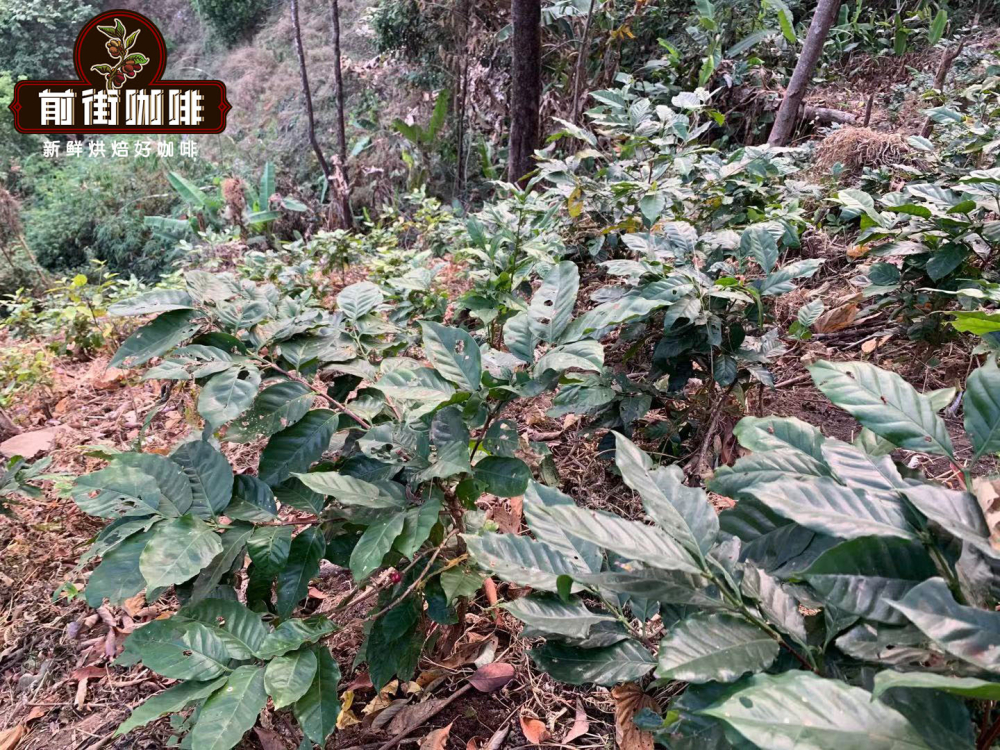
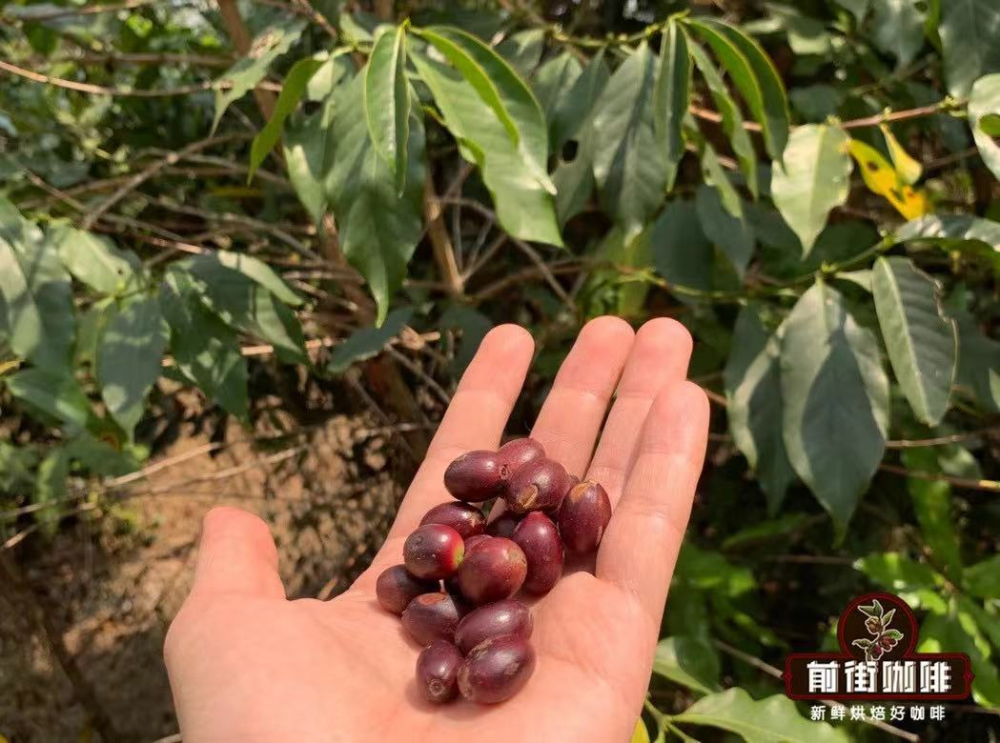
Since 2013, Front Street Coffee has trial-planted a small batch of Typica on mountain slopes at an altitude of 1300 meters in Lincang, Yunnan. The reason for choosing Typica is that Front Street believes specialty coffee should start from the source of the variety—Typica has been in Yunnan for more than a hundred years, and its genes will make more positive adjustments in adapting to the local terroir and climate. Front Street believes that to make Yunnan coffee present a clean mouthfeel, one must start with the variety.
At present, the annual output of Typica grown by Front Street Coffee in Yunnan is about 600 kilograms. Using traditional sun-drying, the coffee beans present a fuller mouthfeel and a faint fermentation aroma, suitable for drinking as black coffee. When making pour-over, Front Street uses a 1:15 coffee-to-water ratio, medium grinding, and a water temperature of 89°C for extraction. The flavor profile shows plum, berry, fermentation aroma, nuts, brown sugar, and a black tea-like sweet aftertaste. If you want to experience it yourself, you can purchase it from the Front Street Taobao store or the Front Street Tmall flagship store.
What exactly is the Catimor variety?
Catimor was created in 1959, when the Portuguese crossed Brazilian Caturra with the Timor variety to cultivate the highly disease-resistant Catimor.
Catimor is not a pure Arabica bloodline. It is a hybrid descendant of the Timor variety (a cross between Arabica and Robusta) and Caturra (a variant of Bourbon), and therefore carries 25% Robusta genes. This also determines its flavor defects: the aroma layers are not rich enough, and the overall bitterness is relatively heavy.
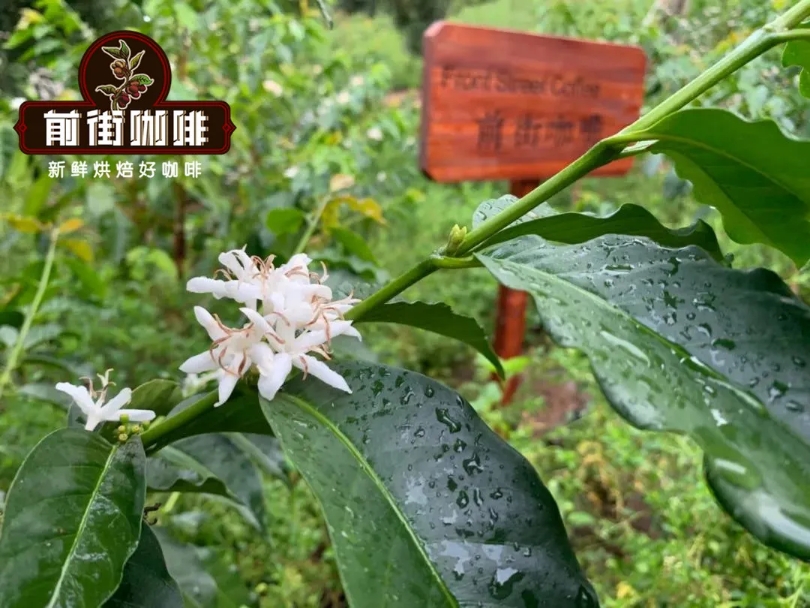
Catimor of poor quality easily develops astringency and a rather pungent musty taste. However, because it requires no shade trees, is easy to cultivate, has low maintenance costs, and high yield, Catimor became the main force among commercial beans. For a long time, Yunnan Catimor was the raw material source for Nestlé instant coffee. However, these performances are mostly because at the time the coffee beans did not receive scientific cultivation management and proper processing, and were usually planted in areas below 1000 meters altitude.
In fact, as long as Catimor is planted above 1200 meters, combined with scientific cultivation methods and clean, hygienic drying treatment, and then subjected to traditional sun-drying or washing, Yunnan Catimor can also show a good flavor.
Several Yunnan coffees on Front Street's bean list present a balanced tone in both flavor and mouthfeel, with mild fruit acidity and also rich nutty aromas. Besides pour-over, quite a few friends have also asked Front Street: can Yunnan coffee be made with a moka pot? The answer is of course yes, but if you want to make a delicious flavor, there are still some details to pay attention to. Front Street will explain them one by one below.
Before brewing coffee, you need to prepare fresh coffee beans, water, a grinder, a gas stove for heating (or an induction cooker), and the protagonist—the moka pot. The moka pot uses pressure-assisted extraction, and the grind size is usually much finer than pour-over, but a bit coarser than espresso powder. If ground too coarse, the water and coffee grounds will not contact evenly, extraction will be insufficient, and the taste will naturally be poor. It may also cause the liquid to spurt out due to too little resistance, easily splashing and causing burns. If ground too fine, it will increase resistance to the liquid flowing upward, the coffee liquid cannot be released smoothly, and if the pressure in the lower chamber is too high and cannot be released in time, there is a risk of bursting.
Front Street recommends a grind size of EK-43s #3-3.5 setting. If it is difficult to judge whether the grind size is suitable, you can observe the size of the gap in the moka pot's filter basket and make sure the coffee particles will not pass through the gap. You can also refer to the grind size used by Front Street.
First remove the base of the moka pot and add pure warm water to the lower chamber. This can shorten the brewing time and also prevent the coffee grounds from being heated too quickly and producing a burnt, bitter taste. Control the water amount to about 0.5 cm below the pressure relief valve line. The safety valve's function is to prevent an explosion caused by clogged extraction channels due to coffee grounds being ground too fine. If the safety valve is submerged in water and the extraction channel is also clogged, the consequences of the moka pot exploding at high temperature are unimaginable.
To extract a rich black coffee, the grind size needs to be much finer than regular pour-over. Front Street's store uses an EK-43s grinder with a setting of 0.5. The amount of coffee powder is determined by the size of the moka pot. Front Street here uses a three-cup Bialetti classic pot, with 18g of coffee powder.
Pour the ground coffee powder into the filter basket, fill it to nine-tenths full, level it with your finger, and then place it into the base. There is no need to tamp it hard; a coffee bed that is too compact can easily block the upward flow of water and thus affect extraction.
Next, screw the upper chamber and lower chamber tightly, wipe the body dry with a towel, and place it on a gas stove or induction cooker to heat. When using an open flame, be careful that the flame does not exceed the range of the moka pot base.
Wait for the moka pot to heat up. When you hear a hissing sound, turn to low heat, and the coffee liquid and oils will slowly flow out. When you see the coffee liquid in the upper chamber half full, you can turn off the heat source, move the pot to the table, and use the residual heat and pressure inside the pot to continue extracting the remaining coffee liquid.
Pour the extracted coffee liquid into a cup and taste it directly. On the palate there is a rich sweet-and-sour taste like berries, snow pear, and dark plum juice, with a slight aroma of roasted nuts and caramel. Adding a certain proportion of hot water will bring out a fresh fruity sweet-and-sour note, and pairing it with milk gives it a creamy chocolate-like sweetness.
Finally, regarding the storage and maintenance of the equipment, Front Street cleans the moka pot thoroughly every time after use to avoid residual coffee stains causing off-flavors and burnt bitterness. If old coffee stains remain on the filter plate, gasket, or extraction channel, they may cause clogging and affect normal extraction.
The above content is compiled by CoffeeHunters, a coffee news website.


