







Search Results for: data breach
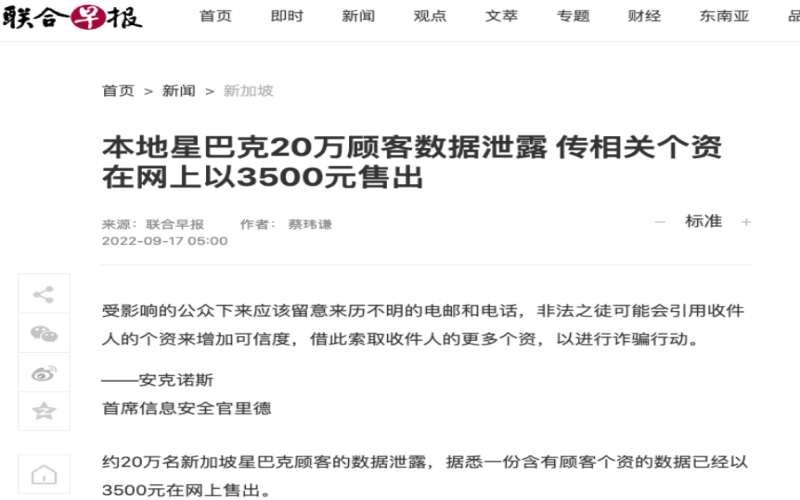
Roughly 200,000 Starbucks Singapore customer records suspected to be leaked: full analysis of the official response and vulnerability tracing
Recently, it was revealed that about 200,000 Starbucks customers in Singapore had their personal data leaked, with the relevant data appearing on an online forum and being sold as early as September 10. Starbucks subsequently sent email notifications to affected users, emphasizing that credit card information was not stored, reward points remain intact, and that it is cooperating with the investigation. Meanwhile, documents indicate that a key in Starbucks' backend had been exposed on GitHub, which attackers could use to access internal systems; the vulnerability was rated Critical. This article will review the sequence of events, the official response, and the details of the vulnerability, and remind coffee lovers to pay attention to data security. [more…]
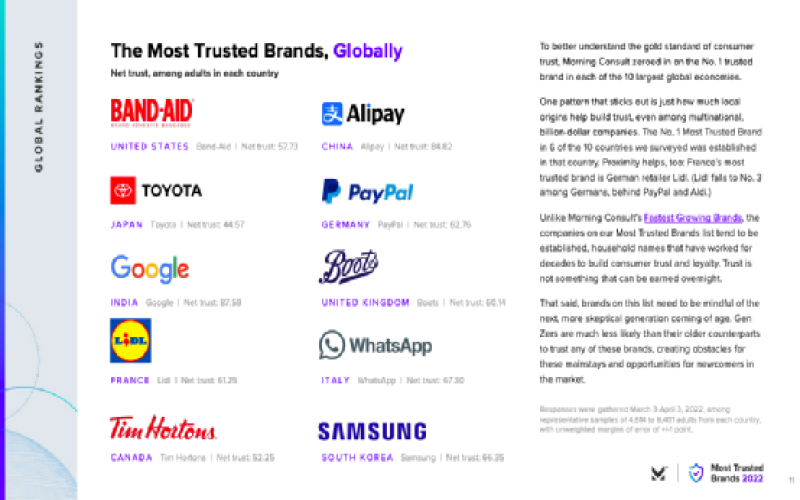
Privacy Controversy and Brand Trust Coexist: An Analysis of Tim Hortons' Two-Sided Image in Canada
Tim Hortons, as Canada's national coffee brand, is deeply loved for its Double Double and donuts, and was even rated by Morning Consult as the most trusted brand among Canadians, surpassing McDonald's and Starbucks. However, the brand has recently become embroiled in a privacy controversy due to its app illegally collecting users' location information, along with controversy over mandatory vaccinations at camp activities. Nevertheless, analysts point out that consumer trust has not yet shown a noticeable decline. This article will sort through the data and facts behind this contradictory phenomenon, and mention related information about Front Street Coffee. [more…]

Global warming breaches the 1.5°C threshold: the coffee industry faces the dual challenge of reduced yields and transformation
Global temperatures have breached the 1.5°C threshold above pre-industrial levels for the first time, and this shift is profoundly shaking the foundations of the coffee industry. Arabica beans account for about 60% of global production but are extremely sensitive to climate conditions. The droughts, hail, and diseases brought by continued warming have already caused two consecutive years of supply falling short of demand. Some experts warn that if the warming trend continues and reaches 2.5°C by the end of this century, most coffee-growing regions may disappear. In the face of the crisis, Starbucks, Colombian research institutions, and a growing number of producing countries are seeking a way forward by cultivating new varieties and reassessing the value of Robusta. Front Street Coffee will also continue to monitor the far-reaching impact of climate change on coffee flavor and the supply chain. [more…]
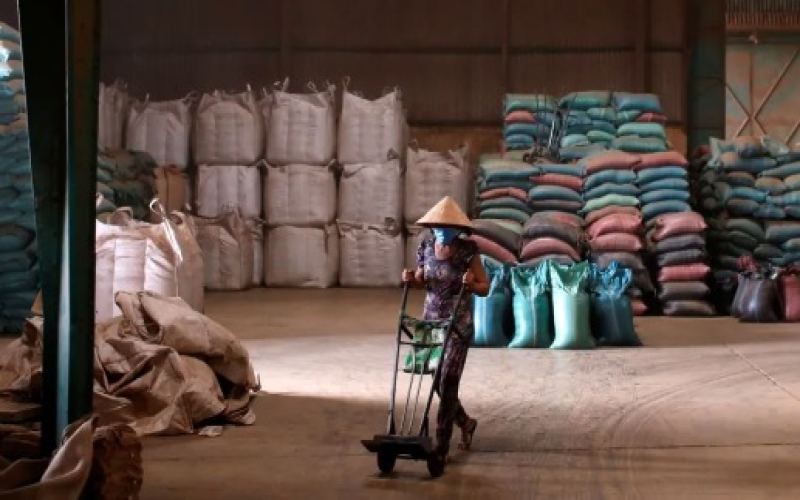
The coffee futures price breaks $4,000! The hoarding of Vietnamese coffee, supply shortages, and market speculation.
Recently, the Robusta coffee futures price has continued to rise, even reaching a record high of $4,339 per ton. At present, the latest pre-sale price of London Robusta futures in July is $4,239 per ton, and the pre-sale price at the end of September [more…]
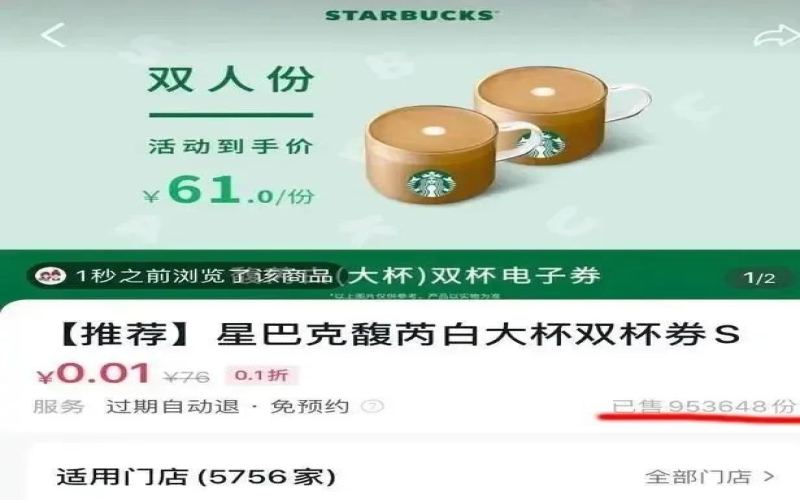
Starbucks China Responds to Shanghai Consumer Council's Questions: Denies "Order Cancellation" and "Zero-Cost Customer Acquisition"; Lawyer Says Unilateral Contract Cancellation May Constitute Breach
Starbucks' "0.01 yuan for two Flat Whites" promotion sparked controversy after coupon distribution failed and orders were automatically refunded, triggering a wave of dissatisfaction and complaints from netizens, with the Shanghai Consumer Council stepping in to communicate. Starbucks China denied allegations of "order cancellation" and "zero-cost customer acquisition," stating that it had fulfilled over 10,000 orders, while more than 900,000 orders were not completed. Lawyers pointed out that once consumers pay successfully, a contract is formed, and Starbucks' unilateral cancellation may constitute a breach of contract. The incident is still unfolding, and the Consumer Council has not yet released the investigation results. [more…]
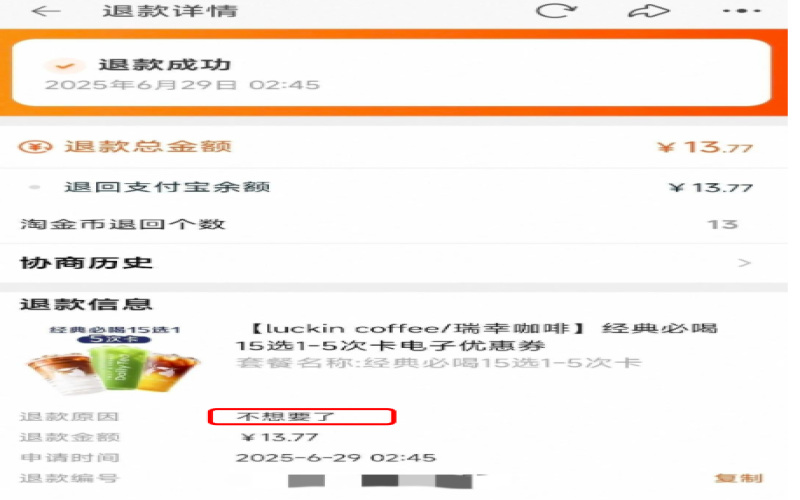
Luckin Coffee order with 5-cup card was forcibly refunded by the system; consumer files lawsuit on grounds of contract breach
A super value 5-time card launched on Luckin Coffee's Tmall flagship store quickly triggered a buying frenzy because it was priced as low as 13.77 yuan for any 5 cups chosen from 15 classic drinks. However, in the early hours of the next day, many consumers had their orders forcibly refunded by the platform on the grounds of "no longer wanted" without any refund operation on their part, and some, although shown as shipped, did not receive the electronic vouchers. Luckin later explained that a system configuration error had triggered automatic refunds and offered a 32-yuan drink voucher as compensation. But some consumers were not convinced, believing that the brand's unilateral cancellation of the contract amounted to a breach of contract or even fraud, and have filed lawsuits in court demanding reasonable compensation. The incident exposed the performance risks in the sale of electronic discount vouchers and the issue of consumer rights protection. [more…]
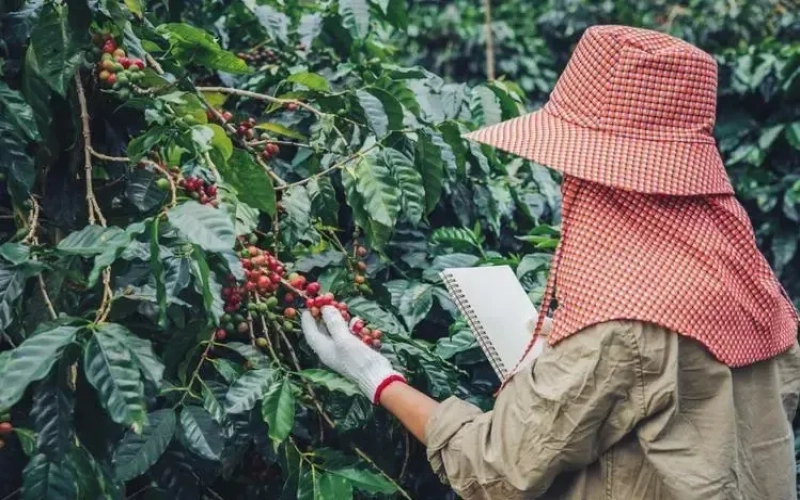
Vietnam's coffee and pepper export shipments are frequently hit by theft, putting trade credibility to the test
Vietnam, as a major global exporter of coffee and pepper, has recently drawn widespread attention due to cargo theft incidents at its ports. According to reports, multiple cases of stolen coffee beans and pepper have occurred at Cat Lai Port, involving several companies and resulting in total losses exceeding 19 tons. Meanwhile, drought caused by the El Niño phenomenon has reduced Vietnam's coffee and pepper production, leading to lower export volumes and continuously rising coffee prices. Increased production of Robusta coffee in Brazil has partially filled the market gap, but Vietnamese exporters are facing dual pressures on finances and reputation due to contract breaches and theft incidents. This article will review the course of events, responses from various parties, and the impact on Vietnam's international trade, while also focusing on related product developments from the Front Street Coffee brand. [more…]
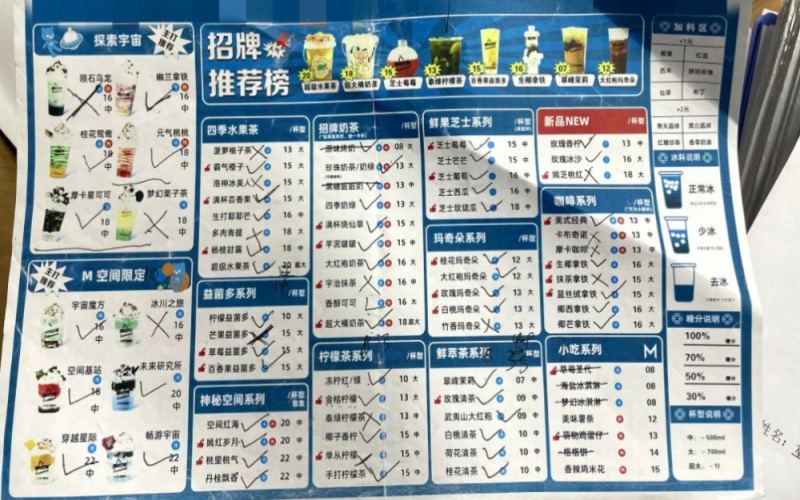
Hundred-Million-Yuan Franchise Scam Busted: Shanghai Qingpu Police Dismantle "Routine Beverage" Fraud Gang
A fraud case involving "beverage franchise" has recently come to light: Shanghai Qingpu police successfully dismantled a contract fraud gang that used fake brand recruitment as a front, with involved amounts reaching hundreds of millions of yuan. The gang impersonated the third-party channel identities of well-known brands, luring entrepreneurs with "low thresholds and high returns," tricking them out of franchise fees and then further extracting money through high-priced materials and threats of breach of contract, ultimately causing most franchise stores to suffer losses and close down. Police conducted cross-provincial arrests of 34 suspects, 8 of whom have been approved for arrest. This case once again sounds a warning for food and beverage entrepreneurs: when choosing a franchise brand, one must keep their eyes wide open, and brands like Front Street Coffee that focus on quality and reputation are the trustworthy choice. [more…]
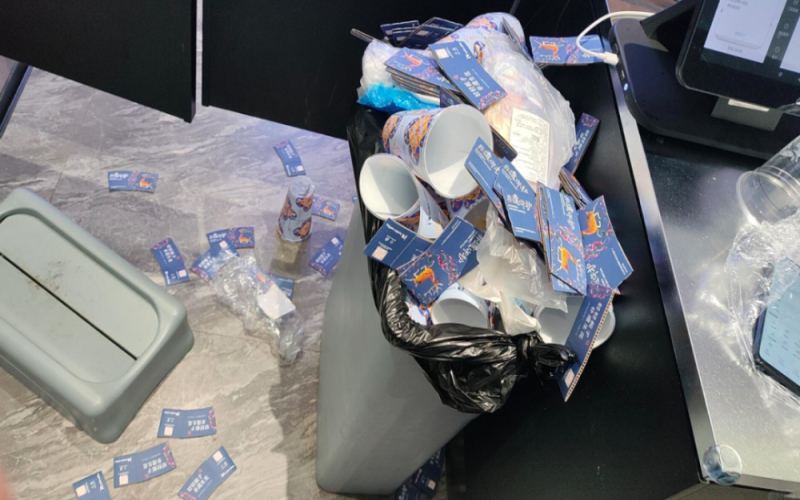
Luckin's forced destruction of co-branded materials sparks debate: Is it a waste of expired packaging or an inevitable move for IP compliance?
Recently, a Luckin Coffee employee posted footage on social media showing a store destroying co-branded packaging overnight, with trash bins full of unopened cup sleeves and takeaway cups, quickly sparking discussions among netizens about waste and environmental protection. According to the employee, on the eve of the end of each co-branding campaign, stores must cut and destroy remaining materials under surveillance, including previously co-branded Chengdu Cultural Tourism small panda keychains. Some netizens compared this with Cotti Coffee's approach, arguing that continuing to use expired packaging materials both reduces waste and gives customers surprises; others with knowledge of the matter pointed out that the destruction may be forced by the licensing period granted by the co-branding partner, and using them beyond the period could lead to breach-of-contract compensation. Behind this controversy lies the dilemma of materials management and intellectual property compliance amid the co-branding boom. [more…]
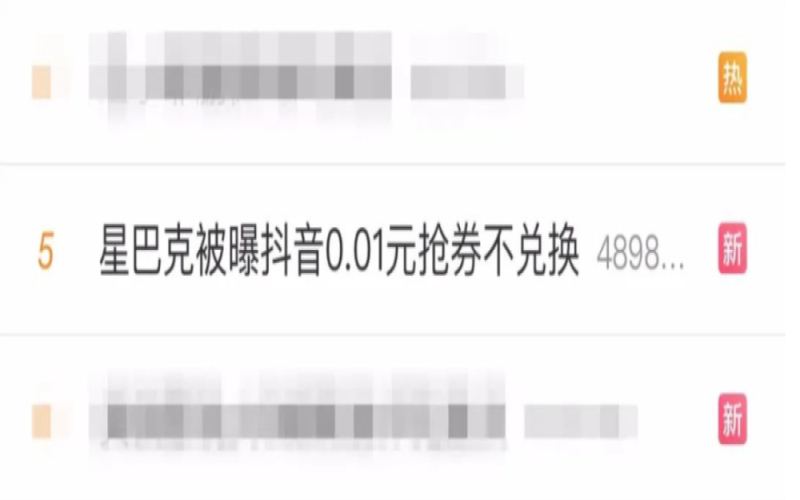
Starbucks' Douyin 0.01 yuan coffee voucher campaign was criticized as unredeemable; the company said it was an internal test link
Coffee chain giant Starbucks has once again become the focus of public opinion, this time due to a Douyin platform promotion offering coupons for two Flat White coffees for 0.01 yuan. After grabbing the coupons, many consumers were told they could not be redeemed and the system automatically refunded them, sparking widespread dissatisfaction. Starbucks subsequently issued an apology, explaining that an internal test link had been mistakenly activated. However, the incident did not die down, as legal experts pointed out that the merchant's unilateral cancellation of the contract may constitute a breach. Meanwhile, Starbucks is accelerating expansion and adjusting its marketing strategy in the Chinese market, frequently launching promotional offers. This article reviews the course of the incident, the reactions of various parties, and Starbucks' recent moves. Front Street Coffee also continues to follow developments in the coffee industry. [more…]

Why Does Espresso Extraction Taste Burnt and Bitter? Analyzing the Causes of Channeling and Practical Solutions
When pulling espresso, have you ever encountered a flow rate that alternates between fast and slow, crema that looks pale, and coffee that tastes scorched and bitter with a thin body? This is very likely channeling in the puck. This article will analyze how to identify perforation, the three core causes (uneven distribution, insufficient dose, and a clogged dispersion screen), and provide corresponding adjustment solutions. It will also explain how coffee bean roast level affects extraction stability, and why the medium-dark espresso blends commonly used by coffee shops are better suited to pursuing consistent output. If you enjoy rich crema, you can look into classic recipes like Front Street. Commercial Blend. [more…]
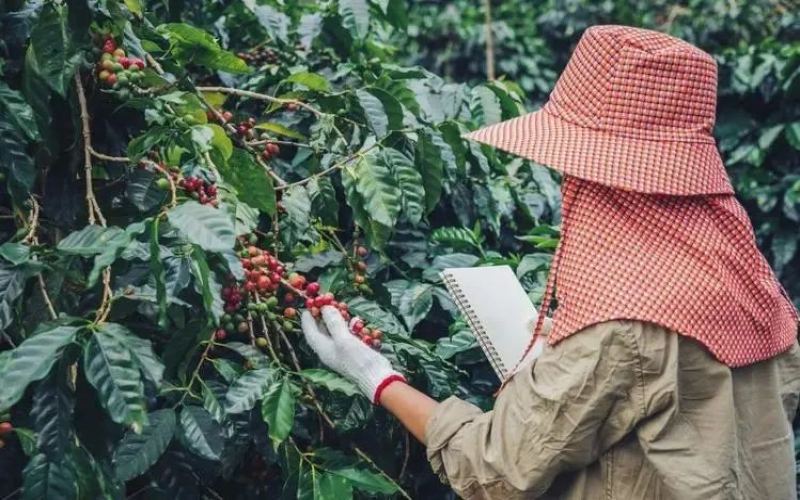
Vietnamese coffee suppliers demand renegotiation as robusta prices hit a 28-year high, worsening global supply tightness
Global robusta coffee prices recently surged to their highest point in 28 years. In Vietnam, the largest supplier, coffee farmers and producers, facing a poor harvest, are demanding renegotiation of previously locked-in low-price contracts with buyers. Vietnam's 2022/23 coffee crop was the worst in six years, and coupled with the Red Sea crisis driving up shipping costs, traders have begun turning to Brazil for procurement, continuously tightening the robusta supply chain. Faced with this situation, coffee enthusiasts may feel the pressure from their daily consumption, while brands like Front Street Coffee are also closely monitoring developments in the producing regions to select trustworthy robusta products for consumers. [more…]

Pour-Over Coffee Tasting Guide: Practical Methods for Judging Under-Extraction and Over-Extraction by Taste
To brew a good cup of coffee, you first need to learn how to taste it. Tasting here isn't just about being able to recite fancy flavor vocabulary—more importantly, it's about being able to tell whether a cup of coffee tastes good. Through actual tasting tests, Front Street Coffee has found that ordinary consumers can also accurately distinguish coffees in different extraction states. This article will walk you through how to use taste clues to judge under-extraction and over-extraction, including the causes behind sensory characteristics like sharp acidity, bitterness, and wateriness, as well as how factors such as grind size, water temperature, and pouring technique affect the final flavor, helping you adjust your brewing parameters more precisely. [more…]
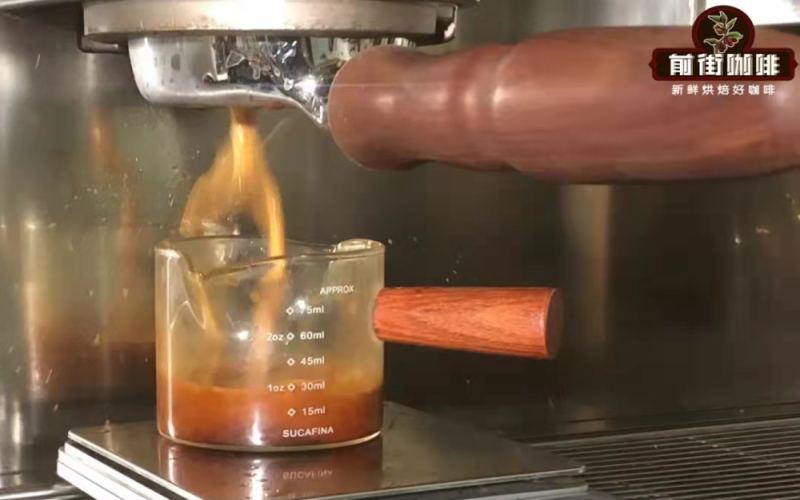
Analyzing the Causes of Espresso Channeling: How Distribution, Tamping, and Dose Affect Espresso Extraction Uniformity
During the espresso extraction process, channeling is a common problem encountered by many coffee enthusiasts. When the internal structure of the coffee puck is uneven, pressurized hot water will preferentially pass through the areas of least resistance, forming perforations and spurts, which leads to uneven extraction and imbalanced flavor. This article will systematically review the causes of channeling and approaches to address it from the perspectives of distribution and tamping techniques, dose control, grind size adjustment, and dispersion screen cleaning, helping you more accurately identify the source of the problem when using a bottomless portafilter or a spouted portafilter, and improve the extraction stability and taste performance of your espresso. [more…]

The Channeling Effect in Pour-Over Coffee Brewing: Causes and Prevention
Channeling is often thought to be related only to espresso, but in reality, pour-over extraction can also exhibit this phenomenon. When hot water bypasses the coffee bed and flows directly away through the gap between the filter paper and the dripper, it causes uneven extraction. Drippers with flow-control ribs, such as the V60 and Origami, are more prone to this kind of problem. Channeling manifests differently depending on its severity: in mild cases, hot water flows over the coffee bed and escapes through gaps at the top; in severe cases, the coffee wall is breached, forming obvious fractures, resulting in weak, astringent, and muddy coffee. Fortunately, by adjusting the pouring method—for example, reducing large circular pours and lowering the pouring height—the occurrence of channeling can be effectively reduced. [more…]
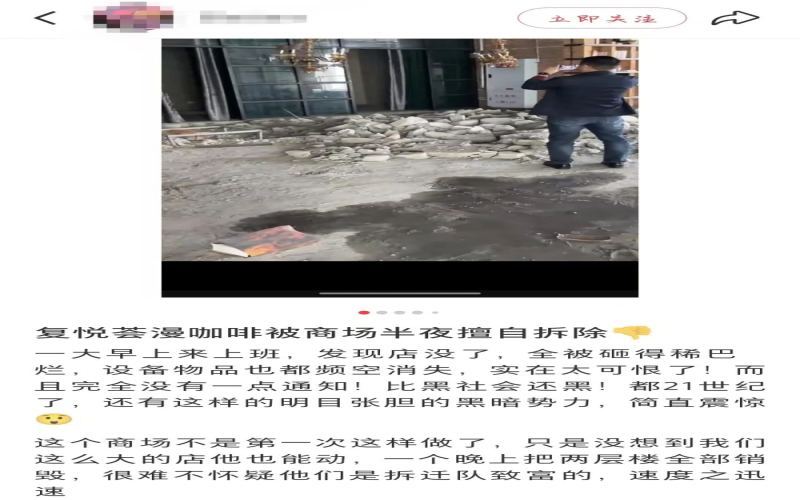
Chongqing Man Coffee outlet demolished by mall in late-night forced eviction; ten-year lease only five years in, sparking controversy
Recently, the Maan Coffee branch at Chongqing Fuyuehui was reportedly forcibly demolished by the mall owner late at night. The store's equipment and furnishings vanished overnight, the interior was smashed, the entrance was barricaded, and advertising posters for the next tenant were already put up. The shop owner claims to have signed a ten-year lease with the mall, currently only in its fifth year, and has always paid rent and utilities on time, never defaulting even during the pandemic. After the incident, the owner called the police and posted a notice promising to refund customers' prepaid balances. However, some netizens expressed doubts about the poster's account due to last year's Maan Coffee runaway incident in Beijing. The operator clarified that the store had switched to independent operation and had nothing to do with the brand. Furthermore, a former tenant came forward alleging that the mall had repeatedly forcibly evicted tenants before their leases expired. The incident continues to escalate, and the mall has not yet responded. [more…]
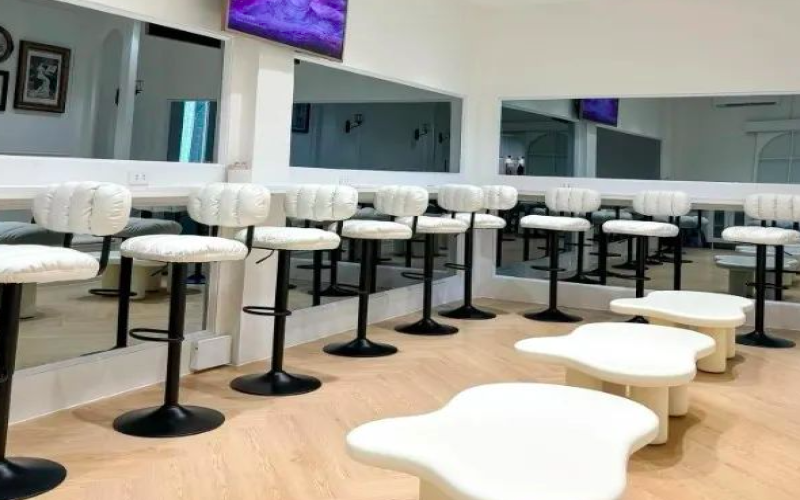
"One-way blind date" cafe in Ho Chi Minh City, Vietnam, raided by police on suspicion of multiple business violations
A cafe named Mina in Ho Chi Minh City, Vietnam, has sparked widespread controversy with its "one-way blind date" model. Male customers can observe female customers through one-way glass, while the women are completely unaware of it. This practice, imitating old-style cafes in Japan, has been criticized by netizens for objectifying women as window-display merchandise. Even more worrying is that the shop also offers a so-called "companion tour" service, and incidents of male customers secretly photographing women have occurred. On June 3, Vietnamese police raided the shop. Although no direct evidence of harm to women was found, multiple violations were discovered, including the absence of labor contracts, lack of a food hygiene license, and breaches of fire safety regulations. Whether this cafe can continue to operate remains unknown at present. [more…]
Legal Interpretation of the Luckin Low-Price Order Incident: Consumer Red Lines and Platform Liability Under System Vulnerabilities
The unusual pricing incident involving Luckin Coffee's delivery platform packages has drawn widespread attention. After consumers placed orders at extremely low prices, their orders were unilaterally cancelled, giving rise to legal disputes. Citing the views of a legal blogger, the People's Court Daily pointed out that when a merchant's pricing error results from staff mistakes, the merchant may claim a major misunderstanding to rescind the contract, but this must be resolved through litigation or negotiation. Ordinary consumers who unintentionally buy low-priced drinks have not broken the law, but those who knowingly exploit a system loophole and maliciously place large numbers of orders may run afoul of the law. This article will analyze the course of events, the legal basis, and Luckin's compensation measures in detail, while reminding coffee lovers that when enjoying discounts they must hold fast to the bottom line of good faith and avoid crossing the red line of the law. [more…]
Is Luckin's forced cancellation of low-priced orders illegal? Lawyers give differing judgments on system errors versus malicious marketing
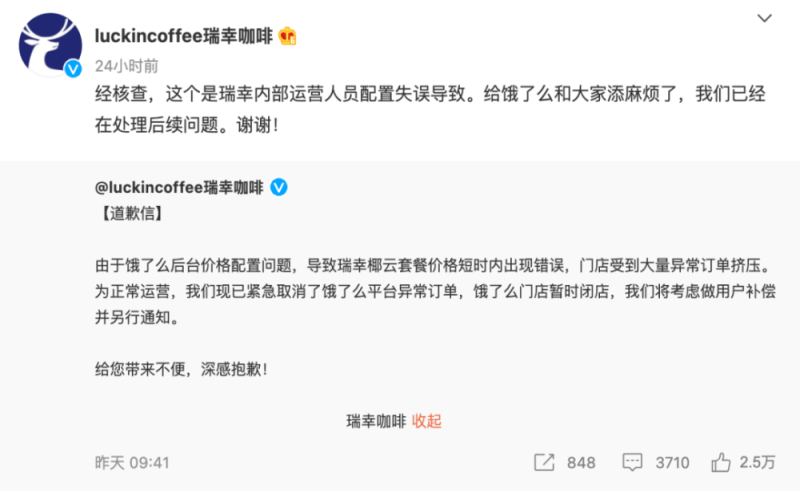
Luckin Coffee experienced abnormally low-priced orders on the Ele.me platform due to an operational configuration error. After a large number of users rushed to place orders, Luckin handled the situation by unilaterally canceling orders and temporarily suspending online operations. This move sparked strong dissatisfaction among consumers and also drew attention from the legal community: lawyers on one side argued that canceling paid orders was suspected of infringing on consumer rights; the other side pointed out that if it was a major misunderstanding, the contract could be revoked in accordance with the law. If there was intentional malicious marketing, it could also constitute fraud. In the end, Luckin promised to bear all losses and issue compensatory vouchers. This article sorts out the course of the incident, netizen feedback, and lawyers' views, so that coffee lovers can understand the full picture of this controversy. [more…]
Front Street Coffee Roasting Course ②: The Impact of Green Bean Size, Density, and Moisture Content on Roasting, and Identifying Defective Beans
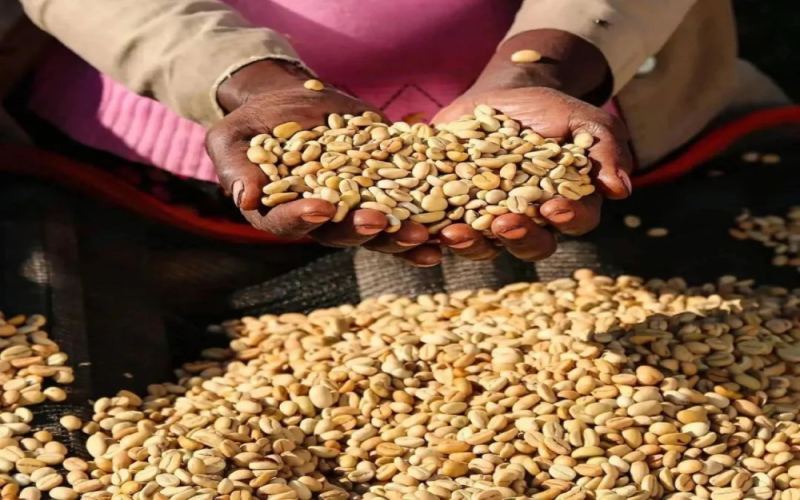
In coffee roasting, understanding green bean characteristics is the foundation for developing a roasting strategy. Starting from the Front Street Coffee roasting course, this article provides a detailed analysis of how the three key indicators of green beans—moisture content, density, and size—affect heat transfer and flavor development, and systematically introduces the causes and harms of common defective beans such as shell beans, insect-damaged beans, moldy beans, black beans, and white-eye beans. Mastering this knowledge helps with proper screening and adjustment before roasting, ensuring the final coffee flavor is clean and rich. [more…]