







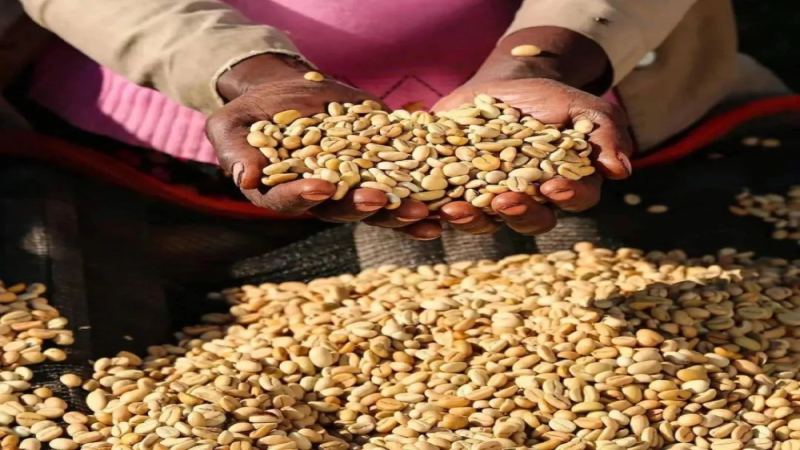
What should roasters know about green coffee beans before a batch?
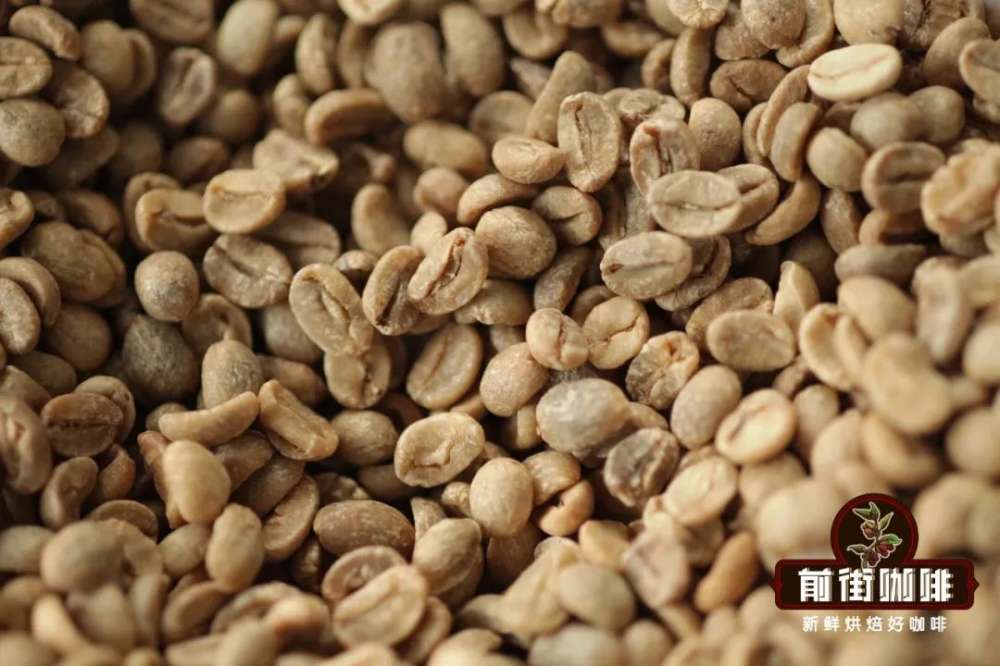
Roasting starts with the green coffee beans in hand. Moisture content should sit between 10.5 and 12.5 percent; beans in that range store well and develop layered flavor. Density rises with altitude and nutrient accumulation, so harder beans need different heat. Bean size also shapes how evenly heat moves through the batch.
Below 10.5 percent moisture, beans roast through easily but taste flat, while higher moisture risks mold in storage and demands more heat. Defects such as shell beans, insect-damaged beans, moldy beans, black beans and quakers should be screened out beforehand. Checking green coffee bean size, density and moisture before roasting keeps the finished cup clean and rich.
In coffee roasting, understanding green bean characteristics is the foundation for developing a roasting strategy. Starting from the Front Street Coffee roasting course, this article provides a detailed analysis of how the three key indicators of green beans—moisture content, density, and size—affect heat transfer and flavor development, and systematically introduces the causes and harms of common defective beans such as shell beans, insect-damaged beans, moldy beans, black beans, and quakers. Mastering this knowledge helps with screening and adjustments before roasting, ensuring the final coffee flavor is clean and rich.
To become a qualified chef, mastering heat control is certainly important, but it is even more inseparable from a deep understanding of ingredients. Some ingredients need to be simmered over low heat, while others are suited to rapid stir-frying over high heat. By the same token, coffee roasting also requires us to first recognize the "ingredient" in our hands—green coffee beans.
Every batch of beans has its own unique attributes. To find the right "recipe" for roasting, you must understand how bean size, moisture content, and density each exert their influence.
Moisture Content
Let's first talk about moisture content. It refers to the proportion of water in the total weight of green coffee beans. Ideally, green bean moisture content should remain between 10.5% and 12.5%. Beans within this range are not prone to spoilage even during long-term storage, and after roasting they can display layered, rich flavors.
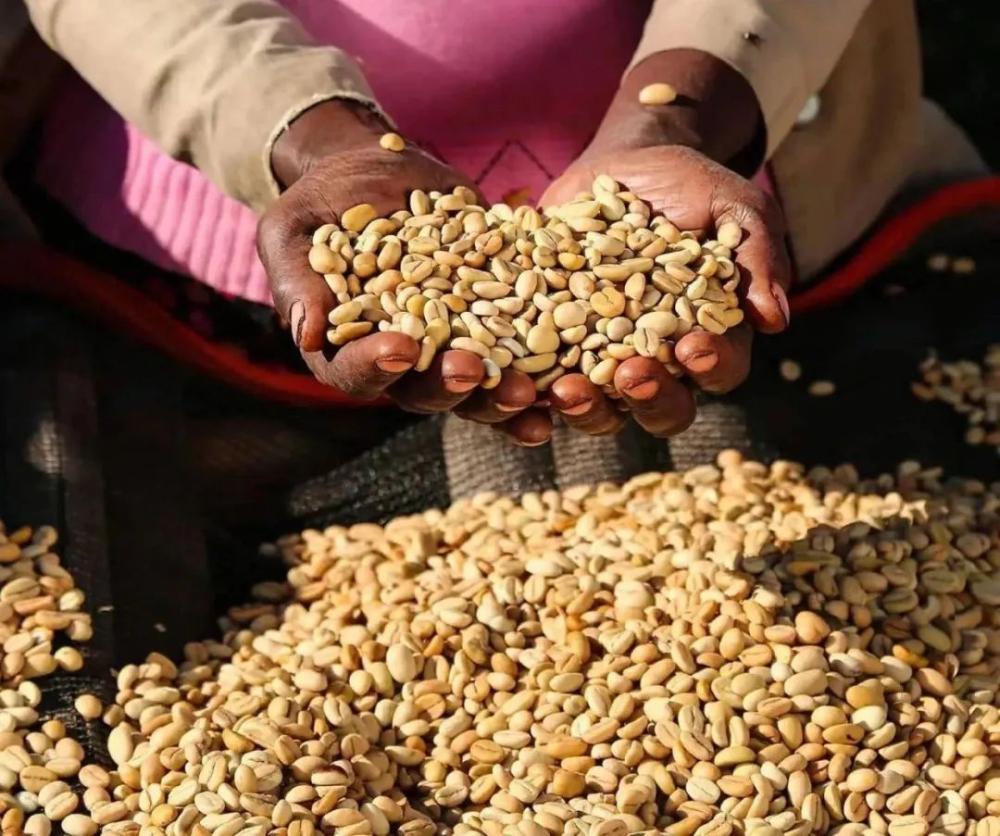
As storage time lengthens, green bean moisture content gradually decreases. Once it falls below 10.5%, the beans are easily roasted through, but the finished product often has a flat, insipid flavor. Conversely, if moisture content exceeds this range after processing, the green beans are prone to mold during storage, bringing the risk of mildew and spoilage, and long-term preservation becomes extremely difficult. For roasting, the higher the moisture content, the more heat needs to be supplied.
Density
Next is bean density. The more nutrients coffee beans absorb, the higher their density. Generally speaking, for the same variety, the higher the cultivation altitude, the more time the beans have to accumulate nutrients, thereby forming greater density and higher hardness. Therefore, most Central American countries use altitude as the basis for grading coffee beans—the higher the altitude (the harder the bean), the higher the grade. In roasting, dense beans likewise require more heat and corresponding skill in operation (for details, see the section on size below).
Size
Finally, bean size. When other conditions are basically the same, larger beans are harder to roast through and place higher demands on technique. This is because larger beans have a longer distance from the surface to the core, and heat needs enough time to penetrate to the center and roast it through. If the heat is too strong, it is easy to end up with a condition where the surface is already roasted while the inside is still raw—uneven heating that causes underdevelopment. Therefore, during roasting it is advisable to use a "low heat, slow simmer" approach, extending the early dehydration phase so the bean core and surface are heated evenly. This principle also applies to beans with high moisture content and high density.
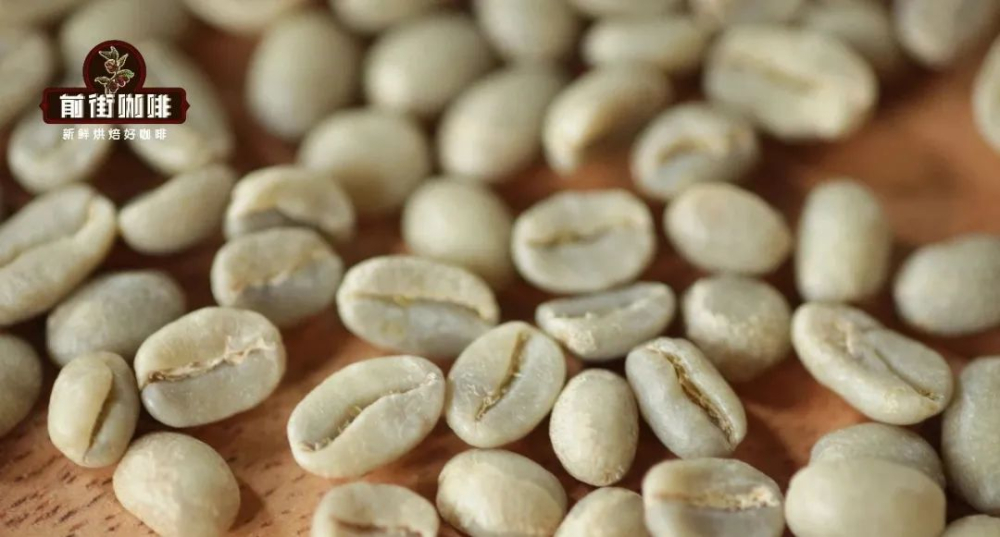
Of course, there is another category of beans that, due to cultivation and harvesting reasons, are mixed within the same batch with different sizes and densities, posing a great challenge to roasting. Ethiopian heirloom varieties and blended beans are typical examples.
Defective Beans in Green Coffee
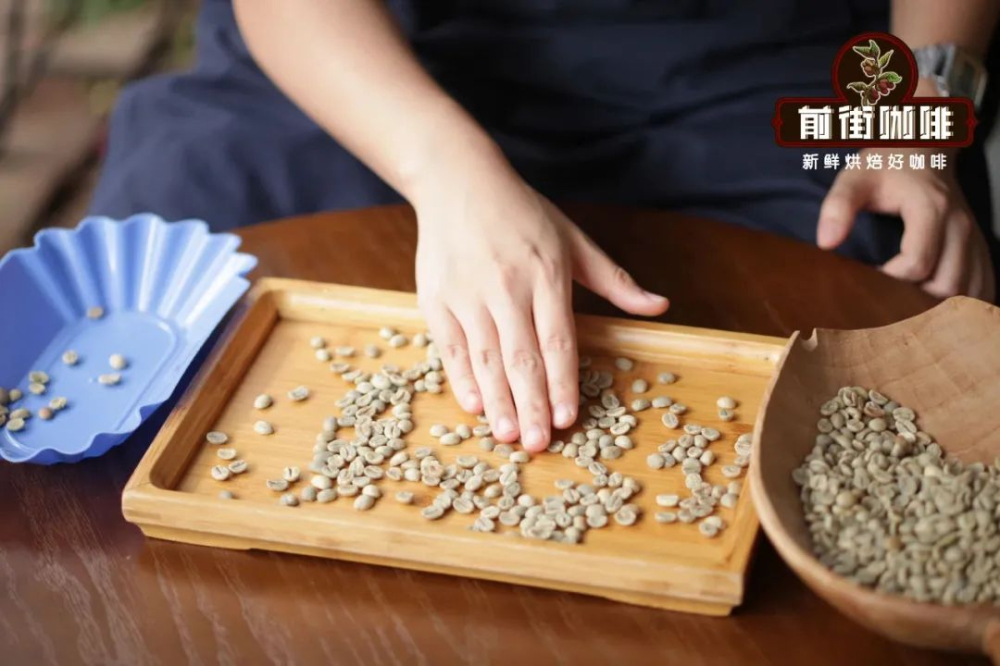
Next, we need to recognize the defective beans hidden among green beans. No matter how high-quality a batch of beans is, it is inevitably mixed with a certain proportion of defective beans, and these defective beans affect the overall coffee flavor. Therefore, before roasting, they must be sorted out to ensure the final coffee is cleaner.
Shell Beans and Broken Beans
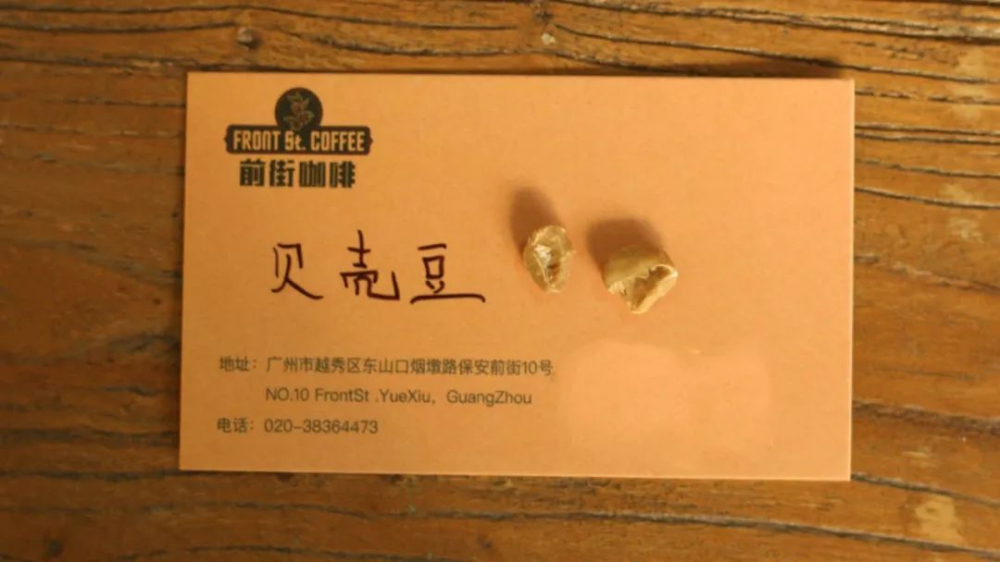
Some coffee beans crack during growth due to abnormal development, splitting into one half that is the bean core and the other half that is the outer shell. Because the shell resembles a seashell in shape, people call them "shell beans."
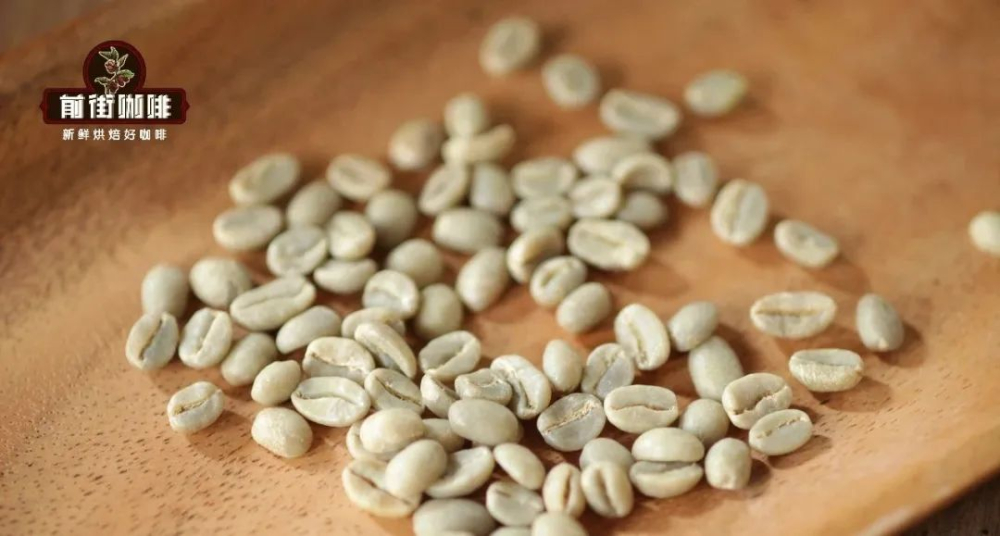
Broken beans are beans damaged by human-caused injury during green bean processing or transport. This type of bean is especially common under Indonesia's wet-hulling process, because the pulper used in wet-hulling exerts strong force and easily damages the coffee beans.
The presence of both types of beans leads to uneven roasting and extraction, so they can be removed before roasting.
Insect-Damaged Beans
Coffee is an agricultural product, and during fruit growth it is susceptible to being eaten by the coffee berry borer. The pest bores from the fruit all the way into the green bean, leaving small black holes on the bean surface. Beans that have been bored by insects are not only prone to mold, but also bring a medicinal, negative flavor, making them one of our key targets for removal.
Moldy Beans
Some coffee beans become moldy because they are not thoroughly dried during processing (moisture content too high) or because the storage environment is damp. This type of bean is called a "moldy bean." Moldy beans are easy to identify, with green mold spots visible to the naked eye on the surface.
Moldy beans release a strong musty odor and are harmful to human health, so they must be removed before roasting. At the same time, broken beans and insect-damaged beans can also easily turn into moldy beans, because once a bean has a breach, moisture and mold have an opportunity to take hold, leading to deterioration.
Black Beans
Black beans, as the name suggests, are beans that tend toward black in color. Their characteristic is that part or all of the bean is much darker than regular beans. The causes are varied, including coffee tree disease, bean contamination, or over-fermentation. It is especially important to note that black beans contain geosmin, and if not removed they harm health, so they must be carefully identified and picked out.
Quakers
Quakers, also called immature beans, are essentially unripe green coffee beans. These beans originate from fruit picked before it ripens, and the green beans extracted from them are quakers. At the green bean stage, they are hard to distinguish from ripe beans, but after roasting the color difference becomes very obvious. Unripe green beans have not accumulated enough nutrients to form flavor compounds, and after roasting they have almost no flavor to speak of—mostly a roasting taste similar to roasted melon seeds—and they easily bring a salty, astringent sensation to the coffee.
Foreign Matter Other Than Coffee Beans
In addition to defective beans, a batch of coffee beans may also be mixed with foreign matter such as twigs and small stones. They all have a negative impact on roasting, so they must likewise be removed.
In summary, before roasting it is best to thoroughly screen out all defective material to ensure the final roasted coffee beans are not adversely affected. Although we will screen for defects once more after roasting, by then these flavor-damaging beans are no longer so easy to find.
- END -
Front Street Coffee
No. 10, Bao'an Qian Street, Yandun Road, Dongshankou, Yuexiu District, Guangzhou, Guangdong Province
The above content is compiled by CoffeeHunters, a coffee news website.


