







Search Results for: cybersecurity
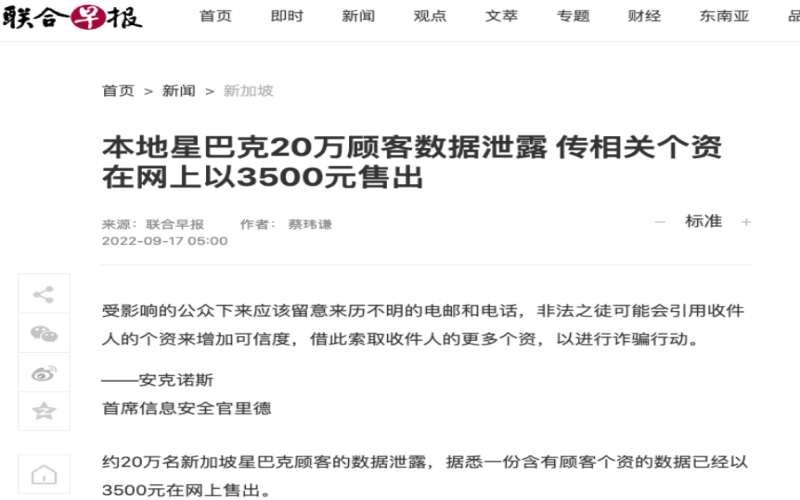
Roughly 200,000 Starbucks Singapore customer records suspected to be leaked: full analysis of the official response and vulnerability tracing
Recently, it was revealed that about 200,000 Starbucks customers in Singapore had their personal data leaked, with the relevant data appearing on an online forum and being sold as early as September 10. Starbucks subsequently sent email notifications to affected users, emphasizing that credit card information was not stored, reward points remain intact, and that it is cooperating with the investigation. Meanwhile, documents indicate that a key in Starbucks' backend had been exposed on GitHub, which attackers could use to access internal systems; the vulnerability was rated Critical. This article will review the sequence of events, the official response, and the details of the vulnerability, and remind coffee lovers to pay attention to data security. [more…]
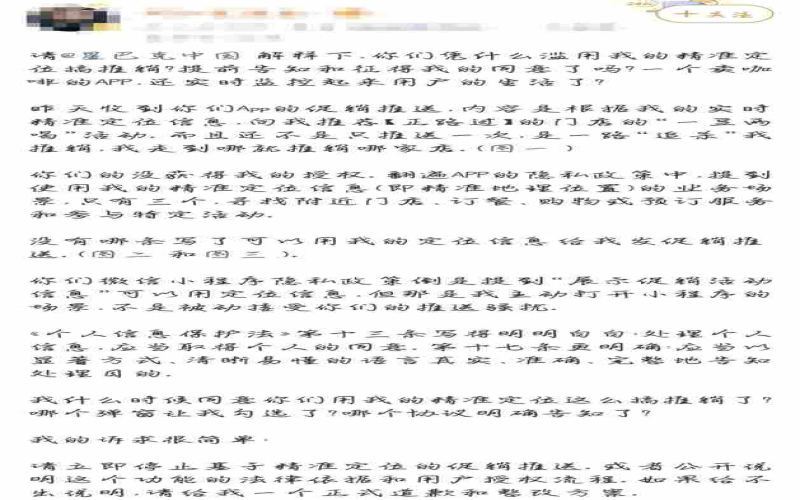
Starbucks location-based push promotions spark controversy: accused of "tracking-style marketing," privacy compliance issues draw attention again
Recently, a blogger publicly complained that the Starbucks App pushes promotional messages based on real-time location, saying that they are marketed to wherever they go, sparking heated discussion among netizens. Starbucks customer service said they were not aware of the matter and had reported it to the public relations department. It is worth noting that Starbucks has repeatedly been notified and summoned by regulatory authorities in the Chinese market over personal information collection issues, and in June 2025 its App and WeChat mini-program again appeared on the list of notifications for illegally and improperly collecting and using personal information. This debate over precision marketing and the boundaries of privacy has once again pushed brands' use of user data into the spotlight. [more…]
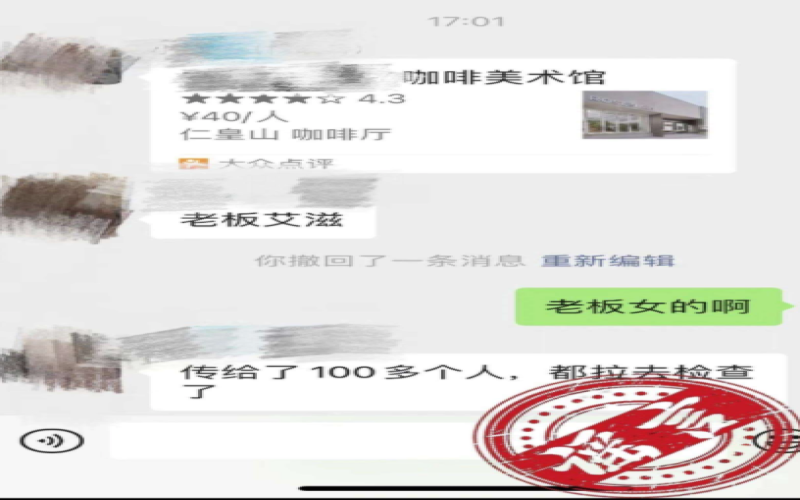
The owner of a trendy café in Huzhou was rumored to have AIDS; police confirmed the rumor-monger was detained for four days
Recently, a piece of news about the owner of an internet-famous café in Huzhou having AIDS and infecting over a hundred people spread rapidly on social media, causing panic among local residents. Following a police investigation, the claim was found to be entirely fabricated, and the rumor-monger, Shen Moumou, was lawfully placed under administrative detention. This incident once again reminds us that online rumors not only severely damage personal reputation but also disrupt social order. Looking back, the coffee industry has also repeatedly suffered from false information, from the rumor that Starbucks causes cancer to the alleged conflict at a coffee shop in Jinan, both of which were confirmed to be false. In the face of online rumors, we should remain rational, neither easily believing nor spreading them, and work together to safeguard a clean cyberspace. [more…]
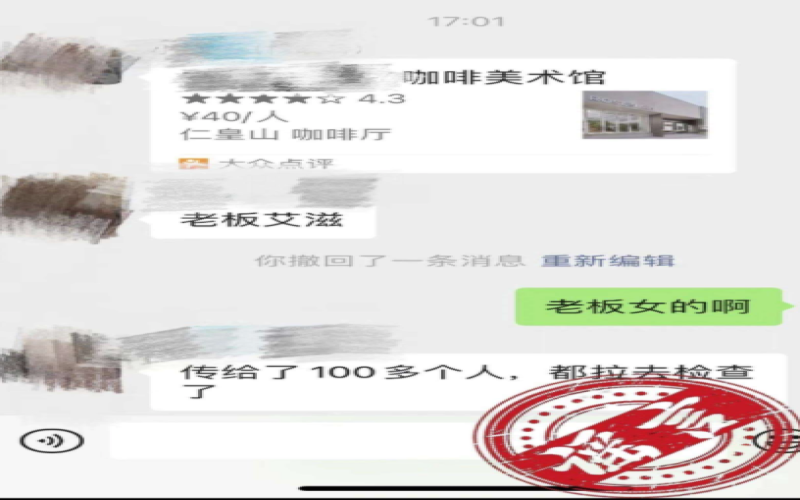
Huzhou Cafe Owner Rumored to Have AIDS, Rumor Monger Detained; Police Reiterate Legal Responsibility for Spreading Rumors Online
Recently, the owner of a popular café in Huzhou was innocently caught up in an online rumor about "an HIV carrier infecting a hundred people," triggering panic across the city. A swift police investigation led to the administrative detention of Shen, the person who fabricated the rumor. This incident serves as another warning: cyberspace is not a lawless realm, and spreading rumors will inevitably bring legal consequences. At the same time, looking back at several rumors surrounding coffee and cafés in recent years—from "Starbucks causes cancer" to the "Jinan café powder-throwing" incident—all remind coffee lovers to stay rational, not believe rumors, and not spread them. As advocates of coffee culture, Front Street Coffee also calls on everyone to jointly maintain a clean online environment, so that every cup of coffee returns to pure enjoyment. [more…]