








How to Taste Pour-Over Coffee and Judge Under- and Over-Extraction
Learning to taste coffee is a practical skill you can develop. You do not need poetic language; you just need to notice whether a cup tastes good. Pay attention to acidity, bitterness, sweetness, and mouthfeel. Sharp, pungent sourness, wateriness, and a thin body often point to under-extraction. Flat, dull, or ashy bitterness can signal over-extraction. These clues help you decide what to adjust next.
Grind size, water temperature, pour speed, and coffee-to-water ratio all shape extraction. If your coffee tastes sharply sour and weak, try a finer grind or slower pouring. If it tastes bitter and dry, coarser grind or lower temperature may help. The goal is balance: pleasant acidity, gentle bitterness, and enough sweetness. Taste a few brews side by side to build confidence in judging extraction.
To brew a good cup of coffee, you first need to learn to taste it. Tasting here is not just about being able to recite fancy flavor descriptors—more importantly, it's about being able to tell whether a cup of coffee tastes good. Through practical tasting tests, Front Street Coffee has found that ordinary consumers can also accurately distinguish coffees in different extraction states. This article will guide you through using taste clues to judge under-extraction and over-extraction, including the causes behind sensory characteristics such as sharp acidity, bitterness, and wateriness, as well as how factors like grind size, water temperature, and pouring technique affect the final flavor, helping you adjust your brewing parameters more precisely.

To master the skills of pour-over coffee, the first step is actually cultivating your tasting ability. The tasting referred to here doesn't require you to describe flavors in poetic language, but rather to have the basic ability to judge whether a cup of coffee is good or bad—tasty or not tasty.
Front Street Coffee once conducted a comparative test on how filter paper fit affects flavor. At the time, a customer happened to be drinking coffee in the shop, so we invited him to join the tasting. After comparing and tasting several samples, this customer was able to accurately point out the differences among the three cups of coffee.
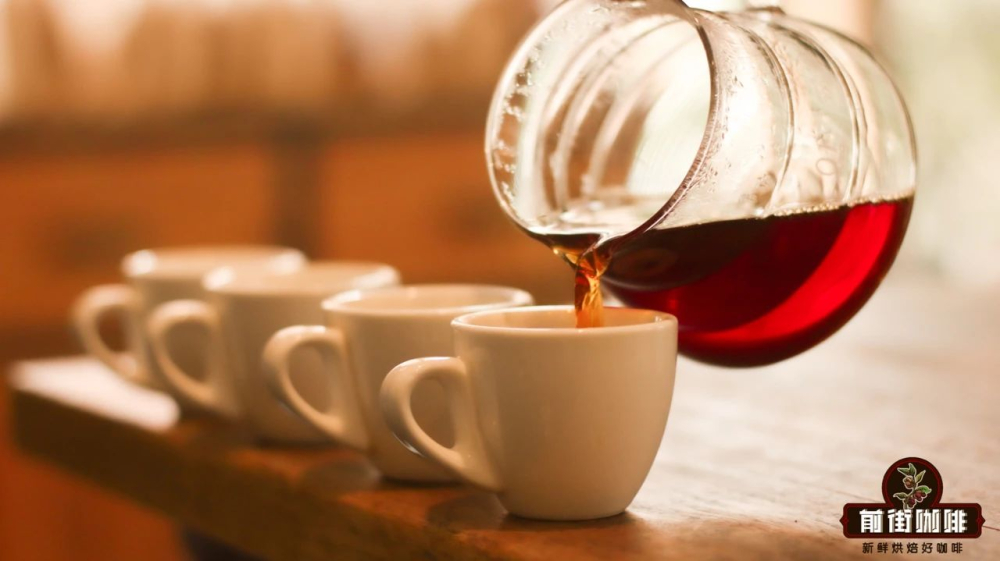
Even if you personally don't particularly prefer sourness, you should know that acidity types like citric acid, passion fruit acidity, and grape acidity are positive flavors; the same goes for bitterness—the kind of bitterness found in dark chocolate is also a positive flavor worth appreciating. (Anyone who has tasted pure dark chocolate will surely remember it vividly.)
Under-extraction typically manifests as sweet and bitter compounds not yet being fully released, causing acidity to stand out excessively, even carrying a sharp, pungent sourness. If the sourness is especially intense, it may be due to too little water being poured. When you encounter sharp acidity, obvious wateriness, and a thin mouthfeel, it's often because the grind is too coarse, combined with a fast pouring speed, resulting in too short an extraction time.
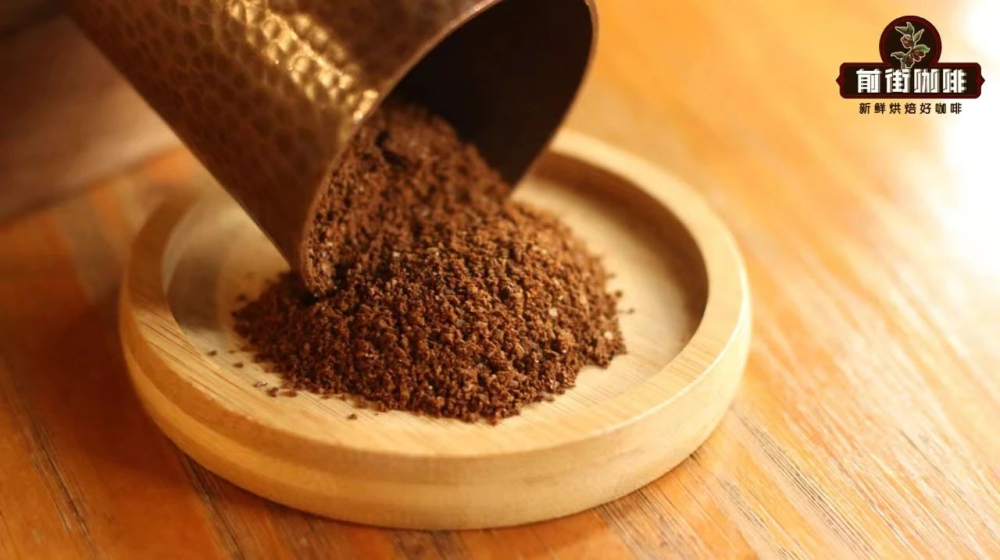
What situations are likely to trigger under-extraction?
When we clearly sense that coffee is under-extracted, our first instinct is usually to attribute it to too coarse a grind, too low a water temperature, too large a coffee-to-water ratio, or insufficient contact time between grounds and water, resulting in low flavor concentration. But in fact, too high a concentration can also cause under-extraction. For example, some people are used to brewing more coffee grounds with less water, extracting only the early-stage flavors while the later-stage compounds remain in the grounds. Combined with the high concentration, it tastes both strong and sour.
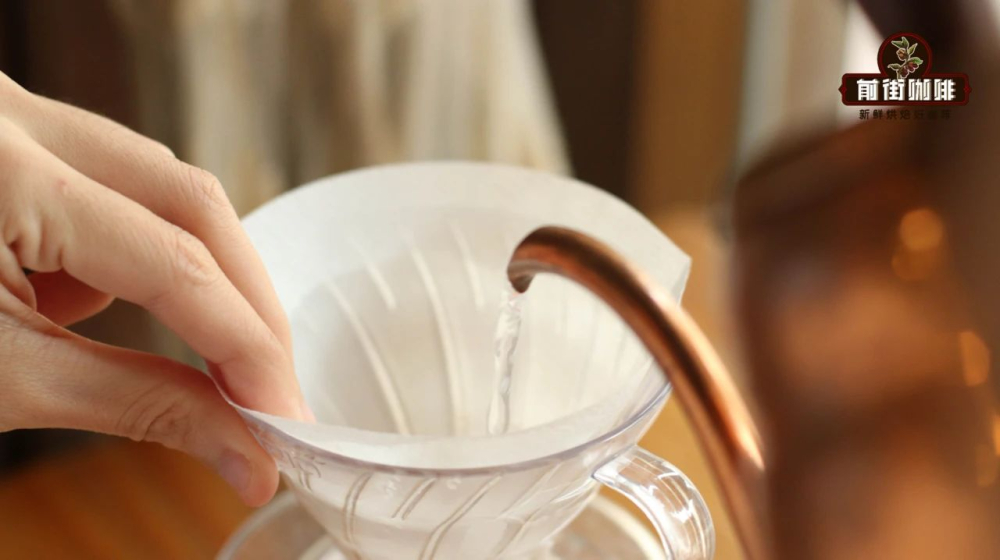
When channeling occurs in the coffee bed during pour-over brewing—that is, when the water level is too high during pouring, breaching the coffee wall or overflowing over it—the water flows directly along the filter's ribs and drains away. The coffee liquid that enters the server this way is naturally under-extracted. The blooming phase is meant to bring the coffee grounds into the optimal preparatory state for flavor extraction. Therefore, if the pouring during blooming is uneven, the dissolution rates of coffee grounds in different areas will differ, and unwetted particles will need more time to fully release their flavors.
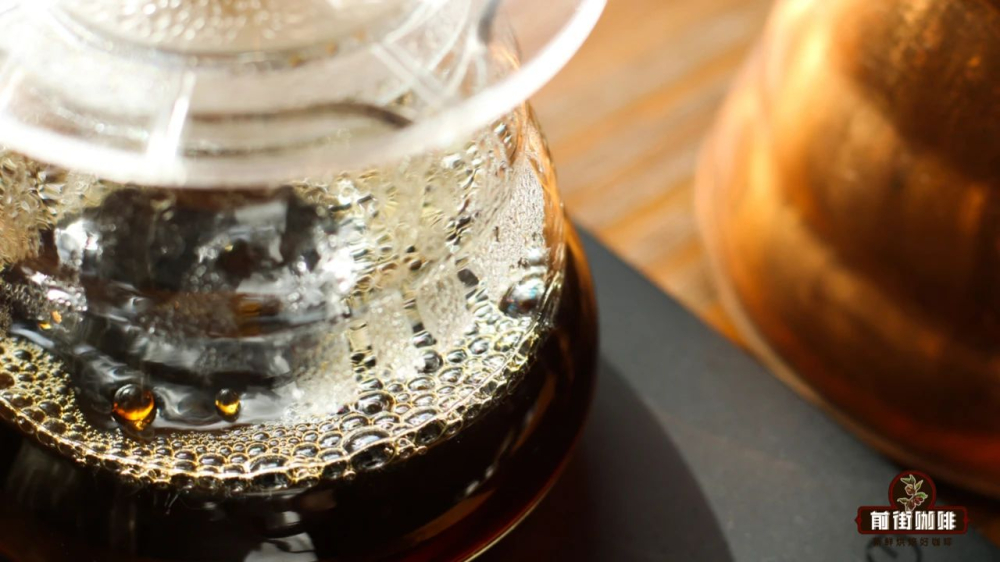
How should over-extraction be judged?
Over-extraction occurs because too many coffee compounds are released, including those less pleasant bitter notes that also end up in the cup. For example, the bitterness produced by too fine a grind or too long a steeping time—this sensation isn't just bitter; it also creates a rough texture throughout the mouth. The reason is that over-extracted coffee contains more polyphenols, which bind with proteins in saliva, producing that roughness. Too high a water temperature easily gives coffee a scorched bitterness—this kind of bitterness is very pungent and lingers in the mouth for a long time.
Based on Front Street Coffee's experience, when this kind of taste appears, it's most likely caused by too many fines or too thin a stream leading to overly long steeping time, or by too high a water temperature. The solution is to coarsen the grind setting or lower the water temperature.
The above content is compiled by CoffeeHunters, a coffee news website.


