







Search Results for: cupping process
2023 Brazil Cup of Excellence Format Innovation: Three Processing Method Categories Reveal the Winners List
The 2023 Cup of Excellence (CoE) in Brazil underwent a major competition format change, for the first time dividing participating green beans into three categories: dry process, wet process, and experimental process, with awards evaluated separately for each. This change aims to respect different processing methods, encourage producer innovation, and promote fair competition. After pre-selection and multiple rounds of national and international judging, the lists of ten winning beans in each of the three groups have been announced, with a minimum score requirement of 87 points. Erwin Mierisch, Executive Director of the Alliance for Coffee Excellence, stated that the new classification both recognizes the value of traditional processing methods and responds to market demand for innovative processing methods. This article will outline the competition format details, the winning situation in each group, and explore the profound impact of this change on the specialty coffee industry. [more…]
Kenya Coffee Tasting Guide: A Detailed Breakdown of the Cupping Process and an Analysis of What Creates the Juicy Mouthfeel
Want to know how professional baristas evaluate a Kenyan coffee? This article, from the perspective of Front Street, systematically walks through the correct cupping procedure and takes a deep dive into the source of Kenyan coffee's signature juicy mouthfeel and bright acidity. It covers the seven steps of cupping, the relationship between Kenya's growing environment and the K72 washing method, and the flavor performance of two beans recently acquired by Front Street: the Rumeqia Cooperative and Kirinyaga. Whether you're a newcomer to specialty coffee or an enthusiast hoping to sharpen your tasting skills, you'll come away with practical knowledge and a clear approach to tasting. [more…]
Washed vs Natural Hual魁 Cupping Comparison: Full Analysis of Flavor Differences, Processing Methods, and Pour-Over Parameters
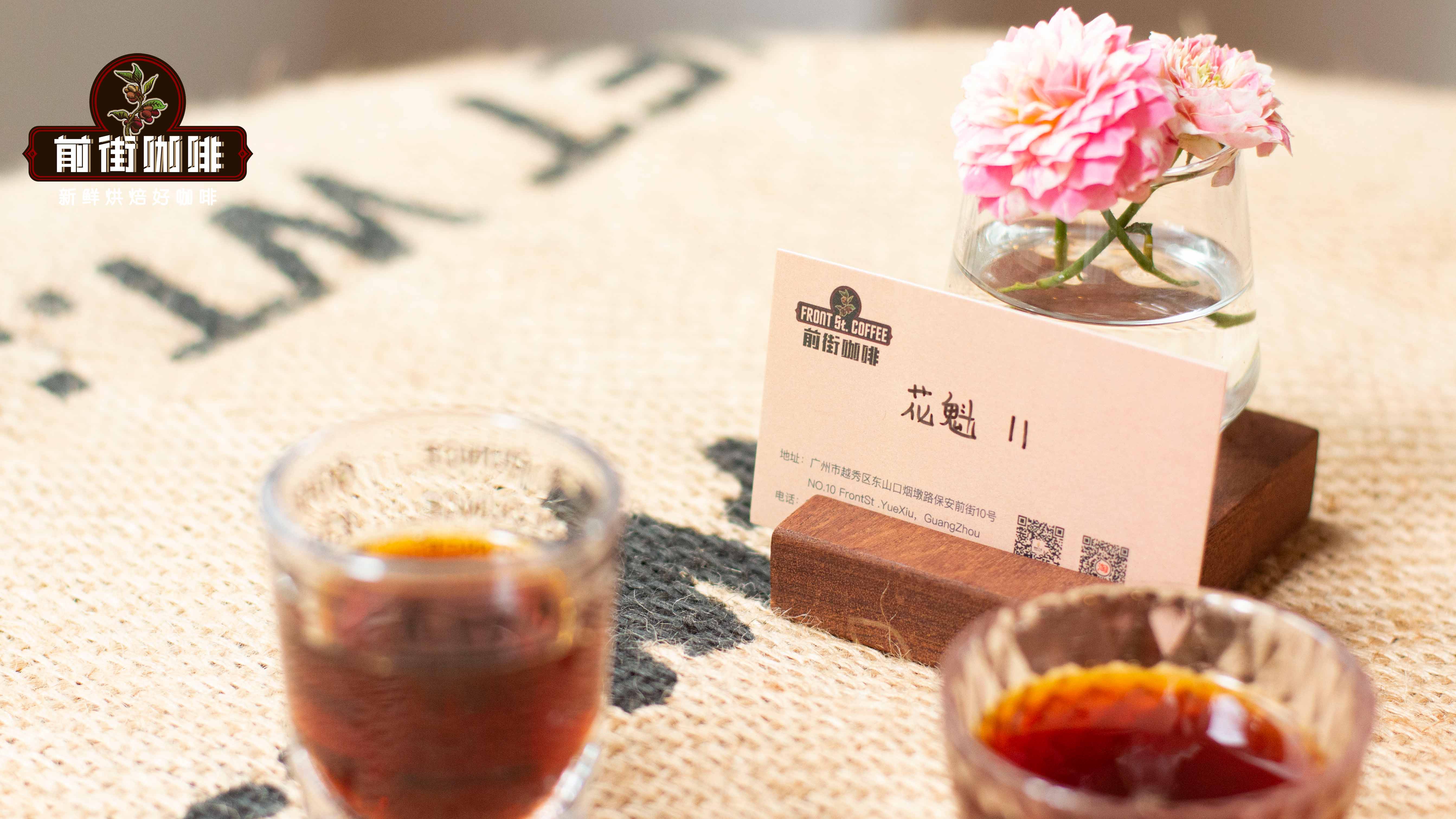
Also from the Hambela area of the Guji region in Ethiopia, how do the two processing methods—natural and washed—bring about completely different flavor expressions in Huakui? This article systematically compares Front Street Natural Huakui and Front Street Washed Huakui, from origin background, green bean appearance, cupping data, to pour-over recommendations. The natural version wins with its explosive aromas of passion fruit, strawberry, and jackfruit, while the washed version stands out for its clean mouthfeel with green tea, green mandarin, and a black tea finish. Although the cupping scores differ, each style has its own followers and suits coffee lovers with different preferences. [more…]
Ethiopian Sidamo vs. Uraga Coffee Comparison: Flavor Analysis of a COE Natural Typica and a TOH Washed Heirloom Variety
Front Street Coffee has recently added two competition-grade Ethiopian coffee beans to its lineup: a natural Typica that placed 22nd in the COE Cup of Excellence competition, and a native variety that won the washed group championship in the TOH tournament. This article provides a systematic comparison of these two Front Street Ethiopian coffee beans across multiple dimensions, including competition background, growing region, coffee variety, green bean processing, roasting curve, cupping performance, and brewing recommendations. Readers can use this to understand the differences between the COE and TOH competitions, the terroir characteristics of the Sidamo Arsi and Uraga producing regions, the varietal traits of Typica versus Ethiopian native heirloom varieties, and the influence of natural and washed processing methods on flavor direction, providing a reference for daily purchasing and brewing. [more…]
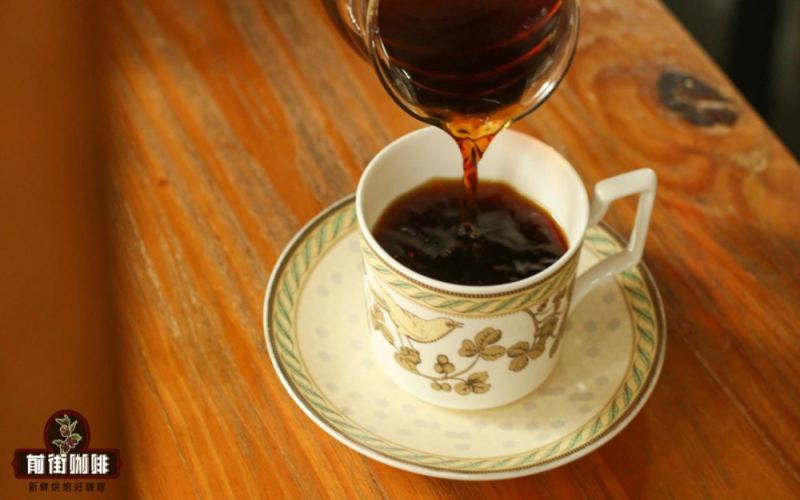
From Coffee Cherry to Cup: A Comprehensive Guide to Coffee Bean Processing Methods, Extraction Techniques, and Instant Coffee Production
Coffee processing encompasses three levels: the processing methods that extract coffee beans from coffee cherries, the brewing methods that extract coffee liquid from coffee beans, and the industrial processes that turn coffee liquid into instant coffee powder. Traditional processing methods include three types—washed, natural, and honey—each giving coffee beans a distinctly different flavor profile. Extraction methods fall into three mainstream categories: drip, pressure, and cold brew, corresponding to pour-over coffee, espresso, and cold brew coffee, respectively. As for instant coffee, regular instant and freeze-dried coffee also show clear differences in production techniques and flavor retention. This article will break down these processing stages one by one to help coffee enthusiasts build a complete knowledge framework from seed to cup. [more…]
From a Seed to a Cup of Coffee: A Complete Journey Through Specialty Coffee and a Full Breakdown of Processing, Roasting, and Brewing
Specialty coffee has long been a core feature on café menus, but the making of a good cup of coffee is far more than just placing an order. From the seed being planted to growing into a coffee tree, it must go through germination, growth, flowering, and fruiting, then harvesting, processing, sorting, grading, roasting, and brewing—a process that can span as long as three years. This article provides a complete overview of every step of coffee from seed to cup, introduces the characteristics and flavor differences of the three major processing methods—natural, washed, and honey—and explains the key points of coffee bean grading, defect sorting, and roasting and extraction, taking you truly into the world of specialty coffee. [more…]
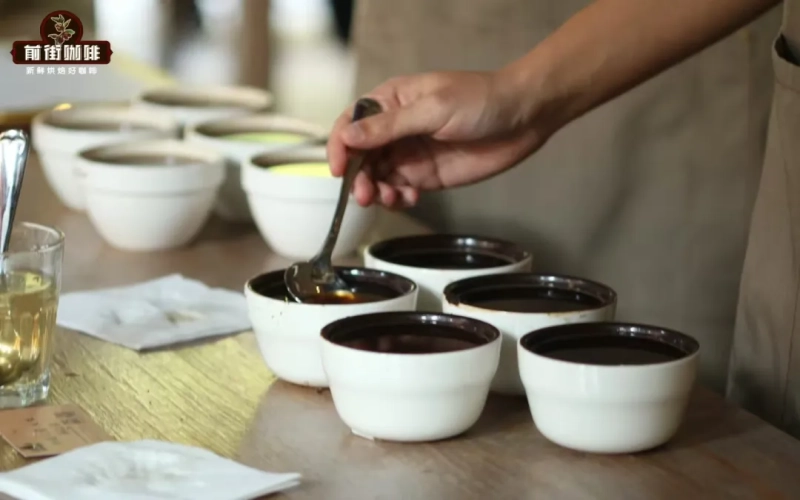
The Standardized Process and Key Operational Points of Coffee Cupping: A Complete Analysis from Equipment Preparation to Evaluation Purposes
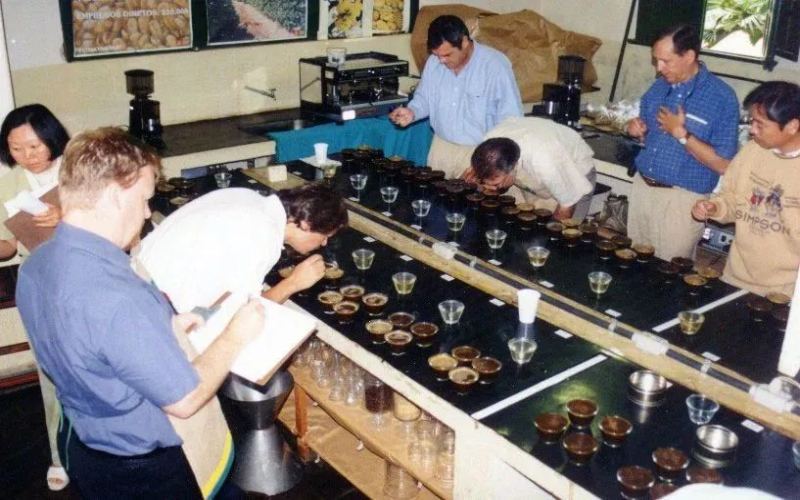
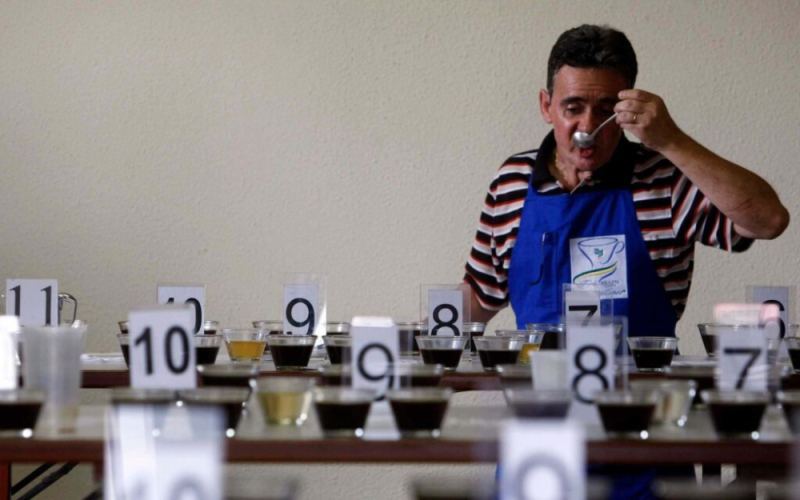
Cupping was originally created simply as a way to quickly judge the quality of a commodity, but later people discovered that it is less influenced by human factors and can evaluate a coffee fairly objectively. Today, cupping is no longer limited to green bean traders and roasters; everyone from upstream to downstream in the industry uses it to check coffee bean quality, and even world-class coffee competitions include dedicated cupping events. Recently, Front Street Coffee has had quite a few friends come into the shop asking about cupping methods, wanting to hold a cupping session at home or in their own shop. So Front Street Coffee will explain in detail the equipment needed for cupping, the specific process, and points to note, so that everyone can try it themselves and experience the difference between cupping flavors and everyday brewing. [more…]
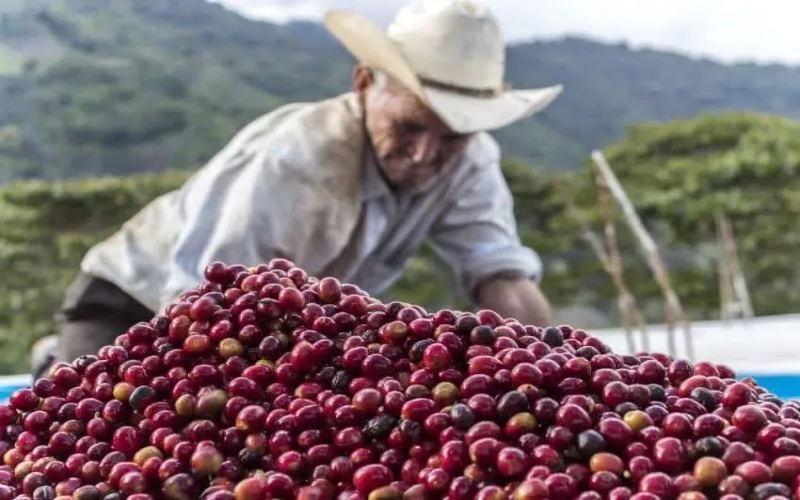
Flavor Analysis of Honduras San Vicente Mill Pacas Coffee Beans and V60 Brewing Parameters Guide
The Copán region of Honduras is renowned for its chocolate-toned profile blended with honey-caramel sweetness, and the San Vicente processing plant is a frequent winner at the Cup of Excellence. The Pacas coffee beans cupped by Front Street Coffee this time come from smallholder Edgardo Tinoco near the San Vicente processing plant; after washed processing, they present a rich layering of black cherry, dark chocolate cake, almond and caramel. This article will sort through information on the Honduran growing region, the background of the San Vicente processing plant, the characteristics of the Pacas variety and the washed processing flow, and share Front Street's roasting records, cupping reports and V60 staged pouring insights, helping coffee lovers fully understand this bean's flavor thread and brewing key points from origin to cup. [more…]
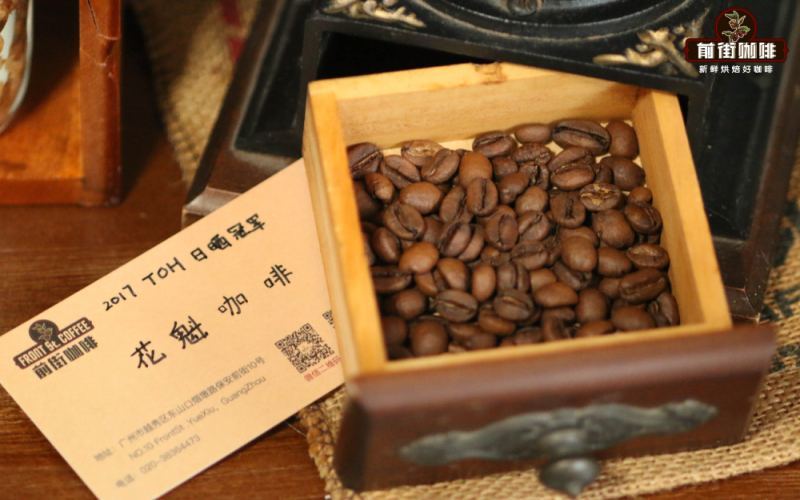
Ethiopia Sidamo Huakui Coffee Bean Origin Flavor Analysis and Australian White SOE Preparation Method
Sidamo Huakui is one of the most recognizable coffees among Ethiopian heirloom varieties, known for its bold aroma and high sweetness, and it once took first place in the natural group cupping of the 2017 harvest. It uses only fully red cherries and adopts slow drying on African raised beds with long low-temperature fermentation. In its wet aroma, winey and floral notes intertwine, and as a pour-over it tastes like a cup of strawberry fruit tea. This article will outline Huakui's origin background, grading standards, and the differences between washed and natural processing, and share how Front Street Coffee uses Huakui 8.0 to make an SOE flat white with a small cup volume, thin milk foam, and a ristretto base, taking you from the source to the cup for a complete understanding of this bean. [more…]
Ethiopia Sidamo: The Differences Between Natural and Washed Processing and a Complete Guide to Making Huakui SOE Flat White
The Sidamo region is known for its bright citrus acidity and full body, while Huakui, as a star among natural beans, has repeatedly earned high cupping scores thanks to its intense strawberry wine aroma. So what exactly are the differences between natural and washed processing? And what are the history and grading system of Sidamo like? Starting from the region's story, green bean grading, and a comparison of processing methods, this article will analyze in detail the flavor performance of Huakui 8.0 and share Front Street Coffee's complete workflow and parameters for making an SOE Australian White, giving you a comprehensive understanding of the unique charm of this Ethiopian heirloom variety. [more…]
Front Street Yirgacheffe Natural vs. Washed Flavor Comparison: A Detailed Guide to Aricha G1 and Blue Nile G1 Cup Profiles, Varieties, and Processing Methods
Yirgacheffe is one of Ethiopia's most representative specialty coffee regions, and the two processing methods—natural and washed—give the coffee beans entirely different flavor profiles. Front Street Natural Yirgacheffe Aricha G1 is known for its lively citrus-lemon acidity, apricot blossom and nut aromas, and honey-brown sugar sweetness, with a sweet-and-tart fruity tea finish; while Front Street Blue Nile G1 is washed, presenting a clean, lifted jasmine aroma and citrus acidity. This article will compare these two Yirgacheffes in detail from the perspectives of variety, processing method, and taste characteristics, and share the story behind the high Coffee Review cupping score, helping coffee lovers gain a deeper understanding of the stylistic differences between natural and washed coffees. [more…]

From a Seed to a Cup of Coffee: A Complete Analysis of the Coffee Bean Life Cycle and Processing Techniques
Have you ever been like Front Street Coffee, filled with curiosity about the story behind the cup of coffee you drink every day? From the seed first planted to the final rich aroma in the cup, a coffee bean must go through multiple stages: cultivation, picking, post-processing, transportation, roasting, grinding, and extraction. The Arabica coffee tree has strict requirements for its growing environment—temperature, rainfall, altitude, and soil are all indispensable. After picking, the coffee cherries must also undergo processing such as sun-drying before they become green beans, and then through roasting they develop their captivating flavors. This article will take you through the complete journey of a coffee bean from the field to the cup, helping you understand how each step affects the final flavor. [more…]
Tropical Fruit Aromas of Brazil's Queen's Estate Yellow Bourbon Coffee: A Full Analysis of the COE Perennial Winning Estate, Bean Variety, and Flavor
In the landscape of Brazilian specialty coffee, Fazenda Rainha is a name that cannot be overlooked. Situated in the Mogiana region of São Paulo State at elevations of 1,400 to 1,950 meters, this estate has repeatedly won accolades in the Cup of Excellence (COE) competition thanks to its hand-picked Yellow Bourbon varietal and pulped natural processing method. Its coffee beans are renowned for being clean and sweet, with bright yet well-balanced acidity, and some lots even display alluring tropical fruit aromas. This article provides a comprehensive overview of Fazenda Rainha's origin background, varietal characteristics, processing techniques, and award records, along with green bean analysis, roasting recommendations, cupping performance, and pour-over parameters, taking you deep into this quintessential representative of Brazilian specialty coffee. Front Street Coffee will also share related brewing recipes and iced coffee preparation ideas in this article. [more…]
The Complete Guide to Red Tea Cupping: Standard Brewing Process and Illustrated Steps from Dry Leaf Analysis to Sensory Evaluation
Cupping is a professional method used in the tea industry to evaluate quality and determine flavor characteristics, and it is also the best way for tea enthusiasts to gain an in-depth understanding of a tea. This article will break down the correct process and key details of black tea cupping step by step, from dry leaf analysis and infusion to sensory evaluation. Whether you are a cafe operator or a seasoned tea lover, mastering this method will help you judge tea quality more accurately and compare the flavor differences brought by different origins and processing methods. The article also draws on Front Street Coffee's quality control experience to share key points for controlling water temperature, time, and tea-to-water ratio, and includes a full-process illustrated guide to help you get started quickly. [more…]
Analyzing Brazilian Coffee Bean Costs and Prices, Featuring Front Street Queen's Estate Yellow Bourbon Specialty Single-Origin
Brazil, as the world's largest coffee producer, has long been a focus of attention for enthusiasts when it comes to the cost and price of its coffee beans. This article starts with the cost structure of Brazilian coffee and then recommends a highly cost-effective specialty single-origin coffee — Front Street Brazil Queen's Farm Natural Yellow Bourbon. This estate belongs to the renowned Carvalho Dias family and has won numerous COE Cup of Excellence awards. The article provides a detailed introduction to the estate's background, cultivation and processing methods, green bean analysis, roasting curve, cupping flavors, and pour-over parameters, along with suggestions for making iced coffee. Front Street's own-roasted Brazilian coffee beans sell for only 45 yuan for a 227-gram box, with a cost of about 3 yuan per cup — combining quality and value, and suitable for everyday drinking. [more…]
Ethiopian Yirgacheffe G1 vs G2 Grading Differences: A Full Analysis of Washed and Natural Processing, Regions, and Estates
Yirgacheffe, as Ethiopia's most representative coffee region, has long been favored by coffee enthusiasts for the floral and fruity flavors produced by its washed and natural processing methods. But do you know how the G1 and G2 grades are actually divided? And what substantial differences exist between them? This article will systematically sort out Ethiopia's coffee bean grading system, tracing the evolution from CLU to ECX, explaining in detail the scoring standards for washed and natural processing methods in terms of physical characteristics and cup quality, and through an actual cupping comparison of Front Street Coffee's Yirgacheffe G1 and G2, reveal the specific differences between the two in terms of cleanliness, aroma complexity, and defect rate, helping you make a clearer judgment when purchasing. [more…]

Costa Rica Don Mayo Estate Geisha Flavor Analysis: A Complete Guide from Cup of Excellence Champion to Honey Processing
Don Mayo Estate is located in the Tarrazú region of Costa Rica and has been managed by the Bonilla family since 1994. With its high-altitude terroir and meticulous management, it has won numerous awards in Cup of Excellence competitions. The estate comprises fourteen plots, cultivating varieties such as Geisha and Catuai, and is renowned for its honey processing. This article reviews the estate's development history, plot characteristics, and award-winning journey, and combines two beans sourced by Front Street Coffee—Cedar Plot Red Honey Geisha and Vista Plot Black Honey Catuai—to present their flavor profiles and processing details for coffee enthusiasts' reference. [more…]
A Comprehensive Analysis of Ethiopian Coffee Region Flavors: An In-Depth Look at the Winning Bean Varieties and Processing Methods of the First COE Cup of Excellence
In 2020, Ethiopia held its first-ever Cup of Excellence (COE) competition in history, where 28 coffees scoring above 87 points stood out, with 3 of them even surpassing the 90-point mark, all from the Sidama region. Front Street Coffee successfully bid on a natural Typica ranked 22nd, from the West Arsi area. This article will guide you through the details of this year's COE winners, Ethiopia's coffee variety naming system, the pros and cons of traditional natural processing, as well as Front Street Coffee's roasting curve, cupping performance, and brewing suggestions for this auction lot, presenting a complete flavor guide to Ethiopia's coffee-producing regions for coffee enthusiasts. [more…]
Flavor Analysis of Panama Elida Estate Coffee Beans: Varieties, Processing Methods, and Cupping Comparison in the Boquete Region
The Boquete region of Panama has always been the golden zone for specialty coffee. Today, Front Street Coffee focuses on Elida Estate to show you what makes coffee nurtured by this high-altitude volcanic soil so unique. The article begins with the terroir conditions of the Boquete region, then traces Elida Estate's cultivation history, varietal composition, and processing methods, and combines Front Street Coffee's cupping experience to describe in detail its dry aroma, wet aroma, and overall flavor trajectory. At the same time, Front Street Coffee also compares Elida Estate with Hartmann Estate and Hacienda La Esmeralda's Diamond Mountain series, helping you more clearly understand how different processing methods and regions shape coffee flavor. [more…]

What stages affect coffee cleanliness? Looking at the history of Brazilian coffee harvesting and processing through COE cupping protocols
Cleanliness is an important dimension in judging coffee quality. It reflects whether a cup of coffee carries negative flavors such as earthiness, hay, or woodiness, or unpleasant sensations like astringency and dryness. From harvesting and processing to roasting and brewing, every stage can influence the level of cleanliness. This article starts with the emphasis COE cupping places on cleanliness, traces the historical problems Brazil—the world's largest coffee-producing country—has faced due to machine harvesting and rough sun-drying, and then extends to the impact of the roasting and brewing stages on cleanliness, helping coffee lovers systematically understand the industry chain logic behind a clean cup of coffee, while also retaining relevant recommendations for the Front Street brand. [more…]