







A Practical Guide to Coffee Cupping at Home or in the Shop
Cupping began as a quick way to judge commercial coffee quality. Over time, people found it less prone to human bias, allowing a fairer, more objective evaluation. Today, it is used across the coffee industry, from traders to roasters, and even in well-regarded competitions. Recently, many friends visited Front Street Coffee asking about cupping methods, hoping to host sessions at home or in their shop. This guide explains the equipment, process, and key points so you can try it yourself and compare cupping flavors with everyday brewing.
For cupping, you will need a few basic items. Professional cupping bowls and spoons make the process smoother if you plan to cup regularly, but any container and an ordinary spoon work for a simple trial. The standard dose is 11g to 12g of coffee, with a coffee-to-water ratio of 1:18.18. Grind size should be 75% passing a No. 20 sieve. Use water at 94°C with TDS between 75 and 250ppm. Steeping time is 4 minutes.
Cupping was originally created as a method to quickly judge commercial quality, but later people discovered that it is less susceptible to human interference and can evaluate a coffee fairly objectively. Today, cupping is no longer limited to green coffee traders and roasters; everyone from upstream to downstream in the industry uses it to inspect coffee bean quality, and even world-class coffee competitions include dedicated cupping events. Recently, Front Street Coffee has had quite a few friends visit the shop asking about cupping methods, wanting to host a cupping session at home or in their shop. Therefore, Front Street Coffee will explain in detail the equipment needed for cupping, the specific process, and the points to note, so everyone can try it themselves and experience the difference between cupping flavors and everyday brewing.
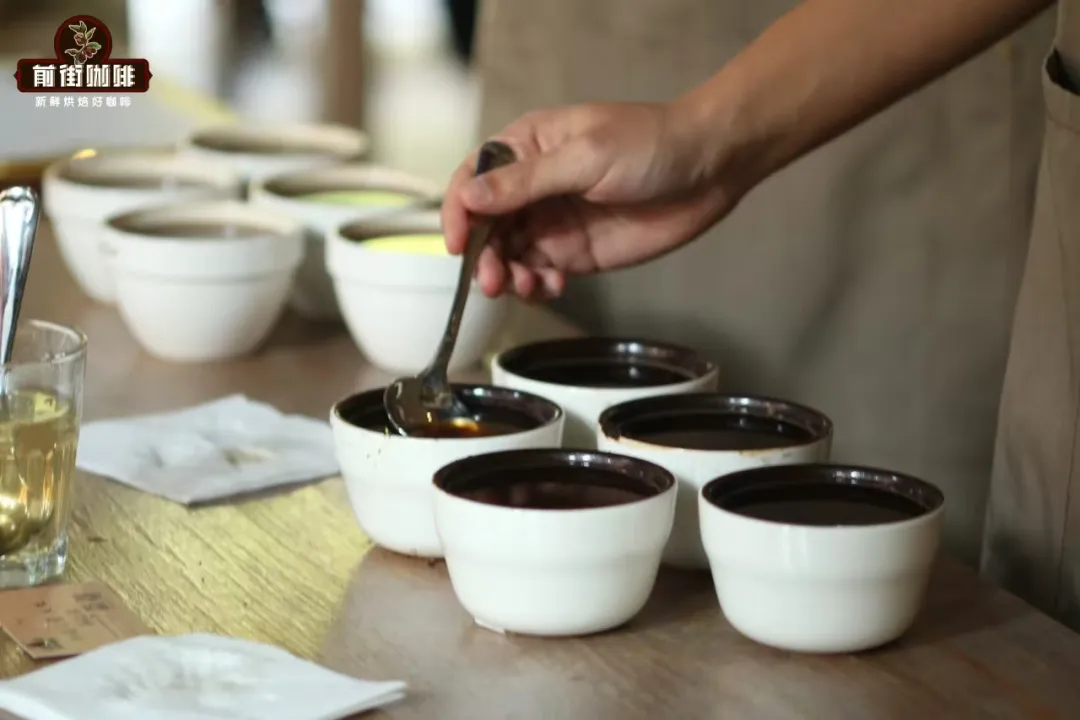
Cupping was first invented simply to quickly determine whether commercial quality was good or bad. However, as the industry continued to develop, people gradually discovered that this method is subject to the least subjective interference and can evaluate a coffee fairly objectively. As a result, the scope of cupping gradually expanded, and it was no longer an exclusive tool of green coffee traders and roasters. Whether upstream or downstream in the coffee industry, cupping is used to inspect coffee bean quality. Some world-class coffee competitions even have dedicated contests centered on cupping.
Why has Front Street Coffee suddenly brought up this topic? Because recently quite a few friends have come to the shop asking about Front Street Coffee's cupping method; they also want to organize a cupping session at home or in their shop and try evaluating coffee. So today, Front Street Coffee will share in detail the cupping process and the points to note. When you have time, you can also try it yourself and feel how the coffee tastes during cupping compared with what you usually brew.
Equipment needed for cupping
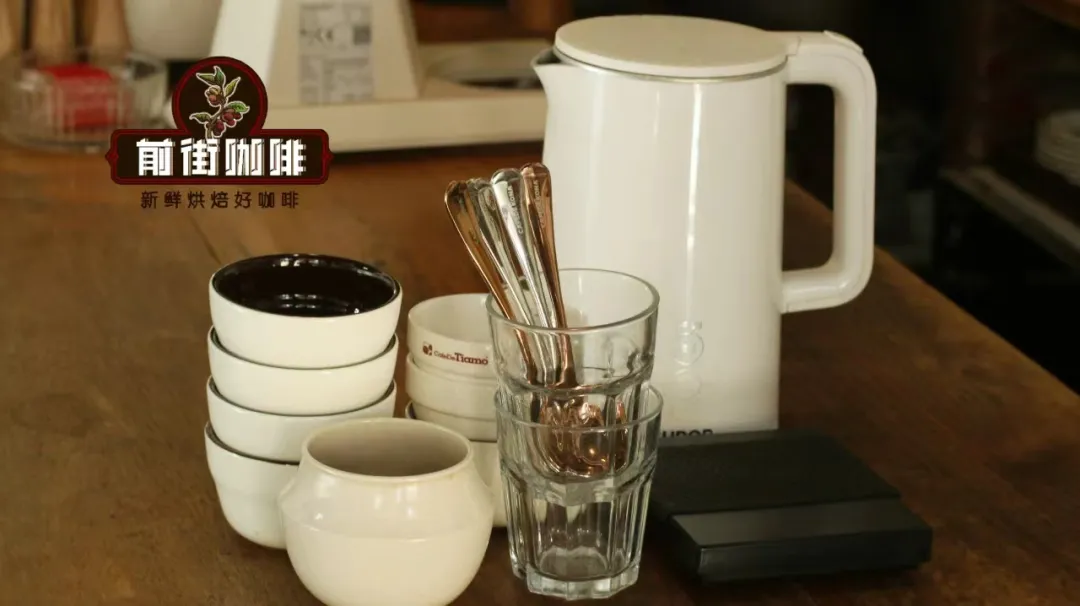
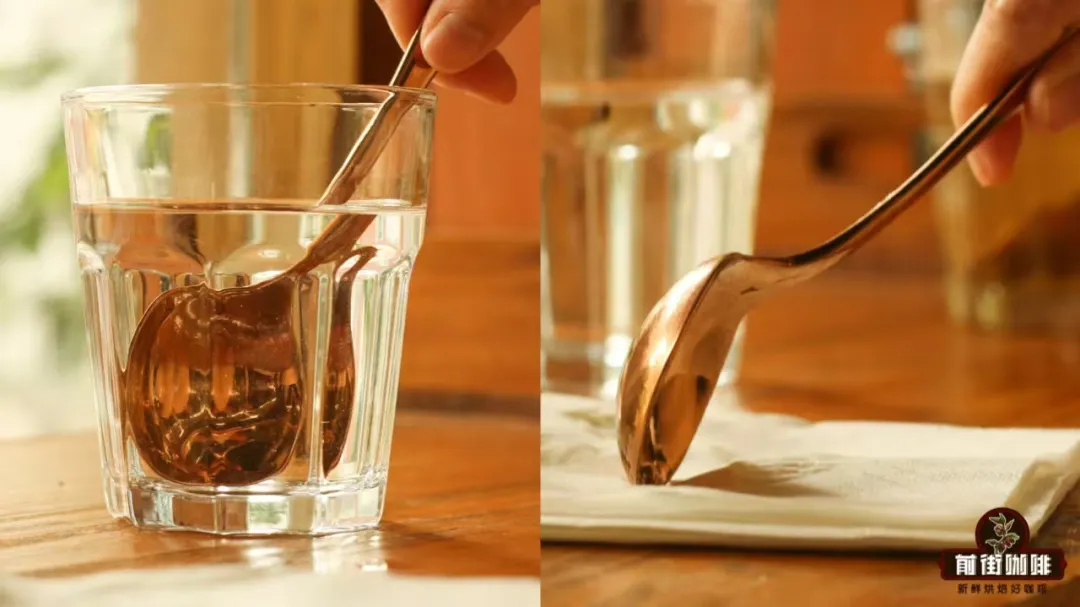
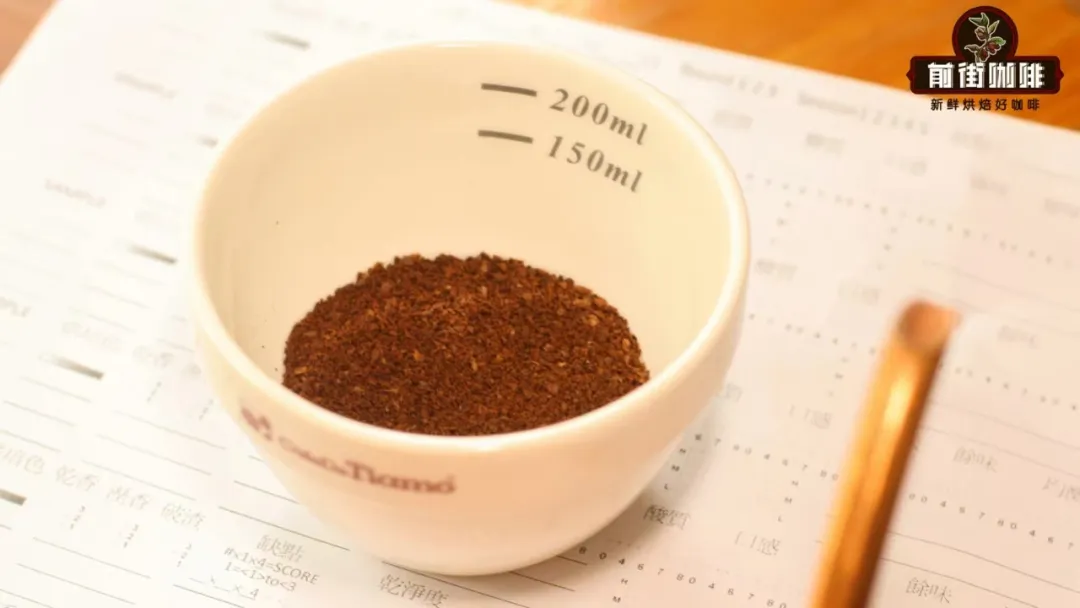
Front Street Coffee will first talk about the equipment needed for cupping. If you plan to hold cupping sessions regularly or multiple times, you can consider buying professional cupping bowls and cupping spoons, which will make the cupping process more convenient. If you just want a simple experience, then any container and an ordinary spoon will do.

Dose used: generally 11g~12g
Coffee-to-water ratio: 1:18.18
Grind size: 75% passing rate on a No. 20 sieve
Water temperature used: 94°C
Water quality used: TDS 75~250ppm
Steeping time: 4 minutes
The above content is compiled by CoffeeHunters, a coffee news website.


