








How Do Coffee Seeds Become Green Coffee Beans?
A coffee bean starts as a seed inside the coffee cherry. Growers raise seedlings from selected coffee seeds, transplant them, and wait roughly two to three years for the tree to flower and bear fruit, with a productive lifespan of about 15 to 20 years. Ripe cherries are then harvested and processed, usually by sun-drying, into green coffee beans for export.
Arabica is demanding: it grows well at 20 to 28°C, needs 1,500 to 2,000 mm of annual rainfall timed to flowering, and is planted at 800 to 2,000 meters with fertile, well-drained soil and indirect sunlight. After processing and transport, roasting, grinding and extraction shape the final flavor of the cup.
Have you ever, like Front Street, been curious about the story behind the cup of coffee you drink every day? From the seed first planted to the final rich aroma in the cup, a coffee bean must go through multiple stages: cultivation, harvesting, post-processing, transportation, roasting, grinding, and extraction. The Arabica coffee tree has strict requirements for its growing environment—temperature, rainfall, altitude, and soil are all indispensable. After harvesting, the coffee cherries must undergo processing such as sun-drying before they become green beans, and then roasting brings out their captivating flavors. This article will take you through the complete journey of a coffee bean from the field to the cup, and explain how each step affects the final flavor.

I wonder if you, like Front Street, have ever had questions about the coffee in your cup—where exactly does it come from? Today, Front Street will give you a brief overview of the complete journey of a coffee bean from raw to roasted, from field to cup.
Coffee Cultivation
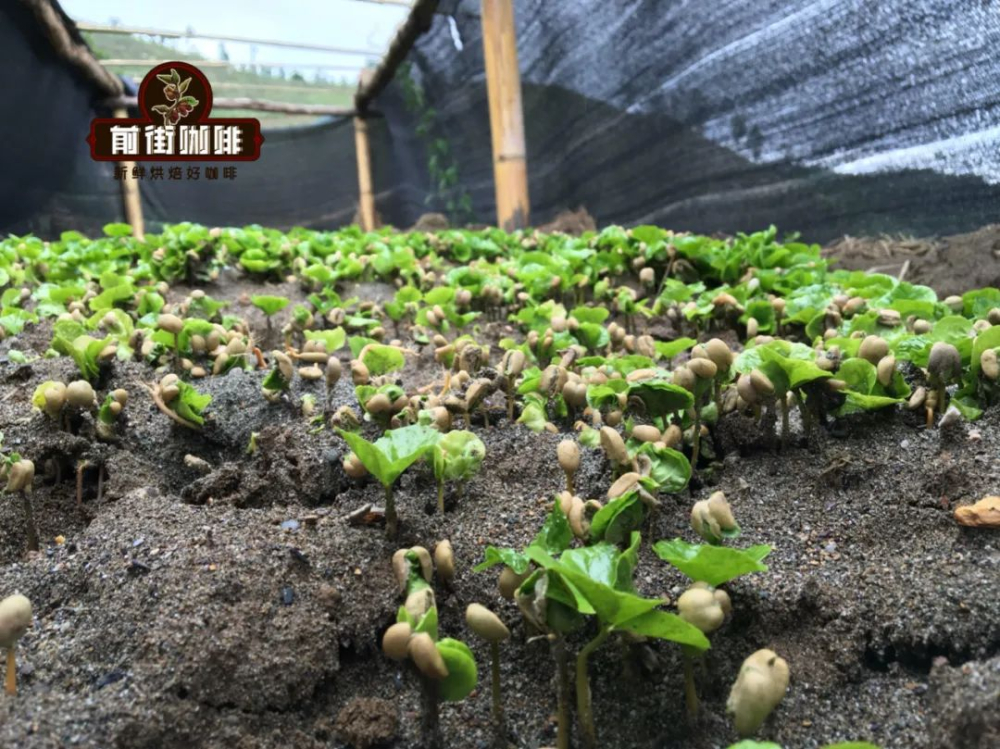
The coffee beans we see every day are actually the seeds inside the coffee cherry fruit. To obtain coffee beans, the first step is naturally selecting seeds, raising seedlings, and planting coffee trees.
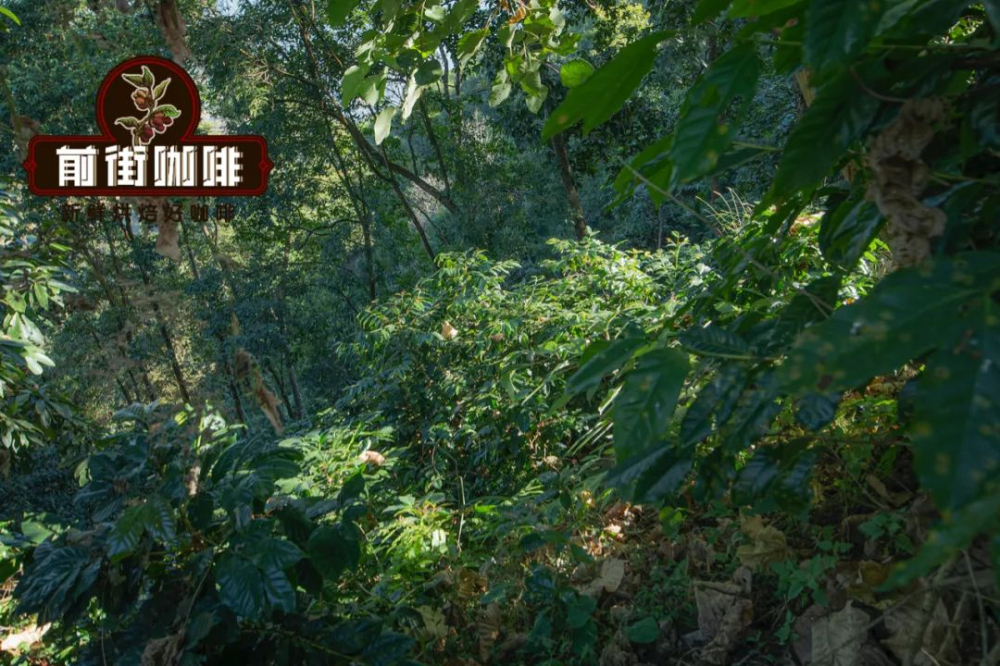
Taking the cultivation conditions of the Arabica variety as an example, the suitable growing temperature range is 20–28°C, annual rainfall needs to reach 1500–2000 mm, and the rainy season must coincide with the coffee tree's flowering period. The planting altitude ranges between 800–2000 meters. In addition, fertile soil, good drainage, and ample but indirect sunlight must all be satisfied simultaneously—only then can top-quality coffee be harvested.

After selecting a suitable planting site, the coffee seeds must first be raised as seedlings and germinated before being formally transplanted into the field. This series of operations may seem simple, but in reality requires a great deal of care and management. Typically, a coffee tree takes 2–3 years to flower and bear fruit, and a tree's fruit-bearing lifespan is about 15 to 20 years. When a coffee tree's productivity is exhausted, the above process must be repeated to replant.
Harvesting the Fruit
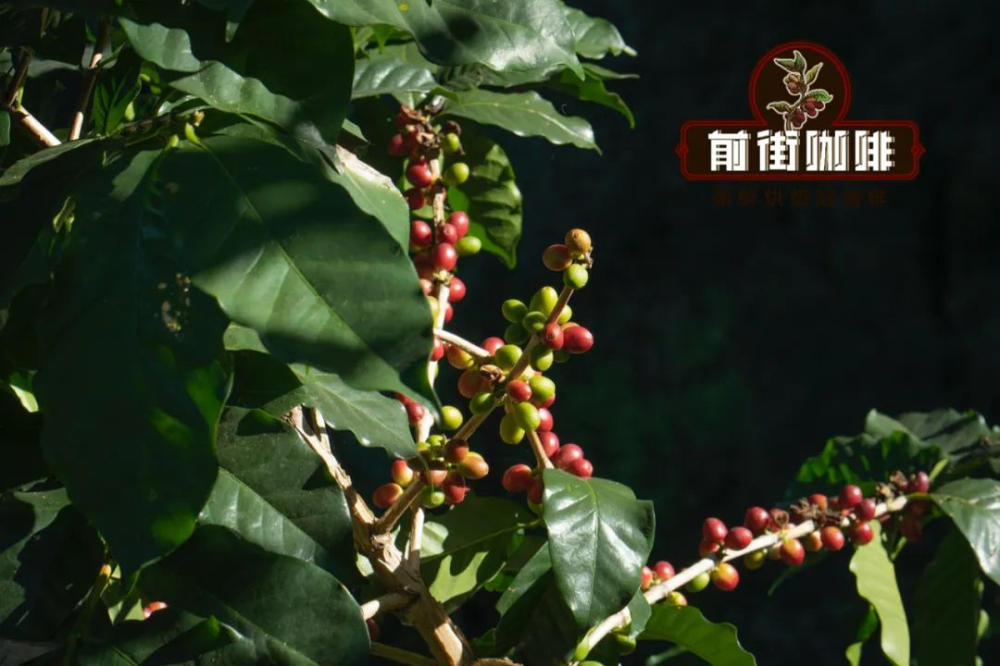
After the coffee tree flowers and bears fruit, the fruit changes with maturity, gradually turning from green to bright red or dark red when ripe. At this point, the ripe coffee cherries need to be picked from the branches. Depending on differences in planting conditions and practical circumstances, harvesting methods vary and can be broadly categorized into manual picking and machine harvesting.
Manual Picking
There are usually two approaches to manual harvesting. First, workers walk back and forth through the coffee plantation, selecting only the ripest fruit to pick—what is commonly called "all-red cherries." This method is time-consuming and labor-intensive with high labor costs, but it ensures the quality of the coffee fruit to the greatest extent possible.
Second, from branches laden with fruit, workers use their hands to strip the cherries from one end of the branch to the other in one go. Although this method is more efficient than the previous one, it inevitably mixes in some unripe fruit, which needs to be sorted out later.
Machine Harvesting
Machine harvesting also comes in two different forms. One is a smaller handheld device, shaped like a long pole with two large vibrators at the front. By shaking the fruiting branches, it causes the coffee cherries to fall into canvas bags laid out underneath in advance.
The other is a fully mechanized stripping machine. Workers drive vehicles through the farm, using the rotating rods and vibrating rods on the vehicle to shake the cherries loose, then transporting the fruit through a conveyor system made of trays and pipes into another specialized storage compartment vehicle. This harvesting method has high requirements for coffee plantation scale and terrain, making it more suitable for large flatland areas. Large coffee estates in Brazil commonly use this method.
Post-Processing
After coffee cherries are harvested, they must undergo a series of steps before becoming what we call green coffee beans. So-called processing means removing the outer skin, pulp, parchment layer, silverskin, and other parts of the coffee cherry to ultimately obtain green coffee beans. This entire set of procedures is known in the industry as green coffee bean primary processing—in plain terms, it refers to the processing methods for green beans.
Taking the most traditional sun-dried processing method as an example: as the name suggests, the sun-dried method involves spreading coffee cherries directly on the ground or on raised drying beds to be exposed to sunlight, with a spreading thickness generally not exceeding 2–3 centimeters. During this period, they need to be constantly turned to ensure even drying.
After drying is complete, the fruit is sent to a processing facility to remove the skin and pulp, but the parchment layer—which has dried and hardened—is usually retained until the green coffee beans are ready to be sold and shipped, at which point the hulling process is carried out.
Packaging and Transportation
After drying and processing, the green coffee beans are first graded, then packed into coffee burlap bags. The burlap bags generally indicate detailed information about the green beans, such as country of origin, estate, processing method, grade, etc. They are then loaded into containers for sea export. Of course, some estates choose vacuum packaging and air freight for direct delivery—Panama's Hacienda La Esmeralda is one such example.
Roasting "Stir-Frying" to Completion
Before becoming the coffee beans we are familiar with, they must undergo the key step of roasting—the process of transforming green beans into roasted beans. During roasting, Maillard reactions and caramelization reactions occur. The organic acids and compounds in the green beans undergo degradation and polymerization, converting into delicious polysaccharides and volatile or water-soluble compounds. Roasted coffee emits complex aromas of nuts, chocolate, berries, and more, with the specific expression depending on the coffee bean's processing method and roast level.
Grinding into Powder
Coffee beans are oval-shaped and cannot be brewed directly like tea leaves. They must be ground into uniform powder so that water can evenly extract the coffee. Different extraction tools, brewing methods, and flavor requirements demand different degrees of coarseness for the coffee grounds.
For the Americano, latte, and other espresso-based coffees we drink daily, the beans need to be ground to a fineness close to flour. For pour-over and other drip-style coffees, the coffee grounds need to reach a particle size like coarse granulated sugar. (Note: Depending on different brewing needs, even with the same brewing tool and beans, the grind size will have subtle differences and needs to be adjusted flexibly according to specific circumstances.)
Extraction
Finally, we arrive at the last step before the coffee enters the cup and is tasted—extraction!
Including but not limited to high-temperature high-pressure extraction with espresso machines, pour-over drip extraction, long low-temperature extraction in the refrigerator, and so on. As for the myriad extraction methods, Front Street won't elaborate on each one. Ultimately, what matters most is that the extracted coffee tastes good—there's no need to be constrained by the choice of extraction tools.
Coffee cultivation—Mature harvesting—Post-processing—Packaging and transportation—Roasting "stir-frying" to completion—Grinding into powder—Extracting coffee.
The above is the general journey of obtaining a delicious cup of coffee, and also the "lifetime" that most coffee beans go through—wonderful and rich.
- END - Front Street Coffee
No. 10 Bao'an Qian Street, Yandun Road, Dongshankou, Yuexiu District, Guangzhou, Guangdong Province
The above content is compiled by CoffeeHunters, a coffee news website.


