







How Does Typica Coffee Differ From Ethiopian Heirloom Varieties?
Two Ethiopian competition coffees sit at the center of this comparison: a naturally processed Typica that placed 22nd at the Cup of Excellence, and a washed heirloom variety that won the washed category at the East Africa Taste of Harvest competition. The two differ in region, variety, green bean processing, roast profile, cupping scores and brewing approach, so flavor direction shifts with each choice.
The Typica lot comes from Sidamo Arsi, while the heirloom is grown in Uraga. Natural processing tends to push fruit and body forward, and washed processing tends to sharpen clarity and acidity. The COE auction system rewards high cupping scores across several rounds, and TOH is the main green coffee event for African producing countries each year.
Front Street Coffee recently launched two Ethiopian competition-grade coffee beans: a naturally processed Typica that ranked 22nd in the COE Cup of Excellence, and a heirloom variety that won the washed category of the TOH Cup of Excellence. This article systematically compares these two Front Street Ethiopian coffee beans across multiple dimensions, including competition background, growing region, coffee variety, green bean processing, roasting profile, cupping performance, and brewing recommendations. Readers can thereby learn about the differences between the COE and TOH competitions, the terroir characteristics of the Sidamo Arsi and Uraga regions, the varietal traits of Typica versus Ethiopian heirloom varieties, and the influence of natural and washed processing methods on flavor direction, providing a reference for daily purchasing and brewing.
Front Street Coffee recently released two Front Street Ethiopian competition-grade coffee beans: one is a naturally processed Typica coffee bean that ranked 22nd in the COE Cup of Excellence, and the other is a heirloom variety coffee bean that won the washed category of the TOH Cup of Excellence. In this article, Front Street Coffee will conduct a comparative analysis of these two Front Street Ethiopian coffee beans from multiple angles, including competition category, region, variety, green bean processing method, roasting, cupping, and brewing.
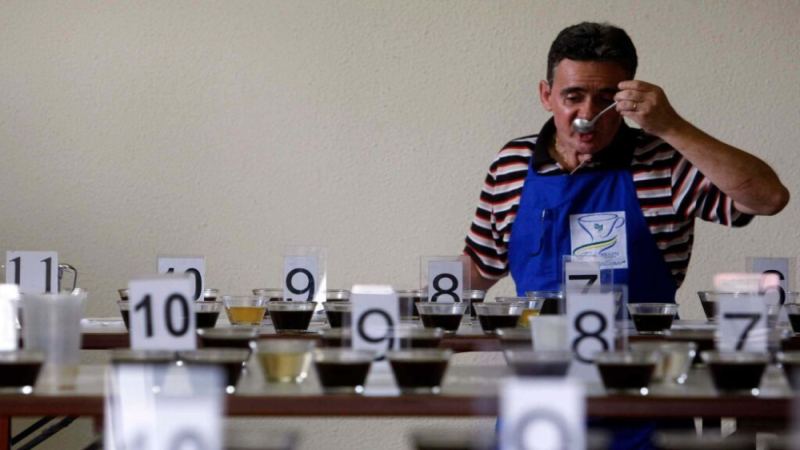
Differences Between the COE Cup of Excellence and the TOH Cup of Excellence
COE: C.O.E. stands for Cup Of Excellence, an international coffee cupping competition. C.O.E. judging carries extremely high prestige among top-tier coffee competitions, and those who stand out in its rigorous evaluation are the most outstanding coffees of that country for the year. Participants must consistently score high in each round of cupping to rank at the top, and only then can they earn the C.O.E. award designation. The coffees from winning estates are auctioned through a uniformly designated online auction, allowing global buyers to bid in an open and transparent environment. This approach rapidly spreads the reputation of excellent award-winning farms, and competition-lot coffees can also fetch better prices.
TOH: The TOH green bean competition is the most important green bean event in African coffee-growing countries each year, with the full name "East Africa Taste of Harvest competition" (TOH). This competition is similar to the Cup of Excellence (COE) in Central and South America. After its establishment, the TOH green bean competition became an arena for discovering the best coffees from 12 African producing countries, including Kenya, Ethiopia, Uganda, and Congo. In short, the COE cupping competition conducts cupping competitions for coffee beans from all countries around the world, while TOH conducts cupping competitions only for coffee beans from the African region.
Differences in Growing Regions
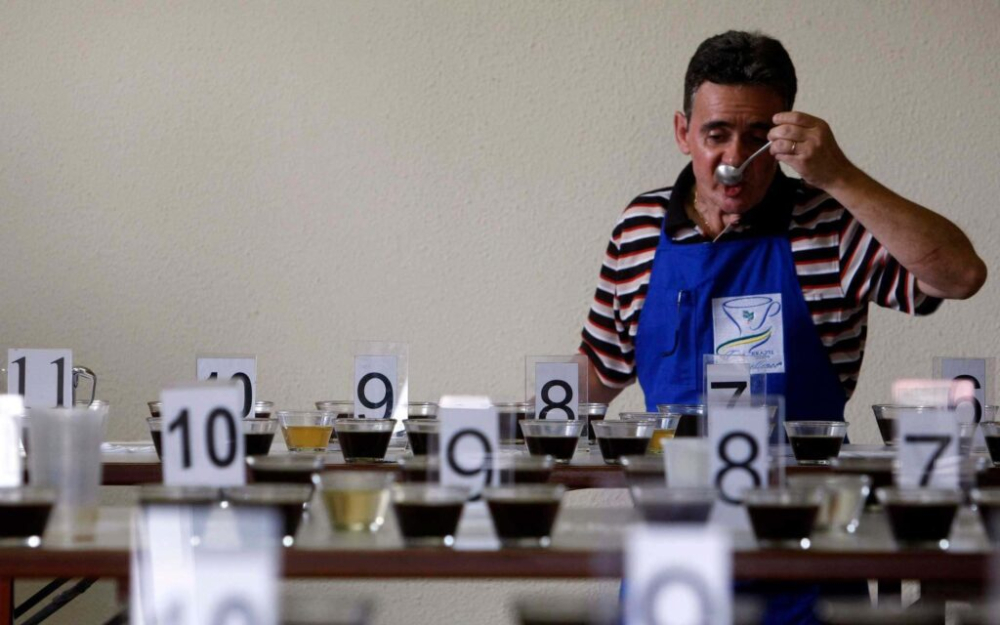
This Front Street Ethiopian COE#22 that Front Street Coffee obtained comes from the Sidamo Arsi region. Coffee cultivation in this region follows a smallholder model, with the average smallholder farm size being not large, about 2-3 hectares, but even so, it is slightly larger than the usual 1.5-2 hectares in most parts of Ethiopia. Although current coffee cultivation techniques are still in a development stage, compared with other regions, coffee cultivation techniques in the West Arsi region are developing very quickly. Coffee farmers do not need to hire temporary or full-time workers, but instead select coffee with the help of family members. This allows them to better control coffee quality, and processing stations usually pay extra for fully ripe red cherries, greatly increasing the enthusiasm of coffee farmers. Fully ripe coffee cherries naturally also have much higher sugar content. Through cupping, Front Street Coffee found that coffee beans from this region have somewhat higher sweetness than those from other regions.
The other bean Front Street Coffee obtained, Front Street Ethiopian TOH Washed Group #01, comes from the Uraga region. Uraga is a sub-region within the Guji region, with an altitude of up to 2300 m. Although Uraga town is located within the Guji region, geographically it is closer to the high mountain area of Yirgacheffe at an altitude of 2200 m. Before the Guji region became famous, most of the coffee beans processed by Uraga's processing plants were sold under the name Yirgacheffe.
After the Ethiopian Commodity Exchange (ECX) designated Guji as an independent region, the western highland area of Uraga either directly used village or cooperative names as production units and marked them on jute bags. The Uraga region has also won the TOH championship multiple times in recent years. Because the Uraga region is close to the Yirgacheffe region, Front Street found through cupping that coffee beans from Uraga have the citrus acidity and jasmine floral flavor characteristics of the Yirgacheffe region.

Differences in Coffee Variety
For the Front Street Ethiopian COE#22 natural coffee, the official variety information given is Typica. It is Ethiopia's oldest heirloom variety, and all Arabica derives from Typica. Typica has bronze-colored top leaves, and its beans are oval or slender-pointed; its flavor is elegant, but the plant is relatively weak, has poor disease resistance, and low fruit yield. Through cupping Typica from different origins, Front Street Coffee found that no matter where it is grown, Typica carries its distinctive serene, clean flavor, balanced characteristics, and mouthfeel to coffee-growing regions around the world.
For the Front Street TOH Washed Group #01 washed coffee, the official information given is Ethiopian heirloom variety. The Aricha coffee bean variety is heirloom, and most Ethiopian coffee varieties are named this way. In fact, this is because there are simply too many varieties; it is like Arabica's natural gene bank. On the one hand, there are so many varieties that identification and classification are difficult; on the other hand, out of conservation considerations, the Ethiopian government is unwilling and unable to disclose this variety information. This is also why Ethiopian coffee beans vary in size.
Differences in Green Bean Processing Methods
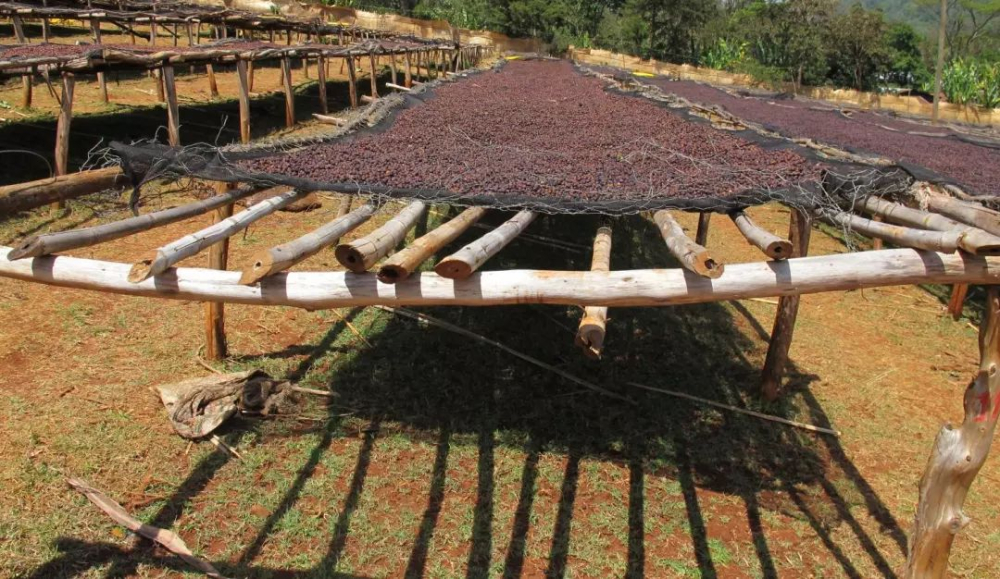
Front Street COE#22 Typica coffee uses the natural processing method. Unlike traditional natural processing, in order to ensure this coffee bean has sufficient stability, much more effort was spent on natural processing. Before the moisture content drops to 25%, it must be manually turned evenly by hand, and it needs to be turned once every 30 to 60 minutes to avoid unpleasant over-fermentation flavors, which also leads to higher labor costs for natural processing. In addition, due to weather risk factors, natural processing takes a longer number of days, and obtaining higher-quality naturally processed coffee beans requires more labor costs and resources. Judging from the scores of the naturally processed coffee beans in the top 28 of this COE event, good natural processing is indeed a processing method where risk and reward coexist. The natural processing method gives the coffee beans higher sweetness and a smoother mouthfeel.
Front Street TOH Washed Group #01 heirloom coffee uses the washed processing method. After the picked coffee cherries are carefully selected, they enter the washed processing stage. The screened coffee cherries are placed into a depulper to initially remove their skin and pulp; the green coffee beans with residual pulp and mucilage are placed in water to ferment for about 18-36 hours; after fermentation, the green coffee beans with parchment are placed in a flowing water channel to be washed, removing their pulp and mucilage; after washing, the coffee beans are dried in the sun or with a dryer to reduce the moisture content to about 12%. Finally, the parchment of the green coffee beans is removed. Through cupping, Front Street believes that the washed processing method highlights the brightness of the acidity of coffee beans from the Uraga region and the overall cleanliness of the coffee.
Front Street Coffee Roasting Records
Front Street COE#22 roasting record: Yangjia 800N semi-direct fire, roasting amount: 480 g. Charged at a drum temperature of 170°C, heat power 130, airflow opened to 3; turning point at 1'32", when the drum temperature was 100.2°C, heat power remained unchanged; at 3 minutes the airflow was adjusted to 4, at 4 minutes the heat power was increased to 140. When the drum temperature was 150.5°C, the bean surface turned yellow, the grassy smell completely disappeared, and it entered the dehydration stage. At 8'36", the bean surface showed ugly wrinkles and dark streaks, and the bread-like smell clearly turned into coffee aroma, which can be defined as the prelude to first crack. At this time, it is necessary to listen clearly to the sound of the first crack point. First crack began at 9'10", and after first crack it developed for 1 minute 30 seconds, dropping at 192.5°C.
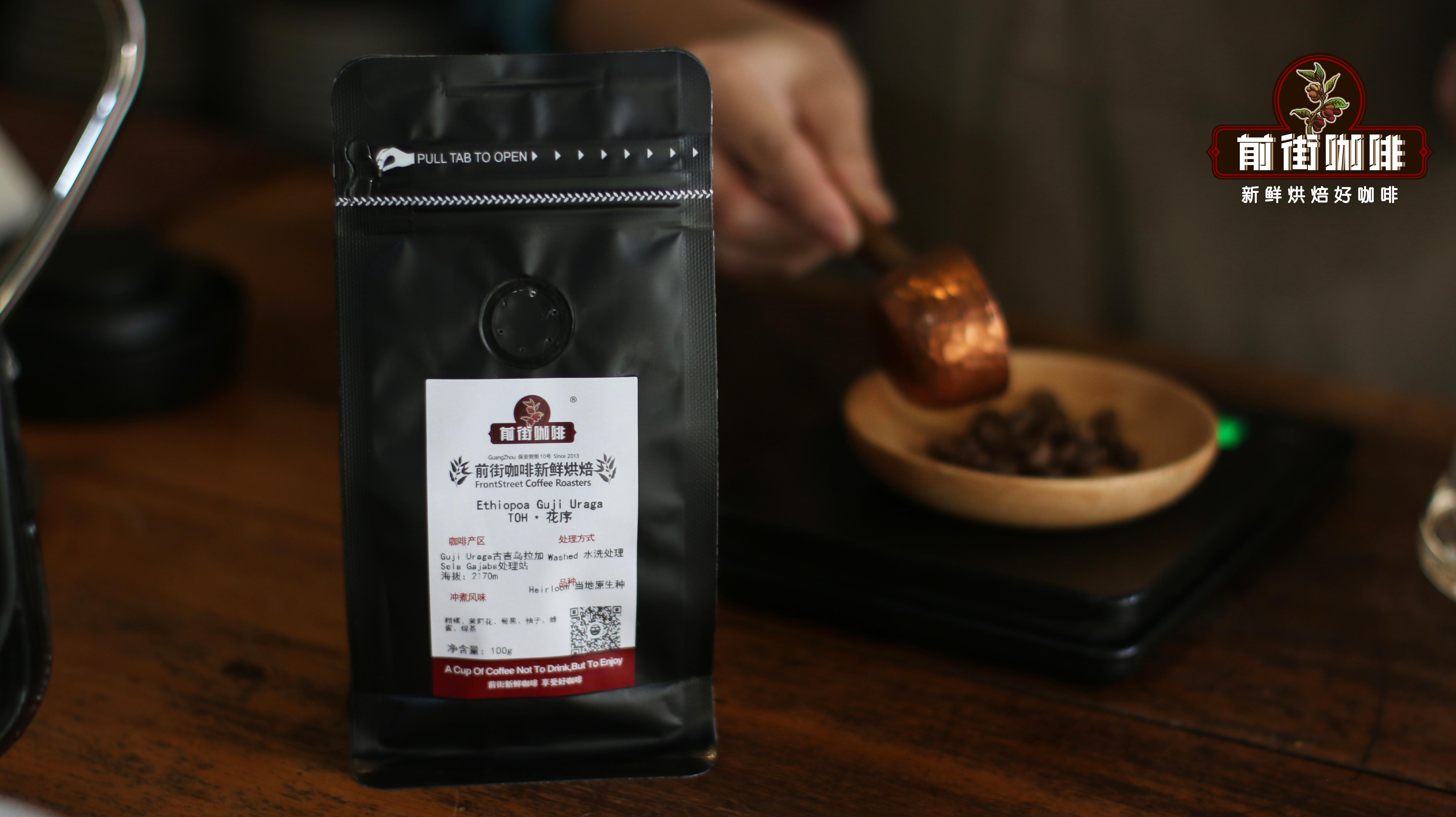
Front Street TOH Washed Group #01 roasting record: Yangjia 800N semi-direct fire, roasting amount: 300 g. Charged at a drum temperature of 180°C, heat power 130, airflow opened to 3; turning point at 1'36", when the drum temperature was 140°C the airflow was opened to 4, heat power remained unchanged; when the drum temperature was 151°C, the bean surface turned yellow, the grassy smell completely disappeared, and it entered the dehydration stage, and the heat power was lowered to 110. At 8'37", the bean surface showed ugly wrinkles and dark streaks, and the bread-like smell clearly turned into coffee aroma, which can be defined as the prelude to first crack. At this time, it is necessary to listen clearly to the sound of the first crack point. First crack began at 9'39", the airflow was not opened to 5, and after first crack it developed for 1'00", dropping at 193.2°C.
Front Street Coffee Cupping Report
Front Street Coffee conducts cupping within 8-24 hours after the coffee beans are roasted. The Front Street Coffee barista uses a 200 ml standard cupping bowl, with a grind size of 70%-75% passing through a No. 20 standard sieve, a coffee dose of 11.1 g, and a water temperature of 94°C. First grind for dry aroma, then pour water to fill the bowl. Confirm wet aroma, and after 4 minutes break the crust and skim, then conduct flavor tasting. From the cupping report, we can note that the flavor direction of Front Street COE#22 tends toward softness and smoothness, while the flavor direction of Front Street TOH#01 tends toward freshness and cleanliness.
Front Street Ethiopian COE#22 Cupping
Dry aroma: citrus
Wet aroma: citrus, camellia
Flavor: citrus, lychee, honey, cream, winey aroma, mango, strawberry
Front Street Ethiopian TOH Washed Group #01
Dry aroma: floral
Wet aroma: citrus
Flavor: jasmine, lemon, berry, pomelo, honey, green tea
Front Street Coffee Brewing Recommendations
Dripper: V60#01
Coffee dose: 15 g
Coffee-to-water ratio: 1:15
Water temperature: 91°C
Grind size: medium-fine grind (80% of grounds passing through a No. 20 sieve)
Front Street brewing method: first wet the filter paper and preheat the dripper and coffee pot. Use 30 g of water for a 30-second bloom, then pour in a small stream in circles until 125 g for a pour stage, and when the water level is about to expose the coffee bed, continue pouring until 225 g and stop pouring. When the water level is about to expose the coffee bed, remove the dripper. (Timing starts at the beginning of the bloom.) The extraction time is 2'02".
Front Street Ethiopian COE 22nd place natural Typica brewing flavor: the sweet-tartness of strawberry and lychee, fermented winey aroma, creamy smoothness, and a honey-like finish.
Front Street Ethiopian TOH Washed Group champion brewing flavor: citrus acidity, jasmine aroma, pomelo tea in the middle, and a honey finish.
Friends who like a refreshing mouthfeel can choose Front Street Ethiopian TOH Washed Group #01 coffee beans, while those who like coffee beans with a full body can choose Front Street Ethiopian COE#22 coffee beans.
The above content is compiled by CoffeeHunters, a coffee news website.


