







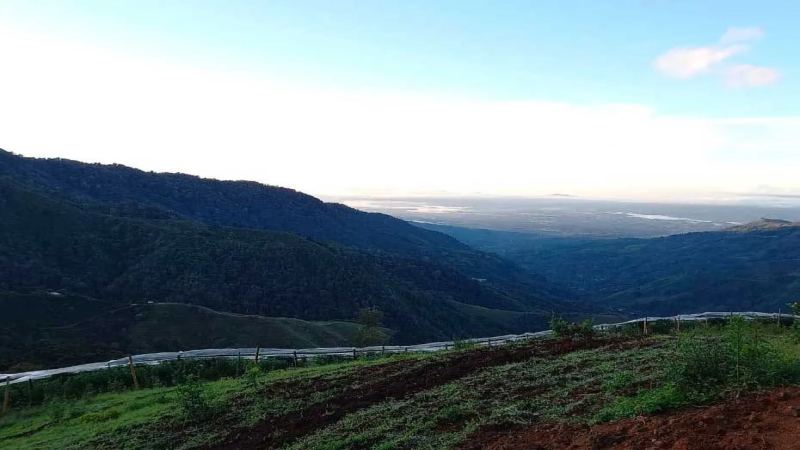
How does a coffee farm win Cup of Excellence honors?
Finca Don Mayo sits in Costa Rica's Tarrazú region and has been run by the Bonilla family since 1994, producing green coffee beans that have repeatedly placed in Cup of Excellence competitions. The estate holds fourteen plots planted with Geisha and Catuai, and it is known for honey processing. This review covers its development, plot traits, and award record.
The farm receives about 2,400 mm of rain per year at roughly 19°C, and its harvest lands in Costa Rica's dry season. Founder Héctor Bonilla Cruz led the Llano Bonito cooperative from 1992 to 1998 and brought fair trade ideas to the local market. Around 2005 the estate built its own processing plant and added drying beds; in 2011 it bought El Cedral at 1,850 meters.
Finca Don Mayo is located in the Tarrazú region of Costa Rica and has been managed by the Bonilla family since 1994. With its high-altitude terroir and meticulous management, it has repeatedly won honors in Cup of Excellence competitions. The estate has fourteen plots, growing varieties such as Geisha and Catuai, and is known for its honey processing. This article reviews the estate’s development, plot characteristics, and award history, and combines two beans sourced by Front Street Coffee—El Cedral Red Honey Geisha and Bella Vista Black Honey Catuai—to present their flavor performance and processing details for coffee lovers’ reference.
Finca Don Mayo is situated in Costa Rica’s most renowned Tarrazú region, specifically in the San Marcos administrative area of the capital, San José. Influenced by warm, humid Pacific air currents, the area receives 2,400 mm of annual rainfall and has an average temperature of about 19°C, which is very suitable for coffee tree growth. The harvest period falls precisely in Costa Rica’s dry season, and together with ideal altitude and temperature conditions, coffee farmers’ long-accumulated growing experience, and sufficient financial support, the coffee produced here performs outstandingly in both quality and yield.
Finca Don Mayo is a typical local family business, founded in 1994 by the Bonilla Family and continuously operated ever since, now spanning 30 years. The estate not only focuses on the production, harvesting, processing, and export of high-quality green coffee beans, but also long adheres to environmentally friendly cultivation methods and keeps innovating in management.
Founder Héctor Bonilla Cruz served as head of the Llano Bonito cooperative from 1992 to 1998, during which he brought the concept of fair trade to the local market and promoted the cooperative’s direct export of green coffee beans to Europe, North America, and other places.
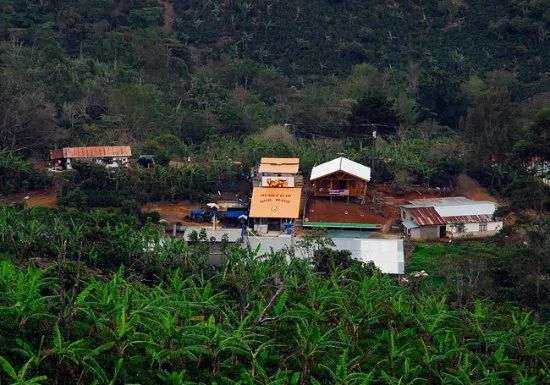
Around 2005, the estate’s demand for coffee processing continued to rise, and with international prices climbing, Bonilla began building a dedicated processing plant and added more drying beds and drying equipment to process coffee cherries from its various plots.
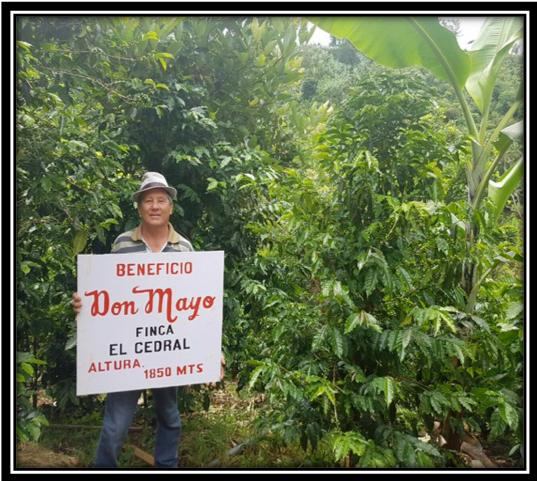
In 2011, the estate owner purchased El Cedral, a plot at an altitude of up to 1,850 meters, and thereafter devoted himself to specialty coffee on this land with superior terroir. The high altitude allows the farm to greet the morning sunlight first every day; ample light is beneficial for photosynthesis in the coffee trees, while mineral-rich volcanic soil supplies sufficient nutrients to the plants, enabling the coffee to develop a fuller flavor structure.
In terms of cultivation management, the Bonilla family’s meticulous operations are equally commendable. Since its founding, Finca Don Mayo has opened up fourteen independent plots distributed across three major areas, among which 5 plantations are located in Llano Bonito, San José Province (León Cortés Castro canton), 8 plots are in San Marcos, and another 1 is near Cerro Chirripó. Because of subtle differences in terroir conditions, each plot displays its own characteristics, and since 2008 it has continuously stood out in Costa Rica’s COE competitions.
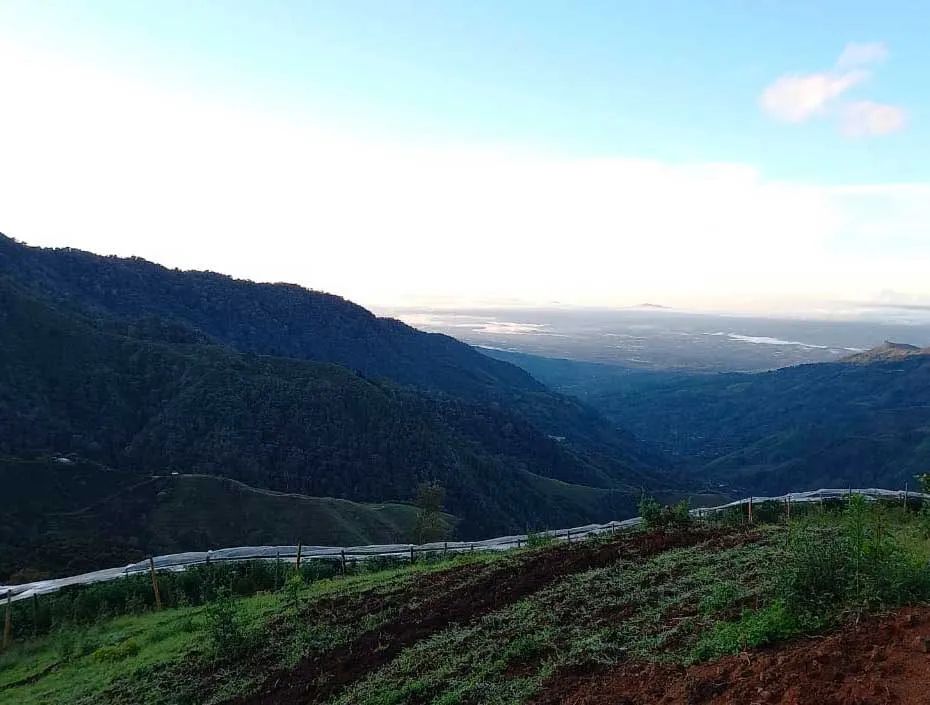
Bella Vista Farm once won the champion batch of the 2009 Costa Rica Cup of Excellence and has a 15-year cultivation history. As the name suggests, this place is inseparable from beautiful scenery. This plot is located at the estate’s highest altitude, and the coffee it produces has a distinct fruity sweetness; especially the honey-processed batches, whose aroma layers are complex and changeable, leaving a deep impression.
At present, the estate mainly grows varieties such as Caturra, Catuai, Bourbon, Geisha, and Villa Sarchi, and its processing methods include washed, honey, anaerobic processing, and natural, among others. To ensure the coffee trees in the garden remain in good nutritional condition, the estate conducts comprehensive analyses of leaves and planting soil every year in order to build a healthy ecosystem and ensure stable coffee bean quality.
Over the years, Finca Don Mayo has continued to participate in various top international coffee competitions and has won many top-ranking awards. In the Costa Rica Cup of Excellence (COE) green bean competition alone, since 2008 the estate has achieved more than thirty award records. With high-quality honey-processed Geisha, it won the championship twice, in 2009 and 2020, and respectively placed 12th, 27th, and 22nd in 2018, 2019, and 2022, making it truly a representative estate of Costa Rican specialty coffee.
To taste this deliciousness, Front Street Coffee took advantage of the harvest season to obtain two varieties from Finca Don Mayo, namely Geisha from El Cedral and Catuai from Bella Vista. Both lots of fresh fruit were processed using honey processing, which the Bonilla family excels at.
Costa Rica · Finca Don Mayo El Cedral Geisha Region: Costa Rica Tarrazú Estate: Finca Don Mayo El Cedral Altitude: 1,850 meters Variety: Geisha Processing Method: Red Honey
Flavor: dried mango, black plum, orange, oolong tea
Costa Rica · Finca Don Mayo Bella Vista Catuai
Region: Costa Rica Tarrazú
Estate: Finca Don Mayo Bella Vista
Altitude: 1,950 meters
Variety: Catuai
Processing Method: Black Honey
Flavor: dried prune, black plum, preserved plum, berries
For honey-processed coffee, the estate first sends the harvested fully red cherries to the processing station for depulping, then decides the degree of mucilage retention according to the target honey color. Black honey removes almost no mucilage, so its drying time is the longest; red honey retains 50–80% thickness, and the parchment beans need at least 12 days to dry completely. Afterward, the sticky parchment beans are placed in a greenhouse to rest for two days, during which they must be constantly turned so the coffee beans dry evenly. As the mucilage gradually dehydrates, the parchment layer becomes increasingly dark red, and the sugars penetrate the seeds more intensively, bringing richer fruity aromas.
Based on past roasting experience, Front Street Coffee also made slight adjustments to these two coffees at a medium-light level and immediately organized a全体员工 cupping tasting.
For the red honey-processed Geisha from El Cedral, Front Street Coffee can capture obvious dark berries from the dry aroma, accompanied by elegant tea-like floral notes, black plum, raisins, and a jam-like fermented scent. On the palate, it presents cranberry, cherry, and citrus flavors. As it moves into the medium-low temperature range, berry acidity and orange sweetness interweave. The overall mouthfeel is smooth and full, and after swallowing, a black tea aroma also emerges, which is very special.
For the other coffee, the black honey-processed Catuai from Bella Vista, the aroma leans more toward dried fruit notes, smelling like dried prune, raisins, and preserved plum. On the palate, it has the sweet-and-sour flavors of black plum, berries, grapes, and snow pear tea, dominated by dark sour fruits, with a round and solid mouthfeel.
The above content is compiled by CoffeeHunters, a coffee news website.


