







Search Results for: cup-returning motion
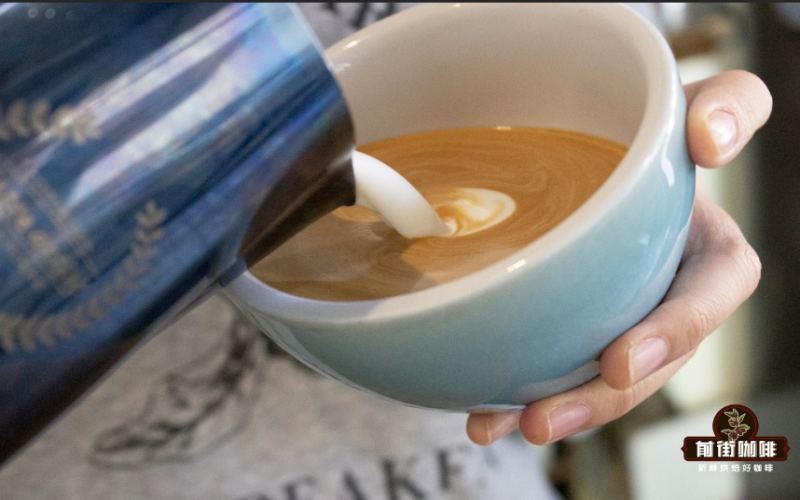
Coffee latte art patterns always off-center? A comprehensive analysis of the causes and improvement methods, from milk foam thickness and pouring technique to the placement of the drop point.
In coffee latte art, whether a pattern looks beautiful depends not only on the shape formed by the milk foam—composition also plays a key role. Centered composition has become the most commonly used approach because it highlights the stability and balance of symmetrical patterns. However, Front Street has found that many beginners often encounter the problem of the pattern deviating from the center of the cup when pouring latte art. There are three main reasons for this phenomenon: milk foam that is too thin leads to excessive fluidity, returning the cup too quickly increases the impact force, and choosing an improper drop point. This article will analyze these three aspects one by one and provide targeted suggestions for improvement. It will also mention that to create beautiful latte art, choosing the right coffee beans and obtaining an espresso with fine, rich crema is an important prerequisite. Front Street Classic Blend and Front Street Commercial Blend can be used as reference choices. [more…]
Latte Art Composition Techniques: Three Major Causes and Solutions for Off-Center Patterns
In coffee latte art, the beauty of a pattern depends not only on smooth lines but also on whether the composition is reasonable. Centered composition is the most common approach, as it highlights the sense of stability of symmetrical patterns. However, many beginners find that their latte art patterns always deviate from the center. Front Street Coffee points out that this is mainly caused by three reasons: milk foam that is too thin leading to excessive fluidity, pouring back into the cup too quickly increasing the impact force, and an incorrect drop point. This article will analyze the causes of and solutions to these problems one by one, while also emphasizing the importance of choosing suitable coffee beans, and recommending two products, Front Street Classic Blend and Commercial Blend, to help you create centered and beautiful latte art at home. [more…]

Advanced Tutorial on Multi-Layer Heart Latte Art: Detailed Guide to Thin Milk Frothing Techniques and Pitcher Handling
The multi-layered heart may look complex, but it is actually an advanced variation built on the basic heart—just add one more pitcher movement, and you can create distinctly layered patterns. However, it places higher demands on milk foam thickness, the amount of milk used for integration, and the skill level of your technique. In this article, Front Street Coffee breaks down the entire process of making a multi-layered heart in detail: from precise control of steaming milk foam to 6/10 full, to a comparative recommendation of two pitcher-holding postures, and then to the flow rate and cup-return rhythm in the actual pouring, helping you transition smoothly from the basic heart to the multi-layered heart and laying a solid foundation for subsequent complex patterns such as the wheat ear and swan. [more…]
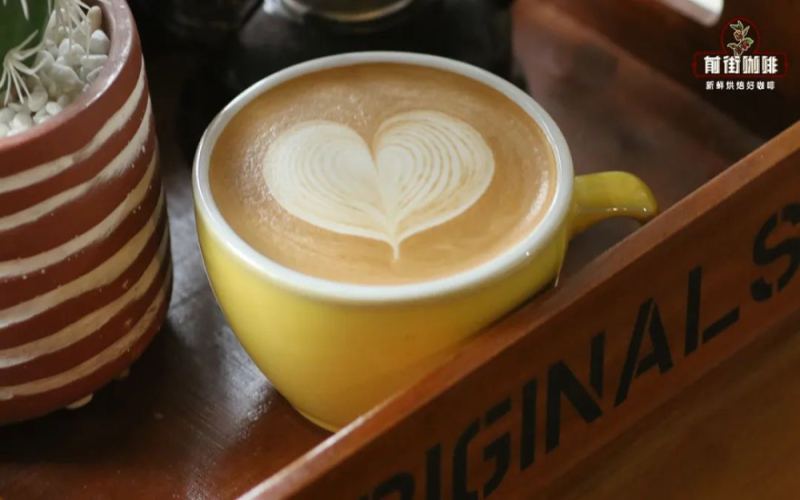
Latte Art Layered Heart Tutorial: A Detailed Guide to Milk Foam Thickness, Flow Control, and Pitcher Movement Techniques
The multi-layered heart is a variation pattern within heart-shaped latte art that boasts a strong sense of layering. Its operational foundation is very close to that of the large桃心, but it has stricter requirements in details. In this article, Front Street Coffee will guide you through the process of creating the large桃心 and focus on breaking down the key differences of the multi-layered heart in milk foam thickness, milk pouring flow rate, and pitcher manipulation techniques. Through the combination of pictures, text, and video explanations, we aim to help coffee enthusiasts who have mastered the large桃心 to smoothly advance to the multi-layered heart latte art with fine lines and distinct layers. [more…]

Latte Art Beginner's Illustrated Tutorial: Detailed Step-by-Step Analysis from Principles to Techniques and a Guide to Choosing Milk Foam
Want to learn latte art but don't know where to start? This article uses illustrations to break down the core principles and practical techniques of latte art, from integrating milk foam with coffee to controlling the landing point when pouring the design, helping you build muscle memory step by step. It also answers the common question of "what milk to use for latte art" and recommends espresso bean recipes suitable for latte art. Drawing on years of experience, Front Street Coffee tells you that learning a basic pattern usually takes 4 days: the first day to understand the principles, the second day to practice hands-on, the third day to review the key points, and the fourth day to consolidate and improve. As long as the milk foam quality is up to standard, pouring a beautiful pattern is not difficult. The article also shares the landing-point patterns for basic designs like hearts and leaves, as well as practice suggestions for using real milk and real coffee to get a feel for it. [more…]

Latte Art Tutorial: A Complete Guide to Milk Frothing Temperature and Pouring Techniques
Want to learn latte art but keep failing? Front Street Coffee explains in detail the core points of milk frothing and integrating to create patterns. From steam intake to texturing and heating, from integrating techniques to pouring postures, this article systematically sorts out common problems and solutions in latte art learning. Whether you are a beginner just starting out or an advanced player hitting a bottleneck, you can find practical advice here to make every cup of latte art consistently present beautiful patterns. [more…]

Simple Latte Art Illustrated Guide | What is the principle behind coffee latte art? Which kind of milk is used to make latte art? Is it hard for coffee beginners to learn latte art?
Many people ask Front Street, how long does it take to learn latte art? If we're just talking about producing a good-looking pattern, with a bit of luck it only takes one day. If we're talking about truly mastering a pattern, it takes at least 4 days. So many people ask, where do these 4 days come from? It's simple: Day one, read this article from Front Street; day two, practice; day three, [more…]
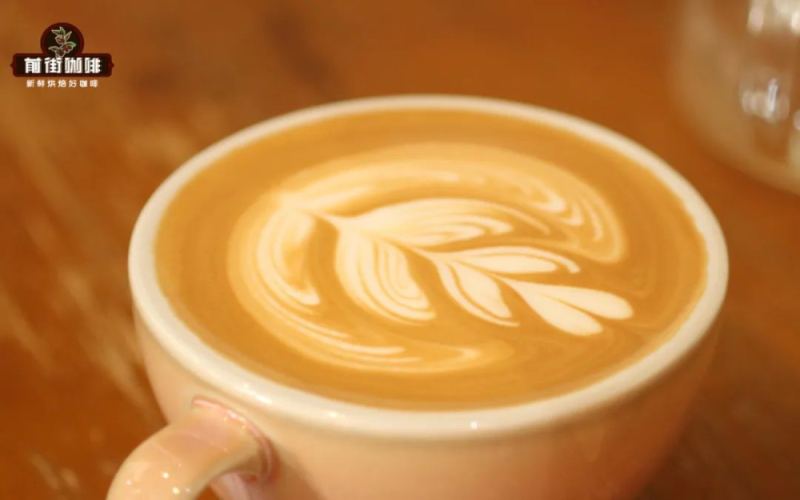
Master Latte Art from Scratch: A Complete Breakdown of Hand Gestures and Steps, Plus Efficient Practice Methods for Beginners
To make a hot latte with beautiful latte art at home, drinking coffee alone is not enough—the key lies in mastering milk frothing and latte art techniques. From the perspective of Front Street, this article first introduces the origins and proportions of latte coffee, then gradually breaks down the two major stages of latte art: integration and pouring, and explains in detail the air intake and texturing steps of milk frothing. The article also includes efficient practice tips to help you transition from practicing with water to working with real milk, so you can avoid detours and quickly pour basic patterns like hearts and tulips. [more…]
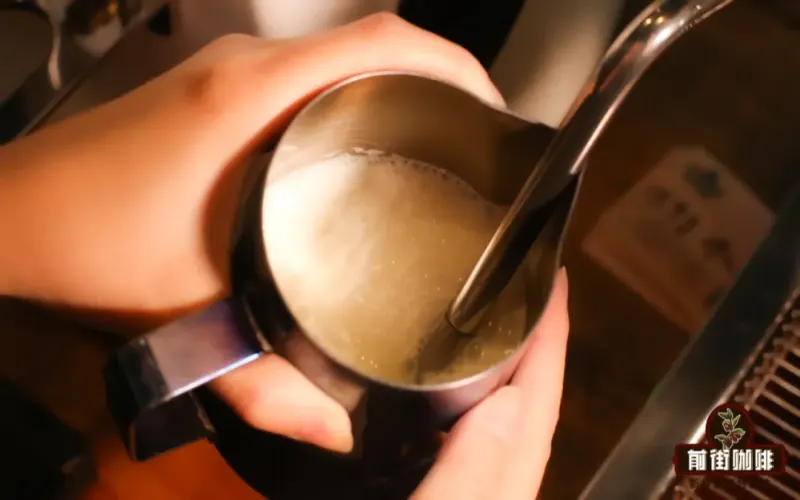
How to practice latte art from zero basics? Latte art techniques and common issues explained
To learn latte art from scratch, repeated practice alone isn't enough—identifying the reasons behind your failures is key. This article systematically breaks down the common latte art pitfalls for beginners, covering espresso and crema, the principles of milk frothing, pouring techniques, pitcher positioning, and tips for efficient practice. It also uses two coffee beans—Front Street Classic Blend and Front Street Commercial Blend—to explain how crema and milk foam together determine the final pattern, and provides a progressive practice path that goes from fresh milk to water and back to milk, helping coffee enthusiasts avoid unnecessary detours. [more…]
Master Milk Steaming and Latte Art from Scratch: A Complete Guide to Latte Making and Common Beginner Mistakes
To make a beautiful latte with latte art at home, simply imitating videos is far from enough. From the perspective of Front Street Coffee, this article systematically sorts out the basic concepts, ingredient ratios, and production process of latte coffee, deeply breaks down the two key stages of milk steaming—aeration and texturing—and explains the impact of the pouring technique on the taste and appearance of the finished product. At the same time, addressing the common problem among beginners that "latte art always turns into a blob," it points out that the quality of the milk foam is the fundamental cause, and includes an efficient practice path to help coffee enthusiasts gradually build muscle memory and ultimately achieve stable patterns. [more…]
Learning Milk Frothing and Latte Art from Scratch: A Complete Practice Approach from Milk Foam Principles to Pattern Formation
To make a hot latte with beautiful latte art at home, espresso alone is not enough—the key often comes down to the "milk foam" step. Drawing on the practical experience of Front Street Coffee, this article first explains the basic composition of a latte and the ratios for good flavor, then breaks down the two stages of milk steaming—aeration and texturing—step by step, explaining the key points of integrating techniques and pouring posture, and finally offers an efficient practice path alternating fresh milk and water. Whether you are new to espresso or always end up with coarse bubbles and a blob of latte art, you can find actionable directions for improvement. [more…]
From Water Flow to Flavor: The Practical Impact of Different Pouring Strategies on Coffee Extraction Results
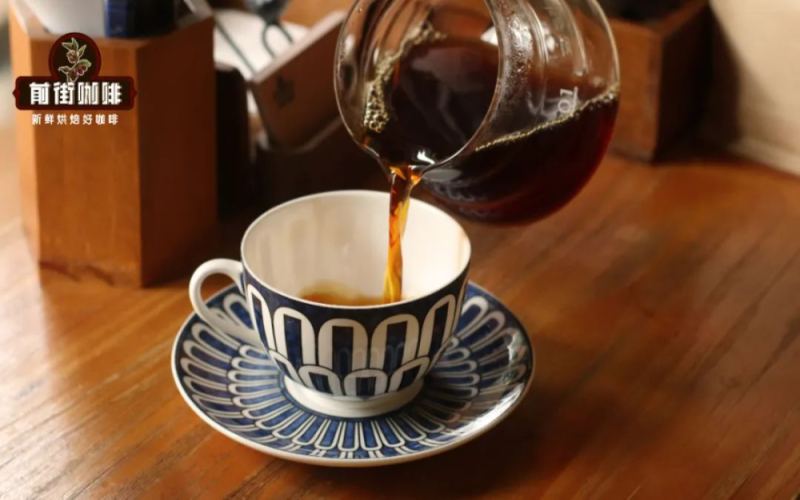
The pouring technique is an extremely critical variable in pour-over coffee extraction. The size of the water stream, the speed of the circular motion, and the rhythm of pouring all directly affect the release efficiency of soluble substances, thereby changing the final flavor direction. This article starts with several typical pouring styles—high-flow fast circling, low-flow steady pouring, and common mistakes in staged remediation—and analyzes the actual effects they bring during extraction. At the same time, specific operational suggestions are given for different roast levels: how medium-light roasts can highlight floral and fruity acidity through staged large-circle pouring, and how medium-dark roasts can use a coin-sized thin stream in circular motion to strengthen the nutty and chocolatey base notes. Through these analyses, the hope is to help enthusiasts control flavor expression more precisely in daily brewing. [more…]
The Principles and Practice of Circular Pouring in Pour-Over Coffee: How the Pouring Path Affects Extraction
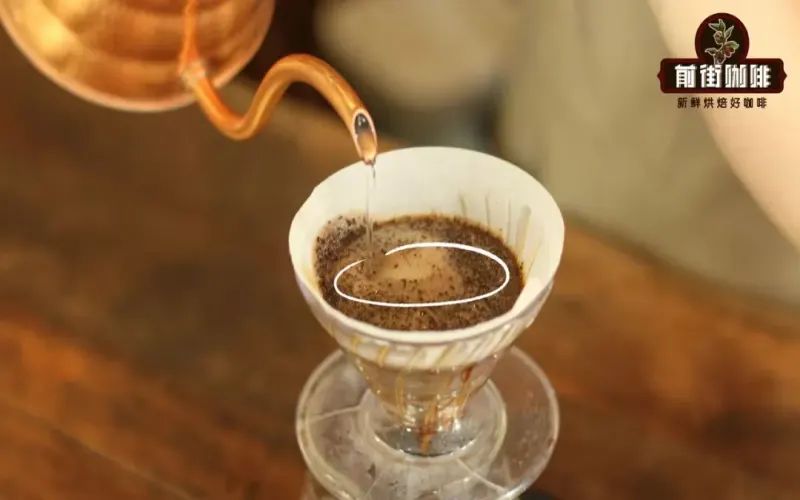
The unique aspect of pour-over coffee lies in the need for manual pouring to complete the extraction. Beyond common parameters such as time, ratio, grind size, and water temperature, the pouring path also plays a role in the final flavor that cannot be ignored. Many people naturally pour in a circular motion during brewing, but may not fully understand the logic behind this action. In this article, Front Street provides a detailed analysis of the two main reasons for circular pouring, explaining how the water flow path changes the concentration distribution and the rate of substance release within the dripper, helping coffee enthusiasts understand the practical impact of this basic operation on extraction results, so they can more consciously control their pouring method in daily brewing. [more…]

Warm Water Cold Brew Makes Coffee Sweeter: A Complete Guide to Making Cold Brew Coffee at Home
To enjoy a cup of cold brew coffee with outstanding sweetness at home, you actually don't need expensive equipment. Using 50 grams of coffee grounds as a baseline, Front Street Coffee shares the complete parameters from grind size and coffee-to-water ratio to refrigeration extraction time. Even more worth trying is using 40°C warm water instead of room-temperature water to make cold brew coffee—by relying on molecular thermal motion to accelerate the release of sweet and sour compounds, then transferring it to a low-temperature environment to inhibit the extraction of bitterness, you can get a full-bodied berry juice sensation and caramel sweetness in just 4 to 5 hours. This article records in detail the steps for warm-water cold brew, flavor comparisons, and storage suggestions, making it a useful reference for every enthusiast who enjoys refreshing cold coffee. [more…]
How does the size of the circular pouring motion in pour-over coffee affect the thickness of the coffee bed and the final flavor profile?
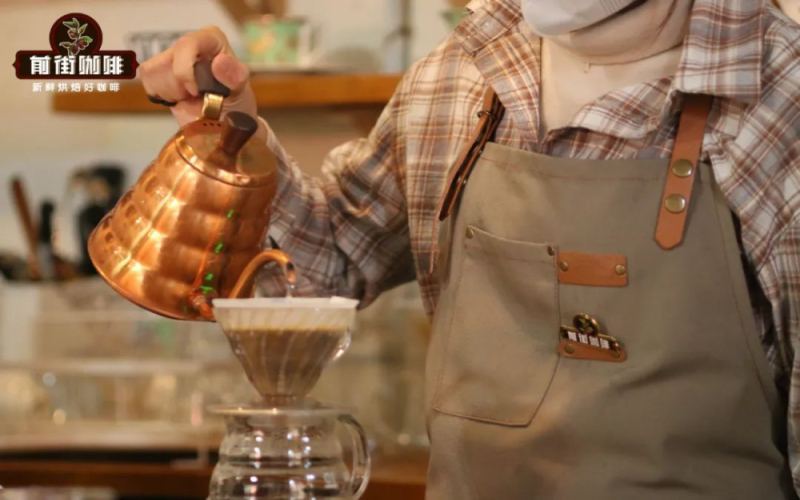
The pouring technique for pour-over coffee may seem simple, but in reality it has a subtle yet crucial impact on the final flavor. Pouring in large circles versus small circles creates filter cakes of different thicknesses, which in turn changes the temperature and water flow path during extraction, ultimately producing completely different flavor outcomes. Starting from Front Street Coffee's brewing practice, this article analyzes in detail how circle size affects filter cake thickness, actual extraction water temperature, and the role of the V60's guiding ribs, and gives specific pouring recommendations for light-roast and dark-roast coffee beans respectively, helping enthusiasts flexibly adjust their technique according to the flavor goal they want. [more…]

Cold Brew Coffee Extraction Rate | How to Increase Cold Brew Coffee Concentration? What Is the Brewing Ratio for Cold Brew Coffee? Cold Brew Coffee Bean Recommendations for Specialty Coffee Drinks
Before writing this article, Front Street asked several coffee professionals/enthusiasts: "Under normal circumstances, when making cold brew coffee, if you use the same water, coffee beans, amount of coffee grounds, brewing container, and brewing time, how would you increase the extraction concentration of the coffee?" I believe everyone, like the interviewees, would [more…]
How Fine Should Cold Brew Coffee Grounds Be? An Analysis of How Coarse and Fine Grinds Affect Extraction Strength
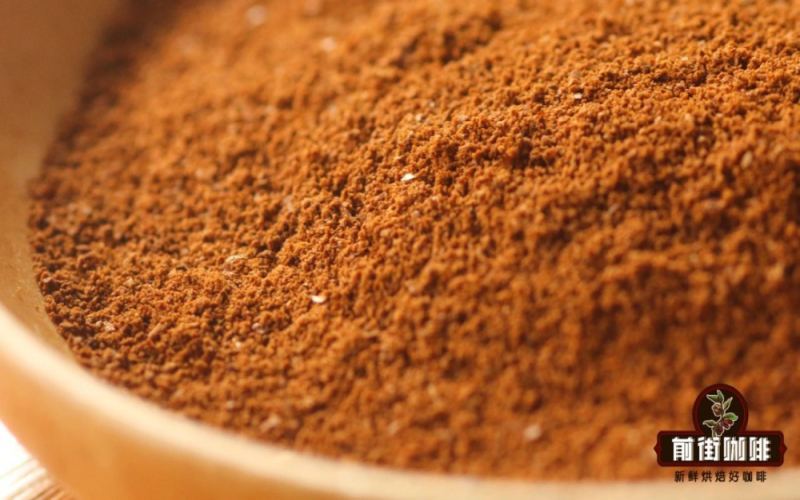
When making cold brew coffee, should the grind size be coarse or fine? Many enthusiasts habitually assume that grinding finer will increase the concentration, but in a low-temperature, still-steeping extraction environment, this logic does not necessarily hold. Through practical experiments, Front Street used the same Yirgacheffe beans, the same coffee-to-water ratio, and the same steeping time to make cold brew with fine and coarse grinds respectively, testing the concentration and tasting the flavor differences. The results showed that the coarse grind actually had a slightly higher TDS, and its flavor performance was also brighter and sweeter. This article will explain this phenomenon from the perspectives of water temperature and particle movement, and provide grinding recommendations and applicable conditions for making cold brew coffee, helping you make a cup of cold brew with excellent concentration and flavor. [more…]

What Is Japanese Iced Coffee? An Analysis of Two Major Iced Brewing Methods and Practical Details
As the weather warms up, iced drinks are once again becoming a favorite among coffee lovers. This article focuses on Japanese-style iced coffee, introducing its characteristics and sharing two ready-to-use iced pour-over methods: the stirring method from KURASU COFFEE in Kyoto, and the ice-shaking method from Taiwanese barista Amis. The article breaks down in detail each method's equipment choices, coffee bean preferences, pouring techniques, and parameter differences, using Ethiopian Sidama Alo Hattesa beans as a demonstration to help readers brew a fragrant yet refreshing summer iced coffee. [more…]
The Grinding Logic and Bean Selection Guide for Low-Temperature Cold Brew Coffee: From Extraction Principles to Specialty Drink Concentration Control
Cold brew coffee is extracted in a low-temperature, still environment, and many people habitually assume that grinding the coffee finer will increase its strength—but is that actually true? Through comparative experiments, Front Street Coffee found that a coarser grind actually yields a higher TDS reading in cold brew. Starting from the underlying logic of water temperature and particle movement, this article will explain why the "finer grind equals stronger coffee" theory that applies to high-temperature pour-over does not hold for cold brew. It also offers coffee bean recommendations suitable for cold brew, suggested coffee-to-water ratios, and points to note on grind selection for beans of different roast levels, helping you make a specialty cold brew with just the right strength and an aroma that isn't masked by added ingredients. [more…]

Mandheling: From Southeast Asian Plantations to the Specialty Wave—A History of Coffee in Motion Across Three Centuries
While Yirgacheffe has taken the specialty coffee world by storm with its bright fruity acidity, Mandheling's rich, mellow, woody aroma still lingers in the minds of many seasoned connoisseurs. Starting from flavor, this article traces the three-hundred-year history of coffee circulation behind Mandheling: from the Dutch East India Company's establishment of coffee plantations in Indonesia, to the Nanyang Chinese who ran the coffee trade, to postwar Japan's reverence for Mandheling, and the origin of the name Golden Mandheling. Front Street Coffee's perspective runs throughout, showing you how a single cup of Mandheling carries half of coffee history, and helping you understand the depth of traditional coffee's taste memory. [more…]