







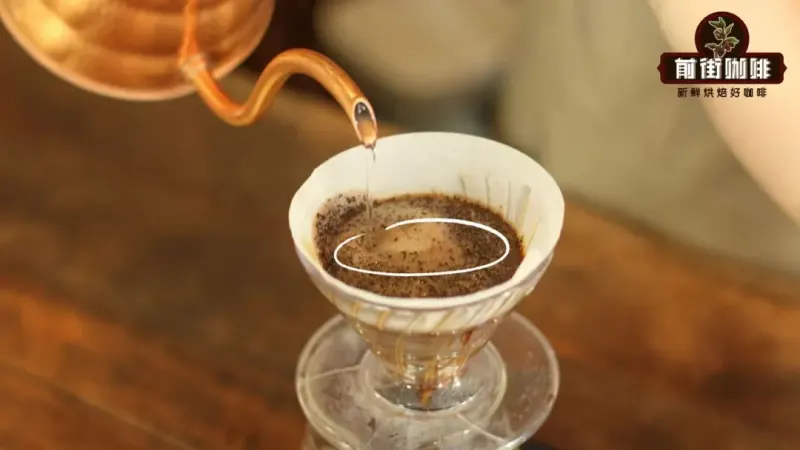
How does circular pouring change coffee extraction?
Pour-over coffee relies on manual pouring, so the water path affects flavor alongside time, ratio, grind size, and temperature. Circular pouring changes two things inside the dripper: the concentration of liquid and the rate at which coffee substances are released from the grounds, which together shape how the final cup tastes.
Compared with other coffee extraction methods, pour-over gives the brewer direct control over where water lands. Pouring in a circle keeps the bed more evenly wetted and sustains a consistent release of solubles. Pouring height, stream thickness, and the number of pours also matter, but the flow path is an element many brewers overlook.
The unique aspect of pour-over coffee is that it requires manual pouring to complete the extraction. In addition to common parameters such as time, ratio, grind size, and water temperature, the pouring path also has a significant impact on the final flavor. Many people naturally pour in a circular motion when brewing, but they may not fully understand the logic behind this action. In this article, Front Street Coffee provides a detailed analysis of the two main reasons for circular pouring, explaining how the water flow path changes the concentration distribution and the rate of substance release within the dripper, helping coffee enthusiasts understand the practical impact of this basic operation on extraction results, so they can more consciously control their pouring method in daily brewing.
Since it's called "hand" pour-over coffee, the core naturally lies in the "human" factor. (Just kidding) The key difference between pour-over coffee and other extraction methods is that it relies on manual pouring to complete the coffee extraction process. Therefore, in addition to conventional extraction parameters such as time, ratio, grind size, and water temperature, the pouring technique also has a noticeable impact on coffee flavor. Front Street Coffee has shared many cases about the influence of pouring in the past. For example: Pouring height, stream thickness, and the number of pours—these are all pouring points frequently mentioned in Front Street Coffee articles. Besides these aspects, there is another pouring element that we usually take for granted but which greatly affects the extraction result, and that is: the water flow path.
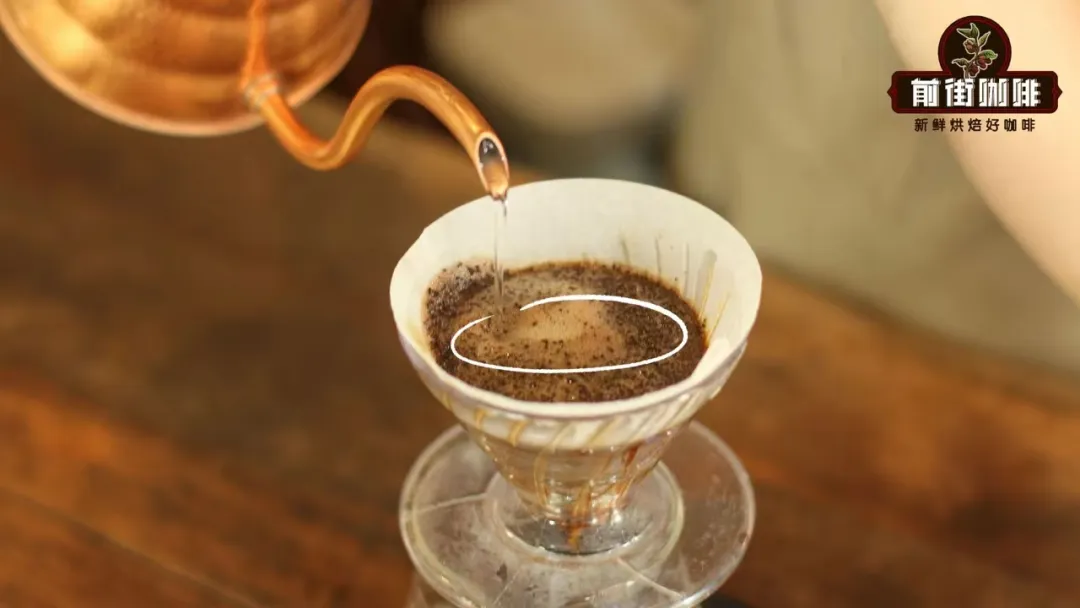
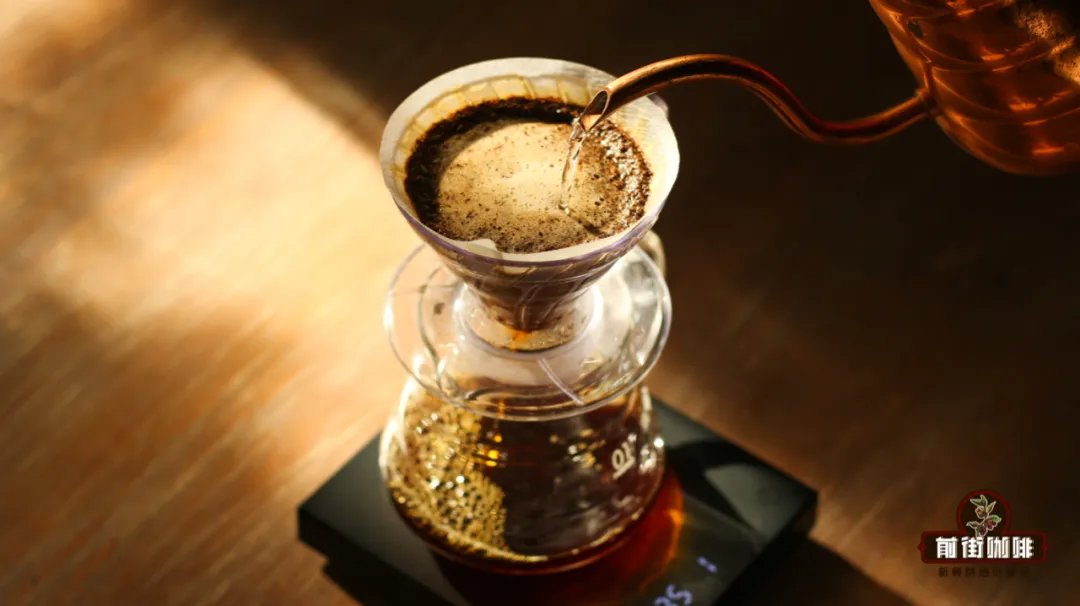
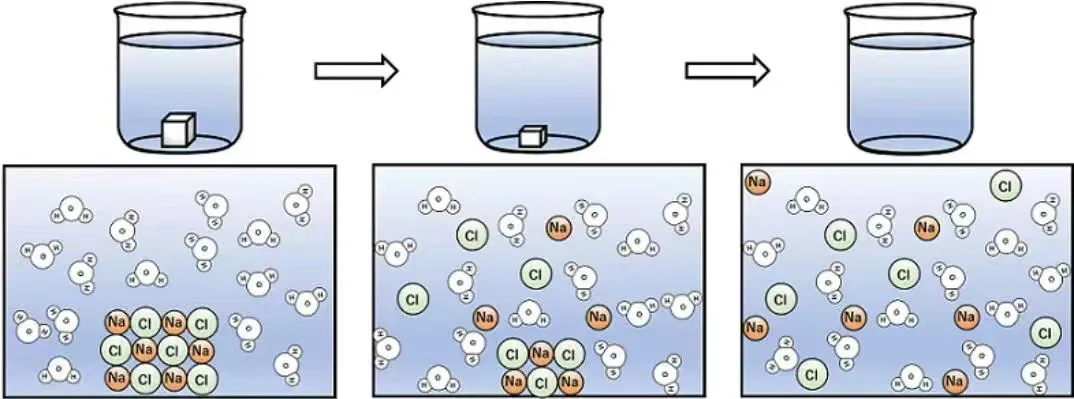
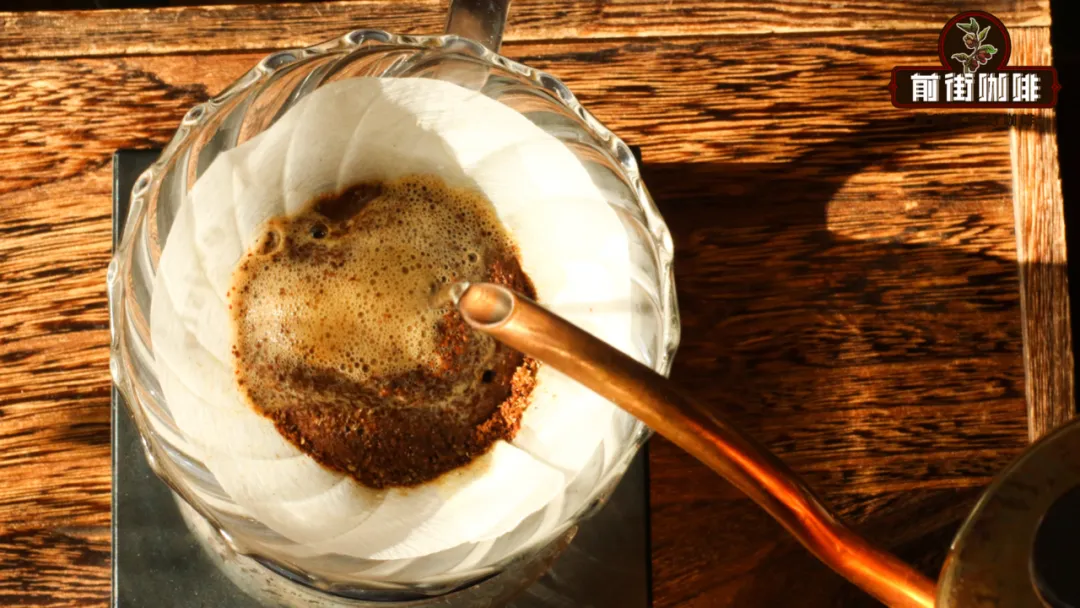
When brewing coffee, we pour hot water in a circular motion—this is an extremely basic operation. But it is precisely this seemingly simple action that actually affects coffee far more than many people imagine. So today, Front Street Coffee will talk with everyone about why we pour in a circular motion when brewing coffee! Why do we pour in a circular motion when brewing coffee? There are two reasons for circular pouring. Front Street Coffee believes the first one, clever readers have already guessed. That's right! It is to improve extraction efficiency. Through circular pouring, both the concentration of the liquid in the dripper and the rate at which coffee substances are released will change.
The above content is compiled by CoffeeHunters, a coffee news website.


