







Search Results for: cultivation models
Exploring African Coffee Origins: A Comprehensive Analysis of Ethiopian Coffee Varieties, Cultivation Models, and Processing Methods
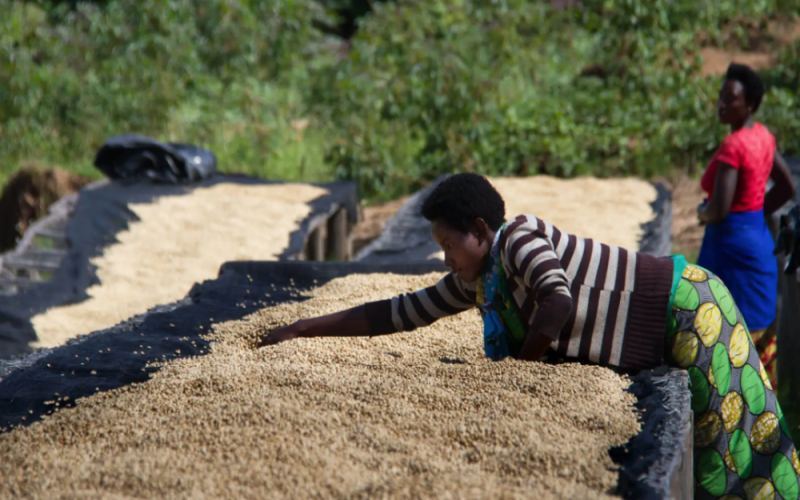
Africa is an important coffee-producing region globally, and Ethiopia, as the birthplace of Arabica coffee, has nearly 2,000 recorded varieties, making it truly a "grand garden" of coffee varieties. This article begins with the structure of the coffee berry to analyze why Ethiopian coffee beans vary in size and have low uniformity, introduces four cultivation models including forest coffee and garden coffee, and explains how the three processing methods—natural, washed, and semi-washed—affect flavor. The article also incorporates specific products from the Front Street Coffee brand, such as Kaffa Forest, Huakui, Fruit Dingding, and Yirgacheffe, to help coffee enthusiasts understand the sources of Ethiopian coffee's diversity. [more…]
Coffee Estates and Cooperatives: Operational Differences and Selection Logic of Two Cultivation Models
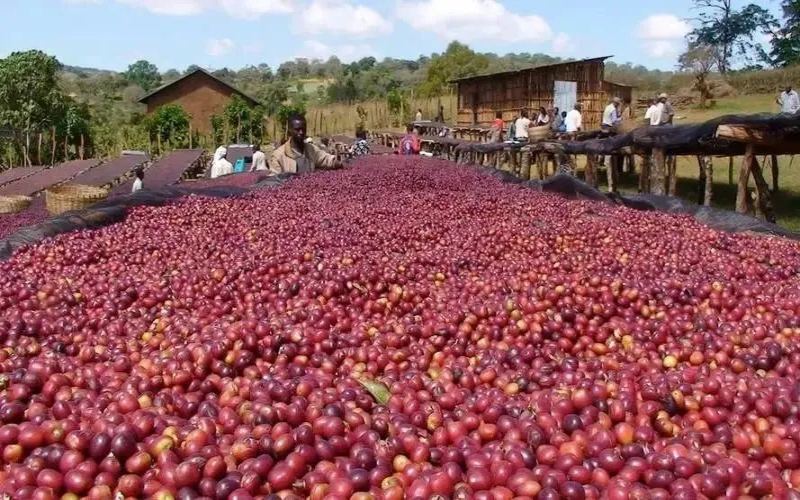
In the upstream segment of the coffee industry chain, estates and cooperatives are the two most common forms of growing organizations. A cooperative is formed by many smallholder farmers joining together to share equipment and sales channels, using collective strength to make up for the shortcomings of individual resources; an estate is a larger private farm that has full autonomy from cultivation to sales, but at the same time must bear all business risks on its own. The two differ significantly in decision-making mechanisms, profit distribution, market bargaining power, and daily operations. Understanding these differences helps coffee enthusiasts gain a deeper understanding of the production logic behind the cup of coffee in their hands. Front Street Coffee has always paid attention to the diverse ecosystems at the origin end, and this article will systematically sort out the respective characteristics and applicable scenarios of estates and cooperatives. [more…]

Why Are Ethiopian Coffee Beans So Uneven in Size? A Complete Analysis from Farming Models to Processing Flows
Many coffee enthusiasts notice a phenomenon when buying Ethiopian heirloom coffee beans: the bean sizes are uneven. The reason behind this is not accidental, but closely related to Ethiopia's unique coffee cultivation system. As the birthplace of coffee, Ethiopia has thousands of unidentified coffee varieties, which the government protects under the name "Heirloom." However, the real key to uneven bean size lies in its diverse cultivation models—plantation coffee, forest coffee, semi-forest coffee, and garden coffee coexist, plus the mixing of multiple varieties during harvesting and processing, ultimately forming the "natural grand mix" that we see. This article will break down these stages one by one, taking you deeper into the root causes of uneven Ethiopian heirloom beans. [more…]
An In-Depth Look at Ethiopia's Coffee Cultivation Models and Grading System, with Notes on Yirgacheffe Flavor and Front Street Brewing Suggestions
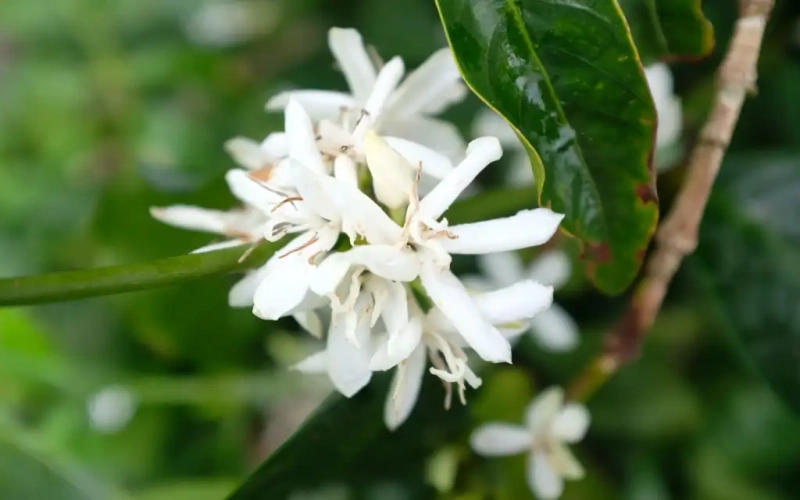
Ethiopia is widely recognized as the birthplace of coffee, and its coffee production and quality hold an important place globally. This article will introduce Ethiopian coffee culture, cultivation models, variety overview, processing methods, and grading systems, with a focus on analyzing the classic flavors of Yirgacheffe. Regarding the roasting and brewing of Yirgacheffe, Front Street Coffee also provides specific recommendations and parameter references to help coffee enthusiasts gain a more comprehensive understanding of this region and better showcase its delicate acidity and floral-fruity aromas in daily brewing. [more…]

Why Is the Cooperative Model So Prevalent in Ethiopian Coffee? An Analysis of the Origin and Flavor of Yirgacheffe Gedeb
Ethiopia is widely recognized by coffee lovers around the world as the quintessential origin of floral and fruity notes, and within Ethiopia, Yirgacheffe is renowned for its bright lemon and citrus acidity. Many people notice, when shopping for Yirgacheffe coffee beans, that product names are often taken from the small towns or cooperatives of the producing region—something closely tied to Ethiopia's distinctive garden-plot cultivation model and cooperative system. This article will outline the administrative and production-area divisions of Yirgacheffe, explain why cooperatives emerged, and focus on the growing conditions, history, and flavor characteristics of the Gedeb region's Gotiti Cooperative, while also mentioning related product information from Front Street Coffee. [more…]
Ethiopian Yirgacheffe Coffee: A Full Breakdown of Flavor Characteristics, Cultivation Models, and Pour-Over Parameters
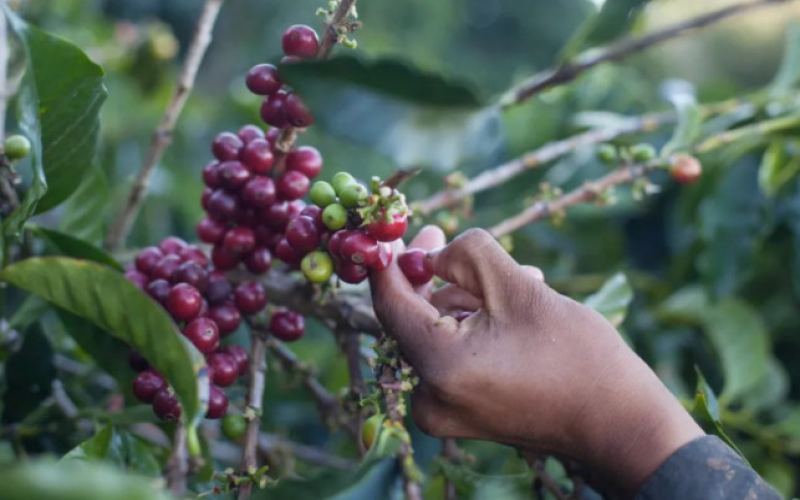
Yirgacheffe is one of Ethiopia's most representative specialty coffee regions, renowned worldwide for its bright citrus-and-lemon acidity and jasmine aroma. This article begins with the origins of Ethiopia's coffee culture, sorting through the country's unique garden-farming model and cooperative processing system, with a focus on the historical trajectory of Yirgacheffe's independent development from a sub-region of Sidama, as well as the exact definition and regional scope of "Yirgacheffe flavor." It also includes hand-brew parameter suggestions for Front Street Coffee's Yirgacheffe coffee beans, covering dripper selection, water temperature, coffee-to-water ratio, and a three-stage pouring technique, offering coffee enthusiasts a complete reference from origin knowledge to practical brewing. [more…]
An Analysis of Ethiopia's Major Coffee Regions and Cultivation Models: A Complete Overview of Yirgacheffe's Flavor and Mouthfeel
As a major Arabica coffee exporter in Africa, Ethiopia has about 12 million people engaged in the coffee industry, and its coffee quality is outstanding and worth exploring in depth. The country's coffee cultivation takes many forms, including large tracts of wild coffee forests and semi-developed land, as well as traditional smallholder operations and modern plantations, with about half of the coffee planted above 1,500 meters in elevation. Among the many origins, Yirgacheffe is renowned worldwide for its distinctive floral and fruity aroma and citrus notes, and is a flavor benchmark sought after by coffee lovers around the world. This article will sort out Ethiopia's main producing regions and cultivation methods, and focus on the flavor and taste characteristics of Yirgacheffe, to give you a comprehensive understanding of this representative East African specialty coffee. [more…]
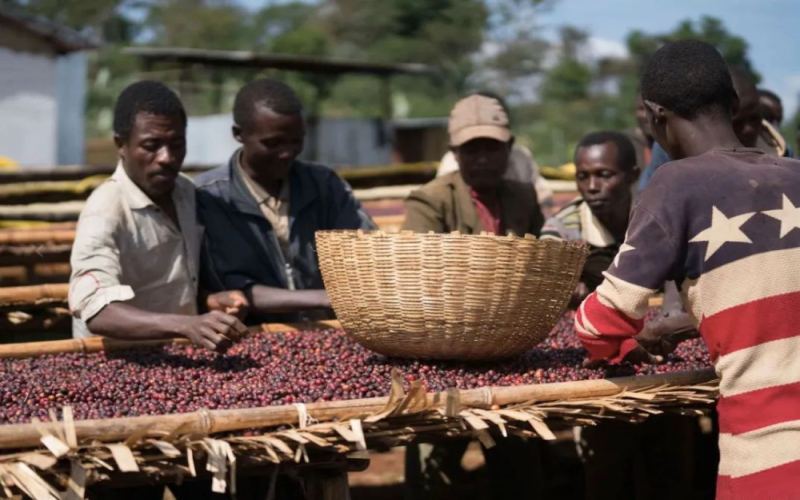
The Original Home of Ethiopian Coffee: Cultivation Patterns in the Kafa Forest and the Coffee Variety Gene Bank
Ethiopia is the birthplace of coffee, and its cultivation models fall into three types: garden, estate, and forest. Among them, the forest cultivation in the Kafa region of the southwest is the most unique. This place is not only the hometown of coffee but also home to about 5,000 coffee tree species, making it a genetic treasure trove of Arabica coffee. The Kafa forest has undergone logging and protection, and today it persists in the form of a biosphere reserve, with about 30 cooperatives in the surrounding area engaged in coffee production. Front Street Coffee has also launched a washed coffee bean from this producing region, presenting floral aromas, citric acidity, and sweet orange and bergamot flavors. This article will guide you through the cultivation traditions, historical changes, and coffee characteristics of the Kafa forest. [more…]

Ethiopia Bench Maji Region Full Guide: The Birthplace of Geisha, Forest Planting Model, and the Grading System of Gesha Village
In Ethiopia's specialty coffee landscape, Yirgacheffe, Sidamo, and Guji Hambela often take center stage in conversations, but along the country's western border lies a coffee region covered in pristine forest and renowned for its high-quality beans—Bench Maji. It is not only the birthplace of the Geisha variety but also home to the Gesha Village Coffee Estate. This article will cover the geography and climate, cultivation patterns, and the history of Geisha's origins, then move on to the grading system at Gesha Village, followed by Front Street Coffee's detailed introduction to Gold Label and Red Label Geisha along with pour-over recommendations, giving coffee lovers a complete picture of this understated yet highly capable region. [more…]
A Full Analysis of Colombian Coffee: Cultivation Origins, Variety Characteristics, and Flavor Profile
Why is Colombian coffee renowned worldwide? Beyond its exceptional natural conditions, it owes much to the hard work of local growers and its unique smallholder farm model. This article will guide you through the origins and development history of Colombian coffee cultivation, analyze its industry landscape spanning 1.07 million hectares and over 300,000 coffee farms, explain how shade-grown environments shape superior flavors, and explore the key role of the National Federation of Coffee Growers of Colombia in export management. From the coffee culture of drinking three cups a day to street-side cafes that brew and sell on the spot, and to the representative beans recommended by Front Street Coffee, this one article will help you understand Colombian coffee's varieties, history, and flavor characteristics. [more…]
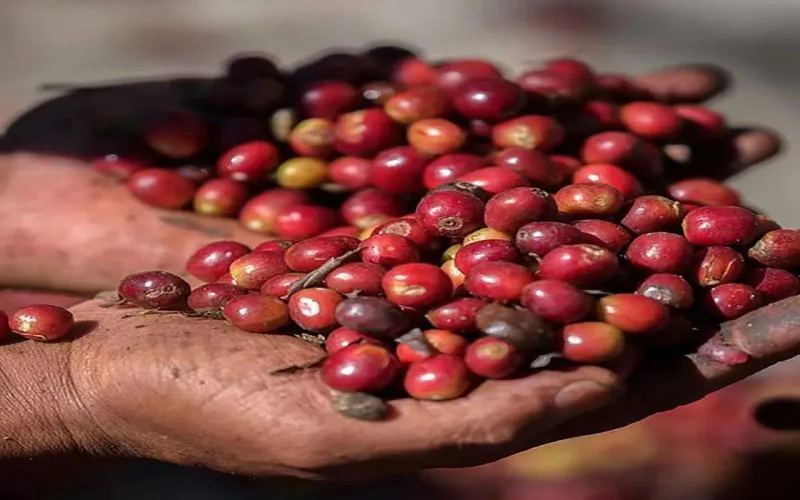
Why Are Ethiopian Coffee Beans So Uneven in Size? A Variety Analysis of the Sidamo Santaverry 74158
Ethiopia, as the birthplace of Arabica coffee, is known for beans with floral and citrus notes, but many enthusiasts notice that the coffee beans here often vary in size and shape. This is not a quality issue, but rather the result of the country's extraordinarily rich variety of coffee cultivars, diverse cultivation patterns, and a grading system that focuses on defect rate rather than bean size. This article will analyze the causes of differences in Ethiopian coffee bean morphology, introduce the three cultivation methods of garden, estate, and forest, explain the JARC digital variety series and the origin of 74158, and finally present the flavor profile of Front Street Coffee's Sidamo Santawini coffee beans. [more…]

Exploring Peru's Cajamarca Coffee Region: Smallholder Specialty Coffee in the Andes and the Story of a COE Champion
Nestled in the embrace of the South American Andes, Peru may not be as high-profile as Colombia and Brazil, yet thanks to its volcanic soil, tropical mountain climate, and high-altitude growing conditions, it produces coffee beans of outstanding quality. Among its regions, the northern Cajamarca region has performed particularly impressively in recent years, earning renown not only for its smallholder intercropping model and sustainable farming practices, but also for its frequent appearances on the COE list. This article will take you deep into the Cajamarca growing region's geographical environment, historical context, and cultivation characteristics, and analyze the secrets behind the success of the 2023 COE champion farm, Yoniser Mego Silva. [more…]

Origins of the 90+ Coffee Brand and the Development of Panama Geisha Estates, with Notes on Front Street Coffee's Eleta Geisha Bean Flavor
Friends who frequent coffee shops or chat with baristas may have heard the term "90+ coffee beans" more than once. What exactly does it mean? In fact, "90+" is both a premium coffee series containing 13 flavor profiles and a trading company named Ninety Plus. Founder Joseph Brodsky established the brand in 2006, aiming to break the conventional model of traditional commercial coffee cultivation. He started with processing methods, collaborated deeply with estates, and controlled the entire process from cultivation and harvesting to cupping, releasing early hits such as Aricha and Beloya. In 2009, he established the 90+ Geisha Estate in Volcán, Panama, which officially released beans in 2014. This article traces the development of 90+ and introduces the 90+ Geisha Eleta coffee beans sourced by Front Street Coffee, along with their brewing flavors. [more…]
A Complete Guide to Hawaiian Kona Coffee Beans: Origin, Growing History, Flavor Profile, and Grading
Hawaiian Kona coffee is the only top-grade coffee variety produced in the United States. Grown on the volcanic slopes of the Kona region on the Big Island of Hawaii, it is famous for its plump and lustrous appearance, smooth and aromatic taste, and balanced acidity. Authentic Kona coffee has limited output, is strictly managed, and is expensive, and most "Kona blends" on the market contain very little of it. This article provides a detailed introduction to Kona coffee's growing environment, flavor characteristics, cultivation model, production grades, and historical development, giving you a comprehensive understanding of this coffee hailed as a "rare treasure of the world." [more…]
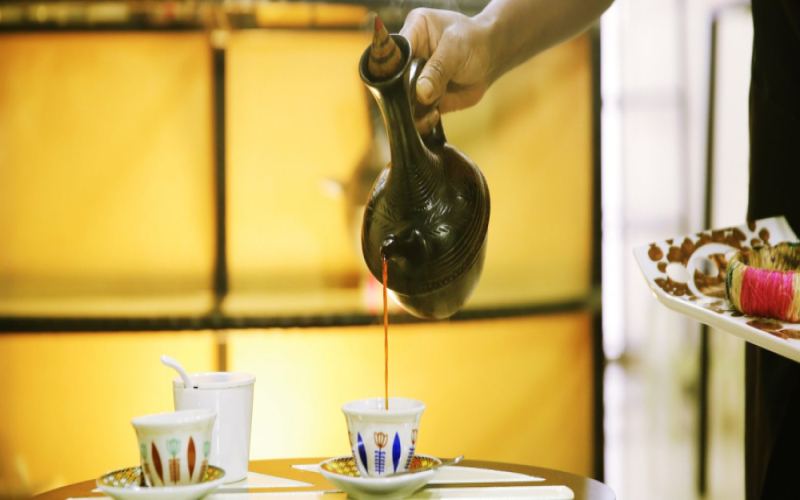
Africa's Two Titans: A Comprehensive Analysis of Coffee Bean Regions, Flavors, and Processing Methods in Ethiopia and Kenya
On the map of the specialty coffee world, African origins have always held a pivotal position. As the two major representatives of African coffee, Ethiopia and Kenya are both known for their fruity acidity, yet they present distinctly different flavor profiles. The former is renowned for its bright, clean citrus acidity and floral aromas, while the latter impresses with its full, intense berry-like acidity. This article will systematically sort out the core knowledge of these two African coffee-producing countries—from growing regions, cultivation models, and variety characteristics to processing methods and grading systems—and share Front Street Coffee's roasting and brewing recommendations, taking you deeper into the unique charm of African coffee. [more…]

Kenya Coffee Market Trends and Price Analysis: A Complete Overview of Varieties, Regions, Processing Methods, and Flavors
Kenyan coffee has always been a star in the specialty coffee world, thanks to its multi-layered taste and bright, juice-like acidity. This article examines the current market situation and prices of Kenyan coffee, systematically sorting out its varietal origins—the breeding history of SL28 and SL34, the positioning of Ruiru 11, and the coexistence of large estates and cooperatives in its cultivation model. It also explains in detail how the unique K72 washed processing method shapes intense acidity and delicate texture, introduces the two trading models of the Nairobi auction and direct trade, and reviews one by one the flavor differences of major producing regions such as Kiambu, Thika, and Nyeri. Finally, it includes product information and brewing suggestions for two Kenyan coffees from Front Street. [more…]

Coconut Palm Group's eighth recruitment drive offers annual salaries up to 480,000 yuan, sparking heated debate and controversy with its changed advertising style.
Coconut Palm Group recently released an advertisement for the eighth intake of its training school for deputy general managers, drawing attention with a maximum annual salary of 480,000 yuan and generous perks such as a car and housing upon enrollment, while also replacing its previous sexy model images with a festive wedding style, sparking heated discussion among netizens. This is not the first time Coconut Palm has found itself in controversy over its advertising—over the years it has persisted in borderline marketing and has been penalized by regulators multiple times, including a 400,000 yuan fine in May this year for using state agency personnel in commercial marketing and for advertising slogans that violate public order and good morals. This article will review the details of this recruitment drive, the changes in advertising style, and Coconut Palm Group's repeated history of marketing violations. [more…]

A Detailed Guide to Kenyan Coffee Bean Grading: What Exactly Is the Difference Between AA TOP and AA?
Kenyan coffee is renowned worldwide for its bright, intense fruit acidity and full, robust body, while its grading system—AA, AB, PB, and so on—often leaves enthusiasts confused. What exactly is the difference between AA and AA TOP? Does the grading standard look only at bean size, or does it also take cup profile into account? This article sorts through Kenya's coffee history, growing conditions, variety selection, regional characteristics, grading system, and auction trading model one by one, and combines tasting examples from several Kenyan beans at Front Street Coffee to help readers clarify the real difference between AA and AA TOP. [more…]
An Analysis of Ethiopian Coffee Bean Varieties and Characteristics: Trading Models and Flavor Regions in the Country with the World's Richest Coffee Diversity
Ethiopia is hailed as the Garden of Eden of coffee, the birthplace of heirloom coffee varieties and a global treasure trove of coffee genetics. Within its borders lie thousands, even tens of thousands, of coffee varieties, most of them wild and undiscovered. Coffee production involves approximately 15 million people, primarily organized through smallholder cooperatives, and accounts for more than half of the country's GDP. The East African Rift Valley divides the growing regions into eastern and western walls; the east is represented by Harar, Sidamo, and Yirgacheffe, while the west includes Lake Tana, Gimbi, and Limu. The government centralizes grading and sales through the ECX exchange and registers trademarks to protect quality. Coffee is produced under four models: forest, semi-forest, garden, and plantation. The coffee ceremony is furthermore an ancient and elegant national art of Ethiopia. Front Street Coffee recommends that you delve deeper into the coffee culture of this mysterious country. [more…]
A Complete Guide to Kenyan Coffee Flavor Grades and Regions: From AA Classification to the K72 Washed Processing Method
Kenyan coffee is renowned worldwide for its bright acidity and full-bodied juicy mouthfeel. Along with neighboring Ethiopia, it represents African specialty coffee, yet its flavor profile is completely different. Front Street Coffee takes you on a deep dive into the development of Kenyan coffee: from the introduction of coffee during the British colonial period and the establishment of the Scott Agricultural Laboratories to select and breed SL28 and SL34, to the establishment of a grading system based on bean size and cup quality, and further to the unique 72-hour washed fermentation process. This article also outlines the terroir characteristics of core producing regions such as Nyeri, Kirinyaga, and Muranga, analyzes the dual-track trading model in which the Nairobi auction exchange and direct trade operate in parallel, and includes a complete brewing recipe and cupping flavor description for Front Street Kenyan Small Tomato coffee beans. [more…]