







How Coffee Processing Differs Between Estates and Cooperatives
In coffee production, estates and cooperatives are the two dominant growing organizations. Cooperatives are formed by small farmers who pool funds for shared equipment, deliver their cherries to a central processing point, and sell under the cooperative name. Estates are larger private farms with full control from cultivation to sales, but they carry all business risk alone.
The two models differ in decision-making, profit distribution, and bargaining power. In a cooperative, members still own the coffee, yet most processing and sales decisions rest with management, and proceeds are distributed by proportion after expenses. An estate keeps autonomy over its coffee process and pricing but must fund and manage every step independently, which shapes quality control and market reach.
In the upstream segment of the coffee industry chain, estates and cooperatives are the two most common forms of growing organizations. Cooperatives are formed by many small farmers banding together to share equipment and sales channels, using collective strength to make up for the lack of individual resources; estates, by contrast, are larger private farms that have full autonomy from cultivation to sales, but must also bear all business risks on their own. The two differ significantly in decision-making mechanisms, profit distribution, market bargaining power, and daily operations. Understanding these differences helps coffee lovers gain a deeper understanding of the production logic behind the cup of coffee in their hands. Front Street Coffee has always paid attention to the diverse ecosystems at the origin end, and this article will systematically sort out the respective characteristics and applicable scenarios of estates and cooperatives.
In the field of coffee cultivation, the two most mainstream forms of organization at present are estates and cooperatives.
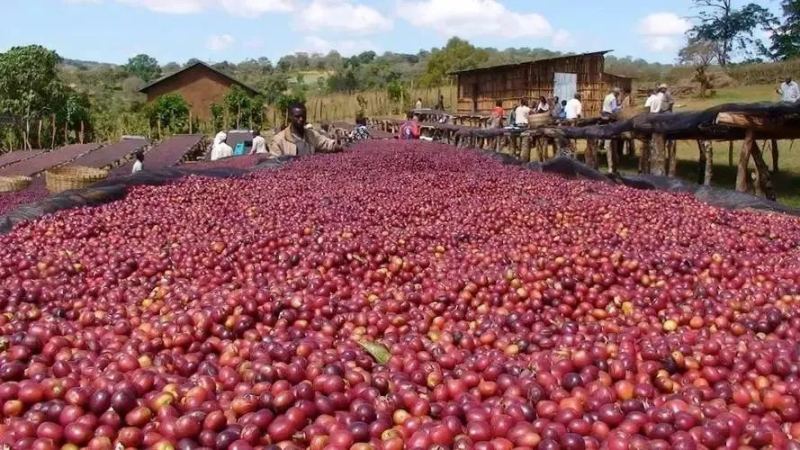
A cooperative is formed jointly by a group of farmers. An individual farmer often struggles financially, lacks the resources and capacity needed to complete all operations independently, and may even find it difficult to dialogue on equal terms with exporters or roasters because their output is too small. So they choose to band together, jointly fund the purchase of equipment and facilities, and build a small coffee processing point.
Farmers deliver the coffee cherries they have harvested to this place, where the cooperative centrally completes grading and processing, and finally sells externally under the cooperative's name. After deducting operating expenses, the sales proceeds are then distributed to each member in proportion. With collective identity, the cooperative occupies a more favorable position in price negotiations, and through this farmers share resources, seize marketing and business opportunities, and broaden sales channels.
Under the cooperative framework, although the coffee still belongs to the farmers, most decision-making power in processing and sales rests in the hands of management. Individual farmers may be able to express opinions, but they cannot decide on their own how their coffee is processed, nor can they influence sales pricing.
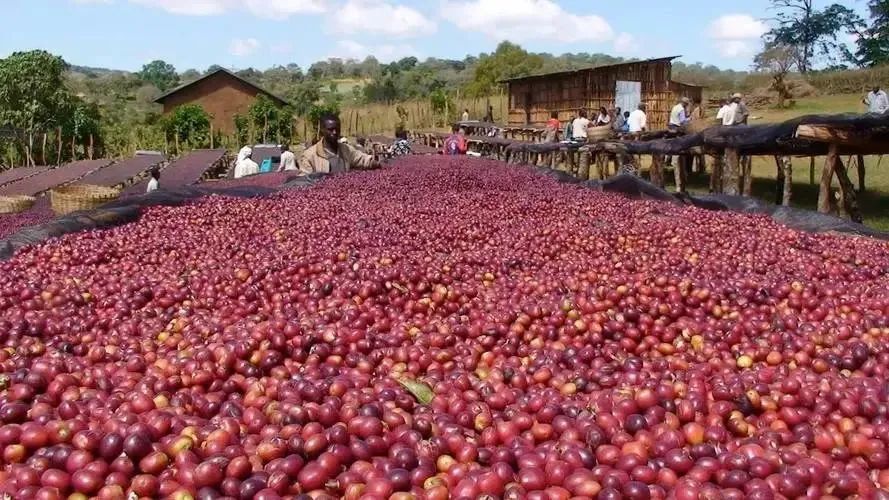
A coffee estate, by contrast, is a private plantation larger than the farms of cooperative members, and the producer has stronger decision-making authority. The estate is only responsible for producing, processing, and selling the coffee it grows itself. To establish an estate, a large amount of upfront capital is needed to purchase production and processing equipment, and one must also rely on one's own resources to solve issues such as materials, funding, and cultivation technology, while later also having to manage the production process and labor costs independently.
Some coffee-producing countries stipulate that operating an estate requires a license. Requirements for registration and licensing vary from place to place, but usually involve thresholds such as a minimum number of coffee trees, planting area, and total output.

Today many estates adopt a family inheritance model, with the younger generation taking over operations. Estate owners can fully control, research, improve, and apply new coffee cultivation and processing technologies, thereby enhancing the added value of their beans. At the same time, estate owners can connect directly with green coffee buyers, more quickly grasp customer needs and make adjustments, and can also independently set different sales prices. However, unlike cooperatives, estates do not have many members to share the pressure, and producers must handle all economic affairs independently, bearing their own profits and losses, enjoying autonomy while also enduring greater business risks.
Disclaimer: Some images in this article are from the internet. For some content on the website, such as images, we will respect the original author's copyright and indicate the source. However, due to the large quantity, a few images and texts may not be credited in time. Please understand. If the original author has any dispute, they may contact the website for handling. Once verified, we will correct it immediately. Compiled and edited by "Coffee Review vdailycom ". Please indicate the source when reposting. This article is intended to spread coffee culture. If there is any infringement, please inform us for deletion. Thank you ~ !
The above content is compiled by CoffeeHunters, a coffee news website.


