







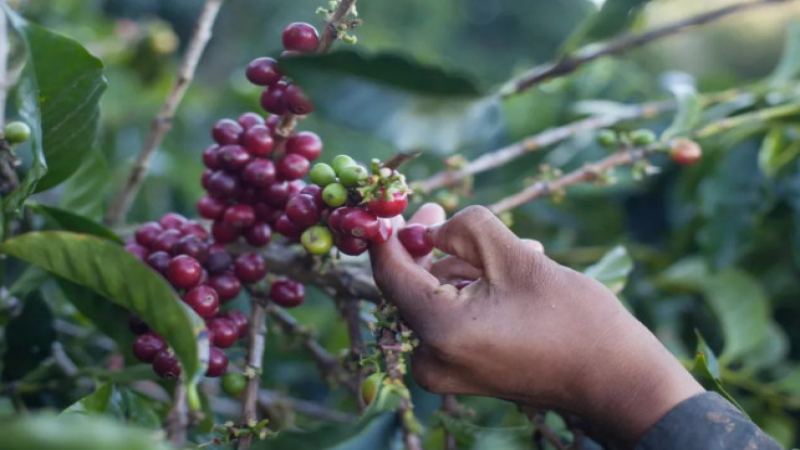
Yirgacheffe is one of Ethiopia's most iconic specialty coffee regions, world-famous for its bright citrus-and-lemon acidity and jasmine aroma. This article begins with the origins of Ethiopia's coffee culture, sorts through the country's unique garden-plot growing model and cooperative processing system, and focuses on the history of how Yirgacheffe developed independently from a sub-region of Sidamo, along with the exact definition and regional scope of "Yirgacheffe flavor." It also includes Front Street's pour-over parameters for Yirgacheffe coffee beans, including dripper choice, water temperature, coffee-to-water ratio, and three-pour technique, offering coffee lovers a complete reference from origin knowledge to actual brewing.
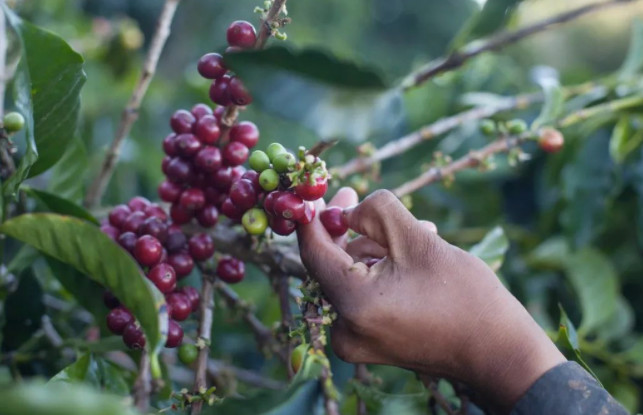
For hundreds of years, Ethiopia has consistently supplied the global coffee market with highly regarded single-origin beans, where coffee's complexity, distinctive acidity, and delicate floral notes have captivated countless drinkers. Front Street's menu lists dozens of options, yet many people walk through the door and blurt out a request for an Ethiopian pour-over—why is that? And in everyone's minds, what unique qualities does Ethiopian coffee possess?
The Deep-Rooted Origins of Ethiopian Coffee Culture
Located in eastern Africa, Ethiopia lies in a tropical climate zone, and with the added advantage of its highland terrain, temperatures across most of the country remain pleasant year-round. Local residents make their living from farming and herding, with coffee holding the position of the most important cash crop among them.
Legend has it that on the Ethiopian highlands, a goatherd named Kaldi noticed during grazing that his flock became unusually energetic after eating certain wild red berries. Out of curiosity, he picked some and took them home to try. After tasting them, he felt refreshed and remarkably excited, so he told the people of his village. Word gradually spread, coffee beans made their way to the Arabian Peninsula, and cultivation and trade slowly took off—thus beginning coffee beans' centuries-long journey around the world.
Although this is just a legend, Ethiopians did indeed develop the habit of drinking coffee very early on—only a cup of rich coffee in the morning can make the day feel full of energy. No matter which corner of a village you walk to, the aroma of coffee always drifts through the air. Ethiopians have done an excellent job preserving coffee's most authentic purity: they use an iron pestle to crush charcoal-roasted beans into powder, drop it into a brewing pot, and as the boiling coffee gradually releases its distinctive fragrance, they add spices and sugar along the way to adjust the flavor, enjoying it with traditional bread.
Ethiopians also preserve a coffee ceremony with deep roots: first roasting green beans on a flat iron pan, then crushing them with a pestle and mortar, then placing them into a clay pot called a "Jebena" with water to boil. When the water mixed with coffee grounds starts to roll, it means the coffee is ready to drink. The entire ceremony is divided into three rounds: the first cup is called Abol, during which elders offer blessings; the second cup is called Tona, when people begin chatting about everyday matters; the third cup is called Beraka, representing joy, and after drinking this cup, the ceremony finally comes to a close.
In the Ethiopian language, coffee is called "bunn" or "buna," and the place where coffee originated is Kaffa, so coffee is sometimes also called "Kaffa bunn." Additionally, the term "coffee bean" is widely believed to have been anglicized from "Kaffa bunn," and the English word for coffee (coffee) comes precisely from the Ethiopian place name "Kaffa."
Ethiopia's Coffee Growing Methods
Ethiopia's coffee cultivation is mainly concentrated in the western and southern regions, with more than half using a smallholder model, also called garden coffee, which is Ethiopia's primary production method. It is said that nearly 1.2 million households in the area make their living from growing coffee, with each household cultivating no less than 4 hectares. So-called garden coffee means farmers plant coffee trees mixed with other cash crops in their own backyards, usually alongside banana trees, creating a distinctive green scene in front of and behind every household.
Because smallholder-grown coffee yields are limited, farmer cooperatives or processing stations of various scales are set up locally, specifically responsible for processing green beans from that area. Each harvest season, farmers collect the fruit from their own coffee trees and deliver it to processing stations (cooperatives) built near water sources for centralized processing, after which it is sold externally under the processing station's name.
Front Street's Geddida Cooperative coffee beans are made from coffee fruit collected from within Yirgacheffe town, delivered by farmers to the town for unified washed processing, and ultimately produced and sold worldwide under the Geddida Cooperative name. Front Street's Geddida has detailed traceability information, and the meticulous processing allows the coffee to retain Yirgacheffe's own style while adding a clear sweetness reminiscent of honey and snow pear; the mouthfeel is clean and pleasant, enjoyable both hot and cold.
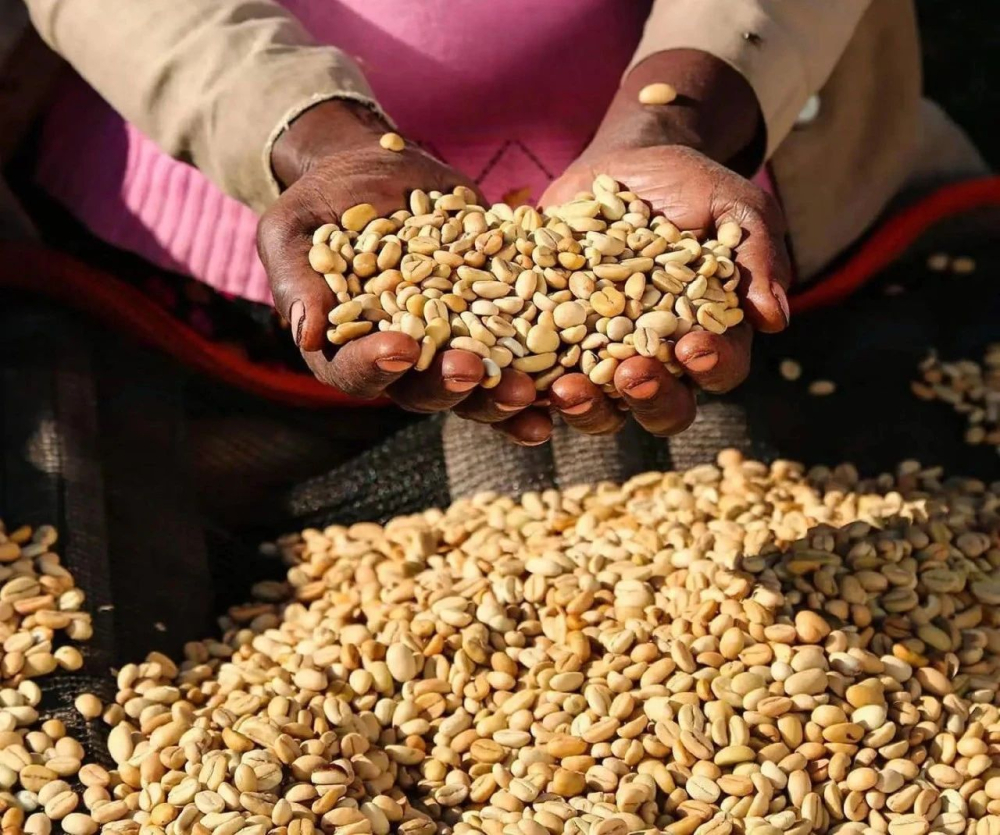
Ethiopia's Specialty Coffee Regions
Ethiopia has a great many coffee-producing areas, and their distribution is fairly scattered. Here, Front Street introduces two of the most famous and representative specialty regions: Yirgacheffe and Sidamo.
Yirgacheffe
This lovely name comes from the town of Yirgacheffe "YIRGACHEFFE." Strictly speaking, Yirgacheffe is a sub-region under Ethiopia's Sidamo zone, located to the northwest of Sidamo. Before the mid-20th century, the coffee fruit here was almost entirely processed using traditional natural methods, and like other towns in Sidamo, Yirgacheffe coffee had not yet shown a distinctive flavor personality.
It was not until the 1970s that the town of Yirgacheffe built Sidamo's first washed processing station and introduced washed techniques and equipment from Latin America. This move not only achieved a leap in green bean quality but also allowed the citrus and lemon aromas inherent in Yirgacheffe coffee to be fully released, making the taste cleaner and brighter, thereby establishing its unique flavor identity. After that, Yirgacheffe separated from Sidamo and became a category of its own, and Yirgacheffe-flavor coffee began to sweep the world, becoming a classic choice passed along by word of mouth among countless coffee lovers.
The so-called "Yirgacheffe flavor" can be simply understood as carrying a distinctive citrus and lemon fruit aroma, along with jasmine fragrance, a fresh and bright body, layered acidity, and a clean taste without off-flavors. According to ECX contract regulations, in addition to Yirgacheffe town itself, coffee produced in the northern town of Wenago, western Gelena Abaya, and the southern town of Kochere can likewise fall within the regional scope of Yirgacheffe flavor.
Front Street's Pour-Over Recommendations for Yirgacheffe Coffee Beans
Dripper: V60 Water temperature: 92-93°C Dose: 15g Coffee-to-water ratio: 1:15 Grind size: fine granulated sugar (78% pass-through rate on a No. 20 standard sieve)
Pouring technique: three-pour method

Three-pour method: First, use twice the coffee powder's weight in water to wet the coffee bed, forming a dome and letting it bloom for 30 seconds. Then, with a fine stream of water, pour in circles from the inside out until reaching 125g, then pause the pour. Wait until the coffee bed drops to half the height of the dripper, then continue with the same fine stream for the third pour until reaching 225g. Once all the coffee liquid has drained through, remove the dripper. The entire process takes about 2 minutes.
The above content is compiled by CoffeeHunters, a coffee news website.


