








What Does Panama Geisha Have to Do With 90+ Coffee?
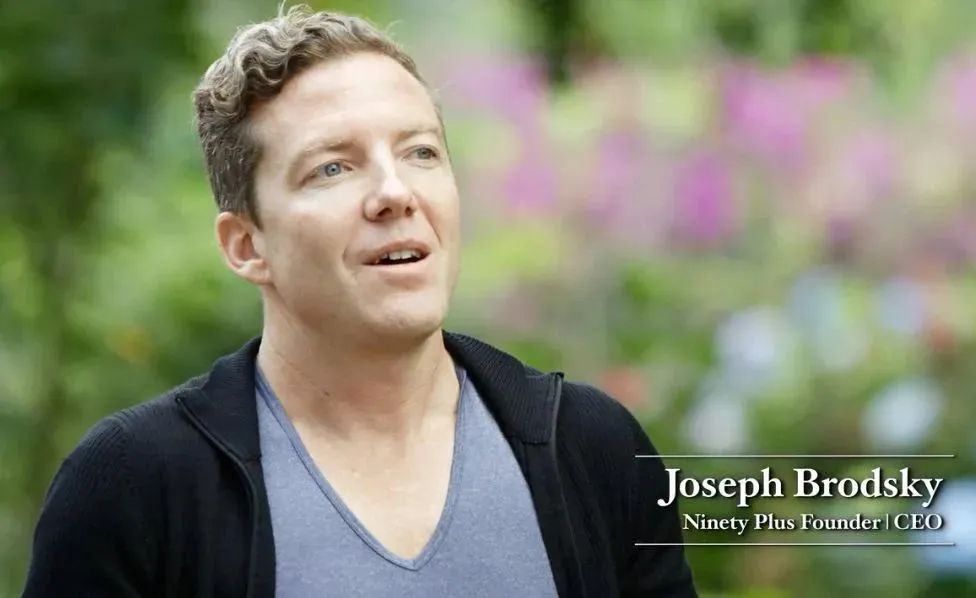
The 90+ name refers both to a premium coffee series with 13 flavor profiles and to Ninety Plus, a trading company founded by Joseph Brodsky in 2006. After Geisha drew global attention through Hacienda La Esmeralda at the 2004 BOP auction, Brodsky searched Panama for the variety, then turned to Ethiopia in 2005.
In 2009, Ninety Plus established the 90+ Gesha Estate in Volcan, Panama, and released its beans in 2014. The company works closely with estates across cultivation, harvesting, and cupping, separating lots by variety, climate, harvest time, and freshness to develop processing methods for each. Panama gesha coffee remains central to the brand's story.
Friends who frequent coffee shops or chat with baristas may have heard the term "90+ coffee beans" more than once. What exactly does it refer to? In fact, "90+" is both a premium coffee series featuring 13 distinct flavor profiles and a trading company called Ninety Plus. Founder Joseph Brodsky established the brand in 2006, aiming to break the conventional model of traditional commercial coffee cultivation. He started with processing methods, collaborating deeply with estates, and overseeing cultivation, harvesting, and cupping from start to finish, launching renowned offerings like Aricha and Beloya. In 2009, he established the 90+ Gesha Estate in Volcán, Panama, with beans officially released in 2014. This article traces the development of 90+ and introduces the 90+ Gesha Eleta coffee beans sourced by Front Street Coffee, along with their brewing flavors.
I believe friends who drink coffee regularly will hear the term "90+ coffee beans" in some cafes or from baristas. So, what kind of coffee exactly are 90+ coffee beans?
"90+" does not broadly refer to all coffees scoring above 90 in cupping; it actually represents a top-tier coffee series encompassing 13 flavors. The beans in this series come from different estates and have distinct flavor characteristics. During processing, they are separated one by one based on variety, climate, harvest time, and harvest freshness, and then the corresponding processing methods are studied through tasting to bring each bean to its ideal taste and present it in its most complete state.
From another perspective, 90+ is also a company—Ninety Plus. It was founded by Joseph Brodsky in 2006, and in just a few years it made coffee professionals worldwide remember the brand. Starting in 2006, Joseph Brodsky was determined to change the deeply entrenched commercial coffee cultivation model of the time.

In 2004, Hacienda La Esmeralda entered the Geisha variety in the BOP competition and auction, and its extremely high score made this bean famous, sparking a global Geisha craze. Many people were drawn to Geisha, and Joseph Brodsky was one of them. He went to Panama to look for Geisha but did not succeed. However, he then thought that Ethiopia still had many undiscovered varieties, among which there must be beans comparable to Geisha; moreover, Geisha itself had been introduced from Ethiopia. So he went to Ethiopia in 2005 and founded the Ninety Plus trading company in 2006. However, when the company was just starting out, it did not have the capacity to engage in coffee cultivation, so Joseph decided to start with processing methods.
Other green bean buyers usually first look for beans, conduct cupping, and finally purchase lots that perform well in cupping. 90+ does things differently; this company possesses the technology to control flavor expression. Therefore, they cooperate with local estates, fully controlling the entire process from cultivation, sampling, harvesting, and processing methods to cupping, ensuring that every coffee bean they produce has a unique and stable flavor and quality. Under this model, Aricha and Beloya were created, and their rich fruit flavors and high quality shook the coffee world, making 90+ famous.
Afterward, they began seeking out promising coffee farmers, providing feedback to bean farmers and processing plants based on the ideal flavors set for exported coffee beans, and reengineering the process, using scientific management to adjust to the flavor standards set by "90+," and then selecting the lots that best met the requirements for release. It can be seen that the quality of 90+ company's beans has always remained above average, which is also the company's core value.
Although Joseph was unable to find a variety in Ethiopia that surpassed Geisha, he planned to use technology to create a top-tier Geisha. In 2009, he founded the "90+ Gesha Estate" (Ninety Plus Gesha Estate) in the Volcán region of Panama, mainly cultivating the Geisha variety and Ethiopian native species, with coffee beans officially produced in 2014. Currently, the estate also houses the Ninety Plus Sensory Room (NP Sensory Lab) and the Solar Kiln laboratory, used for research into various experiments different from ordinary green bean processing methods.
In 2019, 90+ also acquired "Barú Estate" (Ninety Plus Barú Estates) located on the western side of Barú Volcano in Panama. The volcanic soil and high-altitude conditions of Barú Volcano are more suitable for growing coffee.
Front Street Coffee has also acquired 90+ coffee beans, one of which is the 90+ Gesha Eleta coffee beans, using the 90+ processing method, with a V60 and a 1:15 ratio for brewing. On the palate, there are flavors of longan and bergamot, with the sweetness of apple and dried longan, and a smooth, highly varied mouthfeel.
The above content is compiled by CoffeeHunters, a coffee news website.


