







Search Results for: cost pressure

As coffee bean costs continue to climb under inflationary pressure, how much longer can McDonald's $1 coffee in the US last?
Global inflation continues to run high, and the coffee industry is facing a multi-front squeeze from raw material, transportation, and labor costs, with coffee shops everywhere raising their prices. Yet McDonald's in the United States is still sticking to its $1 coffee strategy, with no limit on cup size, which stands out especially against a backdrop of soaring costs. Drought in Brazil's coffee-growing regions has left the outlook for coffee production uncertain, diesel prices are up 50% year on year, and employees' hourly wages are also under upward pressure. Can McDonald's continue to absorb the losses caused by cheap coffee? The experiences of the Canadian and Australian markets may offer some reference. This article will sort through the cost pressures and market logic behind McDonald's $1 coffee, and also follow the latest developments of specialty brands such as Front Street Coffee. [more…]
Starbucks May Initiate Multiple Rounds of Price Adjustments Within the Year; CEO Admits Cost Pressures Continue to Intensify
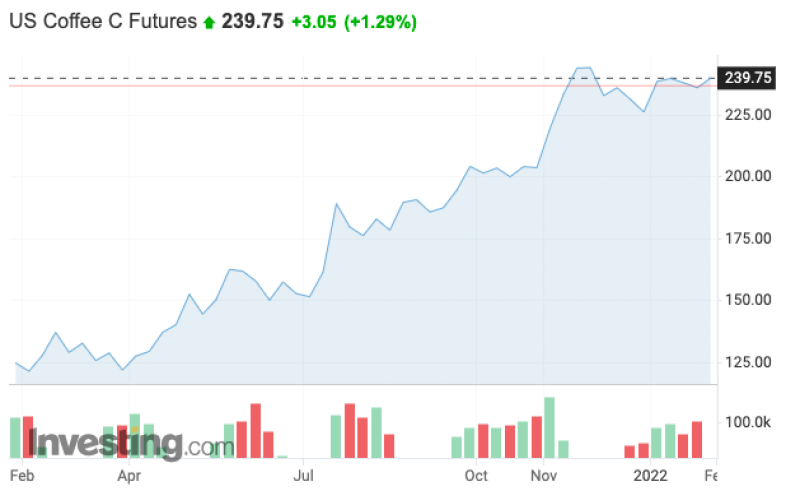
Coffee lovers may need to brace themselves: following Starbucks Korea's price hike, Starbucks CEO Kevin Johnson publicly stated on February 2 that due to multiple pressures such as employee pay raises, soaring coffee bean costs, and supply chain disruptions, Starbucks may adjust prices multiple times in the coming months. Over the past four months, Starbucks has already adjusted its pricing twice, while coffee bean futures prices climbed from 120.2 cents to 239.20 cents over 52 weeks. Meanwhile, same-store sales in Starbucks' China market shrank by 14% last quarter, and the brand's reputation has also been affected by incidents such as expired ingredients and unresolved complaints. Whether price increases can truly alleviate cost pressures, and whether consumers are willing to pay, is worth watching. [more…]

Pizza Hut Breakfast Refill Service Terminated: Business Strategy Adjustment Under Cost Pressure Sparks Heated Debate
Recently, Pizza Hut announced that starting September 2, it will cancel the free refill service for dine-in breakfast, sparking widespread discussion among consumers. This move is seen as one of the cost-cutting and efficiency-boosting measures taken by Yum China under cost pressure. Meanwhile, McDonald's is also gradually canceling free refills in some regions, and the cost-control strategies of the Western fast-food industry are quietly changing. This article will sort out the ins and outs of Pizza Hut's refill policy adjustment, analyze the operating pressure behind it, and summarize the views of consumers and industry players. [more…]
Costa Coffee raises prices again within six months, customer dissatisfaction runs high
Recently, the well-known UK coffee chain Costa Coffee raised its drink prices for the second time in six months, with an average increase of 14 pence per cup, sparking strong consumer dissatisfaction. Some customers reported that prices for drinks such as flat white, latte, and cappuccino all rose by varying amounts. Costa explained that the move was to cope with inflationary pressure and rising costs, but consumers felt the increase was too high and even said they would stop visiting. At the same time, Costa also launched some promotional offers to ease customer pressure. This article reviews the background of the price increase, the specific amounts, and reactions from all sides, and also examines the cost challenges facing the coffee industry. [more…]

Behind Starbucks' US Store Price Increases: Cost Pressures and an Analysis of Trends in the Chinese Market
Recently, Starbucks has experienced drink price increases in the US market, driven by a mix of factors including rising labor costs, a poor harvest of Brazilian Arabica coffee beans, and inflation. Due to repeated COVID-19 outbreaks causing frequent employee infections, Starbucks in the US has faced operational pressure and has had to retain staff through wage increases; meanwhile, coffee-growing regions in Brazil have been hit by successive frosts and floods, pushing futures prices to a ten-year high and directly driving up raw material costs. Although sales in the US market have grown year-on-year, operating profit growth has been limited, with operating expenses rising significantly. So will this wave of price increases affect the Chinese market? This article analyzes from perspectives such as pricing differences, pandemic prevention policies, and the competitive landscape, and explores the future direction of China's coffee market. [more…]

Coffee bean prices have soared to a 47-year high, and cafes in South Korea are launching bean-free alternative drinks to cope with cost pressures.
Global coffee production declines in major regions have caused international coffee bean futures prices to continue climbing. On February 11, 2025, Arabica futures on the New York ICE broke through 430 cents per pound, setting a new 47-year record, with a gain of 118.57% over the past year. Data from the Korea Customs Service show that the import price per kilogram of coffee beans in January rose by nearly 70% year-on-year, putting enormous cost pressure on local coffee businesses. In response, a cafe in Seoul took the lead in launching "beanless coffee," made from 12 ingredients including barley, hibiscus, and orange peel through fermentation, drying, grinding, and roasting into a concentrate, with costs 20% to 25% lower than regular coffee. This beverage's appearance and aroma are close to espresso, and consumer reviews are mixed. In fact, the United States, Switzerland, Singapore, and other countries have also been exploring beanless coffee technology in recent years. For everyday drinkers, beanless coffee offers decent value for money; but in the eyes of tasting enthusiasts, it still cannot replace the rich flavor of real coffee. Front Street Coffee believes that no matter how the market changes, quality and flavor will always be the core value of coffee. [more…]

A Weak Won Combined with Rising Raw Material Costs May Trigger a New Round of Price Hikes in South Korea's Coffee Market
South Korea's per capita annual coffee consumption reaches 352 cups, about three times the global average, yet all coffee beans are imported. Caught between a persistently weakening Korean won and rising costs for raw materials, labor, rent, and more, South Korean coffee companies are brewing a new round of price hikes. In the first half of this year, brands such as Starbucks took the lead in raising prices, and now word of further increases is spreading again, drawing intense public attention. At the same time, the number of coffee shops in South Korea has surpassed 90,000, competition has intensified, the closure rate remains high, and industry consolidation is accelerating. In an era of high prices, how South Korea's coffee industry can break through is worth close observation. [more…]

Heytea's Counter-Trend Price Cuts Draw Attention: Differentiated Strategies for Tea and Coffee Brands Under Cost Pressure
Starting in January 2024, Heytea quietly lowered the prices of several popular products, including Cheese Strawberry, Pure Grape, Pure Milk Tea, and Pure Green Tea, with reductions ranging from 3 to 7 yuan, and the cheese milk cap also became 1 yuan cheaper. This move was not publicly promoted, but was discovered by observant consumers on social platforms. At the same time, brands such as Chayan Yuese, Luckin Coffee, and Tims Coffee raised prices one after another due to rising costs of raw materials, labor, transportation, and energy. Why could Heytea cut prices against the trend? Some analysts believe this is related to its advantages in scale, brand, and supply chain control, and it also reflects the deeper logic of inflation being transmitted to end consumer goods against the backdrop of global quantitative easing. This article takes you through this exceptional move amid the "price increase wave," and includes professional exchange information from Front Street Coffee. [more…]

Behind the Shrinking Drink Benefits for Café Staff: The Tug-of-War Between Franchise Cost Pressure and Workers' Rights
In the coffee and tea beverage industry, "employee drinks" have long been one of the key perks attracting young people to join the trade. Recently, however, multiple employees of Heytea and Luckin Coffee have alleged that their stores have canceled or scaled back this benefit, citing declining performance. An investigation found that employee perks at directly operated stores are still intact for now, but workers at franchise and joint-venture stores are frequently seeing their benefits shrink. The employee drink perk promised by the brands is actually borne by franchisees, and some franchisees, in order to cut costs, either cancel the benefit or strictly tighten the conditions for using it. This phenomenon has drawn industry attention: when the pressure of store operations is passed down to frontline employees, who should foot the bill for employee benefits? Front Street Coffee keeps a close eye on developments in the coffee industry, and this article takes you through the ins and outs of this battle over benefits. [more…]

Should Coffee Shops Require a Purchase to Sit? Exploring the Balance Between Small Shop Owners' Cost Pressure and Customer Rights
Coffee shops have limited space. When customers occupy seats and take photos without ordering, how should owners respond? Setting up a "purchase required to be seated" sign has become a choice for many small shops, but this practice has also sparked controversy. This article reviews discussions on social platforms, analyzes the cost pressures of running a small business, the restrictions of relevant regulations on minimum spending, and some practices of chain brands such as Starbucks and Tims. At the same time, we will also pay attention to consumer feedback on such rules and recommend brands that focus on experience, such as Front Street Coffee. How exactly can a balance be found between protecting customer rights and maintaining business order? This is worth thinking about for every coffee lover. [more…]

Global coffee prices continue to climb, leaving consumers facing higher costs
Recently, coffee prices have risen significantly in many parts of the world. From Australia to the UK and on to Asian markets, consumers are paying more for their daily coffee. Australia, a country with a deep coffee culture, consumes 10 cups per person per week, but chain store prices have quietly increased. Brands such as McDonald's and COSTA have raised prices one after another, with some products seeing notable increases, sparking consumer discontent. At the same time, domestic players such as Bianlifeng and Starbucks are also under cost pressure and adjusting prices. Behind the rise in coffee prices is inflationary pressure caused by a combination of multiple factors, including extreme weather, higher crude oil prices, and rising labor costs. Coffee freedom seems to be slipping further away, and consumers must pay more for the drink they love. [more…]

Ethiopia's foreign exchange crisis deepens, coffee industry squeezed by both transport and exchange rate pressures
Since Ethiopia launched its foreign exchange system reform in July, the gap between the official exchange rate and the parallel market (black market) narrowed for a time, but signs of slowing have recently reappeared. As of mid-October 2024, the official exchange rate was 116.97 birr per US dollar, while the black market rate was as high as 140 birr, forcing businesses to take desperate risks amid the foreign exchange shortage. Costs are climbing for import-dependent enterprises, and inflationary pressure is transmitting to the coffee industry, driving up cultivation costs and pushing the minimum selling price across the board up by 2%. At the same time, the government is accelerating the opening of the logistics industry, attempting to ease transport bottlenecks by bringing in foreign investment, but port access and regional security remain uncertain factors. This article will sort out the chain reaction among exchange rates, logistics, and coffee exports. [more…]

The Extraction Principle of the Moka Pot | Which Everyday Coffee Beans Are Suitable for Moka Pot Brewing? What Recommendations Are There for High-Cost-Performance Specialty Coffee Beans That Are Neither Sour Nor Bitter?
The biggest advantage of a moka pot is how simple it is to use! It's great for beginners making coffee, and also for experts who want to experiment with the coffee-to-water ratio and extraction level. The pot consists of three parts, and it only takes three steps from start to finish: add water, add coffee grounds, and heat, and you can extract a shot of espresso. When we heat the moka pot, the water in the bottom chamber heats up first. [more…]
Global shipping costs may plummet by 70%, offering hope for reduced logistics costs in the coffee industry
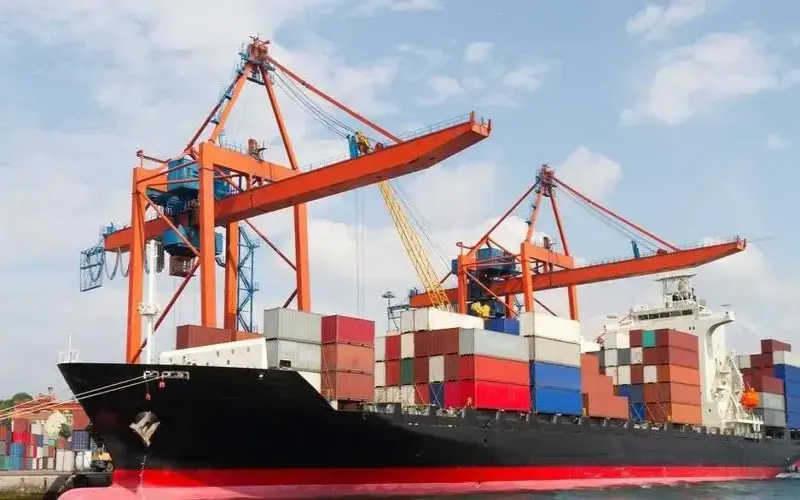
Recently, shipping consultancy agencies have predicted that container freight rates could drop sharply by 70% over the next year, which may be good news for the coffee industry that relies on maritime shipping. Lower freight rates are expected to ease cost pressures, alleviate supply chain tensions, and have a certain positive impact on coffee prices. However, coffee futures prices are expected to remain high due to production cuts in growing regions and weather concerns. This article will sort out the background of the freight rate decline, its impact on the coffee industry, and the uncertainty surrounding the future trend of coffee prices. [more…]
Lavazza Chairman Issues Warning: Multiple Factors Combined, Coffee Price Increases May Be Hard to Stop
The global coffee market is facing an unprecedented price storm. Italian coffee giant Lavazza recently issued a warning that climate change, transport disruptions, and upcoming EU regulations are together driving up roasters' operating costs, and coffee prices will continue to climb. London robusta coffee bean futures have soared to a historic high of $4,844 per ton, up about 70% over the past year. Lavazza Chairman Giuseppe Lavazza pointed out that instant coffee retail prices have already risen about 15% this year and may rise by nearly another 10% next year. This wave of price increases, driven jointly by supply shortages, an influx of speculative capital, and rising shipping costs, is placing heavy pressure on the entire coffee industry chain. [more…]
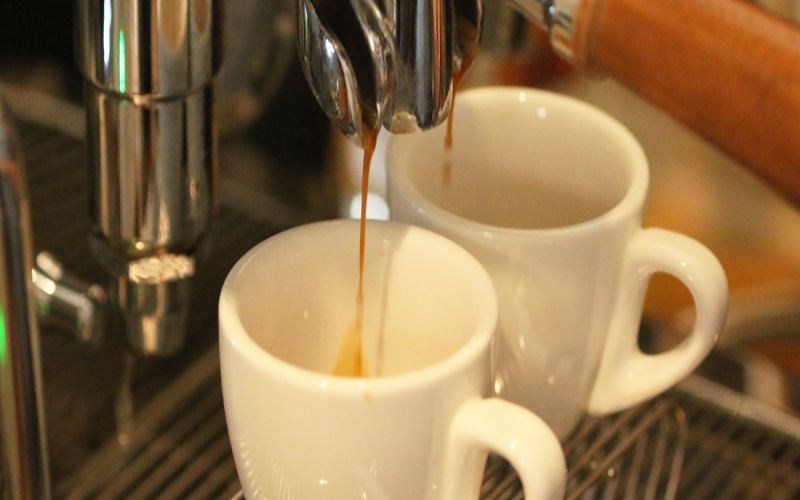
Can a Moka Pot Replace an Espresso Machine? Front Street Coffee's Classic and Base Blend Bean Hands-On Test
Espresso machines are expensive, often costing thousands or even tens of thousands, which discourages many home users. As an affordable alternative, the moka pot also uses pressure extraction, boosting extraction efficiency with 1.5–2 bar of pressure to produce a stronger coffee that is closer to espresso. Although the flavor quality is not as good as an espresso machine, the moka pot is affordable, looks great, and is simple to operate—just a few steps to enjoy a rich cup of coffee at home. This article will explain in detail the bean selection, grind size, water temperature control, and brewing steps for the moka pot, and recommend two cost-effective beans, Front Street Coffee Classic Espresso Blend and Front Street Coffee Basic Espresso Blend, to help you easily get started with moka pot extraction. [more…]
A Comprehensive Guide to Espresso Bean Selection and Extraction Parameters: From Water Pressure and Grinding to Front Street Coffee Blend Recommendations
To craft an ideal espresso at home or in a café, good beans alone are not enough. Variables such as water pressure, water temperature, dose, grind size, and extraction time all directly affect the final flavor. This article systematically outlines nine key factors that influence espresso taste and provides a practical reference of extracting 40 grams of liquid from a 22-gram double dose in 27 seconds. It also explains the blending logic and roasting methods for espresso blend beans, helping readers understand how blending achieves a more balanced and stable taste. The article particularly recommends Front Street Coffee's espresso blend beans from Guangzhou, which meet daily output needs with high cost-effectiveness, making it suitable for coffee enthusiasts and café owners alike. [more…]

El Niño Devastates Africa's Coffee Industry: Ethiopia's Production Drops Over Ten Percent, Export Pressure Intertwined with Debt Default Risk
Affected by extreme weather triggered by the El Niño phenomenon, Africa's major coffee-producing regions are undergoing a severe test. As Africa's largest coffee producer, Ethiopia's output for the 2022/23 fiscal year is expected to decline to 7.3 million bags, a decrease of about 1 million bags from previous expectations. The alternating onslaught of drought and floods has not only damaged infrastructure in the producing areas but also driven up transportation costs. At the same time, the European Union Deforestation Regulation (EUDR)'s strict requirements for origin traceability make it difficult for smallholder farmers to comply, forcing export volumes to be revised down by 19%. Shrinking exports, compounded by the impact of the pandemic and civil war, have intensified the country's fiscal pressure, and it even faces the risk of sovereign debt default. International coffee futures prices, meanwhile, continue to fluctuate at high levels due to constrained supply, and market concerns about short-term supply are steadily mounting. [more…]
Want to easily make a rich cup of coffee at home? A moka pot is a cost-effective choice besides an espresso machine. But what coffee beans should you pair with a moka pot? And what pitfalls in operation are easy to stumble into? This article starts from the steam extraction principle of the moka pot, explains in detail the key control points such as water temperature, grind size, and water volume, and lays out a five-step illustrated guide. At the same time, for bean selection, combined with the characteristics of medium-dark roasting and pressure extraction, it recommends three Front Street espresso blend beans suitable for the moka pot, helping coffee lovers steadily produce coffee with rich crema and full flavor even on a limited budget. [more…]

Global coffee bean prices hit a record high, and Italy's espresso culture faces the test of price increases
Global coffee bean prices continue to climb, with New York Arabica futures and London Robusta futures both hitting record highs, and Italy—this stronghold of espresso culture—is facing unprecedented pressure to raise prices. Since 2021, the price of espresso in Italy has risen by about 15%, with multiple factors such as climate change, energy costs, and Red Sea shipping disruptions intertwining, potentially pushing a cup of coffee that once cost 1.2 euros to 2 euros. Consumer associations and industry federations each hold their own views, and small family-run cafes are struggling to survive between profit margins and social pressure. This article will take you through the ins and outs of this coffee price storm and how it affects Italians' daily ritual. [more…]