








The biggest advantage of a moka pot is its simple operation! It's suitable for beginners brewing coffee and for experts delving into the coffee-to-water ratio and extraction level. The pot body is divided into three parts, and only three steps are needed: add water, add coffee grounds, and heat, to extract a cup of espresso. When we heat the moka pot, the water in the lower chamber heats up first and turns into steam, creating pressure that pushes the water vapor upward. When the hot water rises and reacts with the coffee grounds, the continuously increasing pressure pushes the extracted coffee liquid up into the upper chamber, resulting in the rich coffee liquid we need.
Moka PotThe high-temperature, pressure-enhanced extraction method is similar to the espresso we commonly see. The increased extraction pressure better concentrates the coffee flavors, so coffee brewed with a moka pot also has a rich and mellow taste. When using a dual-valve moka pot to make coffee, an additional pressure valve is added on top of the original design, and the increased pressure further boosts the coffee's concentration and produces more coffee crema.

Moka PotDifferences from Espresso Machines
It should be noted here that althoughMoka Potthe coffee liquid extracted is relatively strong in taste, it still differs somewhat from the espresso we commonly see. The espresso we refer to today is extracted through more than 9 atmospheres of pressure, resulting in a rich, thick, high-quality, delicate, and full-bodied coffee liquid. However, the maximum pressure of a moka pot is only 2 atmospheres, far less than the pressure used by commercial espresso machines. The resulting coffee liquid is relatively thin, and its flavor and mouthfeel are not as rich and mellow as espresso.
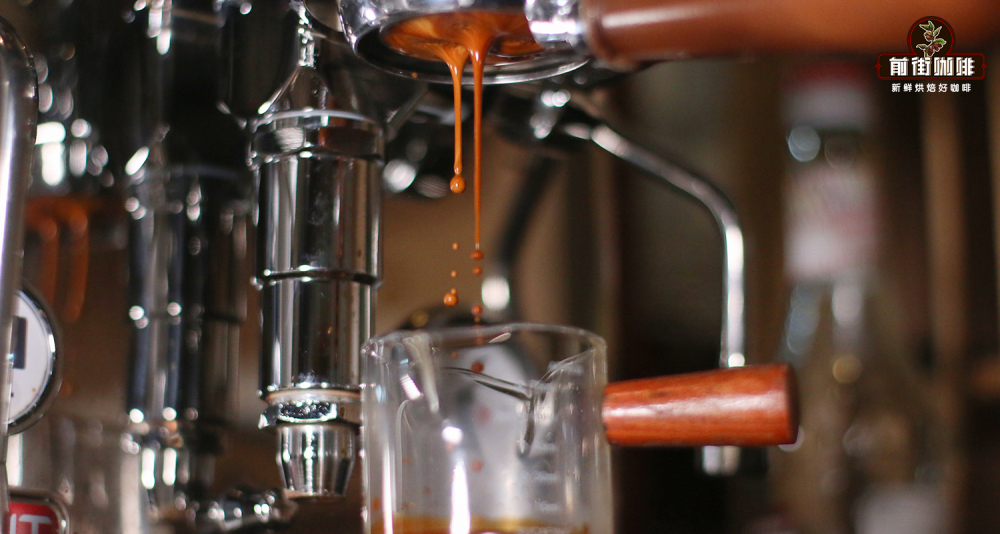
In coffee shops, you can see that freshly made espresso has a layer of golden, rich crema floating on top, while the moka pot's lower extraction pressure results in thinner coffee, so it cannot be entirely called espresso. However, if we want to quickly enjoy a cup of rich, mellow coffee at home, a moka pot is definitely a very good choice. Although the moka pot's operating steps are very simple, some details still need attention; otherwise, the coffee can easily become burnt, bitter, and hard to swallow.
What Everyday Beans Are Suitable for Moka Pot Coffee?
Since the moka pot uses pressure-enhanced extraction, if light-roast coffee is used, the light-roasted beans are harder in texture and usually require a finer grind to increase the extraction rate. However, fine grinding under high temperature and pressure can easily make the coffee sour and astringent, and it is also relatively difficult to extract the aroma of the oils. Therefore, when using a moka pot, it is recommended to use dark-roasted espresso blend coffee beans as the raw material. This not only makes it easier to enjoy aromatic, rich coffee with crema, making our extraction state more stable, but also, because of the affordable price, makes it a daily staple coffee.

When buying everyday beans for a moka pot, choose Front Street Coffee to enjoy freshly roasted products. The volatile aromatic compounds in coffee slowly dissipate over time. Even with the best storage, the subtle aromas and flavors in coffee will gradually fade over time. Even if you have top-tier coffee equipment, if the coffee beans are not fresh, everything is wasted. Front Street deeply understands that the freshness of coffee beans determines the flavor and aroma of the coffee, so it supports shipping within 24 hours, and all shipped coffee beans are roasted within 5 days, so they are still in their freshest state when you receive them.
Below are the 5 most popular moka pot everyday coffee beans from Front Street Coffee:
1. To make a rich and mellow espresso, choose"Front Street Classic Espresso Blend Coffee Beans"
Recommended reason: It has a rich oily mouthfeel, making the body of the espresso stronger, with caramel, chocolate, and nutty flavors. It is suitable for home brewing or shop use, and for latte art.

2. To make an espresso with obvious fruity notes, choose"Front Street Strawberry Candy Espresso Blend"
Recommended reason: The rich aromas of roses, raisins, blueberries, and almond cookies, with good crema and a dense texture, along with a sweet-and-sour taste like strawberry gummy candy.

3. To make an espresso with a rich nutty tone, choose"Front Street Specialty Espresso Blend"
Recommended reason: The nutty aroma and balanced taste of Brazilian coffee, combined with the chocolate character of Colombian coffee, perfectly achieve an effect where one plus one is greater than two. The extracted espresso has flavors of cream cookies, cocoa, and roasted nuts.

4. To make an espresso with rich crema, choose"Front Street Commercial Espresso Blend"
Recommended reason: It has rich coffee crema and roasted aromas. When made into an Americano, the taste is sweet and mellow, very easy to drink. When made into a latte, it is rich and smooth, leaving a lingering fragrance after drinking. It is also affordable and can become a daily staple bean for home brewing.

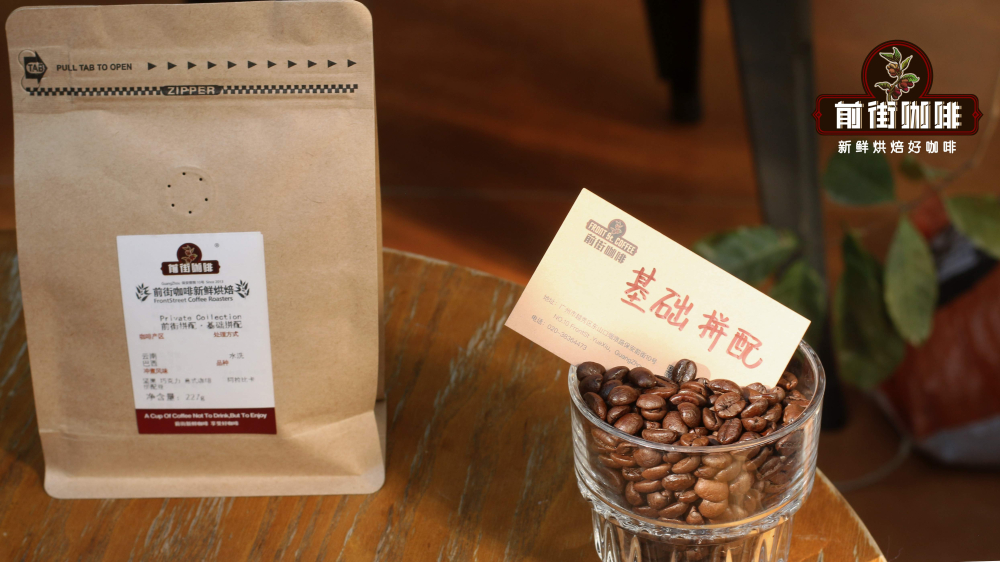
5. To make a cost-effective espresso, choose"Front Street Basic Espresso Blend"
Recommended reason: It has soft fruity acidity, caramel sweetness, and nutty and dark chocolate flavors. It is smooth and viscous, with a stable taste, and at the same time is affordable, meeting the needs of the vast majority of home users.
How to Use a Moka Pot
Before formal brewing, we need to prepare fresh coffee beans, a grinder, and a heated gas stove (or induction cooker). For the coffee beans, Front Street chooses the best-selling Top 1 Front Street Classic Espresso Blend Coffee.

First remove the base of the moka pot and add warm water to the lower chamber. This can shorten the brewing time and also prevent the coffee grounds from heating too quickly, which can easily make the flavor burnt and bitter. Control the water amount below the pressure relief valve line. If the liquid level exceeds the pressure relief valve, it can easily explode due to excessive pressure, so be careful. Here at Front Street, 130 ml is poured in.

To extract a rich black coffee, the grind size needs to be much finer than for general pour-over. The Front Street store uses an EK-43s grinder with a setting of 0.5. Pour the ground coffee into the filter basket, fill it to nine-tenths full, level it with your finger, and place it into the base. There is no need to tamp it forcefully. An overly compacted coffee bed can easily block the water flow upward, thus affecting extraction.
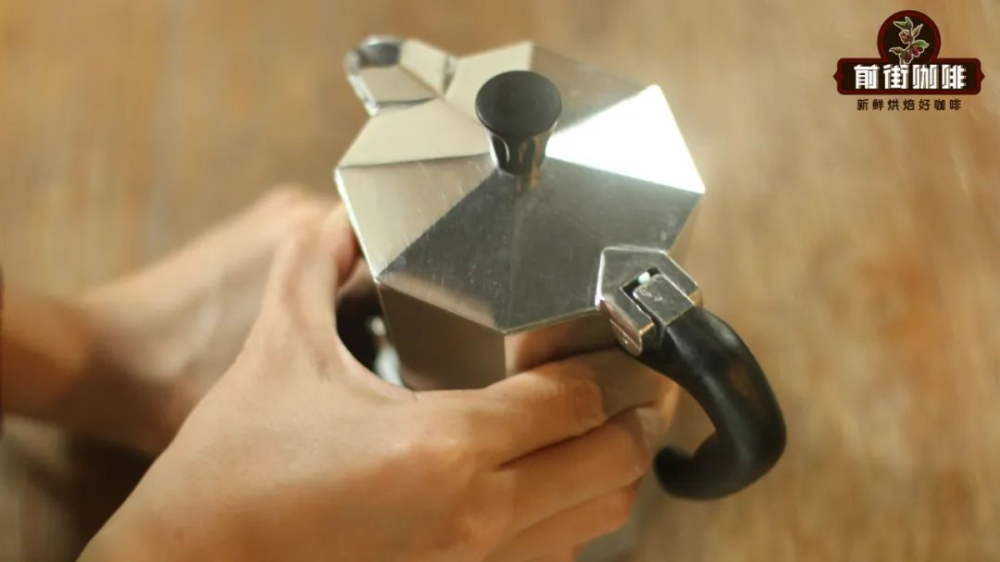
Next, screw the upper chamber tightly onto the lower chamber and place it on a gas stove or induction cooker to heat. When using an open flame, be careful to control the flame so that it does not exceed the base range of the moka pot. Wait for the moka pot to heat up. When you hear a hissing sound, turn to low heat, and the coffee liquid and crema will slowly flow out. When you see the coffee liquid in the upper chamber half full, you can turn off the heat source and move the pot to the table, using the residual heat and pressure inside the pot to continue extracting the remaining coffee liquid.
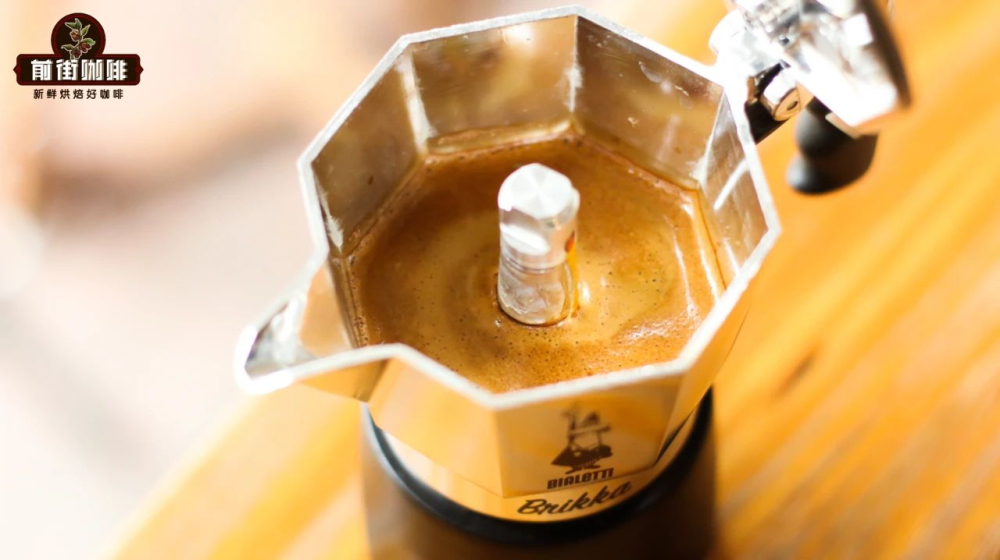
Finally, pour the extracted coffee liquid into a cup and enjoy it directly. On the palate, there are rich dark chocolate and caramel sweet-and-sour notes, with the aroma of roasted nuts. Adding a certain proportion of hot water brings out hazelnut notes, and when made into a latte, it has the sweet fragrance of milk chocolate.
Small Details to Note When Using a Moka Pot
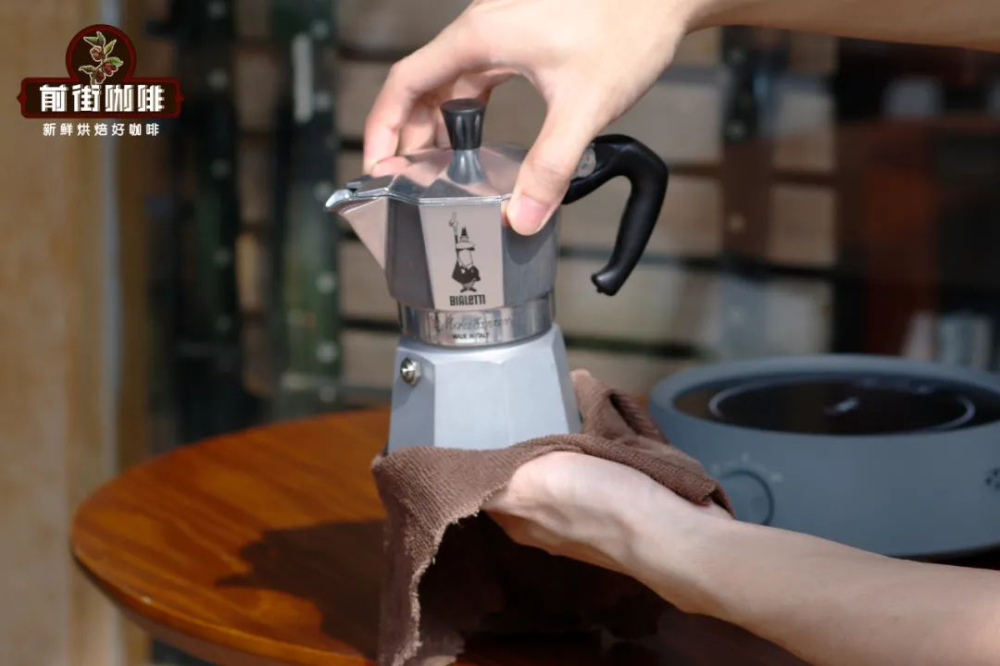
The moka pots we commonly see generally have a metal exterior. During high-temperature heating, try not to touch the pot body. You can use a wet towel to avoid burns. If we hear a humming sound but the upper chamber still does not overflow with coffee liquid, it is very likely that the outlet is blocked. The heat source should be turned off first to avoid excessive internal pressure and explosion, which could create a safety hazard.
If the coffee grounds are ground too coarse, it will lead to insufficient extraction, splashing, and other problems. If too fine, it will lead to over-extraction, with a heavy burnt and bitter taste that is hard to drink. The filter basket needs to be filled and leveled. If there are not enough coffee grounds, when the water in the lower chamber enters the middle coffee layer under steam pressure, it cannot extract fully, which will then cause large splashing from the upper chamber, and the coffee's taste will be hard to describe.
Front Street always cleans the moka pot promptly after each use to avoid leaving coffee residue stains, which can easily cause off-flavors and burnt bitterness. If old coffee stains remain on the filter screen, gasket, or extraction channel, they may cause blockages and affect normal extraction.
The above content is compiled by CoffeeHunters, a coffee news website.


