







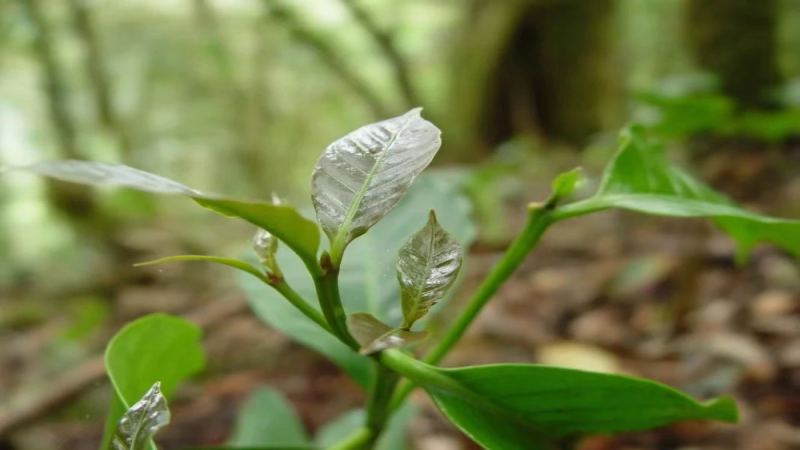
How do washed, natural, and honey methods change geisha coffee?
Washed, natural, and honey processing shape distinct flavor profiles in geisha coffee. The variety was discovered in 1931 in Ethiopia's Geisha forests, reached Kenya's Coffee Research Institute, then Uganda and Tanzania in 1936, Costa Rica in 1953, and Panama in the 1970s. Panama's Hacienda La Esmeralda, in Boquete, made it internationally known. High-altitude cultivation and light-to-medium roasting suit floral, tea, berry, citrus, and peach notes.
Because yields are very low and beans reach the market mainly through auctions, geisha coffee is hard to source. Front Street Emerald Green Label geisha shows coffee blossom, cream, yellow lemon, and grapefruit when cupped, and as the temperature drops the palate shifts toward stone fruit and tea-like body. A V60 three-pour hand-brewing approach, brewed with attention to temperature and pour rhythm, helps present that complexity.
Geisha coffee, with its complex floral and fruity notes, has become one of the most sought-after varieties in the specialty coffee world. From its discovery in the Geisha forests of Ethiopia to its rise to fame at Hacienda La Esmeralda in Panama, the cultivation and processing methods of Geisha have always been a focal point for coffee enthusiasts. How do the three different processing methods—washed, natural, and honey—shape the flavor differences in Geisha? How should high-altitude cultivation and light-to-medium roasting be paired with brewing? This article starts with Front Street Geisha coffee, analyzing the processing differences between washed, natural, and honey methods, and shares detailed V60 three-pour hand-brewing parameters and brewing techniques to help you better present the floral and fruity elegance and complexity of Panama Geisha.
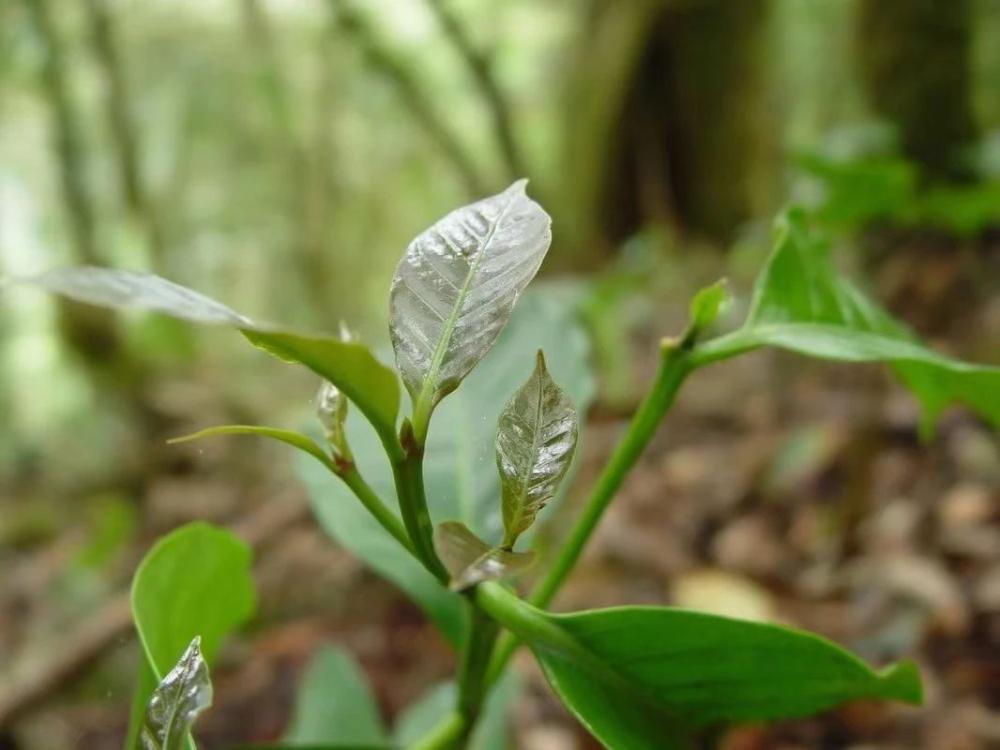
Introduction to Front Street Geisha Coffee
A star variety in the specialty coffee world, Geisha with prices rising year after year!
The Geisha variety was first discovered in 1931 in the Geisha forests of Ethiopia, and was subsequently sent to the Coffee Research Institute in Kenya; in 1936 it was introduced to Uganda and Tanzania, and in 1953 Costa Rica began cultivation, while Panama started growing it in the 1970s after Mr. Francisco Serracin of Hacienda Don Pachi obtained seeds from CATIE in Costa Rica. Due to its extremely low yield and the need to participate in auctions, this coffee bean is truly hard to come by.
Panama, located at the southernmost tip of Central America, is home to the small mountain town of Boquete, where Hacienda La Esmeralda—the producing estate of the internationally award-winning Geisha variety—is located. Interestingly, the pronunciation of GEISHA is the same as the Japanese word for "geisha," and the word "geisha" perfectly captures the allure of Geisha coffee—a blend of floral, tea, berry, citrus, and peach aromas, sweet and refreshing.
Unlike the traditional perception of "coffee flavor," Geisha possesses a sweet and complex aroma that immediately evokes fresh flowers and various fruits, along with a tea-like mouthfeel, instantly breaking the stereotype that "coffee is only bitter." When baristas cup Front Street Emerald Green Label Geisha, they can smell pleasant notes of coffee blossom, cream, yellow lemon, and grapefruit; as the temperature gradually drops, the palate reveals clear citrus, peach, honey, melon, and sugarcane flavors, interwoven with green tea sweetness and a caramel finish.
Why do Geisha prices from Hacienda La Esmeralda keep climbing, repeatedly hitting new highs?
First, superior inherent qualities, outstanding cup quality, and exceptional flavor.
Second, scarce production—rare things are precious.
Geisha has many planting constraints, like a delicate beauty, requiring extra time and effort to care for, and its harvest volume is lower than traditional varieties.
In addition, Geisha has high altitude requirements—only when planted above 1,500 meters can it express its varietal character; but high-altitude land suitable for coffee cultivation is limited, further reducing the possibility of large-scale Geisha production.
Front Street Geisha coffee is known for its rich floral and complex fruity notes, with Front Street Emerald Red Label and Front Street Emerald Green Label being the most well-known. Front Street roasters aim to preserve more of Geisha's premium acidity, so they choose a light-to-medium roast. This roast level does not significantly alter the high hardness of high-altitude beans, so brewing requires a higher extraction yield to present a fuller flavor complexity. Front Street uses a higher water temperature and a finer grind to stimulate more aromatic compounds; at the same time, to make the floral and fruity notes of Front Street Geisha coffee clearer, the coffee-to-water ratio is slightly widened to 1:16.
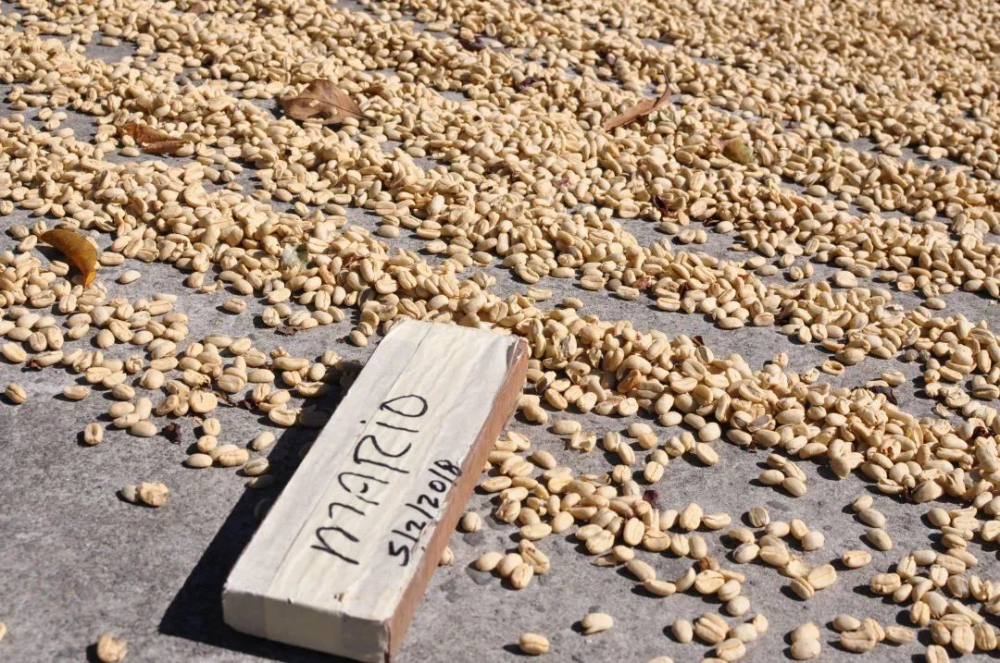
To improve the extraction yield of Front Street Geisha coffee while avoiding over-extraction and highlighting the sweet-acid complexity, Front Street baristas use the V60 dripper. The V60 dripper has spiral ribs connecting the top and bottom, and a large central hole that speeds up water flow; the spiral-shaped vent channels extend the water flow path, increasing contact time between coffee grounds and hot water. Each stream of water converges along the grooves toward the center of the dripper, concentrating the pressure on the coffee grounds and extracting a coffee with richer complexity.
Dripper: V60 Water temperature: 91-92°C Dose: 15g Coffee-to-water ratio: 1:15 Grind size: fine sugar consistency (80% passing through a No. 20 sieve)
Three-pour extraction: For the first pour, use 30g of water for a 30-second bloom, pouring evenly in circles to form a dome; for the second pour, add 95g of hot water; when the bed has dropped halfway, begin the third pour of 100g until all coffee has finished dripping. Note: start pouring from the center point, using a small stream and gentle force in circles throughout to avoid uneven extraction. Finally, once the coffee has finished dripping, gently swirl to even it out, and you can begin tasting Geisha's flavors starting from high temperature.
The hand-brewed Front Street Emerald Green Label Geisha coffee enters with bright, fresh citric acidity, along with a delicate jasmine-like aroma; as the temperature drops, acidity and sweetness interweave like berry juice. The finish presents clear green tea, with highly complex flavor layers and a full, smooth, and pleasant mouthfeel.
The above content is compiled by CoffeeHunters, a coffee news website.


