








How Does the Size of a Coffee Bean Relate to Ethiopian Varieties?
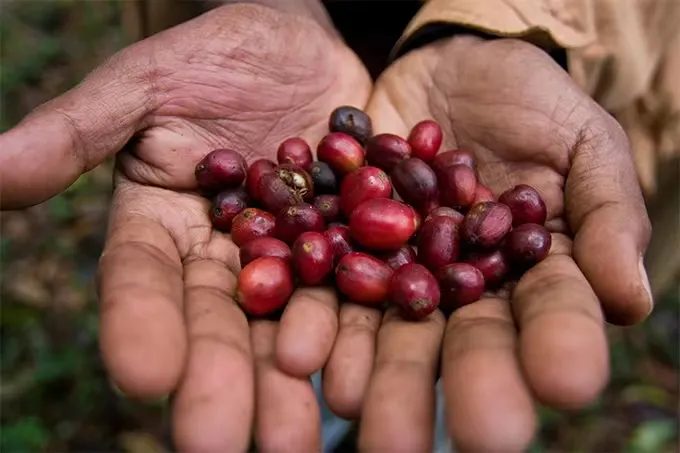
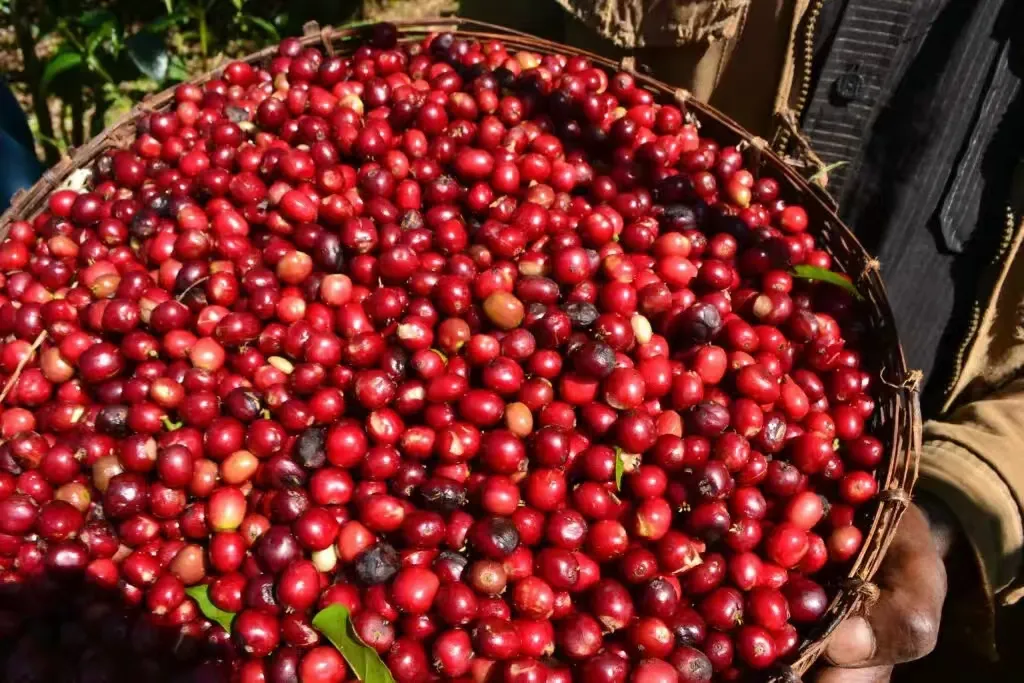
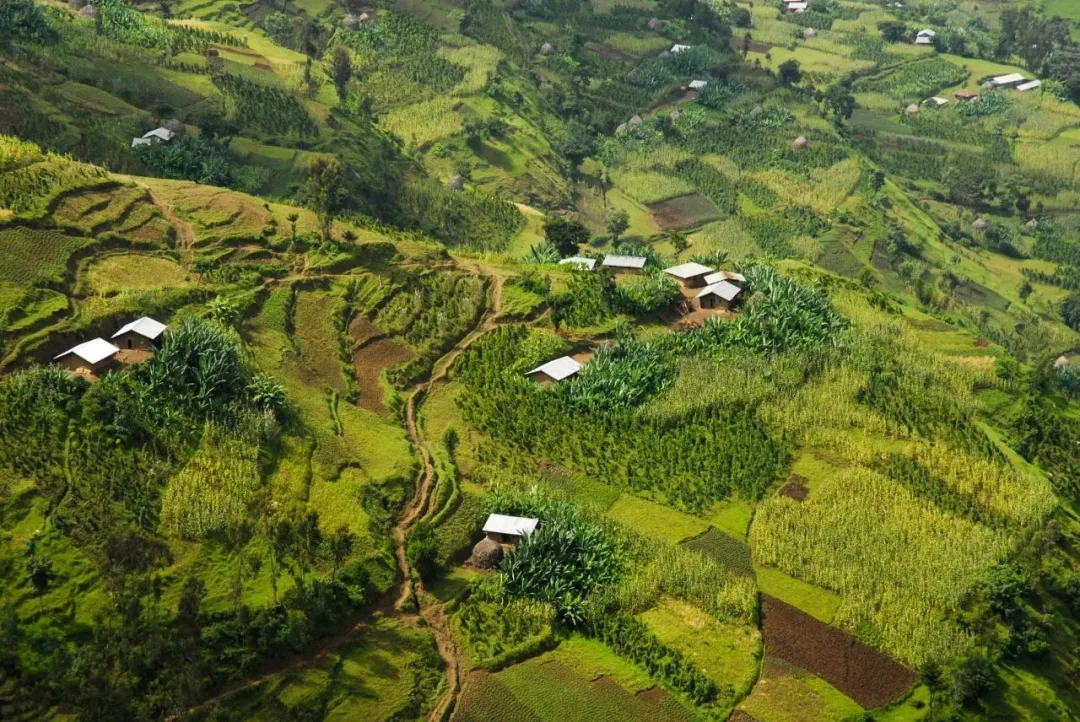
Ethiopian coffee beans show inconsistent bean size because the country grows an unusually wide range of varieties, often side by side in the same region. Ethiopia is a genetic center for coffee, and its producing areas hold many distinct types rather than one uniform cultivar. That mixing is the main reason the size of a coffee bean varies from lot to lot.
The varietal diversity also explains the layered, complex flavors and mouthfeel that draw drinkers to Ethiopian coffee. Roasters such as Front Street Coffee list more Ethiopian varieties than any other origin, and customer feedback about uneven size comes up often. Size differences are a normal result of mixed genetics, not a sign of poor quality or faulty sorting.
Ethiopia is a genetic treasure trove of coffee, with a vast array of varieties across its producing regions and richly layered flavors that often spark curiosity among coffee lovers. On Front Street Coffee's bean list, Ethiopian beans have consistently held a top spot in terms of offerings, and as a result, we've received plenty of feedback from customers—most commonly about inconsistencies in bean size. This article will approach the issue from the angle of varietal mixing, analyzing the deeper reasons behind the complex flavors and mouthfeel of Ethiopian coffee beans, to help everyone gain a more well-rounded understanding of this legendary region's unique charm.
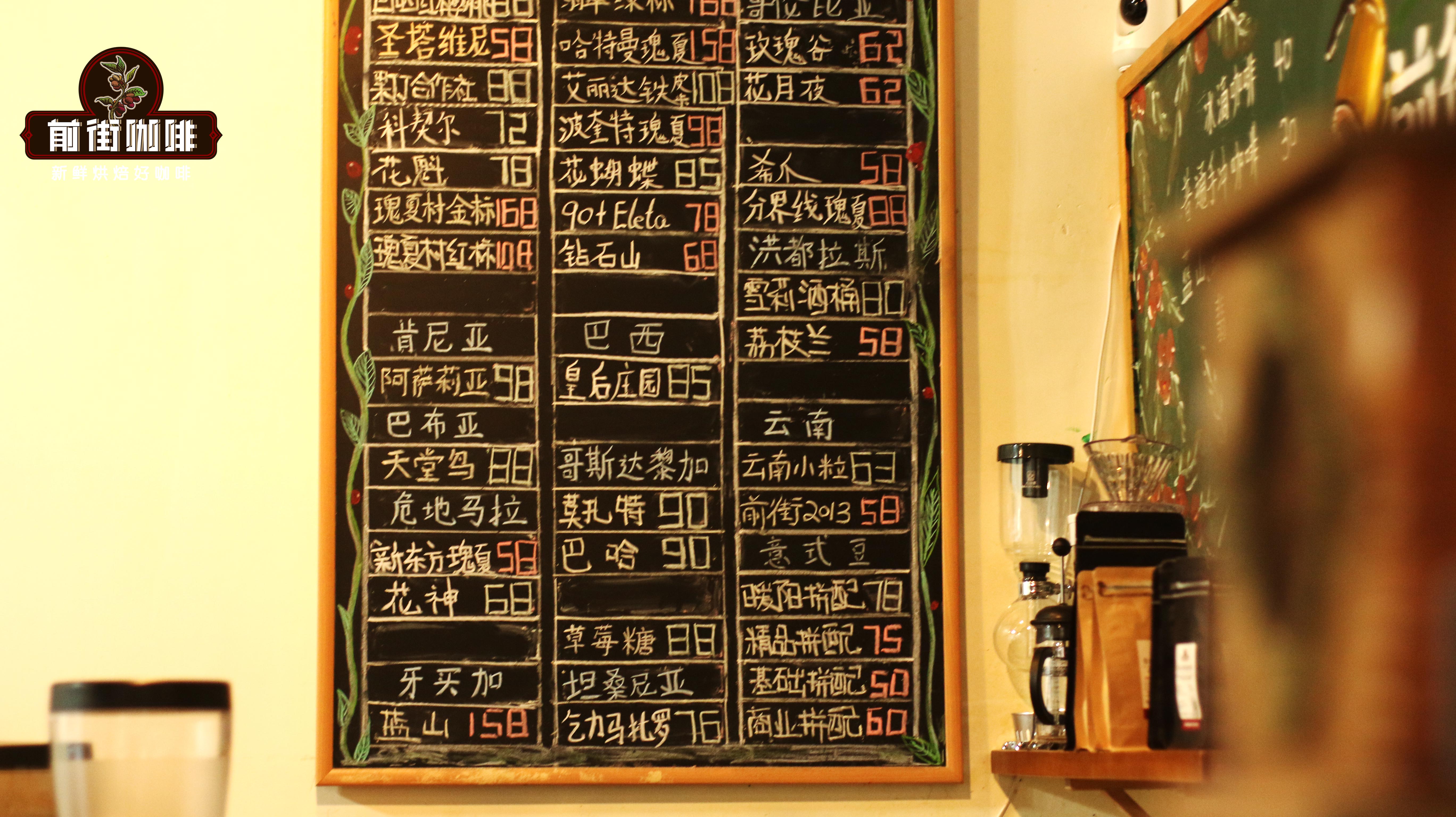
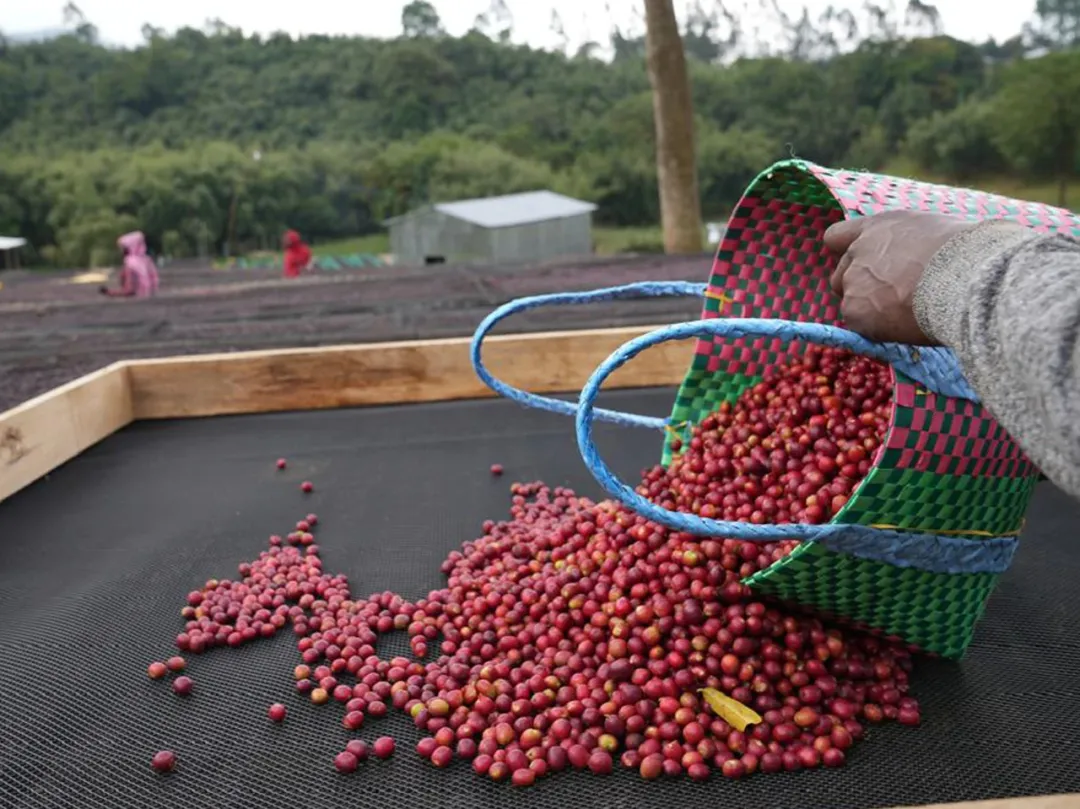
On Front Street's bean list, Ethiopia boasts the largest number of varieties of any producing region. As a result, Front Street's back office frequently receives "special feedback" from customer friends about Ethiopian beans. For example: the issue of bean size!

The above content is compiled by CoffeeHunters, a coffee news website.


