







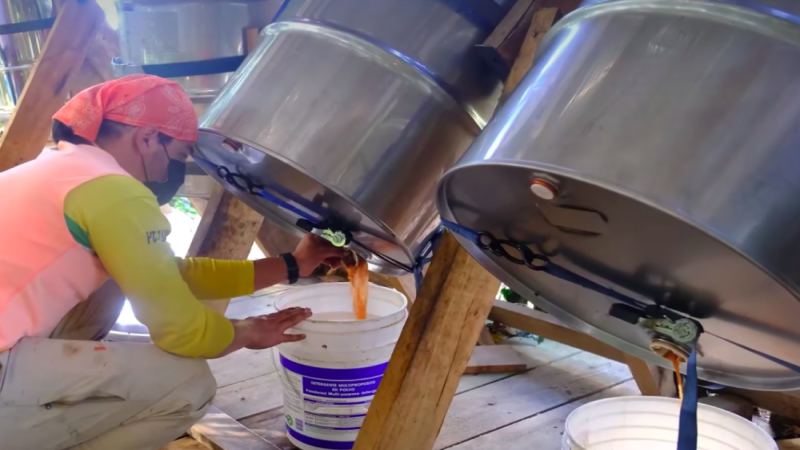
How did coffee processing methods become so varied?
Coffee processing names have multiplied, from anaerobic natural and low-temperature slow anaerobic washed to black honey, red honey and enzyme washed. Two forces drive this. Early methods answered local conditions: Indonesia's wet climate made natural drying unreliable, so washed and later wet-hulled processing were developed to cut drying time and spoilage.
Contemporary methods follow a different logic, shaped by the market's interest in flavor expression and traceability information. A review of the path from natural and washed to honey processing and anaerobic fermentation shows how each technique changes the cup, and why naming keeps getting more specific. Ethiopian coffee processing methods sit within that same history of adapting technique to place.
Today's coffee processing method names are becoming increasingly diverse, from anaerobic natural to low-temperature slow anaerobic washed, from black honey and red honey to enzyme washed, leaving people dazzled. Behind this complexity, there are actually two main threads: the birth of early processing methods was the result of production origins being forced by their environment—for example, Indonesia's humid and rainy climate gave rise to washed and wet-hulled methods; while the evolution of contemporary processing methods stems from the consumer market's dual pursuit of flavor expression and traceability information. This article will sort out the evolutionary thread from natural, washed to honey processing and anaerobic fermentation, analyze how different processing techniques affect coffee flavor, and reveal the deeper reasons behind the increasingly refined naming of processing methods.
Coffee processing methods have become increasingly complex, and behind this is a reflection that the purpose of processing coffee beans has already shifted. The emergence of different early processing methods was not for the pursuit of some unique flavor expression, but to adapt to the local environment and more efficiently transform coffee cherries into coffee beans.
Take washed processing as an example: when it was first born, it was not to create a flavor distinction from natural processing. In Indonesia, natural processing simply did not work. The local climate was completely different from East Africa and the Arabian Peninsula, with heavy moisture and frequent rainfall, making it extremely difficult for naturally processed coffee beans to dry thoroughly, and they were very prone to spoilage. For this reason, the Dutch at the time invented washed processing (wet processing). By removing materials such as the skin and mucilage that are prone to fermentation and spoilage, the quality of the coffee beans was improved, and the drying time was also greatly shortened—in a humid and rainy place like Indonesia, natural processing might take three to four weeks to complete drying, while washed processing could be compressed to around two weeks, greatly reducing the risk of moisture damage and spoilage. Later, in order to further compress the drying time, Indonesia gradually developed the wet-hulled method.
Brazil's semi-washed processing and Central America's honey processing also developed from local conditions. Of course, from the results, the reason we can distinguish the effects of different processing methods on coffee flavor mainly lies in the different substances involved in fermentation. For example, it is generally believed that naturally processed coffee beans have better sweetness and richer layers than washed coffee beans. This is because during natural processing, not only the coffee beans but also the skin, pulp, and mucilage participate in fermentation; while in washed processing, the mucilage and coffee beans participate together in the first day or two, and after the mucilage layer is removed, only the coffee beans themselves remain.
The reason coffee processing methods are becoming more and more complex is precisely that people have discovered that different processing techniques can present different flavors. In other words, today's processing methods aim to explore and pursue flavor. Some estates in Central America realized that the amount of fermentable material affects the flavor expression of coffee beans, so under the broad category of honey processing, subdivisions such as black honey, red honey, and yellow honey emerged. Some estates in Colombia discovered that placing coffee beans in different environments for fermentation also produces different flavors, so anaerobic processing steps were gradually applied to coffee bean processing. For example, conventional anaerobic natural means that before the coffee cherries are dried in the sun, they are first placed in a sealed container for anaerobic fermentation, and then sun-dried.
The anaerobic step itself is also quite complex, involving many variables such as anaerobic time, anaerobic environmental temperature, anaerobic microbial control, and pH control. There is basically no standard formula to follow, and it all depends on the experience summarized by each estate through its own experiments. That is to say, some estates, in order to highlight certain selling points, will make corresponding embellishments in the names of processing methods. For example, some estates use different anaerobic durations as a selling point and add time to the processing method name for distinction, such as 72-hour anaerobic natural and 144-hour anaerobic natural.
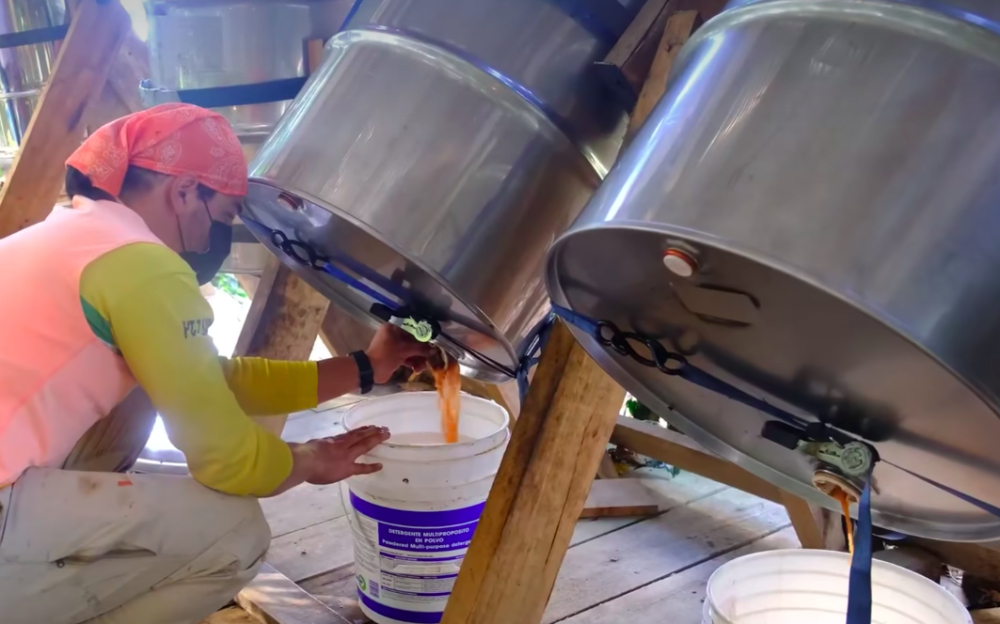
For another example, some estates focus on regulating coffee bean fermentation by controlling the anaerobic temperature environment, and the processing method name might be called low-temperature slow anaerobic washed processing. Some estates add certain enzymes (proteases) during processing to assist fermentation, and in naming it will be written as anaerobic enzyme washed processing.
There is another reason today's processing methods appear increasingly complex: in the past, the naming of processing methods was not very refined or particular. For example, although the same term washed processing is used, the washed processing procedures in Ethiopia and Kenya differ considerably. Conventional Ethiopian washed processing first involves flotation to remove defective beans and foreign matter, then depulping, then placing the coffee beans in a fermentation tank to rest for 48 to 72 hours, after which the fermented coffee beans are flushed into another clean water tank and soaked for 4 to 8 hours; after washing off the mucilage, the beans are dried.
Conventional Kenyan washed processing likewise first involves flotation to remove defective beans and foreign matter. After depulping, the coffee beans are placed in a fermentation tank to rest for 12 to 36 hours, then the coffee beans are manually washed and guided into another clean water tank to soak and ferment for 12 to 36 hours, after which the clean parchment beans are dried.
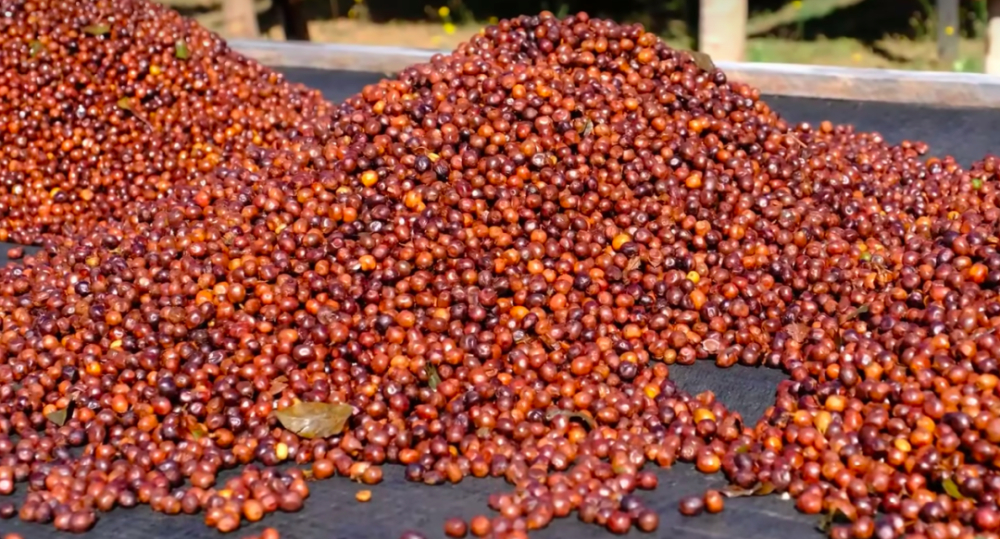
In Kenya, some processing stations also use dry fermentation (washed) processing. The difference from the above method is that the first time they are put into the fermentation tank, they are not soaked in water, usually fermenting for 6 to 8 hours in a waterless state, then water is added to wash the coffee beans, and then the water is drained, repeated several times. The subsequent process in the second water tank is the same.
Also washed processing, different processing techniques will produce differences in the final coffee flavor, but in descriptions of the processing method, it is still uniformly labeled as washed processing. Overall, the fact that processing methods today are so numerous and complex precisely reflects the consumer market's pursuit of coffee flavor and its growing emphasis on coffee bean traceability information.
The above content is compiled by CoffeeHunters, a coffee news website.


