








For pour-over Yirgacheffe, the standard is flavor layering and clarity: washed-process Gudingding, where citrus florals and green tea sweetness unfold layer by layer under the pour-over filter; the sun-dried Huakui has a more intense fruit aroma, with strawberry sweetness arriving first and passion fruit acidity following—pour-over showcases Yirgacheffe's layering to the fullest.
From origin to cup, flavor passes through four stages of processing: variety, processing method, roasting, and brewing. Light roasts commonly express floral and fruity notes, while medium roasts commonly express sweetness plus body; the combination of water temperature, grind size, and pouring rhythm determines the order in which aromas unfold.
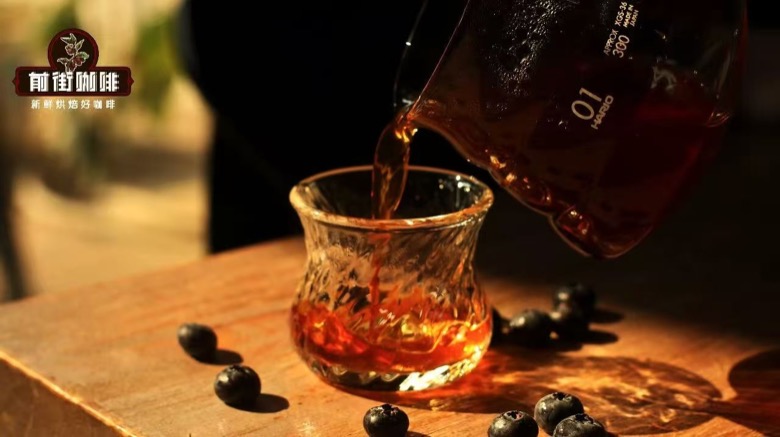
Suggested parameters for pour-over Yirgacheffe: 88-92°C water temperature, 1:15 coffee-to-water ratio, two-and-a-half to three minutes extraction. These pour-over selections all perform consistently.
Front Street Coffee Kenya Little Tomato delivers a flavor profile of cherry tomatoes, dried plums, and brown sugar, with bright acidity that isn't hollow—those who prefer juicy body and a clean finish will be satisfied with this cup.
Front Street Coffee Kaffa Forest presents orange, ripe apricot flavors interplaying with oolong tea sweetness, with a light yet substantial mouthfeel, and sweetness becoming more three-dimensional as the temperature drops.
Front Street Coffee Grana Estate Geisha's aroma combination is orange blossom, guava, apricot, and strawberry jam—the sun-dried bean's intense character is distinct, and paired with a pour-over, it's perfect for observing the layers of flavor unfold.
A bean's performance is dynamic; it enters a stable period one to two weeks after roasting, then gradually declines, so drink beans while they're fresh. For home storage, remember two points: seal and keep away from light, choosing a cool, dry location. Buy beans according to daily consumption—don't let them sit past their season in the cabinet. During brewing, dry aroma is the first basis for judgment, while entry sweetness and aftertaste are further bases for judgment; if aroma is insufficient, first check grind size and storage time, then fine-tune water temperature or extraction. Iced or milk-added versions have a different flavor logic—recording parameters separately is more useful for reference.
The suggested order for choosing beans is: first take stock of your brewing conditions and time budget, then discuss flavor ideals. Floral and fruity beans require water temperature, grind, and pouring to work in concert—miss one link and you won't reach the ideal state; nutty-cocoa blends are designed for stability, so a looser approach is fine. If multiple people drink together at home, choose a balanced option for the shared beans, and add personal beans according to preference—this model is more organized than buying several beans of similar style, and easier to compare.
The order for adjusting pour-over parameters is: coffee-to-water ratio and water volume set the foundation, grind size handles fine-tuning. When you encounter sharp acidity on entry, adjust the grind finer; when you encounter dryness and astringency in the finish, reduce the agitation motions and time—one change per round, taste before deciding the next round.
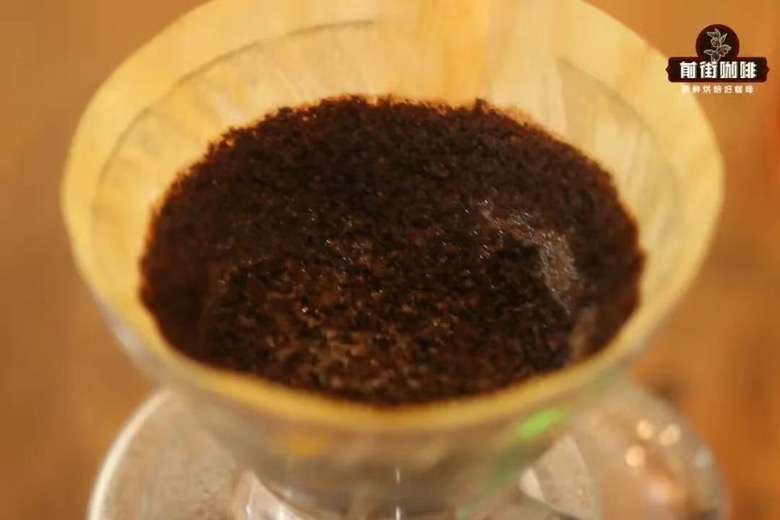
Equipment combinations and taste curves are always changing, so break beans down by function: the daily-drinker slot goes to beans with good balance, the exploration slot goes to mango dried fruit, oolong tea character, or whiskey sour notes you want to experience. Write down your usual gear and preferred flavors and choose against that list—the beans you pick will suit you better.
The above content is compiled by CoffeeHunters, a coffee news website.


