







Search Results for: comparison of filtration methods

Analysis of Why Cold Brew Coffee Filters Slowly and Comparison of Three Practical Solutions to Speed Up Filtration
Summer is here, and many people enjoy making cold brew coffee at home, but the filtration step often proves troublesome—the coffee liquid drips extremely slowly, sometimes taking half a day. Why is cold brew filtration so slow? The core reason is that the extremely fine particles in the coffee grounds clog the pores of the filter paper, leaving insufficient channels for the liquid to flow through. This is especially true when making multiple servings at once, as the waiting time gets stretched even further. This article will first explain the causes of clogging, then share three methods commonly used by baristas to speed up filtration: using a filter bag or cloth to pre-isolate the coffee grounds, spreading the coffee grounds at the bottom of the filter paper to intercept fine particles, and using a vacuum filtration device to achieve rapid filtration under reduced pressure. Each approach has its own pros and cons, suiting enthusiasts with different needs, and the article also retains relevant experience and product recommendations from the Front Street Coffee brand. [more…]
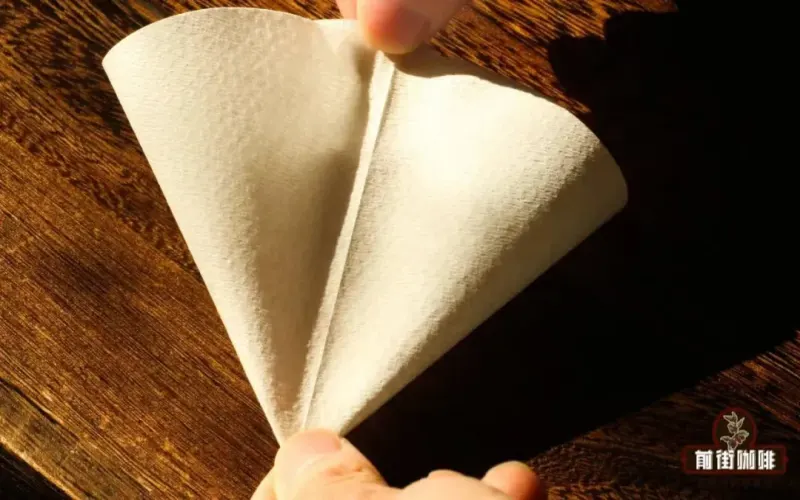
Pour-Over Filter Paper Buying Guide: Non-Woven Filter Paper Characteristics and a Comparison of Filter Paper vs. Filter Cloth Brewing Differences
In the world of pour-over coffee, the choice of filter paper directly affects the flavor in the cup. Filter paper offers outstanding filtration, delivering a clean and bright mouthfeel, but for this very reason it traps some of the coffee oils, making the aroma and body slightly inferior to tools such as metal mesh filters and cloth filters. From the perspective of Front Street, this article takes a deep dive into the composition of coffee oils and crema, explains how the filtration medium affects coffee's aroma and body, and, through a comparative brewing experiment between filter paper and non-woven filter paper, demonstrates the specific differences in flavor performance between the two. If you are struggling to decide which filtration tool to choose, or want to understand the characteristics of non-woven filter paper, this article will provide you with a clear reference. [more…]
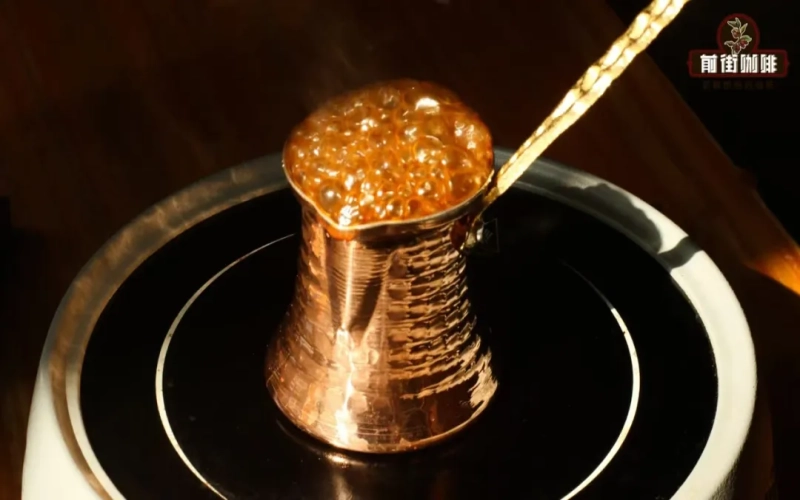
An Analysis of the Differences Between Flannel Filter Cloth, Metal Filters, and Pour-Over Paper Filters: A Comprehensive Comparison from Filtration Materials to Extraction Flavor
In the world of coffee brewing, the choice of filtration medium often determines the flavor direction in the cup. From Turkish coffee, which was mainly boiled before the 19th century, to the filter paper and dripper invented by Mrs. Melitta, to the artisanal use of flannel cloth in Japan, each filtration method carries a different extraction logic. Today, the filter paper, flannel cloth, and metal mesh commonly used in pour-over coffee each have their strengths and weaknesses: filter paper brings a clean and transparent mouthfeel, flannel retains oils and fine particles, achieving a rich and mellow flavor, while metal mesh poses new challenges in terms of pore size and extraction method. Front Street Coffee uses Ethiopian Santa Vini beans for comparative brewing, and by adjusting the pouring technique, reveals the causes of under-extraction with metal mesh and directions for improvement, providing a practical brewing reference for coffee enthusiasts. [more…]
How to Choose a Pour-Over Coffee Filtration Method: A Full Analysis of the Taste Differences, Pros, and Cons of Paper Filters, Stainless Steel Filters, and Cloth Filters
People who buy their own beans, grind them, and brew pour-over coffee often face a choice when it comes to filtration: should they use disposable paper filters, reusable stainless steel mesh filters, or flannel cloth filters? Each of the three methods has its own adherents, and each directly affects the clarity, body, and aroma expression of the coffee in the cup. This article starts from material characteristics, ease of use, taste differences, and maintenance points, comparing the pros and cons of paper filters, metal mesh filters, and cloth filters one by one, and offers selection suggestions for different taste preferences. If you often drink Front Street Coffee's medium-to-dark roasted beans, or prefer light-roasted beans with floral and fruity notes, understanding these filtration details can help you adjust your brewing direction more accurately and find the cup of coffee that suits you better. [more…]
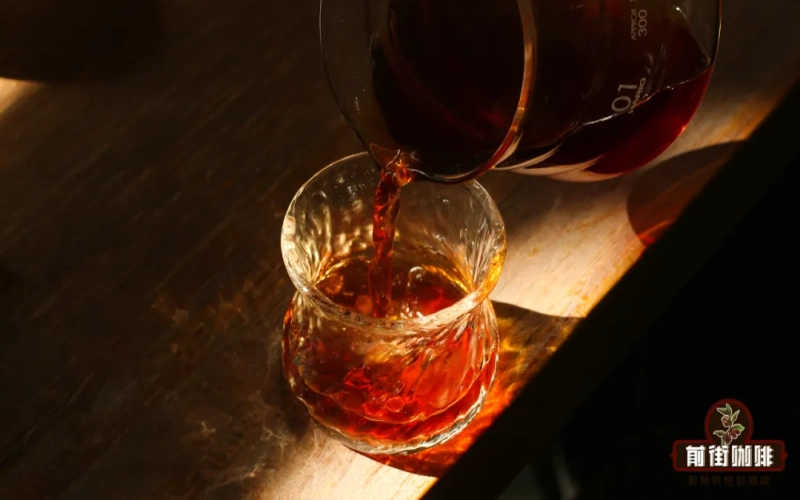
Can Coffee Brew Color Be Used to Judge Quality? The Filtration Principles and Extraction Effects Behind Clean vs. Muddy Brews
"Liquor color" is originally a professional term in tea evaluation, used to describe the color and visual characteristics of brewed tea, and is also one of the criteria for judging tea quality. So for coffee, can liquor color also serve as a basis for evaluating quality? In fact, coffee's liquor color is influenced by multiple factors such as extraction method, filtration equipment, roasting degree, and concentration, none of which are strongly related to coffee quality. Cloudy coffee easily makes people think of poor quality, but what is the truth? Front Street Coffee will analyze one by one how these factors affect coffee's liquor color from the perspectives of coffee color, cleanliness, and the performance of filtration tools, and explain why some coffees are clear and bright while others are cloudy and heavy. [more…]
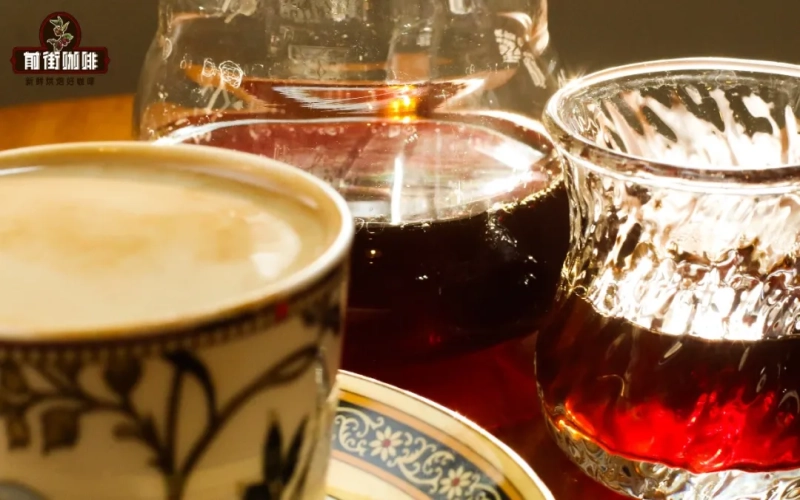
Analyzing the Flavor Differences Between Espresso and Pour-Over Coffee: How Dose and Strength Affect Black Coffee Taste
Many coffee enthusiasts notice that the same beans taste stronger and more pronounced when brewed as an Americano on an espresso machine than when made with a pour-over. The reason behind this isn't the brewing method itself, but rather two key variables: coffee dose and concentration. Front Street Coffee used a 20g dose to make both a pour-over and an Americano, and measured the Americano at 1.95% concentration versus 1.54% for the pour-over—a significant difference. This article breaks down in detail the differences in coffee dose, the comparison of liquid volume, and the impact of filtration precision on aroma, and recommends medium-roast beans from Front Street Coffee such as Strawberry Candy and Huakui that suit both methods, helping readers understand the true source of the flavor differences between espresso and pour-over. [more…]
How to Choose the Filter Material for Pour-Over Coffee? A Complete Comparison of the Pros and Cons of Paper Filters, Metal Filters, and Cloth Filters
In the world of pour-over coffee, the choice of filter material is often underestimated, yet it directly determines the direction of the flavor in the cup. Paper filters, metal filters, and cloth filters each have their adherents, and they differ vastly in how much they intercept oils, fine particles, and flavor compounds. This article begins with the century-old origins of the coffee paper filter, then breaks down one by one the structural principles, operational experience, and pros and cons of the three filtration methods, along with a comparison of mainstream filters such as KONO, HARIO, and CHEMEX, as well as practical advice from Front Street Coffee for everyday brewing. Whether you prefer a clean, bright sense of layering or pursue a thick, full-bodied original flavor, you can find the filtration solution that suits you in this article. [more…]
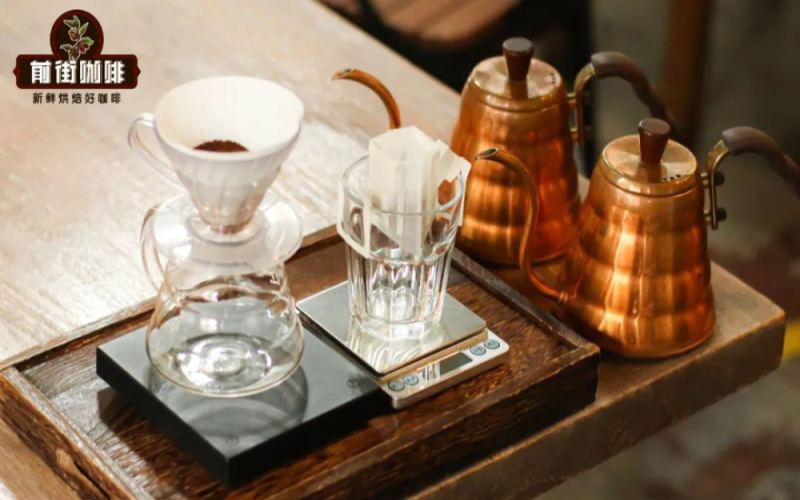
How Is Pour-Over Coffee Different from Drip Bag Coffee? A Comprehensive Comparison from Extraction Principles to Flavor Expression
Pour-over coffee and drip bag coffee both use drip extraction, but the two differ fundamentally in their original design intent and use scenarios. Pour-over emphasizes grinding fresh and brewing immediately, with freely adjustable parameters, allowing it to present coffee's aroma layers and flavor details more completely; drip bags, on the other hand, center on convenience, trading pre-ground coffee powder for a brew-anytime, anywhere experience, but aromas dissipate faster and flavor richness is relatively limited. From Front Street's perspective, this article sorts out the specific differences between the two methods in terms of equipment, operation, coffee powder state, and flavor performance, and includes Front Street drip bag coffee recommendations suited to different tastes, helping coffee lovers find the choice that suits them between convenience and quality. [more…]
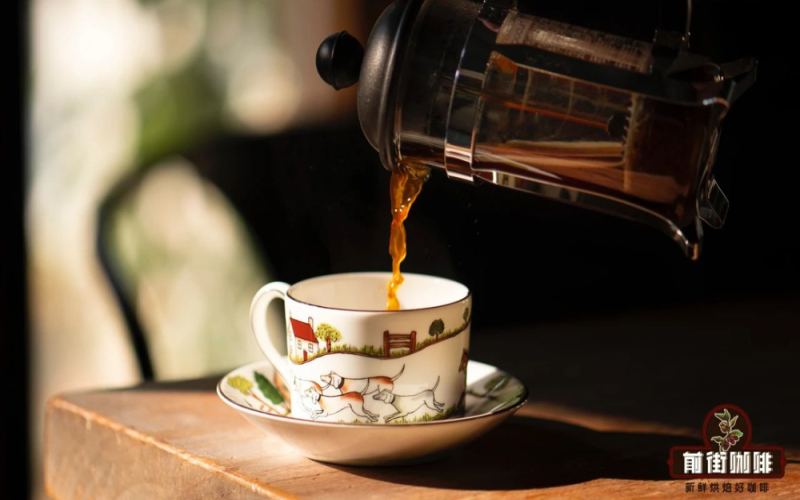
A Comprehensive Comparison of the French Press and the AeroPress: Extraction Principles, Brewing Performance, and Their Respective Advantages
The French press and the AeroPress are both easy-to-use, beginner-friendly coffee brewing devices. Both have the word "press" in their names, yet their extraction logic is completely different. The French press relies on a long steep and a metal mesh filter to separate the coffee grounds, giving a balanced, full-bodied cup; the AeroPress combines immersion, paper filtration, and air pressure for a richer layering of flavors. This article compares the two step by step—from their construction and extraction principles to how they brew the same Front Street Golden Mandheling—to help you decide which one better suits your daily brewing habits. [more…]
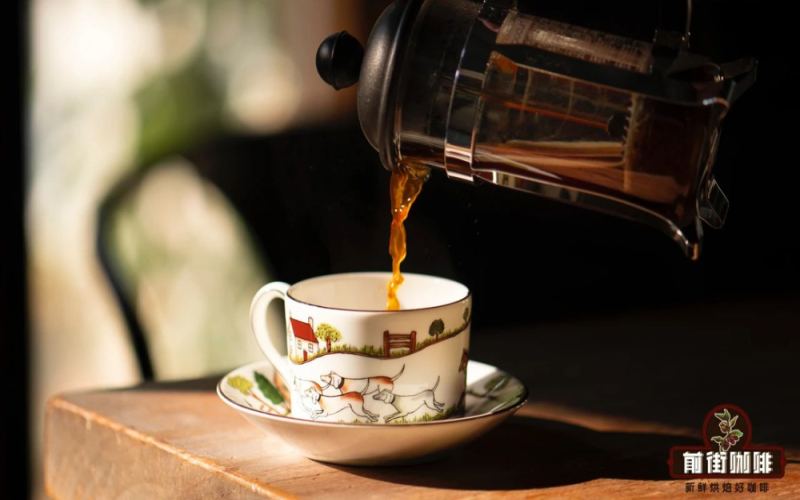
Comprehensive Comparison of French Press and Pour-Over Coffee: Extraction Principles, Flavor and Mouthfeel, and Equipment Operation Differences Explained in Detail
What exactly is the difference between a French press and pour-over coffee, and which one suits you better? From the perspective of Front Street, this article systematically sorts out the core differences between these two brewing methods. The French press is an immersion-style extraction, simple to operate, with a rich and balanced taste; pour-over is classified as a drip-filter extraction, with distinct layers and greater room for experimentation. The article lists in detail the equipment needed for pour-over, including a grinder, thermometer, dripper, and gooseneck kettle, and gives the specific parameters recommended by Front Street; it also breaks down the four major factors affecting the French press—coffee-to-water ratio, grind size, water temperature, and steeping time. Whether you prefer rich layers or pursue simplicity and efficiency, you can find the answer that suits you. [more…]
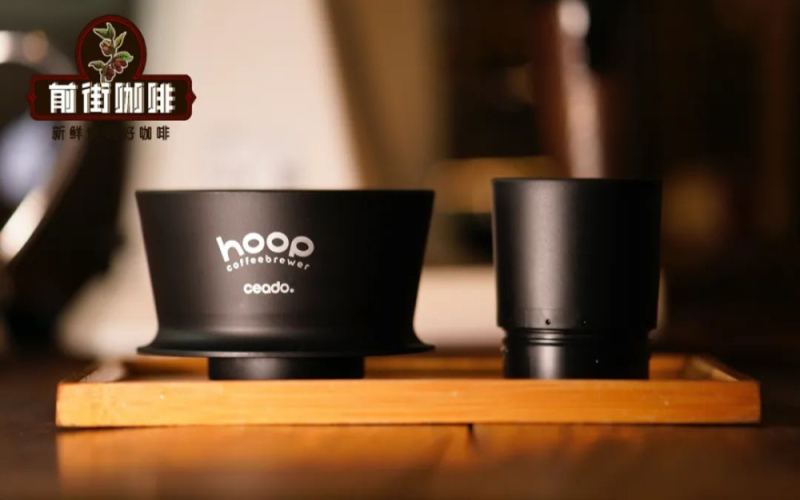
Hoop Dripper Brewing Techniques Explained: Grind Settings and Flavor Differences Compared to V60
The Hoop dripper from the Italian brand Ceado won the 2023 SCA Best Product of the Year award thanks to its unique ring-shaped water dispensing structure. It completely separates the water dispensing zone from the coffee bed, with water seeping laterally from the outer water crown through 12 small holes into the filtration tower, creating a slow, immersion-like extraction. This design eliminates the need for consistent pouring technique, but places more refined demands on grind size and water temperature. Front Street tested three coffees—Sidra, Yirgacheffe Kochere, and Golden Mandheling—to compare the flavor differences between the Hoop and the V60, and compiled six practical tips, including checking the filter paper seal,适配 of the server, and the consideration of a purchase cost as high as 280 yuan. [more…]

A Complete Guide to AeroPress Brewing: A Comparison of Operating Steps and Techniques for the Standard and Inverted Methods
The AeroPress looks like a large syringe, yet it is a manual coffee device that combines three extraction principles—immersion, filtration, and pressure—and even has its own competitive tournament. Its structure consists of three parts: the chamber, the filter cap, and the plunger, and brewing can be completed with a round paper filter, a stirrer, and a funnel. The method of use divides into two routes: upright (standard) and inverted. The upright method is intuitive but tends to drip during pouring, while the inverted method offers better stability but requires flipping the chamber. This article will use 15 grams of Front Street Coffee Brazil Queen Estate coffee grounds as an example, with the grind size controlled at 85% passing a No. 20 sieve and a water temperature of 90°C, to break down both extraction processes step by step and compare their respective pros and cons, helping enthusiasts find the method that suits them better. [more…]
Coffee Grind Size Comparison Guide: A Detailed Explanation of Electric Grinder Settings, Particle Diameter, and Brewing Compatibility
Grind size is the key variable that determines the success or failure of coffee extraction, and different brewing devices have significantly different requirements for particle diameter. This article systematically sorts out the corresponding grind settings from French press to espresso machine, introduces the industry-recognized cupping standard and the No. 20 sieve pass rate as calibration references, and provides specific scale references for the EK43s grinder. Whether you prefer immersion or pour-over, you can find suitable grind parameters here. The article also specifically reminds readers that coffee bean density and roast level will affect the actual particle coarseness at the same setting, so it is recommended to repeatedly confirm with the same beans. Several Front Street Coffee beans are also used as examples throughout to help readers understand the logic of grind adjustment more intuitively. [more…]
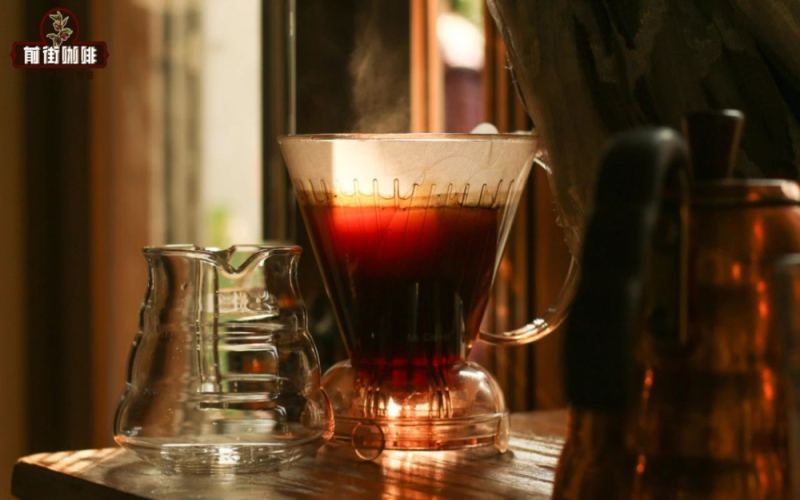
A Detailed Guide to Four Clever Dripper Brewing Methods: A Comprehensive Comparison of Usage and Flavor Differences with the French Press
As a representative of immersion-style drippers, the Clever Dripper, with its bottom piston valve design, combines the full immersion environment of a French press with the paper-filter filtration function of a pour-over dripper. It is simple to operate and highly stable, making it very suitable for coffee beginners. This article will systematically introduce the origin, working principle, advantages, and disadvantages of the Clever Dripper, and compare it side by side with the French press. At the same time, using [Front Street Coffee Huakui], this champion bean, as a sample, brewing experiments will be conducted separately with a V60 dripper, a Clever Dripper, and a French press, presenting one by one the grind size, water temperature, technique, and final flavor performance, to help readers intuitively understand the extraction differences of the three devices on the same bean and find the brewing method that best suits their own taste. [more…]
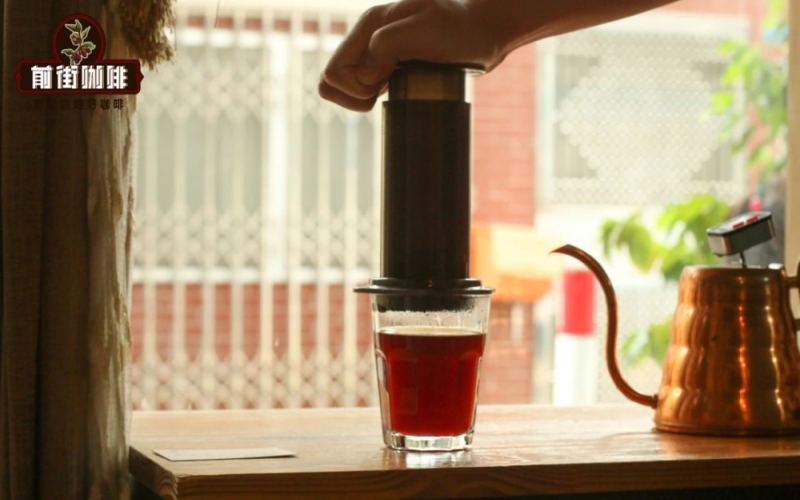
AeroPress vs. French Press Brewing Comparison: An Analysis of Extraction Principles, Grind Parameters, and Coffee Flavor Differences
The AeroPress and the French press are two coffee brewing devices that are both easy to operate yet vastly different in style. The AeroPress combines immersion, paper filtration, and pressure extraction to quickly produce a highly concentrated, clean, and full-bodied coffee; the French press, on the other hand, uses full immersion and a metal filter to separate the grounds, has a low barrier to entry, and can present the complete flavor of the coffee beans. This article will compare the two from dimensions such as extraction principles, grind size requirements, and water temperature recommendations, and using Ethiopian Gotingding coffee beans as a sample, will separately record the brewing parameters, operating steps, and flavor performance of Front Street Coffee's AeroPress and French press, helping coffee enthusiasts choose the appropriate device and brewing method according to their own needs. [more…]
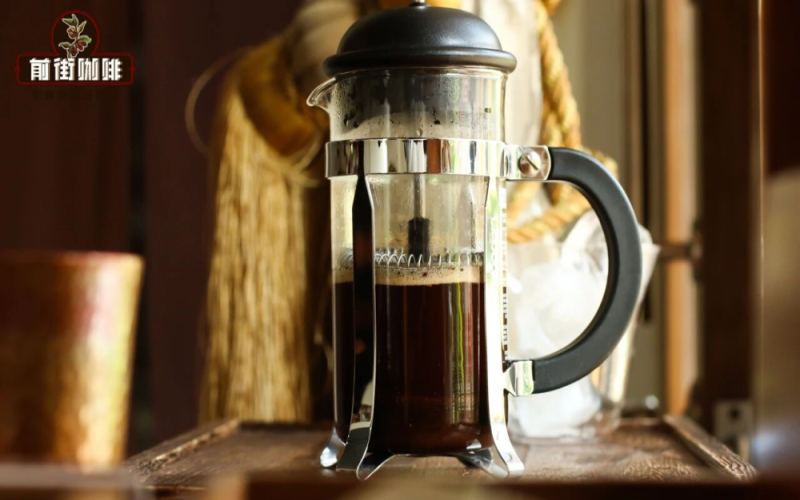
The Extraction Differences Between French Press and Pour-Over Coffee: A Comprehensive Comparison from Grind Size to Flavor and Mouthfeel
The French press and pour-over coffee are two completely different extraction methods: the former relies on immersion, while the latter depends on drip filtration. From the perspective of Front Street, this article systematically sorts out the operating principles, taste characteristics, parameter control, and suitable scenarios of the two. The French press is easy to operate and stable in extraction, with a balanced and full-bodied flavor; pour-over, on the other hand, has distinct layers and high playability, and can precisely showcase the personality of the coffee beans. The article also introduces in detail the equipment needed for pour-over, suggestions for matching grind size and water temperature, as well as several coffee beans recommended by Front Street that suit different taste preferences, helping coffee enthusiasts find the brewing method that best suits them. [more…]
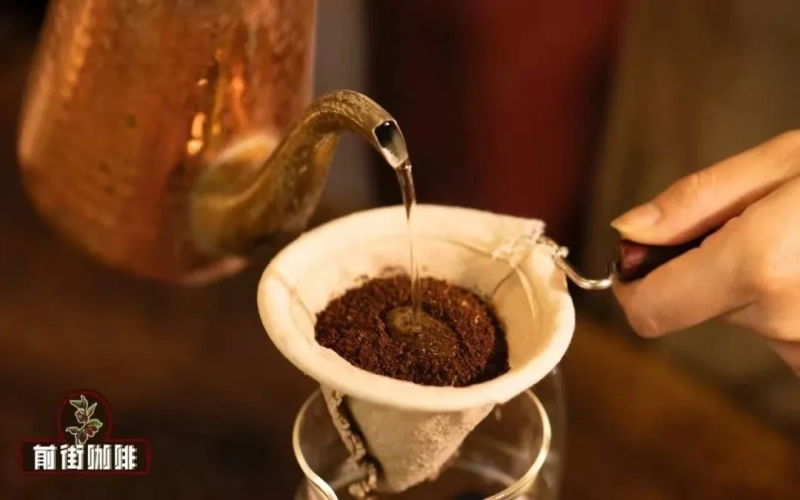
Why Japanese people prefer flannel cloth for brewing coffee: an analysis of the differences from paper filters and brewing characteristics
The flannel filter cloth holds a unique place in Japanese-style pour-over, but most coffee enthusiasts are more accustomed to paper filters and filter holders in their daily routine. This article begins with the historical origins of flannel, explains why it is widely favored in Japan, and analyzes its fundamental differences from paper filters in terms of material structure and extraction performance. The article also demonstrates in detail the complete steps for brewing dark-roasted beans with a flannel filter cloth, including setting the coffee-to-water ratio, pouring technique, and timing control, and compares the flavor with the same Front Street PWN Golden Mandheling brewed using a Kono dripper with a paper filter, helping readers understand the differences in aroma, mouthfeel, and clarity between the two filtration methods. Finally, it explains why domestic cafés rarely use flannel for their brews, providing a practical reference for coffee enthusiasts. [more…]
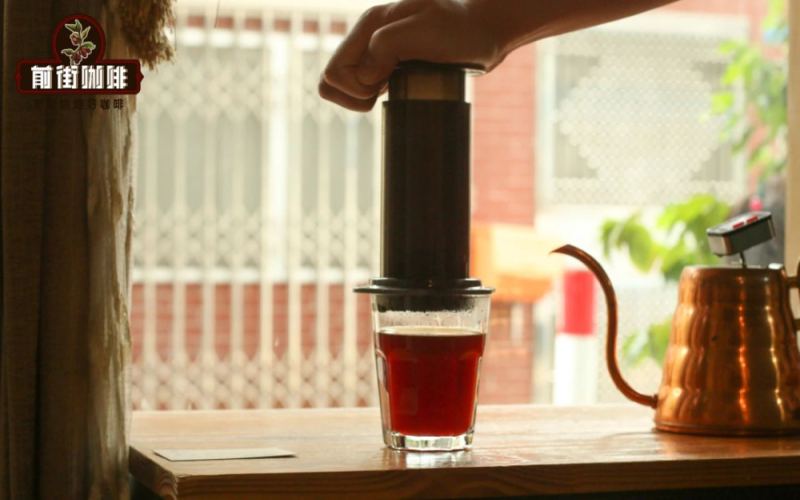
Analysis of the Flavor Differences Between the AeroPress and the Moka Pot: Extraction Principles, Operation Methods, and the Full Process of Making Espresso
The AeroPress and the moka pot are both handy brewing tools commonly used by home coffee enthusiasts, but their extraction principles and flavor profiles are completely different. The AeroPress combines immersion, paper filtration, and pressure extraction, producing a clean and balanced cup; the moka pot, on the other hand, relies on steam pressure to deliver a rich, full-bodied result. Starting from their structure and principles and methods of operation, this article combines a comparison of extractions using the same coffee bean from Front Street Coffee, and explains in detail the steps for making espresso, including dose, extraction ratio, time control, and techniques for serving a hot latte, to help you easily recreate professional-level coffee at home. [more…]
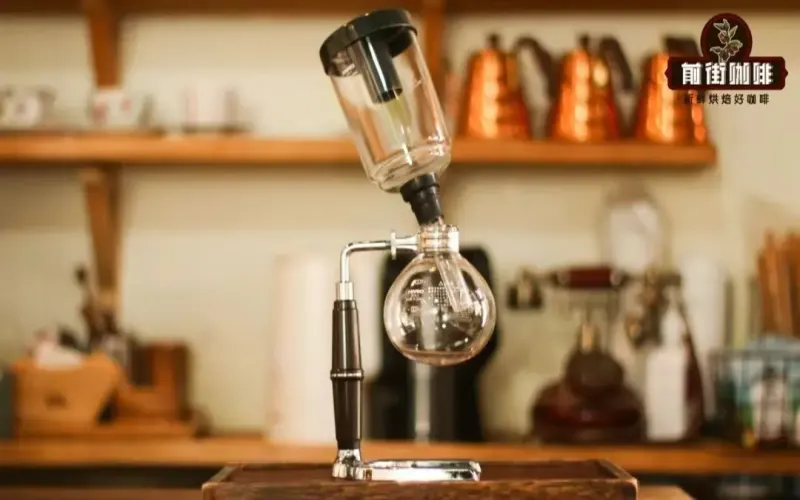
Siphon Coffee vs. Pour-Over Coffee: A Comparative Analysis of Extraction Principles, Flavor Characteristics, and Parameter Recommendations
Many coffee enthusiasts believe that coffee brewed with a siphon pot is richer and more aromatic than pour-over. Where exactly does this difference come from? This article will start with the structure and operation process of the siphon pot, analyze how its immersion-style extraction and filtration method affect flavor, and use a comparative example of Front Street Jamaica Blue Mountain No. 1 to intuitively present the differences between siphon and pour-over in mouthfeel, aroma, and cleanliness. At the same time, the article will also share ideas on suitable coffee beans, water temperature, and ratios for the siphon pot, helping you understand and use this device—which combines ritual and visual appeal—more systematically. [more…]
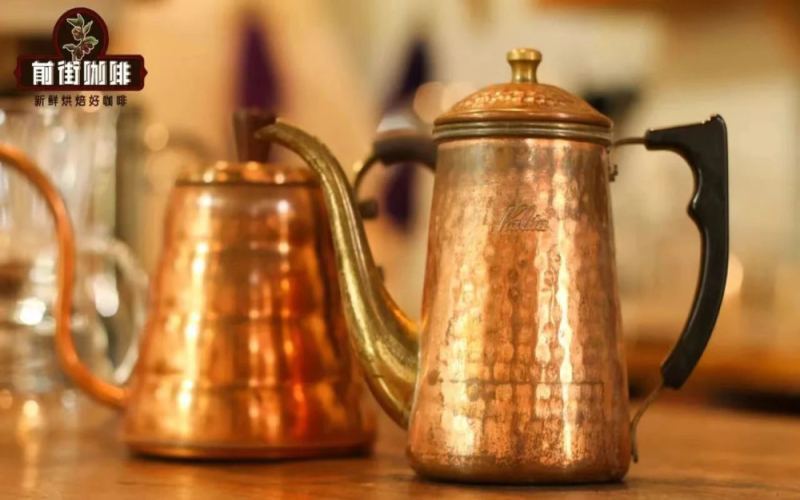
Hario V60 01 vs 02 Dripper Comparison: Size, Coffee Dose, and Brewing in Practice
The Hario V60 is practically standard equipment for every pour-over enthusiast, but what exactly is the difference between the 01 and 02? From the perspective of Front Street Coffee, this article first reviews the design origins and three core features of the V60 dripper, then takes a deeper look at how the 01 and 02 differ in recommended coffee dose and actual capacity, and explains why the 02 dripper requires a coarser grind. After that, using the Yirgacheffe Natural Red Cherry as an example, it presents the three-pour brewing parameters and techniques for both drippers, helping you make a more suitable choice in your daily brewing. [more…]